Table of Contents >> Show >> Hide
- What “Flesh-Eating Bacteria” Really Means (and Why the Label Sticks)
- Why Hurricanes Raise the Risk: Warm Water + Wounds + Chaos
- What Happened After Hurricane Milton: Warnings, Numbers, and Why Officials Spoke Up
- How Infection Happens: Two Main Routes You Can Actually Control
- Who Is Most at Risk in Florida After a Hurricane?
- Prevention: Simple Steps That Work (and Don’t Require a Hazmat Suit)
- Symptoms That Should Send You to Care Quickly
- Myth-Busting: What Post-Milton “Flesh-Eating” Stories Get Wrong
- What Florida Communities Can Do After Hurricanes
- Conclusion: Respect the Water, Protect the Wounds, Don’t Let Headlines Run Your Life
- Experiences After Milton: What People Learned the Hard Way (and How You Can Learn the Easy Way)
- 1) The cleanup crew realization: “I didn’t even notice the cut.”
- 2) The “just a quick wade” moment
- 3) High-risk residents: “I didn’t know my condition changed the rules.”
- 4) The seafood temptation: “But it’s Floridaoysters are everywhere.”
- 5) The medical urgency lesson: “Don’t wait to see if it gets better.”
Florida didn’t just get a wallop from wind and water when Hurricane Milton came ashore on October 9, 2024. In the days after the storm surge receded and the cleanup crews rolled in, a different kind of hazard started making headlines: so-called “flesh-eating bacteria.”
That phrase is terrifyingbecause it’s supposed to be. It’s also a little misleading, like calling a thunderstorm “sky rage.” The bacteria don’t leap out of puddles to attack random ankles. But under the right conditionswarm coastal water pushed inland, people wading through floodwater with small cuts, debris everywherecertain bacteria can cause fast-moving, life-threatening infections. And after Milton, Florida officials warned residents to take those risks seriously.
This article breaks down what’s actually happening, why hurricanes can amplify the danger, who’s most at risk, and how to protect yourself without living in fear (or wrapping yourself in bubble wrap… though that does sound oddly soothing).
What “Flesh-Eating Bacteria” Really Means (and Why the Label Sticks)
“Flesh-eating bacteria” isn’t one single germ. It’s a headline-friendly nickname for infections that can destroy skin and soft tissue. The medical term you’ll often hear is necrotizing fasciitis (a rapidly progressive soft-tissue infection). Different bacteria can cause it, including Group A Streptococcus and certain Vibrio species.
The Florida connection: Vibrio vulnificus
After major storms in Florida, one organism tends to grab attention: Vibrio vulnificus. This bacterium naturally lives in warm, salty or brackish coastal water. It can infect people in two main ways:
- Through an open wound exposed to contaminated water (including storm surge and floodwaters).
- By eating raw or undercooked shellfish, especially oysters.
Most people will never encounter Vibrio vulnificus in a way that causes illness. But when infections do occurespecially in higher-risk individualsthey can become severe quickly, sometimes involving bloodstream infection and aggressive tissue damage.
Why Hurricanes Raise the Risk: Warm Water + Wounds + Chaos
Hurricanes don’t create Vibrio out of thin air. The bacteria are already in coastal waters. What storms do is rearrange the board in a way that benefits microbes and endangers humans:
1) Storm surge pushes brackish water inland
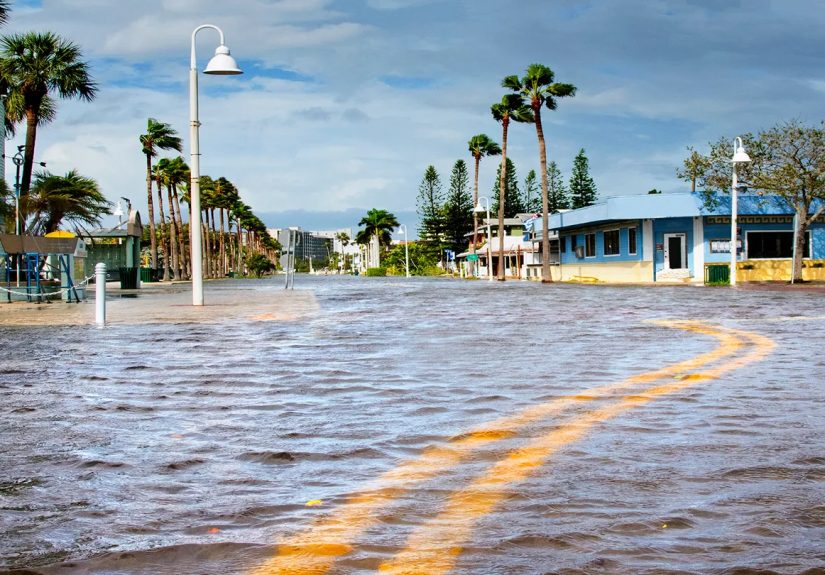
Milton’s surge and flooding spread coastal water into neighborhoods, streets, and yardsplaces people don’t expect “sea bacteria” to show up. That matters because Vibrio likes salt and warmth, and Florida frequently has both.
2) Cleanup work creates tiny injuries that matter
Post-storm cleanup is basically a pop-up obstacle course: splintered wood, metal scraps, nails, broken glass, sharp shells, and flooded debris piles. Even small cuts and scrapes can become entry points for bacteria.
3) People wade through water because life demands it
Sometimes you’re not wading through floodwater for funyou’re doing it to check on a neighbor, move belongings, or rescue pets. The risk climbs when water contacts wounds, fresh tattoos, new piercings, or irritated skin.
4) Heat and humidity keep the “bacterial party” going
Vibrio levels tend to be higher in warmer months and warm waters. When storms hit during or near those periods, the timing can amplify exposure.
What Happened After Hurricane Milton: Warnings, Numbers, and Why Officials Spoke Up
Milton’s landfall and widespread impact placed millions of Floridians into cleanup modeoften while parts of the state were still recovering from other severe weather. In that environment, Florida health officials issued reminders that floodwaters can carry infectious risks, including Vibrio.
News coverage around the storm highlighted an increase in confirmed Vibrio vulnificus cases following hurricane-related flooding in 2024, with officials emphasizing precautions for residents who had to work in or around contaminated water.
One key point from public health messaging: you don’t need a dramatic, Hollywood-sized wound. A small cut can be enough if it’s exposed to the wrong water at the wrong timeespecially if you have underlying conditions that make severe infection more likely.
How Infection Happens: Two Main Routes You Can Actually Control
Route #1: Water meets a wound
Wound infections can start with redness, swelling, warmth, and pain near a cutsometimes out of proportion to how minor the injury looks. In severe cases, the infection can spread quickly and may require urgent medical treatment.
Route #2: Raw oysters and undercooked seafood
Most people associate hurricanes with sandbags, not seafood. But Vibrio can also cause illness when people eat raw or undercooked shellfish. Cooking properly reduces risk. After stormswhen refrigeration, supply chains, and water quality can be disruptedfood safety matters even more.
Who Is Most at Risk in Florida After a Hurricane?
Infections are still uncommon overall, but severity isn’t evenly distributed. The people most likely to develop severe Vibrio vulnificus illness often have health factors that reduce the body’s ability to fight infection.
Higher-risk groups include:
- People with chronic liver disease (including cirrhosis)
- People with diabetes
- People with chronic kidney disease
- People with weakened immune systems (from certain conditions or medications)
- Older adults (risk can rise with age, especially with other conditions)
This doesn’t mean everyone else gets a free pass. It means some people should treat floodwater exposure like a “do not enter” sign, not a suggestion.
Prevention: Simple Steps That Work (and Don’t Require a Hazmat Suit)
The best advice is wonderfully unglamorous: keep wounds away from risky water and clean exposed skin quickly. Here’s a practical checklist for post-hurricane Florida:
Protect your skin during cleanup
- Wear waterproof boots, not flip-flops (save those for non-disaster vibes).
- Use heavy gloves when handling debris.
- Cover cuts or scrapes with a waterproof bandage.
- Avoid wading in floodwater if you have fresh wounds, new tattoos, or healing piercings.
If floodwater touches a wound, act fast
- Wash immediately with soap and clean water.
- Remove wet clothing and rinse skin as soon as possible.
- Keep the wound clean and dry afterward, and monitor for changes.
Be smart about seafood
- Avoid raw oystersespecially if you’re in a higher-risk group.
- Cook shellfish thoroughly. “But I added lemon” is not a cooking method.
- If power outages affect refrigeration, follow food safety guidance and discard questionable seafood.
Symptoms That Should Send You to Care Quickly
Fast treatment can be lifesaving. Seek medical care urgently if, after possible exposure (floodwater, storm surge, coastal water, or raw seafood), you notice:
- Fever or feeling suddenly very unwell
- Severe pain near a wound (especially pain that feels “too big” for the injury)
- Redness or swelling that spreads quickly
- Skin that looks increasingly inflamed or discolored around a cut
- Signs of worsening infection in someone with liver disease, diabetes, or immune suppression
If you’re evaluated, tell clinicians about recent floodwater or coastal water exposure or recent raw shellfish consumption. Those details can help guide the right testing and treatment.
Myth-Busting: What Post-Milton “Flesh-Eating” Stories Get Wrong
Myth: You can get infected just by being near floodwater
Infection typically requires a pathwaylike an open wound or ingestion of contaminated seafood. That said, splashes and soaked clothing can still matter if they contact broken skin.
Myth: The bacteria “eats” healthy skin like a movie monster
Many experts caution that the phrase “flesh-eating” can exaggerate what’s happening biologically. The danger is real, but the mechanism involves infection and tissue damagenot a creature chewing through you.
Myth: Only giant wounds are a problem
Small cuts can be enough, especially in higher-risk individuals. Post-storm environments are full of tiny injuries people ignore because they’re busy trying to rebuild their lives.
What Florida Communities Can Do After Hurricanes
Individual precautions matter, but community actions reduce exposure across the board:
- Clear debris quickly to reduce injuries during cleanup.
- Distribute protective supplies (gloves, boots, waterproof bandages) at relief centers.
- Public health messaging in multiple languages, especially about wound care and seafood safety.
- Support for high-risk residents who should avoid floodwater entirely but may not have that option without help.
The goal isn’t panic. It’s preventionbecause Florida already has enough going on without adding “urgent wound infection” to the to-do list.
Conclusion: Respect the Water, Protect the Wounds, Don’t Let Headlines Run Your Life
After Hurricane Milton, Florida faced a familiar post-storm reality: floodwater hazards aren’t limited to downed power lines and hidden nails. Warm, brackish water can carry bacteria like Vibrio vulnificus, and in the right circumstancesespecially for people with certain health conditionsexposure can become dangerous fast.
The good news is that the best prevention is straightforward: avoid floodwater when possible, cover wounds, wear protective gear during cleanup, wash thoroughly if exposed, and skip raw oysters if you’re at higher risk. Think of it as hurricane recovery’s least exciting but most effective strategy: be boringly careful.
Experiences After Milton: What People Learned the Hard Way (and How You Can Learn the Easy Way)
Hurricanes don’t just damage buildingsthey disrupt routines, force quick decisions, and turn ordinary tasks into risky ones. After Milton, many Floridians described a similar theme: they weren’t trying to be reckless. They were trying to get back to normal. And that’s exactly when small exposures can happen.
1) The cleanup crew realization: “I didn’t even notice the cut.”
One of the most common post-storm experiences is discovering injuries after the fact. People hauling soggy drywall, stacking branches, or dragging storm-tossed furniture often end the day with scraped knuckles or a blister they barely remember getting. The lesson many shared afterward was simple: in flood conditions, minor wounds deserve major respect. Wearing gloves and boots felt annoyinguntil it didn’t. A few residents described switching from “I’ll be careful” to “I’m dressing like I’m handling cactus” once they realized how many sharp edges storms create.
2) The “just a quick wade” moment
Some people reported stepping into floodwater briefly to move a car, retrieve a pet carrier, or check on a neighbor’s house. It felt like a short, practical decisionbecause it was. But floodwater isn’t just rain. After a storm surge, it can be a mix of coastal water, sewage overflow, and debris. Several families described adopting a new rule after Milton: if you must wade, treat it like you’re entering a workshop floor covered in nails. Boots on. Legs covered. Wounds sealed. Shower as soon as you’re out.
3) High-risk residents: “I didn’t know my condition changed the rules.”
Another experience that surfaced repeatedly in coverage of severe Vibrio illness is surprise. People with diabetes, kidney disease, or liver conditions sometimes didn’t realize they were in a higher-risk category for severe infection. After the storm, some described being extra cautious once they learned that risk isn’t just about exposureit’s also about how your body responds. A takeaway many wished they’d heard sooner: if you’re immunocompromised or have chronic disease, post-hurricane water exposure is not a “maybe” situation. It’s a “no, thanks” situation.
4) The seafood temptation: “But it’s Floridaoysters are everywhere.”
Florida’s coastal food culture is a point of pride, and raw oysters are practically a tourist slogan. But public health guidance has been consistent for years: raw or undercooked shellfish can carry Vibrio, and the risk is more serious for certain groups. After Milton, some residents described changing habitschoosing cooked oysters, ordering grilled seafood, or skipping raw bars entirely during peak warm months. The surprise for many wasn’t that raw oysters carry risk; it was that hot sauce and lemon don’t “sanitize” anything. Heat does.
5) The medical urgency lesson: “Don’t wait to see if it gets better.”
In stories of severe infection, a repeating pattern is delay: people hoped symptoms would fade, or they didn’t want to burden an already strained health system after a hurricane. But clinicians emphasize that rapidly worsening pain, fever, or spreading redness after water exposure should be treated as urgent. Several survivors described a shift in mindset: after Milton, they stopped treating intense symptoms like a personal inconvenience and started treating them like what they area possible emergency. Their advice to others was blunt: if something feels wrong fast, get seen fast.
The collective “experience” after Milton can be summed up in one line: hurricanes change the environment, and the environment changes the rules. If you adjust your habitsprotective gear, wound care, and smart food choicesyou can dramatically lower the risk and keep your recovery story focused on rebuilding, not the ER.