Table of Contents >> Show >> Hide
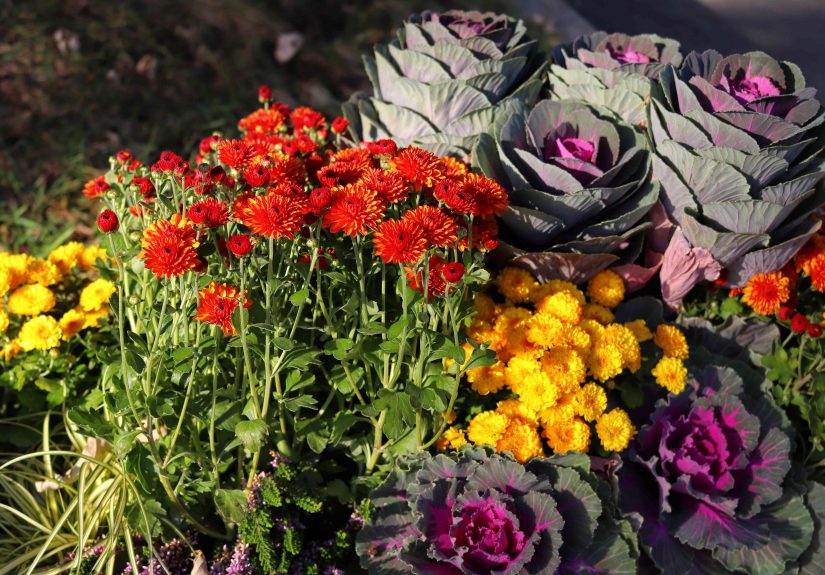
Chrysanthemums are the grand finale of the fall garden. When summer flowers start looking a little tired and the yard begins whispering, “Well, that was fun,” mums step in like the overachiever who still has perfect hair at the end of the party. But even these colorful stars look better when they are planted with the right neighbors. The best chrysanthemum companion plants do more than just match in color. They like similar sun, soil, and moisture conditions, help create a longer season of interest, and keep the bed from turning into a tangled botanical traffic jam.
If you want your garden mums to thrive, the rule is simple: pair them with plants that enjoy full sun, good drainage, and reasonably consistent moisture. Mums are not fans of wet feet, dense shade, or pushy neighbors that swallow up every square inch of soil like they are trying to win a real estate competition. The right companions can make your border look fuller, more layered, and far more intentional.
Below are 12 of the best chrysanthemum companion plants, plus a smart guide to what not to plant with mums. Consider this your matchmaking service for the fall garden, minus the awkward small talk.
What Makes a Good Companion Plant for Chrysanthemums?
Before choosing companion plants, it helps to know what mums actually want. Garden chrysanthemums generally perform best in full sun, well-drained soil, and beds with good air circulation. They also appreciate steady moisture, especially while blooming, but they do not want to sit in soggy ground. That means the best companions are usually sun-loving perennials, ornamental grasses, and long-blooming border plants that do not mind the same conditions.
A good chrysanthemum partner should do at least one of these jobs: bloom around the same time, provide textural contrast, support pollinators, fill gaps before or after mum season, or offer foliage that keeps the bed looking polished even when flowers are resting. The best beds use a mix of all five. In other words, you are not just planting flowers. You are building a cast.
12 Best Chrysanthemum Companion Plants
1. Asters
If mums are the headline act of fall, asters are the excellent co-star who somehow never misses a cue. Asters bloom around the same time as chrysanthemums, which makes them one of the most natural pairings in a late-season border. Their daisy-like flowers soften the fuller, rounded shape of mums and help create that lush, layered look gardeners love.
They also like similar conditions: plenty of sun and well-drained soil. Taller asters can be placed behind mums, while compact forms work beautifully beside them. Purple or blue asters next to yellow or bronze mums are especially striking. This is one of those combinations that looks fancy without requiring fancy behavior.
2. Salvia
Salvia is a great companion for chrysanthemums because it brings upright flower spikes to a planting scheme that might otherwise become a sea of rounded blooms. That vertical shape adds contrast, structure, and movement. Even better, many salvias bloom for a long stretch, so they can bridge the gap between summer and fall.
Choose perennial salvias in shades like violet, blue, or deep pink to complement classic mum colors. Plant them near the front or middle of the border, depending on the cultivar. Their neat habit and long bloom season make mums look even more dramatic without stealing the show. Think of salvia as the stylish blazer in a wardrobe full of sweaters.
3. Sedum (‘Autumn Joy’ and similar types)
Sedum is one of the easiest and most reliable chrysanthemum companion plants, especially if you love a low-fuss garden. Upright sedums bring succulent foliage, sturdy stems, and flattened flower heads that contrast beautifully with the rounded cushions of garden mums. They bloom from late summer into fall, so the timing is almost too convenient.
Because sedum enjoys full sun and excellent drainage, it is a strong cultural match for mums. Use it in front of taller mum varieties or alongside medium-sized ones. The soft rose, rust, or mauve tones of sedum also play nicely with white, yellow, copper, and burgundy chrysanthemums.
4. Goldenrod
Goldenrod deserves a better publicist. It is not the villain of fall allergies, and in the garden it is genuinely gorgeous. With its airy sprays of golden flowers, goldenrod creates a looser, more natural texture next to mums, which tend to be dense and buttoned-up. Together they make a planting feel vibrant rather than stiff.
Look for well-behaved garden selections such as clumping or more restrained cultivars if you do not want a spreading surprise. Goldenrod pairs especially well with purple, plum, and red mums. It also helps extend pollinator activity in the fall garden, which is always a nice bonus.
5. Coneflower (Echinacea)
Coneflowers are garden workhorses, and they pair surprisingly well with chrysanthemums. Their upright stems and prominent cones add sculptural interest, especially when the petals begin to relax in late summer. Even after the main bloom passes, the seed heads can keep the bed interesting while mums take over.
Plant echinacea behind or beside mums for a layered look. Pink coneflowers with white or peach mums make a soft, cottage-style combination, while orange or bronze mums with magenta echinacea create a warmer, prairie-inspired palette. They also tolerate heat and a range of soils, which makes them easier company than some fussier perennials.
6. Black-Eyed Susan (Rudbeckia)
Black-eyed Susan brings cheerful, bright color and a slightly wild look that balances the tidy mounds of chrysanthemums. It is especially useful if you want a bed that feels informal and friendly rather than highly choreographed. Rudbeckia blooms for a long time, often overlapping beautifully with early fall mums.
Since black-eyed Susan grows well in full sun and well-drained soil, the pairing makes practical sense. Just give both plants enough space for airflow, because crowded foliage is nobody’s best angle. For color design, try golden yellow rudbeckia with deep burgundy mums or creamy white mums for a classic fall effect.
7. Coreopsis
Coreopsis is one of the best companions for chrysanthemums if you want a lighter, brighter planting that still reads as fall-ready. Its fine foliage and daisy-like flowers help break up the heavier texture of mums. Some varieties bloom for such a long season that they are still going strong when chrysanthemums begin their big moment.
Use coreopsis around the edges of a mum bed or in repeating groups throughout the border. Yellow coreopsis can echo warm-toned mums, while darker bi-color varieties can create more drama. It is an easy plant to weave into designs because it does not feel bulky or overbearing.
8. Catmint (Nepeta)
Catmint is one of those plants that quietly makes everything around it look better. Its soft, mounded habit and hazy blue-purple flowers act almost like a visual buffer between bolder plants. When paired with chrysanthemums, catmint helps the border feel more relaxed and less like every flower is shouting at once.
Because many nepeta varieties like full sun and well-drained soil, they fit nicely into a mum-friendly bed. The silvery foliage is also useful even when the flowers are not at their peak. Catmint works especially well with yellow, white, and pink chrysanthemums, and it gives the whole bed a more polished designer-garden look.
9. Lavender
Lavender is not always the first plant gardeners think of for fall pairings, but it can be an excellent chrysanthemum companion in sunny, sharply drained spots. The gray-green foliage gives a clean, cool contrast to rich mum colors, and the tidy form helps anchor the planting even after flowers fade.
The main thing to remember is drainage. Lavender absolutely hates sitting in wet soil, and mums are not thrilled by that either, so this duo works well in raised beds, border edges, and leaner soils that drain quickly. Pair lavender with white, apricot, or purple mums for a combination that looks elegant without trying too hard.
10. Yarrow
Yarrow brings flat flower clusters and ferny foliage, which makes it an excellent textural counterpoint to chrysanthemums. It also handles heat, sun, and decent drainage like a champ. In a mixed border, yarrow helps create that “collected over time” look instead of a blocky mass of identical forms.
Since yarrow comes in shades of yellow, gold, red, pink, and white, it is easy to build color echoes with nearby mums. Just avoid overly rich, wet soil that can make yarrow flop. In the right setting, it adds an airy, meadow-like quality that keeps fall plantings from feeling too heavy.
11. Switchgrass
Every great flower bed needs texture, and switchgrass delivers it in spades. Its upright blades and airy seed heads bring movement to the fall garden, which is especially helpful next to the dense, rounded habit of mums. When the light catches the grass in late afternoon, the whole border starts looking suspiciously expensive.
Switchgrass works best behind or among larger mum groupings, where it can provide a vertical backdrop without blocking the flowers. Many forms also develop attractive fall color, making the planting more dynamic after the mums peak. If your garden needs less “row of balls” and more “designed perennial border,” grasses are your friend.
12. Feather Reed Grass
Feather reed grass is another excellent ornamental grass to plant with chrysanthemums, especially if you want a more formal look. Its narrow, upright shape creates strong vertical lines, which contrast beautifully with the rounded form of garden mums. It is one of the easiest ways to make a planting feel layered and intentional.
Use it toward the back of a sunny border or as repeating punctuation throughout a bed. It works particularly well with masses of bronze, white, or deep red mums. The result is crisp, architectural, and very effective in modern garden designs. Mums may bring the color, but feather reed grass brings the posture.
What to Avoid Planting with Chrysanthemums
Not every plant makes a good mum neighbor. Some fail because their growing needs are different, while others are simply too aggressive or too bulky for a healthy planting.
Avoid shade-loving plants
Hostas, many ferns, astilbes, and other shade lovers are not ideal companions for chrysanthemums. Mums need plenty of sun to flower well and build strong roots. If you tuck them into a bed designed for shade plants, the result is usually disappointing: fewer blooms, weaker stems, and a plant that looks like it is reconsidering its life choices.
Avoid plants that demand consistently wet soil
Mums like moisture, but they hate poor drainage and standing water. Do not pair them with bog or moisture-loving plants that want soil to stay wet all the time. That kind of arrangement usually ends with stressed chrysanthemums and possible root problems.
Avoid aggressive spreaders
Fast-moving groundcovers and space hogs can overwhelm mums, especially because chrysanthemums have relatively shallow root systems and need good airflow around their foliage. Plants like overly aggressive vinca, mint, or any enthusiastic spreader that turns “sharing” into “hostile takeover” should be used with caution or skipped entirely.
Avoid crowded layouts
Even good companion plants can become bad neighbors if you cram everything too tightly. Overcrowding reduces air circulation, increases the chance of foliar problems, and makes watering and cleanup harder. A gorgeous planting on paper can turn into a mildew convention in real life if spacing gets ignored.
Design Tips for a Better Mum Border
For the best results, repeat plants in drifts instead of scattering one of everything. Group mums with two or three companion types that offer different forms: a rounded bloomer, a spiky vertical accent, and a soft filler. For example, try bronze mums with purple asters and feather reed grass, or white mums with lavender and sedum. That kind of repetition makes the bed feel cohesive, not chaotic.
Also think in seasons, not just snapshots. A border that looks amazing only in late September is nice, but a border that looks good from June through November is smarter. Use companions such as salvia, catmint, coneflower, and ornamental grasses to keep the garden interesting before the chrysanthemums hit peak performance.
Real-Garden Experience: What Actually Happens When You Pair Mums Well
In real gardens, the difference between a good chrysanthemum pairing and a bad one shows up fast. When mums are planted beside compatible companions, the whole bed feels calmer, healthier, and easier to manage. The soil dries at a reasonable pace, the flowers hold their shape better, and the planting looks like it belongs together instead of like a rescue mission assembled from whatever was left at the garden center.
One of the most common experiences gardeners describe is how much better mums look when they are not planted alone. A row of mums by themselves can look bright for a few weeks, but it often feels flat. Add asters behind them and a ribbon of catmint or coreopsis in front, and suddenly the same space has depth, texture, and rhythm. The mums do not lose attention; they gain context. It is the difference between a solo singer in an empty room and a full band hitting the chorus.
Another lesson people learn quickly is that texture matters just as much as color. At first, many gardeners shop by bloom shade alone. They grab yellow mums, orange mums, maybe a burgundy mum, and feel triumphant. Then they get home, plant everything in one mass, and realize the border looks like a pile of matching pom-poms. The fix is usually simple: add something upright like feather reed grass, something airy like goldenrod, or something broad and succulent like sedum. Suddenly the bed feels designed rather than dumped.
Spacing is another real-world teacher. Chrysanthemums can look small in nursery pots, which tempts people to plant them too close to everything else. A few weeks later, the mums puff up, the neighboring perennials lean in, and airflow disappears. Leaves stay damp longer, the bed gets messy, and deadheading becomes a scavenger hunt. Gardeners who leave a little extra breathing room almost always end up happier. The bed may look slightly sparse at planting time, but by fall it usually fills in beautifully.
There is also the moisture issue, which many people discover the hard way. Pair mums with thirsty, wet-soil plants and the bed becomes a compromise nobody enjoys. The moisture lovers are still annoyed, and the mums start sulking. But when mums share space with plants that like similar drainage, such as salvia, yarrow, rudbeckia, or lavender, the maintenance gets much easier. Watering becomes more predictable, and you spend less time playing detective with yellowing leaves.
And finally, experienced gardeners often notice that the best chrysanthemum combinations are the ones that still look good after peak bloom. Ornamental grasses catch frost beautifully. Sedum seed heads age well. Coneflowers and rudbeckia can keep strong silhouettes into late fall. That means your garden does not crash the moment the mums finish their big performance. It fades gracefully, which, frankly, is more than most of us manage after a long week.
Final Thoughts
The best chrysanthemum companion plants are the ones that share the same practical needs while improving the garden visually. Asters, salvia, sedum, goldenrod, coneflower, rudbeckia, coreopsis, catmint, lavender, yarrow, switchgrass, and feather reed grass all bring something useful to the party. Some add bloom power, some add structure, and some add texture that makes mums look even better.
Just as important, avoid pairing chrysanthemums with deep-shade plants, bog lovers, or aggressive spreaders that reduce airflow and crowd their roots. When you match growing conditions first and appearance second, your fall garden tends to reward you with stronger plants, cleaner design, and fewer annoying surprises. Which is exactly what most gardeners want: more flowers, less drama, and maybe just enough bragging rights to casually invite the neighbors over.