Table of Contents >> Show >> Hide
- Before You Start: What Peppermint Can and Cannot Do
- Way 1: Use a Peppermint-Based Flea Product for Indoor Hot Spots
- Way 2: Use Peppermint Strategically in Outdoor Flea Zones
- Way 3: Use Peppermint as a Prevention Tool After You Break the Infestation
- Common Mistakes to Avoid
- When Peppermint Is Not Enough
- The Best Real-World Routine
- Practical Experiences People Often Have With Peppermint and Flea Control
- Conclusion
Few household problems ruin a peaceful afternoon faster than fleas. One minute your dog is napping like a furry angel, and the next minute everyone in the house is scratching, vacuuming, and questioning every tiny black speck on the couch. If you have been searching for a more natural angle, peppermint probably popped up on your radar. It smells fresh, sounds harmless, and has that whole “nature will handle it” vibe. But here is the truth: peppermint can help in some flea-control situations, yet it is not a magic cape for your pet or your house.
That is the key to doing this right. Peppermint works best as a supporting player in a bigger flea-control plan, not as the lone hero charging into battle with a minty sword. In fact, if you use concentrated peppermint oil the wrong way, especially around cats, you can create a pet-safety problem while trying to solve a flea problem. Not ideal. The smart move is to use peppermint carefully, strategically, and only in ways that make sense alongside cleaning, pet treatment, and follow-up.
This guide breaks down three practical ways to control fleas by using peppermint, while staying grounded in real-world flea biology and sensible pet care. You will also learn what peppermint can do, what it absolutely cannot do, and where many homeowners accidentally go off the rails.
Before You Start: What Peppermint Can and Cannot Do
Peppermint has a strong scent and shows some insect-repellent or insecticidal potential in laboratory and product-based contexts. That is why you will find peppermint in some botanical pest-control products. But there is a big difference between “peppermint appears in some flea-control formulas” and “peppermint alone solves a flea infestation.” Those are not the same sentence, and your vacuum would like some credit.
Fleas are hard to eliminate because most of them are not actually hopping around on your pet at any given moment. A large share of the infestation is usually in the environment as eggs, larvae, and pupae hiding in carpet fibers, cracks, bedding, shaded soil, and favorite nap zones. That means any flea plan that ignores the house and yard is basically sending one email and assuming the whole company got the memo.
So, as you read the three methods below, keep this rule in mind: peppermint should support a broader flea-control routine, not replace one.
Way 1: Use a Peppermint-Based Flea Product for Indoor Hot Spots
The most practical way to use peppermint for flea control is to choose a properly labeled flea product for indoor use that includes peppermint among its active botanicals. This approach is smarter than random DIY mixing because a labeled product tells you where it can be used, how often it can be applied, and what precautions matter around pets, kids, and fabrics.
Where peppermint makes the most sense indoors
Fleas love areas where pets rest, shed, scratch, and snooze dramatically. Focus on:
Carpet edges, rugs, upholstered furniture, pet bedding zones, cracks near baseboards, and the corners of rooms where your pet likes to camp out like a tiny landlord.
How to use it well
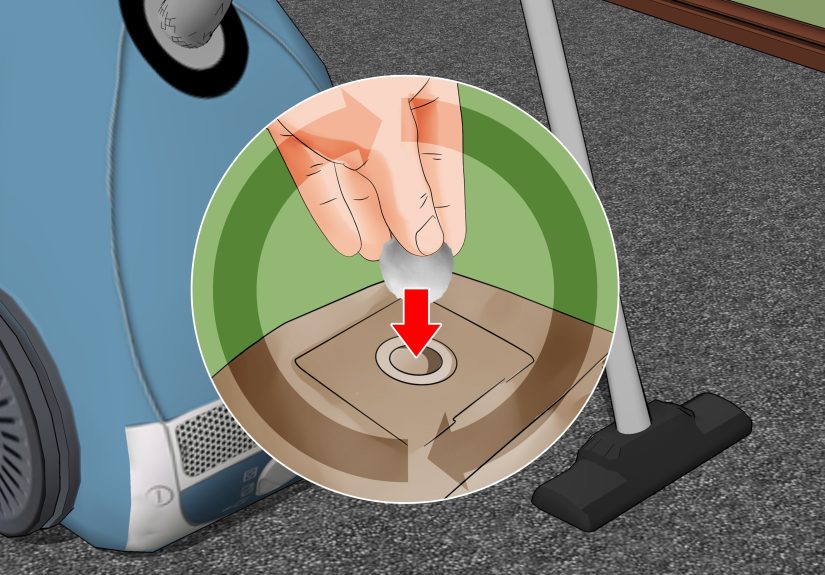
Start with a deep vacuuming session. That is not glamorous, but it matters. Vacuuming removes flea eggs, larvae food sources, and adult fleas, while also disturbing cocoons. After that, apply your peppermint-based indoor product exactly as the label directs. Let treated surfaces dry fully before pets re-enter the space, and ventilate the room if required.
If you are tempted to make your own ultra-concentrated peppermint oil spray, pause right there. “Natural” does not automatically mean “safe.” Peppermint essential oil in concentrated form can irritate skin, airways, and paws, and it can be risky if pets inhale it, lick it, or walk through it and groom themselves later.
What this method does best
Indoor peppermint-based products can help repel or kill exposed fleas on treated surfaces, especially in areas where fleas are active. They can also freshen up the house, which is a nice emotional bonus when you are on your third laundry cycle and starting to negotiate with the vacuum cleaner.
What this method does not do
It does not reliably wipe out every life stage by itself. Flea pupae are famously stubborn, and eggs can keep hatching after your first round of treatment. That is why repeat cleaning and follow-up matter so much.
Way 2: Use Peppermint Strategically in Outdoor Flea Zones
If your pet spends time outdoors, your yard may be quietly feeding the infestation. Fleas do not usually thrive in blazing, open sunlight. They prefer shady, protected, humid areas, which means the flea hot spots are often the exact parts of the yard your dog considers premium real estate.
Think under decks, around porches, near dog houses, under shrubs, beside foundations, and in leaf-litter corners where moisture sticks around.
How peppermint fits into yard treatment
You can use peppermint as part of an outdoor flea strategy by choosing a flea-control product labeled for outdoor use in pet-frequented areas that contains peppermint or related botanical ingredients. The goal is not to perfume the lawn like a holiday candle. The goal is to target shaded breeding zones where fleas are most likely to develop.
Before applying anything, do some physical cleanup first. Rake debris, remove leaf piles, trim overgrowth, and mow the lawn. Fleas like cover and humidity. Your job is to make the yard less comfortable for them and more annoying, like a hotel with no snacks and terrible Wi-Fi.
Where to focus
Do not waste effort spraying wide sunny areas that rarely hold fleas. Focus on the places where your pets lie down, roll around, or patrol repeatedly. Those are the zones most likely to support flea development and reinfest the house.
Safety rules that matter
Never assume that because a peppermint product is sold online it is automatically appropriate for every pet or every surface. Read the label for species warnings, age limits, re-entry timing, and area restrictions. If you have cats, small mammals, birds, or a pet that licks everything like it is auditioning for a cleaning commercial, be extra cautious.
This outdoor use of peppermint can help reduce flea pressure, but it works best when paired with treatment on the pet and cleanup indoors. Otherwise, you are basically mopping one corner of the ship while the rest of the boat keeps leaking.
Way 3: Use Peppermint as a Prevention Tool After You Break the Infestation
The third and arguably smartest way to use peppermint is in the prevention phase. Once the flea population is knocked down with proper pet treatment, home cleaning, and environmental control, peppermint may help as part of a maintenance routine that makes the space less welcoming to fleas.
What prevention looks like in real life
After the initial flea fight, keep up a regular routine:
Vacuum frequently, wash pet bedding in hot water, clean fabric zones where your pet rests, comb your pet regularly, and continue veterinarian-guided flea prevention on every pet in the household. Then, if you want to keep peppermint in the mix, use labeled peppermint-based home products in problem areas or seasonal hot spots where fleas have appeared before.
Why this phase matters
Many people think the problem is over when they stop seeing adult fleas. Unfortunately, fleas are masters of the delayed encore. Eggs and pupae can keep the cycle going, so prevention is not overkill. It is how you stop doing this whole routine again in two weeks while muttering at the baseboards.
The smartest peppermint mindset
Use peppermint to support consistency, not to replace proven prevention. If your pet has a veterinarian-recommended flea control plan and your home is being cleaned regularly, peppermint can be a useful extra layer in certain products and places. If you skip the pet treatment and rely on mint alone, the fleas will likely treat that as a polite suggestion.
Common Mistakes to Avoid
Putting peppermint oil directly on pets
This is the biggest mistake. Concentrated essential oils can be risky for pets, especially cats. Even dogs can react poorly if the oil is too strong, applied too often, or inhaled in enclosed spaces. Direct-on-pet peppermint use should only happen if a veterinarian explicitly says a specific product is appropriate for your animal.
Using peppermint diffusers around pets
Diffusers sound relaxing for humans, but airborne oils can bother pets. A room that smells like a spa to you may smell like a chemical emergency to your cat. Diffusing peppermint around pets is not a recommended flea-control shortcut.
Ignoring the flea life cycle
If you do one cleaning session, one spray, and one dramatic speech about how the fleas are now gone, the fleas may disagree. Because eggs, larvae, and pupae develop off the animal, repeat care is essential.
Treating only one pet
In a multi-pet household, all pets need to be considered. Treating one dog while the cat remains untreated is a classic way to keep the flea merry-go-round spinning.
When Peppermint Is Not Enough
There are times when peppermint is simply too mild to carry the workload. If your pet has a heavy flea burden, flea allergy dermatitis, tapeworm issues, raw skin, or obvious discomfort, call your veterinarian. Likewise, if your house is still flea-active after repeated cleaning and home treatment, it may be time for stronger environmental control or a licensed pest professional.
That does not mean peppermint was useless. It just means peppermint has a lane, and that lane is “helpful supporting option,” not “single-handed flea demolisher.” Think backup dancer, not headliner.
The Best Real-World Routine
If you want the short version, here is the most realistic flea-control formula:
Treat the pet correctly. Clean the house thoroughly. Target outdoor hot spots. Repeat. Use peppermint carefully and strategically, not recklessly.
That combination gives you the best shot at breaking the flea life cycle without creating avoidable pet-safety issues. In other words, let peppermint join the team, but do not hand it the whole playbook.
Practical Experiences People Often Have With Peppermint and Flea Control
One of the most common experiences people report is disappointment when they expect peppermint to work instantly. Someone sprays a minty solution around the room, the house smells impressively fresh, and for a day or two it feels like progress. Then the scratching starts again. What happened? Usually, the visible adult fleas were only a tiny piece of the infestation. The eggs, larvae, and pupae were still sitting in carpets, furniture seams, or bedding, quietly preparing a comeback tour. This is why people often say peppermint “worked for a minute” but failed long term. In many cases, peppermint was never the main issue. The missing pieces were vacuuming, washing, treating all pets, and repeating the process.
Another common experience happens in homes with dogs that go in and out of the yard all day. Owners clean the inside carefully, maybe even use a peppermint-based indoor spray, but the dog keeps bringing fleas back in from the same shady patch under the deck or the same flower bed near the fence. The breakthrough usually comes when the outdoor environment is finally treated as part of the problem. Once the yard hot spots are cleaned up, leaf litter is removed, and those shaded pet-resting zones are addressed, the indoor flea pressure often drops fast. Peppermint may still be part of the routine, but the real lesson is that fleas do not respect walls. They move with the pet.
Cat households often learn a different lesson: safety matters more than trendiness. A lot of people discover peppermint through “natural flea remedy” posts and assume that because peppermint comes from a plant, it must be gentle. Then they start reading veterinary warnings and realize that concentrated essential oils can be a bad idea around cats. That experience tends to shift people from DIY enthusiasm to a more cautious approach. Instead of applying peppermint directly, they may reserve it for carefully chosen home products, or skip it entirely and focus on vet-approved prevention plus obsessive laundry habits. Not glamorous, but very effective.
There is also the experience of overcorrecting. After spotting fleas, some people throw everything at the house at once: sprays, powders, shampoos, collars, diffusers, herbal sachets, and enough fragrance to make the living room smell like a candy cane exploded. This usually leads to confusion. When too many products are layered together, it becomes hard to know what helped, what irritated the pet, and what was simply expensive decoration. The better experience usually comes from simplifying the plan: one appropriate pet treatment, one solid home-cleaning routine, one carefully chosen environmental product, and steady follow-through.
Finally, people who succeed long term usually come to the same conclusion: peppermint is most useful when expectations are realistic. It can fit into a flea-control routine, especially in certain labeled home or yard products, but consistency wins the war. The families who get ahead of fleas are not necessarily the ones with the fanciest “natural” trick. They are the ones who vacuum when they do not feel like it, wash bedding again, treat every pet, and follow up before the next wave hatches. Peppermint may make the process smell better and offer an extra edge in some settings, but discipline is what actually sends the fleas packing.
Conclusion
If you want to control fleas by using peppermint, the smartest move is to treat peppermint like a useful assistant, not a miracle cure. Use it in properly labeled indoor products, apply it strategically in outdoor flea zones, and keep it in your prevention routine after the infestation is under control. At the same time, protect your pets by avoiding concentrated direct-on-pet peppermint oil unless your veterinarian specifically approves a product. Flea control is a system, not a scent. Once you understand that, peppermint becomes a much more helpful tool.