Table of Contents >> Show >> Hide
- Why Kids Cry Over “Nothing” (Spoiler: It’s Not Nothing to Them)
- 30 Hilariously “Stupid” Reasons Kids Cried (As Reported by Parents Everywhere)
- What These Meltdowns Are Really About
- How to Handle the Next “Banana Broke” Emergency
- Conclusion: Kids Cry Because They’re Human (Just Smaller and Louder)
- Extra : The Shared Experience of “Ridiculous Crying” (And Why It’s Weirdly Reassuring)
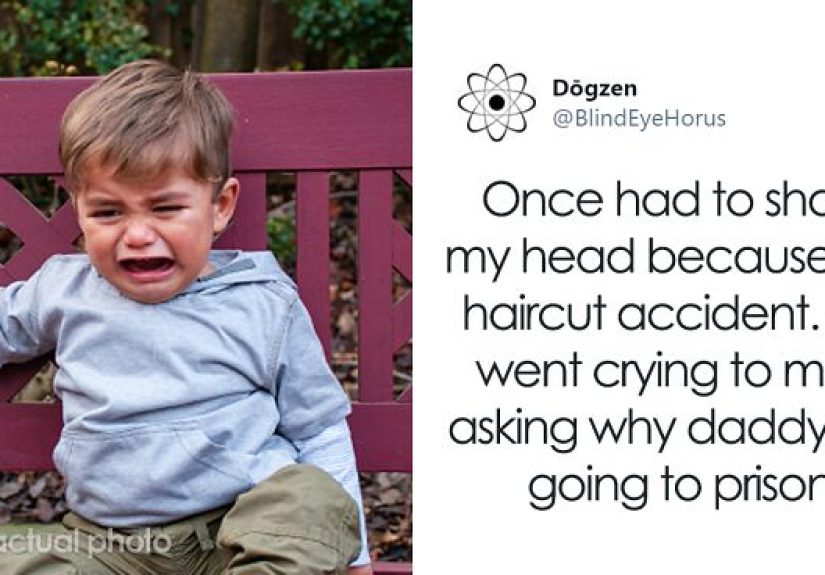
Parenting is basically a long-running series called “Tiny Human, Big Emotions”. One minute your kid is hugging the dog like a Disney princess. The next minute they’re sobbing like they just watched the ending of a tragic romance… because you peeled their banana “wrong.”
If you’ve ever stood in your kitchen whispering, “It’s just a sandwich,” while your child mourns the fact that the sandwich is, indeed, a sandwichwelcome. Today’s mission: laugh (gently), learn (a little), and feel less alone (a lot) as we break down the most hilariously ridiculous reasons kids cry, plus what’s actually happening under the hood of those dramatic little feelings.
Why Kids Cry Over “Nothing” (Spoiler: It’s Not Nothing to Them)
To adults, many kid-meltdowns look like comedy. To kids, they’re real emotional emergenciesbecause their brains are still building the skills that help humans pause, plan, and regulate feelings. Executive function and self-regulation develop over time, and young children often need adults to “co-regulate” until those skills strengthen. In other words: your toddler isn’t trying to be a tiny villain. They’re trying to be a person. It’s a complicated upgrade.
Tantrums and intense crying are especially common in the toddler years, when kids want independence but don’t have the language, patience, or impulse control to match their big desires. That mismatch can create frustration fastparticularly when they’re tired, hungry, uncomfortable, overstimulated, or asked to transition from something fun to something boring (like leaving the playground, wearing pants, or acknowledging the laws of time).
Here’s the parenting paradox: the trigger might be “I can’t put my shoes on my hands,” but the underlying drivers are often predictablefatigue, sensory overload, lack of control, limited communication, or an unmet need. That’s why many experts recommend calm responses, consistent boundaries, validating feelings (without rewarding the tantrum), and offering simple choices to reduce power struggles.
30 Hilariously “Stupid” Reasons Kids Cried (As Reported by Parents Everywhere)
These are original, paraphrased, real-life-style examples inspired by the kinds of stories parents commonly share. The details may vary, but the vibe is universal: kids will cry about anything.
- The banana broke in half. “You’d think I snapped the Moon in two.”
- I gave them the “wrong” cup. Same cup as yesterday. Different timeline, apparently.
- They asked for toast, then remembered they hate toast. Tragic character development.
- I cut the sandwich. They wanted it uncut. Or cut. Or not a sandwich. Please don’t ask questions.
- Their sock “felt mean.” Not itchy. Not tight. Just emotionally hostile.
- I opened the snack they demanded I open. They wanted to open it themselves… after requesting my hands.
- The TV show ended. A betrayal on par with ancient mythology.
- I wouldn’t let them lick the shopping cart. “But it’s my cart.” Sure, sweetie.
- Their cracker had a crack. The irony did not improve the situation.
- I put the “blue” shirt on them. It’s blue. They agree it’s blue. They are furious it’s blue.
- I wouldn’t let them wear shoes on the wrong feet… on purpose. Freedom matters.
- The dog walked away mid-hug. How dare the dog have autonomy.
- I gave them exactly three strawberries. They wanted “three,” but also wanted “more three.”
- Their ice melted. A scientific injustice.
- I pressed the elevator button. Apparently that’s their job and I stole their career.
- They couldn’t climb into the car seat while already sitting in it. Physics is a scam.
- I wouldn’t let them eat the decorative candle. “But it smells like cake.” True. Still no.
- Their pants had “too much pants.” Minimalism is a lifestyle.
- I gave them what they asked fortoo fast. The surprise ruined everything.
- Their sibling looked at them. Not touched. Not spoken to. Just… observed.
- I put their blanket in the wash. Cleanliness is an attack.
- The sun was “too bright.” Complaint filed with customer service (me).
- I said we can’t go to Grandma’s “right now.” “Now” is the only acceptable calendar.
- I peeled the orange. They wanted to peel it. With their mind, maybe.
- The cereal got soggy. Time once again doing what time does.
- I wouldn’t let them bring a rock to bed. It had “a bedtime story inside it.” I was unmoved.
- Their toy’s face looked “sad.” It’s a truck. Trucks have no feelings. Don’t tell them I said that.
- I handed them the “wrong” spoon. It was the same spoon. But the energy was off.
- I wouldn’t let them press “delete” on my laptop. They were ready to contribute to household operations.
- I wouldn’t let them eat dinner in the bathtub. They argued it was “more delicious” there.
What These Meltdowns Are Really About
Under the silliness, there’s often a surprisingly reasonable story:
1) Control (or the Lack of It)
Little kids have very little power. Offering safe, limited choices (“red cup or blue cup?”) can lower the pressure because it gives them a sense of agency without turning your home into a tiny democracy where everyone votes on toothbrushing.
2) Communication Gaps
Kids feel big things long before they can explain them. Crying is sometimes the only tool they have that truly works at full volume. Building emotional vocabulary (“You’re mad,” “You’re disappointed,” “You really wanted to do it yourself”) helps over time.
3) Body Stuff: Hunger, Tiredness, Overstimulation
Many tantrums are less about the cracker and more about the fact that your kid is running on three hours of sleep and half a cheese stick. When kids are tired or hungry, their tolerance for frustration drops fast. That’s why routine snacks, rest, and calm transitions can feel like parenting “cheat codes.”
4) Brain Development in Progress
Emotion regulation depends on brain networks that mature over childhood and adolescence. Young kids often need your calm presence to “borrow” regulation. That’s not coddlingit’s coaching. Over time, they internalize what you model.
How to Handle the Next “Banana Broke” Emergency
You don’t need perfect scripts. You need a handful of reliable moves you can reach for when your patience is hanging by a single thread.
Stay Calm (or at Least Look Calm)
Kids take cues from you. If you escalate, they often escalate. A calm tone, a steady face, and slower movements signal “safe,” even when your internal monologue is a full caps-lock email.
Validate the Feeling, Hold the Boundary
Validation is not the same as giving in. Try: “You really wanted the unbroken banana. That’s upsetting.” Then: “We’re still not eating candles.” Kids feel seen, and the rule stays firm.
Offer Two Choices (Not Twenty)
Too many options can overwhelm kids. Keep it simple: “Do you want to hold the banana pieces, or should I?” “Blue cup or green cup?” This can prevent a power struggle from turning into a full Broadway production.
Use Redirection When It’s Early
When you catch frustration rising, a quick pivot can help: a silly question, a new task (“Can you help me find the biggest spoon?”), or moving to a different spot. Think of it as gently changing the channel before the emotional show reaches the season finale.
Don’t Accidentally Reward the Tantrum
If screaming reliably produces the desired snack/toy/phone, your child’s brain learns “this works.” Praise calming down, reinforce positive behavior, and avoid turning “crying louder” into the shortcut to victory.
Know When to Seek Extra Support
Most tantrums are normal, especially in toddlers. But if your child’s outbursts are extreme, very frequent, or you’re worried about development or behavior, check in with a pediatrician or a qualified child mental health professional. Trust your gutasking for help is a power move.
Conclusion: Kids Cry Because They’re Human (Just Smaller and Louder)
“Stupid” reasons kids cry are funny because they’re relatableand because they shine a light on something tender: children are learning how to feel, communicate, and cope. The cracker crack is rarely the whole story. With calm boundaries, empathy, and a little strategic snack distribution, these moments become less about “stopping the crying” and more about teaching your kid what to do with big feelings.
And on the days when none of that works? Congratulations. You’re still parenting in the real world. Someone has to.
Extra : The Shared Experience of “Ridiculous Crying” (And Why It’s Weirdly Reassuring)
There’s a special kind of community that forms when you’ve witnessed a child cry because you handed them the object they asked for. It’s not a club anyone signs up for, yet somehow the membership is enormous. Parents swap these stories because they’re funny, yesbut also because they’re a pressure valve. When you’ve spent ten minutes negotiating peace between your toddler and a sock seam, laughing later is a way to recover.
Many caregivers notice patterns: the “stupid crying” spikes right before meals, late afternoon, and any time you attempt a transition. The moment you say, “Okay, time to go,” your child suddenly realizes they have 47 urgent, emotional goalstouch that one leaf, say goodbye to the slide, re-enter the slide, say goodbye again, and then cry because you said goodbye in the wrong tone. These moments can feel personal in the moment, but they’re usually about the child’s nervous system, not your parenting resume.
One of the most common experiences parents describe is the “do it myself” storm. Your kid wants independence, but their hands haven’t gotten the memo. They insist on opening the granola bar, can’t open it, refuse help, ask for help, then cry because you helped. In that loop, it’s tempting to feel like you’re failing. But what’s really happening is practice: your child is learning autonomy, frustration tolerance, and problem-solvingmessy, loud practice.
Another shared experience is the “illusion of fairness.” If you give one sibling a cup, the other needs a cup. If you give both cups, someone needs the “other” cup. If you switch cups, now the cups are “wrong,” and you are the villain who ruined cups forever. It helps to remember that fairness is a sophisticated concept. Kids often interpret “equal” as “exactly what I want right now,” which is… not how society works, but honestly, it would be neat.
Over time, many parents find that the most useful shift is internal: moving from “How do I stop this?” to “What is my kid trying to tell me?” Sometimes the answer is simplehungry, tired, overwhelmed. Sometimes the answer is emotionaldisappointed, jealous, anxious about change. When you respond with calm and a few consistent phrases, you’re not just managing a moment; you’re teaching a life skill. And that’s the quiet win hiding behind the loud tears.
Of course, you’re still allowed to laugh (later), vent to a friend (politely), and eat your own emergency snack (immediately). Parenting is hard. If the price of admission is occasionally comforting someone who is grieving the existence of pants, you deserve a trophy. Or at least a hot cup of coffee that stays hot.