Table of Contents >> Show >> Hide
- How We Chose the Best Faucet Water Filters
- The 7 Best Faucet Water Filters for High-Quality H20
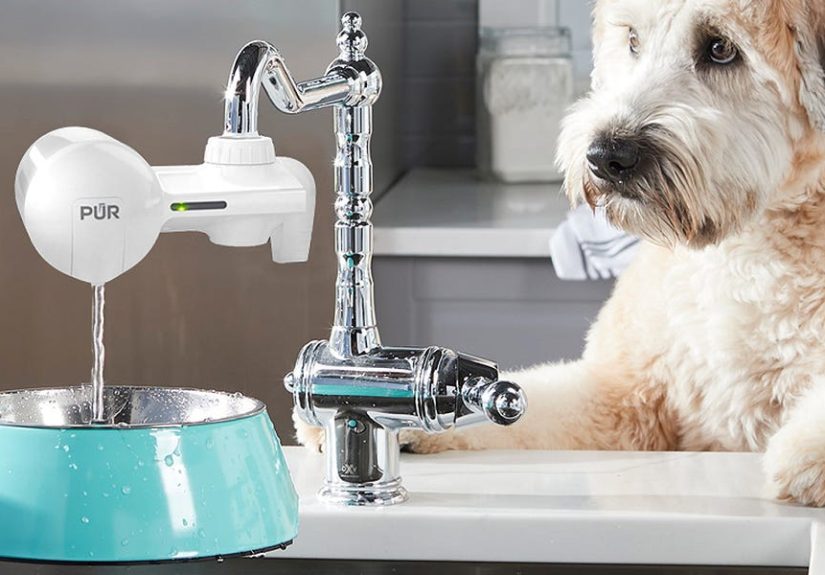
- 1. PUR PLUS Faucet Filtration System Best Overall Faucet Water Filter
- 2. Brita Elite Advanced Faucet Water Filter System Best for Everyday Convenience
- 3. Culligan FM-25 Faucet Mount Filter Best Budget Pick
- 4. Waterdrop WD-FC-01 Faucet Water Filter Best Long-Life Filter for Chlorine Taste
- 5. Instapure F5 Complete Faucet Filter System Best Classic Tap Filter Design
- 6. Mist Stainless Steel Activated Carbon Fiber Faucet Filter Best Stainless Steel Design
- 7. Engdenton Stainless Steel Faucet Water Filter Best High-Flow Option
- Comparison Table: Best Faucet Water Filters
- How to Choose the Right Faucet Water Filter
- Faucet Water Filter Experience: What It Is Really Like to Use One Every Day
- Final Verdict
Tap water is one of those everyday miracles we barely appreciate until it tastes like a swimming pool, smells faintly metallic, or leaves you wondering whether your apartment’s pipes were installed during the era of rotary phones. That is where a good faucet water filter earns its tiny spot next to your sink. It is not glamorous. It will not make espresso, fold laundry, or tell your houseplants they are doing great. But it can make your drinking water taste cleaner, reduce selected contaminants, and help you cut back on bottled water without turning your kitchen into a full laboratory.
The best faucet water filters are easy to install, affordable to maintain, and backed by real certifications rather than dramatic packaging promises. A faucet-mounted water filter attaches directly to a standard kitchen faucet and lets you switch between filtered and unfiltered water. That means you can use filtered water for drinking, coffee, tea, rice, pasta, baby formula preparation when appropriate, and pet bowls, while saving unfiltered water for dishes and general washing.
But not all tap water filters do the same job. Some mainly improve taste and odor by reducing chlorine. Others are certified to reduce health-related contaminants such as lead, mercury, cysts, or volatile organic compounds. The smartest purchase starts with your water report, your faucet type, and the specific contaminants you want to reduce. Translation: do not buy the shiniest filter just because the box looks like it was designed by a hydration superhero.
How We Chose the Best Faucet Water Filters
This guide synthesizes current product specifications, certification guidance from water-quality organizations, manufacturer data, and U.S. product testing coverage. The goal is not to crown the fanciest gadget. It is to help real households choose a faucet filter that makes sense for taste, contaminant reduction, filter life, installation, and long-term cost.
What matters most
- Certification: NSF/ANSI 42 usually covers aesthetic improvements such as chlorine taste and odor. NSF/ANSI 53 covers certain health-related contaminants, including lead when specifically certified for it. NSF/ANSI 401 may apply to emerging contaminants. NSF/ANSI 372 verifies lead-free materials but does not mean the filter reduces lead in water.
- Filter life: Most faucet filters last about 100 to 320 gallons, depending on the model and local water quality.
- Flow rate: A slow filter can turn filling a pasta pot into a character-building exercise.
- Compatibility: Most faucet-mounted filters fit standard faucets, but they usually do not work with pull-out, pull-down, spray-style, or sensor faucets.
- Replacement cost: A cheap unit with expensive cartridges can become the printer ink of your kitchen.
The 7 Best Faucet Water Filters for High-Quality H20
1. PUR PLUS Faucet Filtration System Best Overall Faucet Water Filter
The PUR PLUS Faucet Filtration System is one of the strongest all-around choices for households that want more than better-tasting water. PUR faucet systems are widely known for being certified to reduce a broad list of contaminants, including lead and mercury, when used with genuine PUR filters. The system also uses PUR’s Mineral Core filtration approach, which filters water over natural minerals to improve taste.
For families living in older homes, apartments with aging plumbing, or neighborhoods where lead service lines are a concern, the PUR PLUS is a practical first look. Its filter life is typically up to 100 gallons or about three months, and many models include a filter-change light that removes the guesswork. That little indicator is helpful because most of us are wildly optimistic about remembering maintenance dates. We think we will remember. We will not.
Best for: Homes that want certified reduction for lead and several other common contaminants.
Keep in mind: It is bulkier than some competitors, and replacement filters should be genuine PUR cartridges to maintain certified performance.
2. Brita Elite Advanced Faucet Water Filter System Best for Everyday Convenience
Brita is practically the household name of filtered water, and the Brita Elite Advanced Faucet Water Filter System keeps the appeal simple: attach it, switch modes, and pour. Brita faucet filters are commonly rated for up to 100 gallons, and the Elite faucet system is designed to reduce chlorine taste and odor, lead, benzene, asbestos, and trichloroethylene from tap water.
The biggest strength here is user-friendliness. The design is compact enough for many kitchens, the filter indicator is easy to understand, and replacement cartridges are widely available. The Brita faucet filter also has multiple spray options on many models, which makes it convenient when switching between drinking water and regular sink tasks.
For many households, Brita is the “just make my water taste good and make maintenance easy” pick. It is not trying to be a whole-house filtration plant in a plastic jacket. It is trying to make your daily glass of water, coffee, or oatmeal taste less like city pool nostalgia.
Best for: Busy households that want a familiar brand, easy replacement filters, and simple operation.
Keep in mind: Like most faucet filters, it is not compatible with pull-out or spray faucets.
3. Culligan FM-25 Faucet Mount Filter Best Budget Pick
The Culligan FM-25 is a great choice for shoppers who want solid filtration without treating the kitchen sink like a luxury showroom. This chrome faucet-mounted filter is compact, generally affordable, and known for reducing chlorine taste and odor, sediment, turbidity, lead, atrazine, and lindane when used with the appropriate Culligan cartridge.
One reason the Culligan FM-25 remains popular is its 200-gallon filter capacity. That is longer than many 100-gallon faucet filters, although actual lifespan depends on your water quality and usage. It uses a diverter tab so you can switch between filtered and unfiltered water, helping the cartridge last longer.
This model is especially appealing if you want a faucet water filter for drinking and cooking but do not want to spend under-sink-system money. It is not the most futuristic-looking device, but it does the job, and sometimes “does the job” is exactly what a kitchen needs.
Best for: Value-focused buyers who still want meaningful contaminant reduction claims.
Keep in mind: The design is basic, and it lacks the electronic filter-life indicators found on some competitors.
4. Waterdrop WD-FC-01 Faucet Water Filter Best Long-Life Filter for Chlorine Taste
The Waterdrop WD-FC-01 stands out for filter longevity. With a rated capacity of up to 320 gallons, it can last longer than many standard faucet filters. It is certified under NSF/ANSI 42 for reducing chlorine taste and odor and NSF/ANSI 372 for lead-free materials. That distinction matters: NSF/ANSI 372 means the materials are lead-free, not that the filter is certified to reduce lead already present in your water.
Waterdrop is a strong pick when your main complaint is taste. If your municipal water is safe but smells like it trained for the Olympics in a chlorine pool, this kind of activated carbon faucet filter can make a noticeable difference. It is also a good fit for households that do not want to replace cartridges every time the calendar blinks.
The system installs without complicated plumbing, and the longer filter life can make it cost-effective over time. Just be sure to check faucet compatibility carefully before buying.
Best for: Improving taste and odor with a long-lasting cartridge.
Keep in mind: Do not choose it as your primary lead-reduction solution unless the specific cartridge has the certification you need.
5. Instapure F5 Complete Faucet Filter System Best Classic Tap Filter Design
Instapure has been associated with tap filtration for decades, and the F5 Complete Faucet Filter System is a good option for people who prefer a traditional, straightforward design. The F5 line is commonly described as using coconut carbon filtration and is known for models tested or certified for chlorine reduction, lead reduction, and cyst reduction, depending on the exact cartridge and regional version.
The F5 is not trying to win a beauty contest against modern stainless steel cylinders. Its appeal is history, simplicity, and function. It attaches to the faucet, provides filtered water on demand, and typically offers a 200-gallon capacity. That puts it in a useful middle ground between 100-gallon systems and longer-life chlorine-focused options.
If you are shopping for Instapure, pay close attention to the exact model number and certification claims. The F2, F5, and F7 versions are not identical. Choosing the correct filter cartridge matters because certification applies to specific systems and cartridges, not a brand name in general.
Best for: Buyers who want a classic faucet filter with a long track record.
Keep in mind: Verify the exact certification for the exact model and replacement cartridge before purchase.
6. Mist Stainless Steel Activated Carbon Fiber Faucet Filter Best Stainless Steel Design
The Mist Stainless Steel Activated Carbon Fiber Faucet Filtration System is a good-looking option for people who want something more durable than plastic. It is commonly listed with NSF/ANSI 42 certification for chlorine taste and odor reduction and NSF/ANSI 372 certification for lead-free materials. It also offers a long rated capacity of up to 320 gallons and a fast advertised flow rate.
The stainless steel housing is the main attraction. Plastic faucet filters are light and affordable, but they can feel flimsy, especially in busy kitchens where elbows, pans, and mysterious late-night snack missions all collide around the sink. A stainless steel body can feel sturdier and more premium.
This model is best for households primarily focused on taste, odor, and sediment improvement rather than broad health-contaminant reduction. It can also be a nice choice for renters who want a no-plumbing upgrade that looks more polished than the typical white plastic attachment.
Best for: People who want a durable, attractive faucet filter for better-tasting water.
Keep in mind: NSF/ANSI 372 is about lead-free materials, not lead removal from water.
7. Engdenton Stainless Steel Faucet Water Filter Best High-Flow Option
The Engdenton Stainless Steel Faucet Water Filter is another popular stainless steel option, especially among shoppers who care about flow rate. It uses activated carbon fiber filtration and is typically promoted for reducing chlorine, dirt, rust, sand, and unpleasant taste. Many listings describe a 320-gallon or multi-month filter life, which is attractive for households that drink a lot of tap water.
Its biggest advantage is speed. Some faucet filters slow water to a polite trickle, as if every glass requires a meditation session. Engdenton’s design is often chosen by people who want filtered water without waiting forever. The 360-degree rotation also makes it easier to use at different sink angles.
This is a good choice for improving taste and convenience, but it is not the first recommendation for homes that specifically need certified lead, PFAS, or VOC reduction. As with any filter, the details matter more than the brand name. Check the latest certification documents and cartridge information before relying on it for health-related contaminant reduction.
Best for: Fast flow, stainless steel construction, and everyday taste improvement.
Keep in mind: Certification and contaminant-reduction claims vary by listing, so verify before buying.
Comparison Table: Best Faucet Water Filters
| Filter | Best For | Typical Filter Life | Key Strength |
|---|---|---|---|
| PUR PLUS Faucet Filtration System | Overall contaminant reduction | Up to 100 gallons or 3 months | Certified reduction for lead and many contaminants |
| Brita Elite Advanced Faucet System | Convenience and availability | Up to 100 gallons or about 4 months | Easy installation and familiar replacement filters |
| Culligan FM-25 | Budget value | Up to 200 gallons | Compact design with strong value |
| Waterdrop WD-FC-01 | Long-life chlorine reduction | Up to 320 gallons | Great taste improvement and long cartridge life |
| Instapure F5 Complete | Classic tap filtration | Up to 200 gallons | Long-running faucet-filter design |
| Mist Stainless Steel Faucet Filter | Durable design | Up to 320 gallons | Stainless steel housing and clean taste |
| Engdenton Stainless Steel Faucet Filter | High flow | Up to 320 gallons | Fast filtration and stainless steel build |
How to Choose the Right Faucet Water Filter
Start with your water quality report
If you use municipal water in the United States, your local utility typically publishes an annual Consumer Confidence Report. This report can tell you what is known about your water supply before it reaches your home. However, it may not reveal what happens inside your plumbing. Older pipes, fixtures, or service lines can introduce lead or other metals after the water leaves the utility.
If you use well water, testing is even more important. A standard faucet carbon filter is usually not enough for bacteria, nitrates, arsenic, or serious well-water problems. In those cases, you may need a more robust under-sink system, reverse osmosis, ultraviolet treatment, or a whole-house solution.
Match certification to the contaminant
A filter certified for chlorine taste and odor is not automatically certified for lead. A lead-free material certification is not the same thing as lead reduction. A filter that improves taste may be excellent for coffee and ice cubes but not appropriate for a known health-related contamination issue.
Look for exact language. “Certified to NSF/ANSI 53 for lead reduction” is much more meaningful than “removes impurities.” The word “impurities” is doing a lot of unpaid marketing labor.
Think about faucet compatibility
Most faucet-mounted water filters attach to standard round faucets after you remove the aerator. They usually include adapters, but adapters are not magic. Pull-out faucets, pull-down sprayers, handheld designs, square faucets, and sensor faucets are usually incompatible. Before buying, compare your faucet shape with the manufacturer’s compatibility images.
Consider long-term maintenance
The filter you actually replace on time is better than the super-filter you forget about for a year. Old cartridges can clog, slow down, and lose effectiveness. If your household drinks a lot of water, cooks daily, or fills large bottles, a 320-gallon filter may be more convenient. If you want stronger certified contaminant reduction, a 100-gallon filter from PUR or Brita may still be the better choice.
Faucet Water Filter Experience: What It Is Really Like to Use One Every Day
Using a faucet water filter sounds simple because it is simple, but the little day-to-day details decide whether you love it or quietly resent it while making coffee. The first thing most people notice is taste. Chlorine-heavy tap water can flatten coffee, give tea a sharp edge, and make plain water feel less refreshing. After installing a decent faucet filter, the difference is often most obvious in cold water and ice. Ice made with filtered water tends to smell cleaner, which matters because nobody wants a beautiful glass of lemonade haunted by freezer ghosts and municipal disinfectant.
The second experience is speed. A faucet filter changes the rhythm of the sink. With some models, filling a glass is quick and painless. With others, filling a large pot can feel slow enough to make you question your dinner plans. That is why the diverter switch matters. Use filtered water only when you need it. Do not waste cartridge life rinsing plates, washing lettuce for a crowd, or filling a mop bucket. Your filter is not auditioning for every water-related task in the house.
Installation is usually easier than expected. Most faucet filters screw on after removing the existing aerator. The first five minutes may involve staring at tiny adapters like you are decoding ancient plumbing jewelry, but once the right adapter is found, the process is usually tool-free. The most common mistake is overtightening. If you crank the filter onto the faucet like you are sealing a submarine hatch, you may damage threads or cause leaks. Snug is good. Heroic force is not.
Maintenance is where real life gets interesting. Filter indicators help, but households should still track approximate usage. A family of four may burn through a cartridge much faster than one person who drinks coffee at home and spends the rest of the day elsewhere. Water quality also matters. Sediment-heavy water can clog filters early, reducing flow. If your once-speedy filter starts acting like it is pouring through a paper straw, it may be time for a replacement even if the calendar says otherwise.
One underrated benefit is reduced bottled-water clutter. A faucet filter will not solve every environmental issue, but it can dramatically cut the number of plastic bottles rolling around car floors, office bags, and recycling bins. It also makes hydration easier. When better-tasting water is always available at the sink, people tend to drink more of it. The best filter is the one that quietly improves daily habits without demanding a lifestyle documentary about your journey to wellness.
There are limits, of course. A faucet filter is not a cure-all. It will not desalinate seawater, fix unsafe well water by itself, or remove every possible contaminant. If your water has a known serious issue, test it and choose a certified system designed for that exact problem. But for many households with treated municipal water, a faucet-mounted filter is one of the easiest upgrades you can make: small device, big improvement, no basement plumbing adventure required.
Final Verdict
The best faucet water filter depends on what you need most. For broad contaminant reduction, the PUR PLUS Faucet Filtration System is the strongest overall recommendation. For easy everyday use, Brita Elite Advanced is a reliable and widely available choice. For budget value, Culligan FM-25 is hard to ignore. For long cartridge life and taste improvement, Waterdrop, Mist, and Engdenton are strong contenders, while Instapure F5 offers a classic tap-filter design with a long history.
The smartest rule is simple: buy for your water, not for the most dramatic packaging claim. Check your local water report, confirm your faucet type, match certifications to your concerns, and replace cartridges on schedule. Do that, and your humble faucet filter can turn ordinary tap water into cleaner-tasting, more enjoyable H2O without making your wallet cry into the sink.