Table of Contents >> Show >> Hide
- What Makes a Great Gift for Kids?
- The Ultimate List of the Best Gifts for Kids
- 1. Building Toys That Never Really Go Out of Style
- 2. Arts and Crafts Gifts for Creative Kids
- 3. Pretend-Play Gifts That Turn the Living Room Into Another Planet
- 4. Books That Feel Like Gifts, Not Homework
- 5. Outdoor and Active Gifts for Kids Who Do Not Sit Still
- 6. STEM Gifts That Make Learning Sneaky
- 7. Sensory and Calming Gifts for Relaxed, Focused Play
- 8. Plush, Comfort, and Cozy Gifts
- 9. Music and Performance Gifts for Little Entertainers
- 10. Board Games and Family Games That Get Everyone Involved
- 11. Kid-Friendly Tech Gifts That Are Actually Worth It
- 12. Experience Gifts That Create Better Memories Than Another Plastic Dinosaur
- Best Gifts for Kids by Age
- How to Choose the Right Gift Without Guessing
- Common Mistakes to Avoid When Buying Gifts for Kids
- Real-Life Gift Experiences: What Actually Makes Kids Light Up
- Conclusion
Shopping for kids sounds easy until you actually try it. Then suddenly you are standing in front of a wall of toys, blinking like a confused raccoon, wondering whether a glitter slime lab is genius or a direct threat to your carpet. The good news is that the best gifts for kids are not necessarily the biggest, loudest, or most expensive. The real winners are gifts that match a child’s age, interests, and attention span while leaving room for curiosity, movement, creativity, and plain old fun.
If you are looking for the best gifts for kids, this guide is designed to make your life easier. Instead of tossing random toy names into the air and hoping one lands, this article breaks down the smartest gift ideas for kids by category, age, and real-life usefulness. From building toys and books to STEM kits, outdoor gear, pretend-play sets, and memorable experience gifts, this is the kind of kids gift guide that helps you choose something exciting without buying something that will be ignored by next Thursday.
What Makes a Great Gift for Kids?
The best gift ideas for kids usually check a few boxes. They are age-appropriate, safe, engaging, and flexible enough to be used more than once. A strong gift does not just create one dramatic unboxing moment. It keeps giving after the wrapping paper has lost its job.
That is why the best toys for kids often fall into a few dependable categories: open-ended building toys, arts and crafts supplies, pretend-play sets, books, movement-based gifts, science kits, sensory toys, and carefully chosen tech. Experience gifts also deserve a standing ovation. Sometimes a museum membership or a zoo pass beats another plastic thing with 400 pieces and no storage plan.
The Ultimate List of the Best Gifts for Kids
1. Building Toys That Never Really Go Out of Style
If you want a safe bet, start here. Building toys are among the best gifts for kids because they work across multiple ages and grow with a child’s skills. Younger kids can stack, sort, and experiment. Older kids can design, problem-solve, and create complicated structures that look suspiciously better than some adult apartment layouts.
Great examples include LEGO sets, magnetic tiles, wooden blocks, marble runs, and chunky brick sets for toddlers. These gifts support imagination, fine motor skills, and patience. They also have strong replay value, which is a polite way of saying they are less likely to be abandoned after one weekend.
2. Arts and Crafts Gifts for Creative Kids
Art gifts are some of the best gifts for kids because they invite personal expression instead of telling kids exactly what to do. A child can turn a blank page, a bead kit, or a box of clay into something weird, wonderful, and occasionally unidentifiable. That is part of the magic.
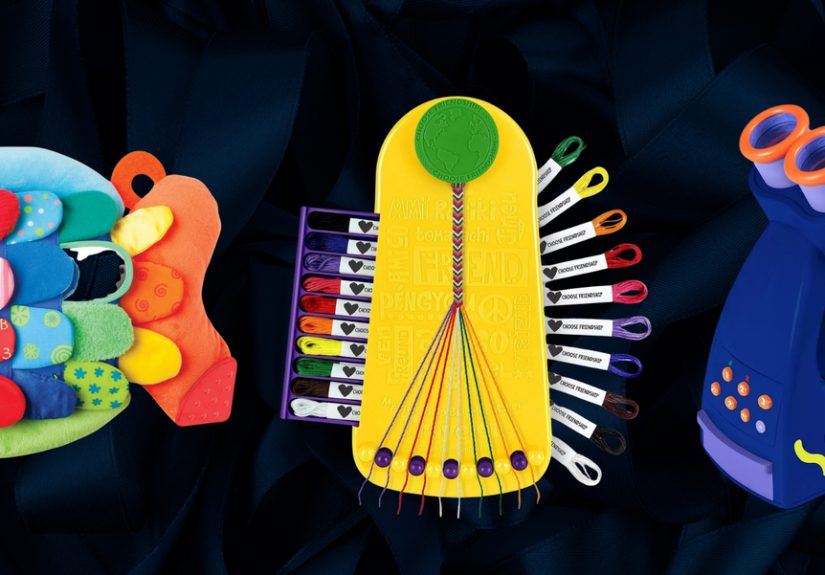
Top choices include washable markers, watercolor sets, sticker books, drawing tablets, friendship bracelet kits, origami kits, air-dry clay, sewing sets for beginners, and kid-friendly jewelry-making kits. For younger children, simple crayons, chunky paint brushes, and large-format coloring supplies are often more useful than complicated sets with 97 tiny pieces and a future in the vacuum cleaner.
3. Pretend-Play Gifts That Turn the Living Room Into Another Planet
Pretend play is where kids become chefs, astronauts, veterinarians, pirates, teachers, and highly dramatic grocery store cashiers. This kind of play builds storytelling, social skills, and emotional understanding, while also giving adults a front-row seat to how children see the world.
Some of the best gift ideas for kids in this category include play kitchens, doctor kits, dollhouses, dress-up trunks, tool benches, puppet sets, toy food, farm sets, and play cash registers. A pretend-play gift does not need flashing lights to be a hit. Often, the simplest role-play toys create the longest play sessions.
4. Books That Feel Like Gifts, Not Homework
Books remain one of the most underrated gifts for kids. A well-chosen book can become a bedtime ritual, a favorite comfort object, or the start of a lifelong reading habit. That is not a bad return on investment for something that does not need batteries.
Board books and touch-and-feel books work beautifully for babies and toddlers. Picture books are perfect for preschoolers. Early readers, graphic novels, joke books, activity books, and age-appropriate fantasy series are excellent for older kids. If you are unsure what to buy, a boxed set of beloved titles is one of the easiest ways to look thoughtful without pretending you have memorized every second-grade reading trend.
5. Outdoor and Active Gifts for Kids Who Do Not Sit Still
Some children were simply not designed to remain indoors for long. For them, the best gifts for kids are the ones that encourage movement. These gifts help burn energy, boost confidence, and make screen time a little easier to balance.
Consider scooters, balance bikes, beginner skateboards, jump ropes, basketball hoops, soccer goals, stepping stones, backyard obstacle courses, foam rocket launchers, gardening kits, or even a simple kite. These gifts are especially useful for kids who love action, adventure, and turning sidewalks into personal racetracks.
6. STEM Gifts That Make Learning Sneaky
Educational gifts for kids work best when they feel like play first and learning second. The ideal STEM gift does not shout, “You will now enjoy science!” It quietly lures a child into experimenting, building, testing, and asking questions on their own.
Strong options include robotics kits, beginner coding toys, microscope sets, chemistry kits designed for kids, circuit-building games, snap-together engineering kits, science experiment boxes, and crystal-growing kits. These are especially good choices for curious kids who enjoy figuring out how things work, taking things apart, or asking “why” with the persistence of a tiny investigative journalist.
7. Sensory and Calming Gifts for Relaxed, Focused Play
Sensory gifts are popular for a reason. They can help kids focus, self-soothe, and enjoy tactile play without needing an elaborate setup. Sensory toys can be useful for many children, including those who simply love textures, repetition, and hands-on exploration.
Popular picks include sensory bins, kinetic sand, squishy fidget toys, textured balls, weighted plush toys, putty, pop-it toys, and calming light projectors. The key is choosing age-appropriate items and avoiding anything with unsafe small parts for younger children.
8. Plush, Comfort, and Cozy Gifts
Not every great gift has to teach algebra or involve assembly. Sometimes the best gift for a child is a soft, lovable companion they drag from room to room like a tiny emotional support celebrity. Plush toys, personalized blankets, bedtime buddies, and soft robes can be big hits, especially for younger kids or children going through transitions.
This category works well for birthdays, holidays, hospital visits, sibling arrivals, or “I just wanted to bring you something sweet” moments. Cozy gifts may look simple, but they often become the most-used items in the house.
9. Music and Performance Gifts for Little Entertainers
If your child performs full concerts with a hairbrush microphone, this category is calling. Music gifts can support rhythm, coordination, confidence, and pure joyful chaos.
Think karaoke machines, beginner keyboards, ukuleles, dance mats, toy microphones, Bluetooth speakers for older kids, or simple percussion sets for little ones. Performance-themed gifts like magic kits, costume sets, and beginner theater games are also fantastic for expressive children who thrive in the spotlight.
10. Board Games and Family Games That Get Everyone Involved
Games are some of the best gifts for kids because they create interaction, not just entertainment. A good game can teach turn-taking, strategy, patience, and how to lose with dignity. Or at least with less dramatic floor rolling.
For younger kids, choose simple matching games, cooperative games, and fast-play options. For school-age children, look for classic card games, word games, mystery games, and family strategy games. Bonus points if the game is fun enough that adults do not secretly dread it.
11. Kid-Friendly Tech Gifts That Are Actually Worth It
Yes, tech gifts can absolutely belong on a list of the best gifts for kids. The trick is being selective. The best tech gifts for kids are creative, useful, and age-appropriate. They invite kids to make, learn, listen, build, or explore rather than just stare blankly into the digital void.
Good options include kid-safe tablets with parental controls, instant cameras, digital drawing pads, beginner coding devices, audiobook players, headphones designed for children, and kid-friendly smartwatches for older children. A tech gift should fit the child, not just the trend. Also, parents everywhere would appreciate it if the volume could be controlled by something other than prayer.
12. Experience Gifts That Create Better Memories Than Another Plastic Dinosaur
Experience gifts for kids deserve a place near the top of any serious gift list. Tickets, memberships, classes, and outings often create memories that last longer than physical toys. They also reduce clutter, which is a beautiful phrase in every language.
Excellent ideas include zoo memberships, aquarium passes, museum tickets, trampoline park visits, art classes, baking classes, horseback riding lessons, concert tickets, movie gift cards, mini-golf outings, and family camping gear paired with a weekend trip. These gifts are especially great for kids who already have plenty of stuff or for families trying to keep birthdays and holidays more meaningful.
Best Gifts for Kids by Age
Babies and Toddlers
For the youngest children, focus on simple, safe, hands-on gifts. Think rattles, sensory toys, stacking cups, push toys, shape sorters, soft books, play gyms, and chunky blocks. The best gifts for toddlers encourage exploration, movement, and repetition. If the toy lights up like a nightclub but does not let the child do much, it is probably less useful than a set of stacking cups and a cardboard box.
Preschoolers
Preschool-aged kids thrive on pretend play, early art, movement, and construction toys. Great gift ideas include dress-up sets, pretend kitchens, toy vehicles, beginner board games, craft supplies, building sets, puppets, and interactive books. This is a golden age for imagination, so gifts that invite open-ended play work especially well.
School-Age Kids
This group often enjoys a wider range of gift types, including LEGO sets, science kits, sports gear, chapter books, board games, art boxes, beginner robotics, and outdoor toys. The best gifts for kids in this age range usually combine fun with challenge. They want to feel capable, not babied.
Tweens
Tweens can be trickier, but not impossible. Great picks include advanced craft kits, journals, room décor, sports accessories, building kits with more complexity, instant cameras, headphones, graphic novels, coding kits, and experience gifts. Older kids often want gifts that feel more personal and less “little kid,” even if they still secretly love plush things and snacks shaped like dinosaurs.
How to Choose the Right Gift Without Guessing
When in doubt, ask yourself a few simple questions. What does the child already love? Do they build, draw, run, read, perform, or collect? How much room does the family have? Will this gift be used alone, with siblings, or with parents? Is it safe for the child’s actual developmental stage, not just the age printed on the invitation?
It also helps to think in categories instead of specific products. Instead of obsessing over the exact “best toy,” choose the best type of gift. A child who loves stories probably wants books, puppets, or pretend-play sets. A child who never stops moving may prefer outdoor gear or active games. A child who enjoys puzzles may light up over building sets, strategy games, or STEM kits.
Common Mistakes to Avoid When Buying Gifts for Kids
One common mistake is buying based on what looks impressive to adults rather than what feels engaging to kids. Another is choosing something too advanced. A gift that is “for when they are older” is often just a gift that sits in the closet judging everyone.
It is also smart to avoid toys with lots of tiny unsafe parts for younger children, and to be cautious with gifts that contain loose magnets or button batteries. Age labels matter. So does family sanity. If a toy requires 14 minutes of setup every single time, you may not be giving a gift. You may be assigning a weekend project.
Real-Life Gift Experiences: What Actually Makes Kids Light Up
One of the funniest truths about giving gifts to kids is that adults often imagine a cinematic moment while children live in a completely different reality. We picture the perfect grand reveal. They fall deeply in love with the box. Or the tissue paper. Or the ribbon. Humbling, yes. Useful, also yes. It reminds us that kids do not always measure a gift by price or prestige. They respond to freedom, novelty, comfort, and connection.
In real life, some of the most successful gifts are the ones that give kids something to do, not just something to own. A simple set of magnetic tiles can turn into castles, ramps, rocket ships, and “very important headquarters” for months. A scooter can become the reason a child suddenly begs to go outside. A craft box can rescue a rainy Saturday and save a parent from hearing “I’m bored” for the twentieth time before lunch.
Books are another gift category that quietly overperforms. A child may not scream with joy when opening a novel or boxed set, but the magic often happens later. Maybe it becomes the bedtime book they insist on every night. Maybe it is the first series they read under the covers with a flashlight. Maybe it is the gift that finally makes them say, “Can we get the next one?” That is not flashy, but it is powerful.
Experience gifts can be even more memorable. A zoo membership, baking class, skating lesson, or trip to a children’s museum often creates stories families repeat for years. Kids remember feeding giraffes, decorating cupcakes, or getting absolutely demolished at mini golf by an overly competitive aunt. Those moments stick because they are shared. They feel special long after the wrapping paper disappears.
There is also something to be said for gifts that match a child’s current obsession. If they are into dinosaurs, space, bugs, ballet, construction vehicles, or marine animals, leaning into that interest can make you look like a genius. Children love to feel seen. The right themed gift tells them, “I know what you are into, and I paid attention.” That emotional hit matters just as much as the object itself.
Another real-world lesson is that durability matters more than marketing. The best gifts for kids are often the ones that survive being dropped, dragged, chewed, rebuilt, spilled on, and occasionally blamed for things they clearly did not do. Parents appreciate gifts that hold up. Kids appreciate gifts they can use without a ten-step instruction manual.
And then there is the secret category of all-star gifts: the ones that invite connection. Board games, building sets, pretend-play toys, read-aloud books, and outdoor games often become family rituals. The gift becomes less about the item and more about what happens around it. Laughter at the table. A blanket fort in the living room. A backyard soccer match. A craft project taped proudly to the fridge like it belongs in a museum.
That is why the ultimate list of the best gifts for kids is not really about chasing the hottest thing on the shelf. It is about choosing something that fits the child’s world right now. Something they can enjoy with their hands, their imagination, their energy, or the people they love. That is the kind of gift kids remember, parents appreciate, and closets do not resent.
Conclusion
The best gifts for kids are the ones that meet children where they are and give them room to grow. Whether you choose a building set, a book collection, a science kit, an art box, an outdoor toy, a cozy plush, or an experience gift, the goal is the same: spark joy, encourage play, and make the child feel known. A great gift does not have to be enormous or expensive. It just has to be thoughtful, safe, and fun enough to earn a second round of play after the sugar rush wears off.