Table of Contents >> Show >> Hide
- Quick Facts (So You Know What You’re Getting Into)
- What 511 Porous Plus Is (and What It’s Not)
- Where It Makes the Most Sense
- How It Works (The Non-Boring Version)
- Surface Prep: The Step Everyone Wants to Skip (and Shouldn’t)
- How to Apply 511 Porous Plus (New Installations)
- How to Apply on Existing Surfaces (Restoration Mode)
- Dry Time, Cure Time, and “When Can I Walk on This?”
- Coverage: Why One Person’s Quart Is Another Person’s “I Need a Second Quart”
- Pros, Cons, and Who It’s For
- Common Mistakes (and How to Avoid Them)
- 511 Porous Plus vs. Other Sealers (How to Choose Wisely)
- Safety Notes (A.K.A. “Let’s Not Make This a Story You Tell at Parties”)
- FAQs
- Conclusion
Some home products promise the moon. This one promises something even better: fewer stains, less hassle, and tile/grout that doesn’t immediately
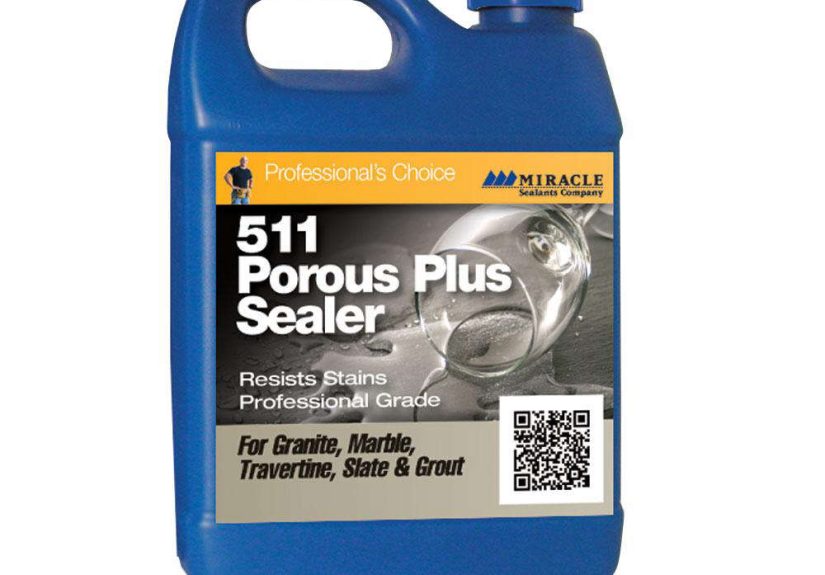
regret meeting your spaghetti sauce. Miracle Sealants 511 Porous Plus is a premium, solvent-based penetrating sealer made for the most porous stone, tile,
grout, and masonry surfacesthink travertine, limestone, Saltillo, textured slate, brick, and concrete. It soaks in, bonds below the surface, and helps block
water- and oil-based staining while still letting moisture vapor escape (because trapped moisture is the villain in a lot of “why is my stone doing that?” stories).
Quick Facts (So You Know What You’re Getting Into)
| Type | Penetrating/impregnating sealer (not a coating) |
|---|---|
| Finish | Natural look / no sheen (when applied correctly) |
| Best for | Highly porous stone, tile, grout, masonry; heavy-use areas |
| Typical dry-to-touch | About 1–3 hours |
| Protection window | Keep area dry and stain-free for best results during full cure |
| Coverage | Varies widely by porosity; thin coats go a long way |
| Big reality check | It helps prevent stains, but it will not stop acid etching |
What 511 Porous Plus Is (and What It’s Not)
It is a below-surface, invisible sealer designed to penetrate porous materials and reduce absorption. That means spills bead up longer, giving you
time to wipe instead of panic-texting a contractor.
It is not a topical coating, polish, or “liquid glass” layer sitting on top. You shouldn’t see a shiny film after it cures. If you do, that’s usually
leftover product that didn’t get buffed off in time (we’ll fix that later).
It also isn’t a magic shield against etching. If you’re sealing marble, limestone, or travertine, remember: acids (lemon juice, vinegar, many bathroom
cleaners) can still chemically dull the surface. A sealer is about stain resistance, not chemistry immunity.
Where It Makes the Most Sense
511 Porous Plus is at its best when the surface is thirstythe kind that darkens quickly when wet and seems to absorb spills like it’s training for a sponge
competition. Common high-value uses include:
- Travertine and limestone floors and showers (especially honed/tumbled finishes)
- Saltillo and terra cotta tile (porous, character-filled… and stain-prone)
- Sanded grout on floors, showers, backsplashes, and outdoor installs
- Concrete, brick, masonry, and flagstone patios, pool decks, and walkways
- Countertops made of porous natural stone that need extra stain resistance
A practical “should I seal?” test
Put a few drops of water on a clean, dry surface. If it darkens quickly or soaks in within a couple of minutes, you’re a strong candidate for sealing. If it beads
up for a long time, you may already have protectionor your stone is naturally dense.
How It Works (The Non-Boring Version)
Penetrating sealers work by moving into the tiny pores of stone/grout and changing how easily liquids can travel through those pores. In plain language:
it doesn’t turn your tile into plasticit simply makes it harder for stains to “move in” and start paying rent.
The “Porous Plus” part matters because very porous materials can pull a standard sealer too deep, leaving less protection near the surface where spills actually
happen. Porous Plus is formulated for those extra-absorbent substrates so the protective effect is stronger where you need it most.
Surface Prep: The Step Everyone Wants to Skip (and Shouldn’t)
If sealing is the “protection,” prep is the “foundation.” Seal over grime, soap scum, wax, or old coatings and you’re basically laminating a problem.
Prep checklist
- Clean thoroughly and remove residues (grease, soap scum, mineral deposits, grout haze, waxes/coatings)
- Rinse well so no cleaner remains (leftover cleaner can interfere with penetration)
- Dry completelyespecially in showers or exterior areas after rain
- Test a hidden spot to confirm the look and performance before doing the whole job
- Protect nearby surfaces (wood, carpet, metal, landscaping) from overspray or drips
How to Apply 511 Porous Plus (New Installations)
The best results come from thin, even coats and timely buffing. Translation: don’t flood it like you’re trying to water a houseplant.
Option A: Use it as a grout release (before grouting)
- Apply to the tile/stone faces only (avoid saturating open grout joints).
- Let it dwell briefly so it can penetrate.
- Buff off all excess with a clean, lint-free cloth before it dries.
- Allow it to cure before you grout, so cleanup is easier and staining risk is lower.
This is especially useful for porous or textured tile/stone that likes to “grab” grout pigment and never let go.
Option B: Seal after grouting (classic approach)
- Let grout cure according to the grout manufacturer’s timeline.
- Remove haze/residue completely so you’re sealing clean grout, not a dusty film.
- Brush sealer onto grout joints (a small paintbrush works well).
- Wipe any sealer off the tile/stone surface before it dries.
- Keep the area dry during the curing period for best stain resistance.
How to Apply on Existing Surfaces (Restoration Mode)
Existing floors and showers usually need two phases: (1) remove “history” (waxes, coatings, soap scum, mineral crust), then (2) seal.
If water doesn’t absorb evenly during your test patch, you probably still have residues or an old sealer on the surface.
Two common scenarios
- Previously sealed, now failing: You may need a stripper or residue remover first. Once the surface is clean and dry, apply the sealer like a new surface.
- Never sealed, but heavily used: Deep clean, rinse, dry, then seal. Expect porous grout and textured stone to need more product than polished stone.
Dry Time, Cure Time, and “When Can I Walk on This?”
Most people don’t ruin a sealer by doing something dramatic. They ruin it by doing something normal… too soon.
In general, you’ll see a “dry to the touch” window within a few hours, but the best stain resistance comes after the full cure period.
- Light use: Often possible after initial drying (follow the label guidance for your conditions).
- Full cure protection: Plan to keep the surface dry and away from staining materials during the full cure window.
- Ventilation matters: Solvent-based sealers need fresh airyour nose will remind you if you forget.
Coverage: Why One Person’s Quart Is Another Person’s “I Need a Second Quart”
Coverage depends on porosity, texture, and how thirsty the substrate is. Polished stone can stretch coverage dramatically; porous grout, Saltillo, and rough concrete
can drink it faster. The winning strategy is thin coats, applied evenly, with buffing that removes excess before it cures on the surface.
Pros, Cons, and Who It’s For
Pros
- Strong stain resistance for porous materials in busy areas (kitchens, showers, patios)
- Natural look without the “plastic wrap” shine
- Breathable protection that helps avoid moisture-trap problems
- Useful as a grout release before grouting porous tile/stone
Cons
- Solvent odor means ventilation is non-negotiable
- Application is unforgiving if you let excess dry on the surface (hello, haze)
- Does not prevent etching on acid-sensitive stones (marble, limestone, travertine)
- Not always ideal for every grout type (some installations call for water-based sealers)
Common Mistakes (and How to Avoid Them)
1) Leaving excess sealer on the surface
If you don’t buff it off, it can dry as a film or hazeespecially on textured stone. Work in manageable sections, dwell briefly, then wipe/buff thoroughly with clean cloths.
2) Sealing damp stone or “almost dry” grout
Moisture blocks penetration and can cause uneven results. If your shower was used yesterday, give it real drying time. Fans help. Patience helps more.
3) Sealing in direct sun or right before rain
Heat can flash-dry the product before it penetrates well; rain can interfere before it cures. Pick a calm weather window for exterior work.
4) Thinking “more product” equals “more protection”
With penetrating sealers, the goal is saturation in the pores, not a puddle on the surface. Thin layers outperform sloppy floods.
511 Porous Plus vs. Other Sealers (How to Choose Wisely)
The real question isn’t “what’s the best sealer?” It’s “what’s the best sealer for this surface, this location, and this household?”
When 511 Porous Plus is a smart pick
- You’re sealing very porous stone/tile/grout (travertine, Saltillo, textured stone, masonry)
- You want natural look (no color enhancement)
- You need durability in heavy-use areas (busy kitchens, showers, outdoor traffic)
When you might choose a different route
- Low-odor, indoor projects: a quality water-based penetrating sealer can be more comfortable to apply in tight spaces
- Color enhancement: choose an enhancing sealer designed to deepen tone on unpolished stone
- Ultra-dense stone: some dense stones need a different impregnator approach (and sometimes need less sealing than you think)
Safety Notes (A.K.A. “Let’s Not Make This a Story You Tell at Parties”)
- Ventilate well and keep fresh air moving until odor dissipates.
- Wear chemical-resistant gloves and avoid prolonged skin contact.
- Keep away from heat and flames and follow the label/SDS precautions.
- Keep kids and pets away until the surface is thoroughly dry and safe to use.
FAQs
Will it change the look of my stone?
Applied correctly, it’s designed to keep a natural look. If you see sheen or haze, it’s usually leftover product that didn’t get buffed off before drying.
Can I use it in showers?
Yes, it’s commonly used on porous stone and grout in wet areas. The key is prep (soap scum must go) and allowing enough cure time before full exposure to water.
How often do I need to reseal?
It depends on traffic, cleaning habits, and surface porosity. A simple water-drop test tells you when protection is fading: if water darkens the stone quickly,
it may be time to refresh.
Conclusion
Miracle Sealants 511 Porous Plus is a strong choice when you’re sealing very porous stone, tile, grout, or masonry and you want durable, natural-look
protection against everyday staining. The biggest wins come from doing the boring parts well: deep cleaning, full drying, small test patches, thin coats, and
meticulous buffing. Do that, and you’ll spend less time stressing over spills and more time enjoying the fact that your surfaces can handle real life.
Experiences and Lessons Learned (About of Real-World Wisdom)
Here’s what tends to happen in actual homeswhere “controlled conditions” means someone is always opening the door mid-project to ask where the scissors are.
Experience #1: The Saltillo kitchen that met taco night. Saltillo tile is gorgeous, warm, and about as absorbent as a paper towel with a graduate degree.
Homeowners who seal Saltillo usually notice the payoff fast: tomato-based splatters wipe up before turning into permanent “rustic character.” The learning curve?
Saltillo can soak up a first coat so fast you’ll swear the sealer evaporated out of spite. The trick is thin coats with enough dwell time to penetrate, then a second
application after the first driesand buffing any excess before it dries into a sticky film. The most common regret is over-applying in one pass and creating haze
that has to be scrubbed later. Saltillo likes patience and moderation, which is rude, but effective.
Experience #2: The travertine shower that kept “mysteriously” darkening. Many DIYers seal their shower stone expecting it to stay the exact same color
24/7, like it’s posing for a catalog. In reality, porous stone can still darken when wet; sealing helps water resist absorption and reduces staining, but it doesn’t
turn natural stone into a waterproof submarine. The big improvement people notice is that soap scum and body oils don’t cling as aggressively, and cleanup becomes
less of a weekly battle. The lesson: cleaning before sealing matters more than you think. If you seal over soap scum, you “preserve” it. Like a museum exhibit.
Only less charming.
Experience #3: The patio that survived a summer of pool chaos. Outdoor stone and concrete deal with sunscreen, grill grease, leaf tannins, and whatever
your friends drop while insisting they’re “being careful.” Users often pick Porous Plus for exterior areas because it’s built for porous masonry and heavy use.
What surprises people is how much weather timing matters: applying in direct sun can make the product flash off before it penetrates evenly, and applying right before
rain is a gamble you don’t need in your life. Pick a mild day, work in sections, keep a clean stack of cloths, and buff like you mean it. The satisfying moment comes
later: when spilled iced coffee beads up long enough for you to grab a paper towel instead of bargaining with the universe.
The universal lesson: most “sealer problems” are really “application problems.” If you treat it like a quick spray-and-pray, you may end up with haze,
streaks, or uneven protection. If you treat it like a slow, methodical upgradeclean, dry, test, thin coat, dwell, buffyou get the kind of low-drama surfaces that
feel almost unfair. In the best way.