Table of Contents >> Show >> Hide
- What Does It Mean to Season a Cast Iron Skillet?
- Best Oils for Seasoning Cast Iron
- How to Season a Cast Iron Skillet Step by Step
- How to Maintain Cast Iron After Everyday Cooking
- Foods That Help Build Seasoning
- Foods to Be Careful With in Cast Iron
- How to Fix a Sticky Cast Iron Skillet
- How to Remove Rust From Cast Iron
- How to Store a Cast Iron Skillet
- Common Cast Iron Myths That Need to Retire
- A Practical Weekly Cast Iron Care Routine
- Experience-Based Tips for Better Cast Iron Cooking
- Conclusion
A cast iron skillet is the kitchen equivalent of a loyal old truck: sturdy, dependable, a little heavy, and somehow better with age. Treat it right, and it will fry eggs, sear steaks, bake cornbread, crisp potatoes, and survive more dinner experiments than your smoke alarm cares to remember. Treat it wrong, and it may rust, stick, or develop that sad gray look that says, “I used to have dreams.”
The good news? Learning how to season and maintain a cast iron skillet is much easier than people make it sound. You do not need a secret family ritual, a moonlit ceremony, or a jar of oil blessed by a barbecue champion. You need clean metal, a very thin coat of oil, heat, and a few smart habits after cooking.
This guide explains what seasoning actually is, how to season cast iron step by step, how to clean it without panic, how to fix common problems, and how to build that smooth, dark, naturally easy-release surface that makes cast iron so beloved.
What Does It Mean to Season a Cast Iron Skillet?
Seasoning is a thin, hardened layer of oil bonded to the surface of your skillet through heat. When oil is heated on cast iron, it goes through a process called polymerization. In plain kitchen English, the oil changes into a durable coating that helps protect the pan from rust and gives it a better cooking surface.
This is why a well-used cast iron skillet often looks dark, glossy, and almost nonstick. It is not because the pan is magical, although it can feel that way when potatoes release cleanly instead of welding themselves to the bottom. It is because repeated cooking, oiling, heating, and proper cleaning gradually build layers of seasoning.
Is a Pre-Seasoned Cast Iron Skillet Ready to Use?
Most new cast iron skillets sold today come pre-seasoned. That means the manufacturer has already baked oil onto the pan, so you can cook with it right away after washing and drying it. However, factory seasoning is usually just the starting line. It protects the skillet, but it may not be as slick or resilient as a pan that has been cooked with regularly.
For best results, wash a new skillet with warm water and mild soap, dry it thoroughly, and apply a whisper-thin layer of oil before its first serious cooking session. Think of it as giving your skillet a polite handshake before asking it to sear a ribeye.
Best Oils for Seasoning Cast Iron
The best oil for seasoning cast iron is one that is neutral, affordable, easy to spread, and suitable for high heat. Popular choices include canola oil, vegetable oil, grapeseed oil, sunflower oil, and avocado oil. Many experienced cast iron users also like shortening.
You do not need expensive specialty oil to season a cast iron skillet. In fact, the most important factor is not the brand or price of the oil. It is how little you use. Too much oil is the classic beginner mistake. A thick coat does not create better seasoning; it creates sticky patches, smoky drama, and a pan that feels like it lost a fight with a glue stick.
The Golden Rule: Wipe Off More Oil Than You Think
After oiling the skillet, wipe it again with a clean towel until it looks almost dry. There should be no pooling, no drips, and no greasy shine. The pan should have only the thinnest possible film of oil. If you tilt the skillet and oil moves, you used too much.
How to Season a Cast Iron Skillet Step by Step
Seasoning cast iron is simple, but the details matter. Follow these steps for a durable, even layer of seasoning.
Step 1: Wash the Skillet
Start with a clean skillet. Use warm water, mild dish soap, and a sponge or stiff brush. Yes, soap is allowed. The old warning against soap came from an era when soaps were harsher. Modern mild dish soap will not destroy a properly seasoned skillet when used reasonably.
If the pan has stuck-on food, scrub it gently. For stubborn bits, use coarse kosher salt with a small amount of water to create a natural scouring paste. Rinse well.
Step 2: Dry It Completely
Water is cast iron’s frenemy. A little water helps clean it; lingering water invites rust. After rinsing, dry the skillet thoroughly with a towel. Then place it on the stovetop over low heat for a few minutes to evaporate hidden moisture.
This extra drying step is one of the easiest ways to prevent rust. Cast iron can look dry while still holding tiny beads of water in the pores and texture of the metal.
Step 3: Apply a Very Thin Layer of Oil
Use a lint-free cloth or paper towel to rub a small amount of oil over the entire skillet. Coat the cooking surface, sides, exterior, bottom, and handle. Cast iron is one solid piece of metal, and every exposed area benefits from protection.
Now wipe the pan again. Then wipe it one more time. The goal is not to leave the pan wet with oil. The goal is to leave behind a microscopic film that can bond evenly to the metal.
Step 4: Bake It Upside Down
Place the skillet upside down in an oven heated to about 450°F. Put a sheet pan or foil on the lower rack to catch any accidental drips. Bake for one hour, then turn off the oven and let the skillet cool inside.
Heating the skillet upside down helps prevent oil from pooling on the cooking surface. Pooling oil is what causes those sticky brown spots that make people wonder whether they have ruined the pan. Usually, they have not. The pan is just wearing too much oil, like sunscreen applied with a paint roller.
Step 5: Repeat if Needed
One round of seasoning improves the skillet. Two or three rounds can create a stronger base, especially on a new, stripped, or restored pan. You do not need to repeat the oven process after every use, but it is helpful when the surface looks dull, patchy, rusty, or unusually sticky.
How to Maintain Cast Iron After Everyday Cooking
The secret to cast iron maintenance is consistency. You do not need to baby the skillet, but you should avoid leaving it wet, dirty, or neglected under a pile of dishes. Cast iron is tough, not immortal.
Clean While the Pan Is Still Warm
Cleaning is easiest when the skillet is warm, not screaming hot. Let it cool enough to handle safely, then rinse with warm water. Use a brush, sponge, scraper, or chainmail scrubber to remove food residue.
A chainmail scrubber is especially handy for stuck-on bits because it can lift residue without removing healthy seasoning. For lighter messes, a soft sponge or brush works fine.
Use Soap When You Need It
Mild soap is fine for greasy or messy cooking jobs. The key is to rinse well, dry completely, and oil lightly afterward. Avoid harsh detergents, soaking, and the dishwasher. The dishwasher is not a cleaning method for cast iron; it is a rust spa with spinning water jets.
Dry, Oil, and Heat Briefly
After washing, dry the skillet with a towel and heat it on the stove until all moisture disappears. Add a few drops of neutral oil, rub it across the cooking surface, and keep heating briefly until the pan looks dry and lightly conditioned. Let it cool before storing.
This small habit builds seasoning over time. It also keeps the pan ready for tomorrow’s pancakes, grilled cheese, or emergency midnight quesadilla.
Foods That Help Build Seasoning
The best way to improve cast iron seasoning is to cook with the skillet often. Fat-friendly foods are especially helpful in the beginning. Bacon, cornbread, fried eggs with enough butter, roasted vegetables, shallow-fried potatoes, burgers, and chicken thighs all help develop the surface.
When your skillet is new or freshly restored, avoid starting with delicate foods that stick easily, such as eggs cooked with very little fat or flaky fish. Build confidence first. Let the pan earn its slick personality over several meals.
Foods to Be Careful With in Cast Iron
Cast iron can handle many foods, but acidic ingredients require some judgment. Tomato sauce, wine reductions, vinegar-heavy dishes, and citrus-based recipes can weaken young seasoning if cooked for a long time. A quick splash of lemon juice in a finished dish is usually fine. Simmering tomato sauce for three hours in a newly seasoned skillet is asking for trouble.
Also, do not store food in cast iron. Move leftovers to another container. Leaving food in the pan can affect flavor, encourage moisture buildup, and damage seasoning. Your skillet is cookware, not Tupperware with biceps.
How to Fix a Sticky Cast Iron Skillet
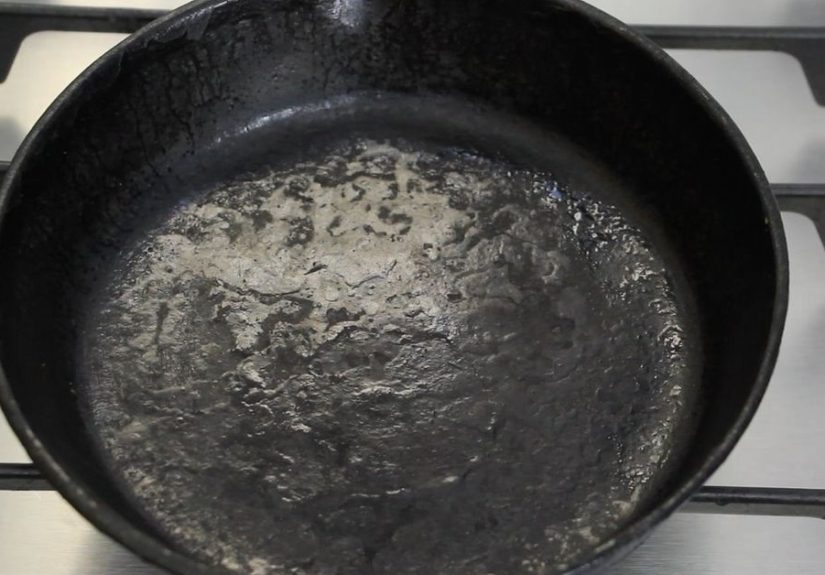
A sticky skillet usually means too much oil was used during seasoning or the oil was not heated long enough to fully polymerize. To fix it, scrub the pan with warm water and mild soap. Dry it completely. Then place it in a 450°F oven for about an hour to finish hardening the oil.
If the sticky layer remains, scrub more aggressively and re-season with a much thinner coat of oil. Remember: when seasoning cast iron, less oil is better.
How to Remove Rust From Cast Iron
Rust looks scary, but it is rarely the end of the skillet. For light rust, scrub the affected area with steel wool, a stiff brush, or a rust eraser. Wash the pan with warm soapy water, dry it thoroughly, and season it again.
For heavier rust, you may need to scrub the entire pan down and rebuild the seasoning from scratch. It takes effort, but cast iron is famously forgiving. Unless the pan is cracked or deeply pitted, it can usually be saved.
How to Store a Cast Iron Skillet
Store cast iron in a dry place with good airflow. If stacking pans, place a paper towel or cloth between them to protect the seasoning and absorb any trace moisture. Make sure the skillet is fully cool and dry before putting it away.
You can store cast iron on a shelf, in a cabinet, on the stovetop, or hanging from a sturdy rack. Just do not store it wet, covered tightly with trapped moisture, or underneath something that might scratch the surface.
Common Cast Iron Myths That Need to Retire
Myth 1: You Can Never Use Soap
You can use mild soap. The real enemies are soaking, harsh detergents, and leaving the pan wet.
Myth 2: Cast Iron Is Naturally Nonstick Right Away
Cast iron becomes more easy-release with use and proper seasoning. A brand-new skillet may need time before eggs glide around like they are on a cooking show.
Myth 3: Rust Means the Pan Is Ruined
Rust usually means the pan needs scrubbing, drying, and re-seasoning. It is a repair job, not a funeral.
Myth 4: More Oil Means Better Seasoning
Too much oil creates sticky, uneven seasoning. Thin layers are stronger, smoother, and more reliable.
A Practical Weekly Cast Iron Care Routine
For everyday use, clean the skillet after cooking, dry it on the stove, and rub on a tiny amount of oil. Once a month, inspect the surface. If it looks dull, dry, or patchy, give it a stovetop oil rub or a full oven seasoning session.
If you use your skillet often, it may need less special maintenance because cooking itself helps season the pan. If it sits unused for long periods, check for dust, moisture, or rust before cooking.
Experience-Based Tips for Better Cast Iron Cooking
One of the biggest lessons cast iron teaches is patience. A lot of sticking problems are not actually seasoning problems. They are heat problems. Cast iron takes longer to heat than thinner pans, but once hot, it holds heat beautifully. Give the skillet a few minutes to preheat before adding food. If you toss chicken into a barely warm pan, it may cling like it signed a lease.
Another practical trick is to use enough fat, especially while the seasoning is still young. Butter, oil, bacon fat, or a mix of oil and butter can help food release more easily. Over time, as the surface improves, you can use less fat. In the beginning, though, generosity pays off.
Do not rush the flip. Burgers, steaks, potatoes, and cornbread often release naturally when they have browned properly. If food is sticking, wait a little longer before scraping at it. Browning creates flavor and helps food separate from the pan. This is one reason cast iron is excellent for searing: it rewards restraint.
For beginners, cornbread is one of the best confidence-building recipes. Preheat the skillet, add a little fat, pour in the batter, and bake. The hot pan creates crisp edges, and the oil helps reinforce the seasoning. Roasted potatoes are another great choice. They use oil, tolerate high heat, and leave behind the kind of cooking experience that improves the skillet.
Eggs are the emotional final exam of cast iron. If eggs stick, do not declare defeat. Preheat the pan gently, use enough butter, and cook over medium-low heat rather than blasting the burner. Cast iron holds heat well, so high heat is not always your friend. A calm skillet makes better eggs than an angry one.
One personal-style rule worth adopting is this: never go to bed with a wet skillet in the sink. It sounds dramatic, but it prevents most cast iron heartbreak. Clean it, dry it, oil it lightly, and leave it ready for the next meal. The whole process usually takes less than five minutes, which is shorter than the time spent searching online for “did I ruin my cast iron skillet?”
It also helps to keep cast iron tools nearby. A stiff brush, a pan scraper, coarse salt, paper towels or a lint-free cloth, and neutral oil are enough for most situations. A chainmail scrubber is useful if you cook a lot of meat or roasted vegetables. You do not need a drawer full of specialty products, but having the basics within reach makes maintenance feel automatic.
Finally, remember that cast iron improves through use, not perfection. Your skillet may develop lighter spots, darker spots, or tiny scratches. That is normal. A working skillet is not supposed to look like a museum artifact. It should look like it makes dinner. Every batch of bacon, every skillet cookie, every pan of crispy vegetables adds to its story. With steady care, your cast iron skillet becomes less of a tool and more of a kitchen sidekick with excellent heat retention.
Conclusion
Learning how to season and maintain a cast iron skillet is mostly about building simple habits. Wash it when needed, dry it completely, use very thin layers of oil, heat it properly, and cook with it often. Avoid soaking, skip the dishwasher, be cautious with long acidic recipes, and do not panic over rust or sticky spots. Cast iron is durable, forgiving, and surprisingly low-maintenance once you understand what it wants.
A well-seasoned cast iron skillet can last for decades, delivering crisp edges, deep browning, and the quiet satisfaction of using cookware that gets better the more you cook. In a world full of gadgets with charging cords and mysterious buttons, there is something wonderfully refreshing about a pan whose main instruction is: cook, clean, dry, oil, repeat.