Table of Contents >> Show >> Hide
- Why the ADA Update Matters
- From NAFLD and NASH to MASLD and MASH
- What the Updated Screening Approach Looks Like
- Why the Old “Wait and See” Approach Falls Short
- Who Should Pay Closest Attention
- What Happens After a Concerning Screen
- Treatment Still Starts With the BasicsBut the Basics Are Not Basic
- The Medication Landscape Is Changing Too
- What These Guideline Updates Mean for Patients
- Final Takeaway
- Experience-Based Insights: What This Update Looks Like in Real Life
- SEO Tags
For years, diabetes checkups had a familiar greatest-hits lineup: eyes, kidneys, nerves, feet, heart. The liver was often the quiet extra in the background, standing near the snack table and not getting called on. That is changing fast.
The American Diabetes Association (ADA) has steadily strengthened its guidance on liver disease in people with diabetes, and the newer message is hard to miss: liver health deserves a front-row seat. The update is not just about spotting fat in the liver. It is about identifying liver fibrosis, the scarring that signals higher risk and demands more attention. In plain English, the ADA is pushing clinicians to stop waiting until liver disease becomes loud, dramatic, and difficult to manage.
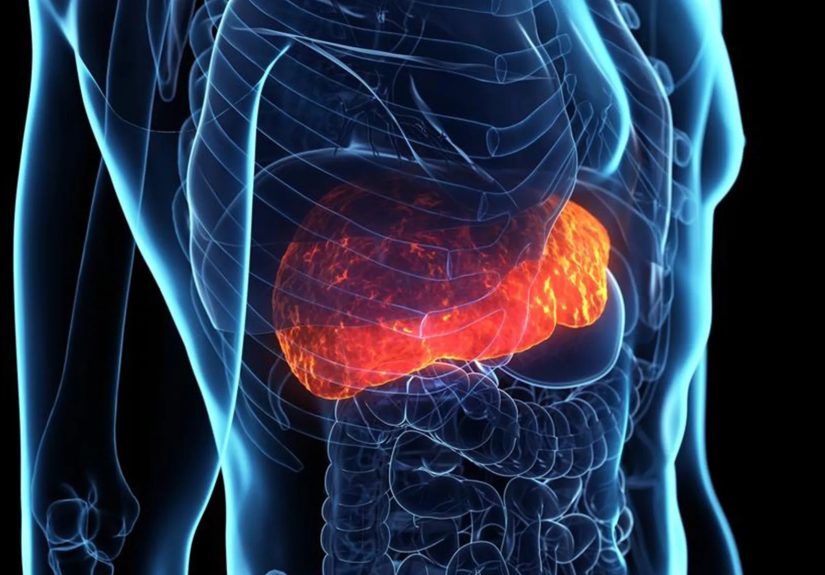
This matters because metabolic dysfunction-associated steatotic liver disease (MASLD)the newer name for what many people still know as fatty liver disease linked to metabolismis extremely common in people with type 2 diabetes. It is also easy to overlook. Many people feel fine. Some have normal or only mildly abnormal lab results. And that is exactly why newer screening guidance matters: quiet disease can still do very noisy damage over time.
Why the ADA Update Matters
The big shift is simple but important: diabetes care is no longer treating liver disease as an occasional side note. It is increasingly being treated as a routine complication risk, especially in people with prediabetes, type 2 diabetes, obesity, and other cardiometabolic risk factors.
That shift did not happen all at once. The ADA first strengthened its standards in 2023 with updated recommendations on the detection and management of fatty liver disease in people with diabetes. In 2024, the association put even more emphasis on screening in primary care and diabetes clinics. Then, in 2025, the ADA published a major consensus report that effectively turned up the volume: clinicians should screen for liver fibrosis and risk-stratify people with prediabetes or type 2 diabetes, particularly when obesity is also present.
That is a meaningful evolution. Older thinking often focused on whether fat was present in the liver. Newer thinking asks a more useful question: Is this person developing scarring that raises the odds of cirrhosis, liver cancer, or other serious outcomes? In modern liver screening, fibrosis is the plot twist everyone is trying to catch before the season finale.
From NAFLD and NASH to MASLD and MASH
If the terminology feels new, that is because it is. The older labels NAFLD and NASH have largely been replaced by MASLD and MASH. The newer language highlights the metabolic roots of the disease and better reflects what clinicians see every day: this liver problem is tightly connected to insulin resistance, excess weight, abnormal lipids, high blood pressure, and type 2 diabetes.
In practical terms, the name change does not make the condition less serious. It simply makes the underlying biology clearer. And the biology is important. When blood sugar, weight, cholesterol, and liver fat all start working together in the worst possible way, the liver does not just store fatit can become inflamed, scarred, and progressively damaged.
What the Updated Screening Approach Looks Like
The most important takeaway from the ADA’s newer approach is that clinicians are being encouraged to use noninvasive fibrosis screening earlier and more routinely. In current diabetes-focused educational materials aligned with ADA guidance, the first practical step is often the FIB-4 score, which uses age, AST, ALT, and platelet count.
This is a smart move for a few reasons. First, FIB-4 uses labs many patients already have. Second, it is inexpensive. Third, it helps sort people into broad risk groups without jumping straight to specialty testing or biopsy.
How FIB-4 Fits Into the New Pathway
In broad terms, the pathway works like this:
- FIB-4 below 1.3: generally lower risk for advanced fibrosis.
- FIB-4 at or above 1.3: follow with a secondary fibrosis test, often vibration-controlled transient elastography (VCTE) or an enhanced liver fibrosis (ELF) blood test.
- FIB-4 above 2.67: higher concern for significant fibrosis and stronger reason to involve a specialist.
Clinicians also interpret FIB-4 in context. Age matters. So do lab trends, symptoms, alcohol intake, and other possible causes of liver disease. In older adults, physicians may use age-adjusted thresholds rather than reading the score in a one-size-fits-all way.
Another noteworthy shift is that in people with prediabetes or type 2 diabetes plus obesity, ADA-aligned materials support moving directly to fibrosis risk assessment without requiring ultrasound confirmation of steatosis first. That may sound like a minor technical tweak, but it is a major workflow improvement. It means less waiting, fewer detours, and a better chance of finding clinically meaningful liver disease earlier.
Why the Old “Wait and See” Approach Falls Short
One reason the guidelines needed updating is that liver disease in diabetes has a talent for hiding in plain sight. MASLD is often silent. People may have no symptoms for years. Even when routine liver enzymes are checked, the results may not fully reflect what is happening inside the liver.
That is why newer guidance puts less faith in the old habit of waiting for obviously abnormal liver tests or a surprise ultrasound result. Routine imaging can show fat, but it does not reliably tell clinicians whether inflammation or fibrosis is present. And from a risk standpoint, fibrosis is the bigger deal.
In other words, an ultrasound can tell you there is a problem on the map. Fibrosis testing helps tell you how dangerous the road ahead may be.
Who Should Pay Closest Attention
The updated guidance is especially relevant for people with:
- Type 2 diabetes
- Prediabetes
- Overweight or obesity
- High blood pressure
- High triglycerides or other lipid abnormalities
- Chronic kidney disease
- Obstructive sleep apnea
- Polycystic ovary syndrome
These are not random add-ons. They are part of the same metabolic neighborhood. When several of these conditions travel together, the odds of liver involvement go up. That is one reason diabetes visits are increasingly becoming a logical place to talk about liver health instead of sending the issue off to a separate galaxy.
What Happens After a Concerning Screen
A higher-risk screen does not automatically mean cirrhosis, and it definitely does not mean panic is the next required appointment. It usually means next-step evaluation.
That next step may include elastography to measure liver stiffness, additional blood work to rule out other liver conditions, a review of alcohol use and medications, and referral to a hepatologist or gastroenterologist when needed. The goal is to separate people with low near-term risk from those who may already have meaningful fibrosis and need more aggressive follow-up.
That separation matters. If liver scarring is caught before cirrhosis develops, the odds of slowing progression improve. And once cirrhosis enters the chat, the conversation gets much less fun and much more expensive.
Treatment Still Starts With the BasicsBut the Basics Are Not Basic
Even with updated screening, lifestyle management remains the foundation of care. That does not mean the advice is boring or outdated. It means it works.
In people with diabetes and fatty liver disease, weight loss can improve liver fat, inflammation, and fibrosis. Practical targets matter. Even a 5% to 10% weight reduction may help reduce excess liver fat, while a 7% to 10% loss is often associated with better odds of improving steatohepatitis and even reversing some fibrosis.
Regular physical activity also plays a major role. A common target is at least 150 minutes of moderate activity per week. That is not a fitness influencer fantasy package. It can be brisk walking, cycling, swimming, dancing, or anything sustainable enough that it still exists in your life three months later.
Nutrition changes matter too. Limiting excess calories, sugary drinks, refined carbs, and saturated fats can support both glucose control and liver health. For many patients, the best eating plan is not the trendiest plan. It is the one they can actually maintain on a normal Tuesday when nobody is feeling inspirational.
The Medication Landscape Is Changing Too
Screening guidelines are getting more attention partly because treatment options are no longer standing completely empty-handed.
In 2024, the FDA approved Rezdiffra (resmetirom) for adults with noncirrhotic steatohepatitis and moderate to advanced fibrosis, to be used along with diet and exercise. That was a landmark moment because it was the first FDA-approved treatment for this type of liver scarring.
Then in 2025, the FDA approved Wegovy (semaglutide) for MASH with moderate-to-advanced scarring. That approval matters because it reflects the growing overlap between obesity treatment, diabetes management, and liver care. The old silos are breaking down, and honestly, they were overdue for demolition.
The bottom line is that better screening now connects more clearly to actionable care later. That does not mean every patient needs medication. It means clinicians have more reason than ever to look early, classify risk accurately, and tailor treatment instead of shrugging at elevated liver enzymes and moving on to the next tab in the chart.
What These Guideline Updates Mean for Patients
If you live with diabetes or prediabetes, the newest message is not “be afraid of your liver.” It is “do not ignore it.” Ask whether your clinician is assessing liver fibrosis risk. Ask whether your recent labs are enough to calculate a FIB-4 score. Ask what your results mean. And ask what the next step is if the score is not low risk.
This is especially important if you also have obesity, high blood pressure, abnormal cholesterol, or sleep apnea. These conditions often travel in groups, and your liver is not a neutral bystander in that group project.
For clinicians, the message is equally clear: earlier liver risk assessment belongs in the flow of modern diabetes care. The tools are more accessible, the rationale is stronger, and the cost of missing advanced fibrosis is too high to accept as routine.
Final Takeaway
The ADA’s updated liver disease screening guidance reflects a bigger truth about diabetes care: complications do not wait politely for symptoms. They develop quietly, and the best care models are the ones that catch risk before damage becomes obvious.
That is why this update matters. It moves screening away from a passive, ultrasound-later, maybe-we’ll-check approach and toward a structured, noninvasive, fibrosis-focused pathway. For patients, that means a better chance of early detection. For clinicians, it means clearer decision-making. And for the liver, which has been doing unpaid overtime in metabolic disease for years, it is finally a sign that somebody is paying attention.
Experience-Based Insights: What This Update Looks Like in Real Life
In real-world diabetes care, the biggest change is often not the test itself but the conversation around it. Many patients are surprised to hear that liver disease can be linked to diabetes long before symptoms appear. They often say some version of the same thing: “But my stomach does not hurt,” or “Nobody ever mentioned my liver before.” That reaction makes sense. For a long time, liver screening was not consistently presented as a routine part of cardiometabolic care, so people understandably focused on A1C, cholesterol, blood pressure, eyes, and kidneys.
Clinicians are also seeing a familiar pattern in practice. A patient comes in for a standard diabetes follow-up. Their glucose is not perfect, but it is not a disaster. Liver enzymes may be only mildly elevated, or even near normal. In the old approach, the visit might have moved on. In the newer approach, the care team calculates a FIB-4 score, notices that the result is not low risk, and orders elastography. Suddenly, a condition that looked quiet on paper becomes something much more concrete. That is exactly the kind of early catch these guideline updates are trying to make more common.
Another common experience is that patients feel oddly relieved when the issue is finally named clearly. “Fatty liver” can sound vague, almost casual, like something that belongs in the category of mildly annoying but not urgent. Terms like fibrosis risk, steatohepatitis, and liver stiffness are more specific. They help patients understand that the goal is not to scare them. The goal is to figure out whether there is scarring and whether action now can prevent a much bigger problem later.
Dietitians, diabetes educators, and primary care teams also report that liver conversations often improve motivation because the advice becomes more tangible. Patients who have tuned out generic “lose weight” messages may respond differently when the discussion becomes, “A modest, sustained weight loss can reduce liver fat and may improve scarring risk.” That is more concrete. It turns lifestyle change from a vague wellness slogan into a targeted medical strategy.
There is also a practical workflow benefit. Because FIB-4 uses common lab values, many clinics can begin liver risk assessment without building a giant new system. That helps busy practices. It also helps patients, because fewer extra steps mean fewer chances for screening to disappear into the black hole of “we should probably get to that later.”
Perhaps the most important real-world experience is this: people with diabetes often have multiple overlapping conditions, and they are tired of fragmented care. The updated guidelines support a more connected model. Instead of treating glucose, weight, blood pressure, and liver health as unrelated projects, the newer approach recognizes that they are part of the same metabolic story. Patients usually appreciate that. Frankly, their organs probably do too.