Table of Contents >> Show >> Hide
- When a Scam Text Meets the Wrong Keyboard Warrior
- Why Wrong-Number Scams Feel So Weirdly Personal
- 45 Hilarious Ways Scammers Got Owned
- 1. The Fake Prince Met a Fake Accountant
- 2. The Crypto Mentor Got Asked for Homework
- 3. The IRS Impersonator Got an Audit
- 4. The Romance Scammer Met a Wedding Planner
- 5. The Package Scam Ran Into a Minimalist
- 6. The “Bank Alert” Got a Shakespearean Response
- 7. The Toll Scam Got a Geography Lesson
- 8. The Fake Job Recruiter Got Hired Instead
- 9. The Dating Bot Met a Bot
- 10. The Gift Card Scammer Got a Recipe
- 11. The Fake Tech Support Agent Got Tech Support
- 12. The Fake Friend Got Quizzed
- 13. The Lottery Scam Got a Counteroffer
- 14. The “Military Romance” Scam Got Logistics
- 15. The Investment Guru Got a Pet Portfolio
- 16. The Fake CEO Met the Real Employee
- 17. The Wrong-Number Stranger Got Too Much Backstory
- 18. The Fake Refund Got Refunded
- 19. The Suspicious Link Got a Suspicious Poem
- 20. The Fake Customs Fee Met a Person With No Patience
- 21. The Catfish Got Catfished by a Cat
- 22. The Password Thief Got Password Advice
- 23. The Fake Charity Got a Charity Audit
- 24. The Fake Delivery Driver Got Existential
- 25. The Bank Scammer Got Transferred
- 26. The Romance Scammer Got Family Approval Forms
- 27. The “Urgent” Scammer Got Scheduled
- 28. The Fake Police Threat Got Legal Questions
- 29. The Crypto Scammer Got Asked About Taxes
- 30. The Fake Subscription Renewal Got Canceled
- 31. The Wrong-Number Texter Got a Dungeon Master
- 32. The “Grandchild” Scammer Failed the Grandma Test
- 33. The Fake Loan Offer Got Financial Boundaries
- 34. The Scam Bot Got a CAPTCHA
- 35. The Fake Celebrity Got Fan Mail
- 36. The “Accidental” Investor Got Asked for a Resume
- 37. The Fake Survey Got Reviewed
- 38. The Malware Link Got a Weather Report
- 39. The Fake Utility Shutoff Got Practical
- 40. The Scam Script Got Spoilers
- 41. The Fake Nurse Got Medical Ethics
- 42. The Romance Pitch Got a Prenup
- 43. The Scammer Got a Scammer Awareness Lesson
- 44. The Fake Assistant Got Assigned Tasks
- 45. The Final Boss: Blocked, Reported, Deleted
- Why Scammers Hate People Who Ask Questions
- Common Scam Text Red Flags
- Should You Mess With Scammers?
- What These Hilarious Scam Fails Teach Us
- Experience Notes: What It Feels Like to Be the Wrong Person
- Conclusion: Laugh, Learn, Then Block
Note: This article is based on real scam patterns, consumer-protection guidance, and commonly reported online scammer conversations. It does not encourage readers to engage with scammers; the safest move is still to block, report, and move on.
When a Scam Text Meets the Wrong Keyboard Warrior
There are few internet moments more satisfying than watching a scammer confidently enter a conversation and immediately trip over their own fake backstory. One minute, they are pretending to be a lonely investor named “Sophia” who accidentally texted “Jason.” The next minute, they are being asked to explain why their profile photo appears on six stock image sites, why their “uncle’s crypto platform” has a domain registered yesterday, and whether their Lamborghini is currently parked beside their imaginary yoga studio.
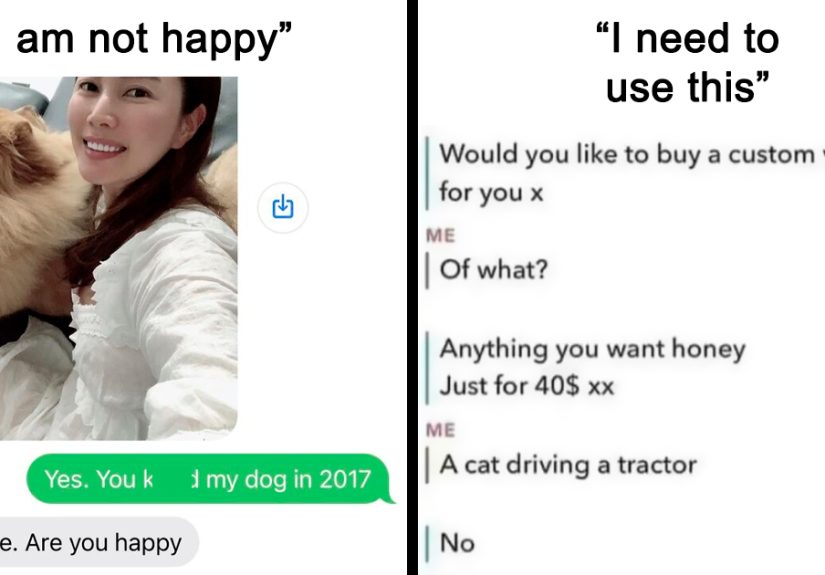
The title “45 Times Scammers Messaged The Wrong Person And Got Hilariously Owned” captures a familiar corner of internet comedy: scam baiters, quick-witted texters, and everyday people who respond to fraud attempts with the digital equivalent of slipping a banana peel under a villain’s shoe. These exchanges are funny because scammers rely on rhythm. They expect panic, politeness, curiosity, or greed. What they do not expect is someone replying, “Wonderful, Prince. Before I send the processing fee, please confirm whether your royal palace accepts expired Subway coupons.”
But beneath the laughs is a serious subject. Wrong-number text scams, phishing messages, fake package alerts, unpaid toll threats, IRS impersonation, Social Security scare tactics, romance baiting, and crypto investment pitches are not harmless pranks. They are designed to steal money, passwords, identity information, or trust. The funniest scammer fails work because they expose the script before the script can hurt anyone.
Why Wrong-Number Scams Feel So Weirdly Personal
The classic wrong-number scam starts gently. A stranger texts something casual: “Are we still meeting for dinner?” or “Hi, is this Lisa from the gallery?” When the recipient says, “Wrong number,” the sender does not disappear like a normal embarrassed human. Instead, they become oddly delighted. Suddenly, they are friendly, attractive, successful, and very interested in continuing the conversation with a stranger who has already said they are not Lisa.
This is not romance. It is social engineering wearing perfume and a suspiciously perfect LinkedIn photo. The scammer’s goal is to create a tiny emotional opening. Maybe you feel polite. Maybe you are bored. Maybe the conversation is funny. Once they know the number is active and someone is willing to reply, the story can shift toward money, investments, fake emergencies, suspicious links, or identity theft.
The “Oops, Wrong Number” Formula
Many wrong-number scam messages follow a predictable pattern:
- A casual greeting that sounds like it was meant for someone else.
- A friendly apology after you correct them.
- A compliment or personal question to keep you talking.
- A polished backstory involving wealth, travel, business, fitness, or luxury hobbies.
- A delayed pitch involving crypto, an investment platform, a dating site, or a link.
That is why the best scammer-owning replies are not just random jokes. They interrupt the pattern. Instead of giving the scammer a usable response, the target gives them nonsense, sarcasm, role-play, fake bureaucracy, or questions so absurd that the script collapses like a folding chair at a barbecue.
45 Hilarious Ways Scammers Got Owned
Below are 45 original, realistic-style examples inspired by common scammer tactics and the chaotic creativity of people who refuse to be easy targets. They are written as scenarios rather than copied screenshots, because the point is to understand the humor, the red flags, and the scam pattern behind the punchline.
1. The Fake Prince Met a Fake Accountant
A “royal heir” asked for a small transfer fee to unlock millions. The target replied with a 12-page “invoice” charging the prince for emotional labor, spreadsheet formatting, and “excessive royal drama.” The prince vanished faster than a budget at a theme park.
2. The Crypto Mentor Got Asked for Homework
A glamorous stranger claimed she could teach crypto trading. The recipient asked for a 2,000-word essay on blockchain fundamentals, APA citations included. Suddenly, the mentor’s internet connection became tragically fragile.
3. The IRS Impersonator Got an Audit
A scammer threatened arrest over unpaid taxes. The target responded, “Great, I’m also auditing you. Please send your badge number, supervisor, office address, lunch order, and favorite dinosaur.” The scammer did not appreciate the compliance checklist.
4. The Romance Scammer Met a Wedding Planner
After three messages, the scammer said they felt a “special connection.” The recipient sent a detailed wedding seating chart featuring 47 imaginary relatives and one emotionally unstable raccoon named Linda.
5. The Package Scam Ran Into a Minimalist
A fake delivery text said a parcel could not be delivered. The target replied, “Impossible. I own one spoon and emotional baggage. Which one is delayed?” No further shipping updates arrived.
6. The “Bank Alert” Got a Shakespearean Response
When a fake bank asked the target to verify their account, the recipient replied entirely in dramatic old-timey language: “Verily, thou hast not my routing number, knave.” The scammer’s script did not include Elizabethan fraud prevention.
7. The Toll Scam Got a Geography Lesson
A text claimed the recipient owed road tolls. They replied, “I live in a town where the biggest road hazard is a goose named Kevin.” The scammer did not dispute Kevin’s authority.
8. The Fake Job Recruiter Got Hired Instead
A scammer offered a dream remote job requiring an upfront “equipment fee.” The target replied with interview questions for the scammer, including, “Describe a time you failed at fraud and what you learned.”
9. The Dating Bot Met a Bot
The scammer sent flirty messages. The target replied like a customer-service chatbot: “Thank you for contacting Human Feelings Support. Your romance ticket number is #404.” The bot-on-bot energy was beautiful.
10. The Gift Card Scammer Got a Recipe
Asked to buy gift cards, the target sent step-by-step instructions for lasagna. Every time the scammer said “card,” the target replied, “Add more ricotta.”
11. The Fake Tech Support Agent Got Tech Support
A scammer claimed the target’s computer had viruses. The target answered, “Yes, it sneezed twice. Should I give it soup?” The agent did not have a soup protocol.
12. The Fake Friend Got Quizzed
A message said, “Hey, it’s me. I changed my number.” The recipient asked, “What did we name the possum behind the garage in 2019?” Silence. True friendship requires possum history.
13. The Lottery Scam Got a Counteroffer
The scammer said the target won millions. The target replied, “I will accept only if the giant check is delivered by a marching band.” Negotiations collapsed.
14. The “Military Romance” Scam Got Logistics
A fake soldier asked for money to come home. The target asked for chain-of-command paperwork, travel orders, and proof that his “base in Texas, Afghanistan” existed. It did not.
15. The Investment Guru Got a Pet Portfolio
The scammer asked about financial goals. The recipient said they were heavily invested in “hamster futures” and “artisan cheese bonds.” The guru did not diversify into cheddar.
16. The Fake CEO Met the Real Employee
A scammer pretending to be the boss asked for urgent gift cards. The employee replied, “Sure, but first please confirm our company mascot’s legal name.” The fake CEO failed company culture.
17. The Wrong-Number Stranger Got Too Much Backstory
When the scammer said “Sorry, wrong number,” the target replied with a 900-word fictional family saga involving betrayal, soup, and a haunted canoe. The scammer chose peace.
18. The Fake Refund Got Refunded
A scammer promised a refund if the target clicked a link. The target replied, “Excellent, I would like to refund this conversation.” Fair request.
19. The Suspicious Link Got a Suspicious Poem
Instead of clicking, the target sent a rhyming poem about malware. It ended with, “Your URL smells like raccoon regret.” Literary justice was served.
20. The Fake Customs Fee Met a Person With No Patience
The scammer demanded a small fee to release an international parcel. The target asked whether the package contained “my missing motivation.” No reply. Motivation remains delayed.
21. The Catfish Got Catfished by a Cat
The scammer asked for a selfie. The target sent a photo of a cat wearing sunglasses and insisted, “This is me after tax season.” The conversation ended with dignity, mostly for the cat.
22. The Password Thief Got Password Advice
A scam link asked the recipient to verify login details. They replied, “My password is NeverClickSketchyLinks123.” Educational and stylish.
23. The Fake Charity Got a Charity Audit
The scammer requested donations for a vague emergency. The target asked for nonprofit registration, audited financials, and the organization’s policy on raccoon trustees. Fraud hates paperwork.
24. The Fake Delivery Driver Got Existential
“Your package is waiting,” the text said. The target replied, “Aren’t we all?” The scammer was not prepared for philosophy.
25. The Bank Scammer Got Transferred
The target wrote, “Please hold while I transfer you to our Fraud Department,” then sent elevator music lyrics. The scammer hung up in spirit.
26. The Romance Scammer Got Family Approval Forms
Before discussing money, the target required the scammer to complete a “Potential Soulmate Application,” including references, snack preferences, and stance on pineapple pizza.
27. The “Urgent” Scammer Got Scheduled
A scammer demanded immediate action. The target replied, “I can panic next Thursday between 2:00 and 2:07.” Apparently urgency does not survive calendar management.
28. The Fake Police Threat Got Legal Questions
The scammer threatened arrest unless payment was made. The target requested the statute, warrant number, court jurisdiction, and whether the jail had decent Wi-Fi. The “officer” retired instantly.
29. The Crypto Scammer Got Asked About Taxes
The scammer promised guaranteed returns. The target asked for tax reporting forms, risk disclosures, and a signed statement that “guaranteed returns” are not magical nonsense. The market closed.
30. The Fake Subscription Renewal Got Canceled
A scammer claimed a subscription would renew for hundreds of dollars. The target replied, “Please cancel my subscription to scams.” One star, no refund.
31. The Wrong-Number Texter Got a Dungeon Master
The recipient turned the chat into a fantasy role-playing game. Every scammer message was answered with, “Roll for deception.” The scammer kept rolling natural ones.
32. The “Grandchild” Scammer Failed the Grandma Test
Someone texted, “Grandma, I need money.” The target replied, “What was the name of the casserole you insulted in 2016?” Family lore defeats fraud.
33. The Fake Loan Offer Got Financial Boundaries
The scammer offered instant approval. The target said, “My credit score is emotionally unavailable.” The loan department did not continue.
34. The Scam Bot Got a CAPTCHA
The target replied, “Before continuing, select all squares containing dignity.” The bot failed, naturally.
35. The Fake Celebrity Got Fan Mail
A scammer posing as a famous actor asked for “management fees.” The recipient responded with a 14-paragraph review of a movie the actor was not in. The celebrity disappeared from the franchise.
36. The “Accidental” Investor Got Asked for a Resume
The scammer said she owned three companies. The target asked for a resume, references, tax returns, and whether she knew Excel shortcuts. The empire crumbled.
37. The Fake Survey Got Reviewed
A scammer offered money for a survey. The target replied with a survey rating the scammer’s grammar, urgency, and villain branding. Overall score: “Needs more dragons.”
38. The Malware Link Got a Weather Report
Every time the scammer sent a link, the target replied with the weather in increasingly obscure towns. Forecast: cloudy with a chance of blocked number.
39. The Fake Utility Shutoff Got Practical
The scammer threatened to cut power. The target replied, “Joke’s on you, I own candles and unresolved issues.” The utility remained spiritually connected.
40. The Scam Script Got Spoilers
The target predicted every next message: apology, compliment, fake job, investment pitch. When the scammer followed the script exactly, the recipient wrote, “Scene 2 needs rewrites.”
41. The Fake Nurse Got Medical Ethics
A scammer used a fake medical emergency. The target asked for hospital name, billing department, attending physician, and patient consent. The emergency mysteriously recovered.
42. The Romance Pitch Got a Prenup
After “I love you” arrived on day one, the target sent a prenup covering imaginary yachts, emotional support snacks, and custody of the Netflix password.
43. The Scammer Got a Scammer Awareness Lesson
Some targets skip jokes and simply paste a short scam-warning checklist. It may not be hilarious, but it is effective. Sometimes the best “owned” is educational.
44. The Fake Assistant Got Assigned Tasks
A scammer pretending to be an executive assistant asked for payment. The target replied, “Great, please organize my inbox by emotional damage.” The assistant resigned.
45. The Final Boss: Blocked, Reported, Deleted
The funniest ending is also the safest: no dramatic monologue, no long bait, no click, no payment. Just block, report, delete, and continue living as a person whose bank account remains wonderfully un-stolen.
Why Scammers Hate People Who Ask Questions
Scammers thrive on speed. Their favorite words are “urgent,” “limited time,” “verify now,” “final notice,” and “kindly.” A calm question slows the whole machine down. When someone asks for official verification, a known phone number, a real company website, or written documentation, the scam loses oxygen.
That is why so many scammer-owned conversations become funny. The target refuses to follow the emotional script. Instead of becoming scared by a fake bank alert, they become suspicious. Instead of being flattered by a mystery admirer, they become a detective. Instead of clicking a package link, they ask why a delivery company is texting from a number that looks like it was generated by a haunted calculator.
The Comedy Comes From Broken Confidence
A scammer’s confidence is part of the performance. They write as if the outcome is inevitable: you will click, pay, verify, or confess your mother’s maiden name to a stranger named “Linda Crypto.” When the recipient responds with absurd confidence of their own, the power dynamic flips. The scammer becomes the confused one. The hunter walks into the rake. The rake wins.
Common Scam Text Red Flags
Whether the message is funny, threatening, flirtatious, or oddly formal, watch for these warning signs:
- Unexpected contact: You did not ask for the message, alert, prize, job, date, or delivery update.
- Pressure: The sender wants you to act immediately before thinking.
- Suspicious links: The message pushes you to click a shortened or unfamiliar URL.
- Payment requests: The sender wants gift cards, crypto, wire transfers, payment apps, or “small fees.”
- Too-perfect strangers: A wrong-number texter quickly becomes charming, wealthy, lonely, or investment-obsessed.
- Government threats: Real agencies do not typically resolve serious legal matters through random texts demanding instant payment.
- Grammar oddities: Bad grammar is not proof of fraud by itself, but combined with urgency and money requests, it is a red flag wearing tap shoes.
Should You Mess With Scammers?
Scambaiting can be entertaining online, but most people should not engage. Replying can confirm that your number is active. Clicking links can expose you to malware or fake login pages. Sharing jokes may feel harmless, but scammers can save details, photos, names, locations, or clues about your life.
The safest response is boring, and boring is beautiful: do not click, do not reply, block the number, report the message as spam, and contact the real company or agency through a trusted website or phone number if you are unsure. If the text claims to be from your bank, open your banking app directly. If it claims to be from a delivery service, go to the official site yourself. If it claims your grandchild is in jail, call the family member directly. Fraud hates verification.
Funny Online, Careful in Real Life
Those viral scammer-owned screenshots are best enjoyed as comedy, not as instructions. Professional security researchers and experienced scam baiters may engage to study tactics, but everyday users are safer staying out of the conversation. You can still laugh at the scammer who got trapped in a 40-minute debate about raccoon law. Just do not invite that raccoon into your own inbox.
What These Hilarious Scam Fails Teach Us
The internet loves seeing scammers get humbled because it gives people a tiny sense of justice in a space where fraud often feels endless. Every fake package alert, suspicious toll text, romantic stranger, “urgent” bank warning, and miracle investment opportunity asks the same thing: stop thinking and start reacting. The funniest replies do the opposite. They pause. They question. They refuse to be rushed.
There is also a useful lesson in the humor: scammers are not magical geniuses. Many rely on templates, emotional pressure, and volume. They send thousands of messages hoping a few people will respond. When a recipient notices the pattern, the scam loses its spell. The “successful entrepreneur” becomes a copy-paste operator. The “government officer” becomes a typo with a badge. The “wrong number” becomes exactly what it was all along: bait.
Experience Notes: What It Feels Like to Be the Wrong Person
Getting a scam message can feel oddly personal, even when you know it was probably blasted out to hundreds or thousands of numbers. Your phone buzzes, the message looks casual, and for half a second your brain treats it like a real human interaction. That is the trap. Scammers understand that phones feel private. A text message does not feel like a billboard; it feels like someone tapped you on the shoulder.
The first experience many people have is curiosity. “Who is this?” is such a natural response. If the message says, “I’m running late, are you still at the restaurant?” you may want to help. If it says, “Your package cannot be delivered,” you may worry that a real order is stuck somewhere. If it says, “This is your bank,” your pulse may jump before your logic has finished putting on its shoes.
The second experience is irritation. Once you recognize the scam, the message feels invasive. It is not just spam; it is an attempt to use your manners against you. That is why so many people respond with jokes. Humor gives the target a sense of control. When someone replies, “I am actually three raccoons in a trench coat, please proceed,” they are not only being funny; they are refusing the role the scammer assigned them.
The third experience is temptation. A clever person may think, “I can waste their time.” And yes, wasting a scammer’s time can feel like a public service. Every minute they spend arguing with someone about fake dinosaur insurance is a minute they are not manipulating a vulnerable person. However, there is a real downside. Responding may lead to more messages. It may confirm your number is active. It may expose information you did not mean to reveal. Even a joke can contain clues about your name, location, job, family, or schedule.
The best personal rule is simple: laugh privately, report publicly, engage rarely. Screenshot the message if you want to warn friends. Report it through your phone’s spam tools or by forwarding it to 7726 when appropriate. Block the sender. If money, identity documents, passwords, or bank details were shared, act quickly: contact your bank, change passwords, enable multifactor authentication, and file a report with the proper agency.
From a real-world perspective, the most satisfying “owned” moment is not always the funniest comeback. Sometimes it is the quiet decision to protect yourself. You do not owe a stranger politeness when they are fishing for your wallet. You do not owe a fake bank your login. You do not owe a wrong-number texter a second chance to become your crypto mentor. Your phone is not a stage for their scam script. You are allowed to close the curtain.
Conclusion: Laugh, Learn, Then Block
Scammers messaging the wrong person can produce comedy gold: fake princes drowning in paperwork, crypto gurus defeated by basic questions, and romance bots forced into conversations about casserole history. These moments are funny because they reveal how flimsy many scam scripts are when met with patience, skepticism, and a little comic chaos.
Still, the real win is not out-joking every scammer. The real win is recognizing the red flags before money, data, or trust leaves your hands. Wrong-number scams, smishing texts, fake delivery alerts, toll payment threats, government impersonation, and romance bait all depend on emotional shortcuts. Slow down. Verify through official channels. Do not click suspicious links. Do not send money to strangers. And when in doubt, remember the most powerful anti-scam sentence in the English language: “Nope.”