Table of Contents >> Show >> Hide
- Why Pantry Organization Matters More Than People Think
- Hack #1: Start With a Full Reset, Not Random Rearranging
- Hack #2: Toss Ruthlessly, But Smartly
- Hack #3: Organize by Zones, Not by Package Size
- Hack #4: Put the Most-Used Items at Eye Level
- Hack #5: Use Clear Containers Selectively
- Hack #6: Labels Are Not Optional
- Hack #7: Use Bins, Turntables, and Risers for Deep Shelves
- Hack #8: Use the Pantry Door Like It Pays Rent
- Hack #9: Follow FIFO to Reduce Waste
- Hack #10: Stop Buying More Than Your Space Can Handle
- Hack #11: Create a Grab-and-Go System
- Hack #12: Build a Quick Maintenance Routine
- Common Pantry Mistakes to Avoid
- Real-Life Experiences With Instant Pantry Organization Hacks
- Conclusion
If your pantry currently looks like a snack tornado touched down, take a breath. You do not need a celebrity-sized kitchen, a rainbow of expensive containers, or the patience of a saint to fix it. You need a smarter system. The best pantry organization hacks are not about making your shelves look like a magazine spread that no one is allowed to touch. They are about making food easy to see, easy to grab, easy to use, and much less likely to expire in the dark like a forgotten can of beans plotting revenge.
Professional organizers, home editors, food safety experts, and test kitchens all tend to agree on the same big idea: a pantry works best when it matches real life. That means organizing by how your household cooks, snacks, shops, and unloads groceries. It also means mixing beauty with practicality. Yes, clear bins are lovely. But they are even better when they stop you from buying your fourth box of pasta because the first three were hiding behind cereal like introverts at a party.
In this guide, you will find practical, expert-backed pantry storage ideas you can use right away. These tips are easy to apply whether you have a tiny cabinet pantry, a narrow closet, or a walk-in pantry with enough square footage to charge rent.
Why Pantry Organization Matters More Than People Think
A messy pantry does more than look annoying. It wastes time, money, and food. When categories are mixed, labels are missing, and older products get shoved behind new ones, people forget what they already own. That leads to duplicate purchases, stale crackers, expired baking powder, and a mysterious bag of lentils from a previous era.
A well-organized pantry solves several problems at once. It helps with meal planning, keeps frequently used ingredients within reach, makes grocery lists more accurate, and reduces food waste. It also lowers that everyday kitchen stress that appears when you are trying to cook and cannot find the paprika, even though you swear you bought paprika. Twice.
Hack #1: Start With a Full Reset, Not Random Rearranging
The fastest way to improve a pantry is also the least glamorous: take everything out. Not some things. Everything. This is the moment when you discover three half-open cracker sleeves, an ancient bottle of molasses, and enough soy sauce packets to start a side business.
Wiping shelves first gives you a clean slate. It also forces you to see what you actually have. As you empty the pantry, sort items into simple groups:
- Baking
- Breakfast
- Pasta, rice, and grains
- Canned goods
- Snacks
- Spices and oils
- Backstock or extras
Keep the categories broad. Over-categorizing sounds impressive until you create separate zones for “Tuesday pasta,” “fancy pasta,” and “pasta with feelings.” Simple categories are easier to maintain.
Hack #2: Toss Ruthlessly, But Smartly
Pantry decluttering is not about throwing out everything that looks old. It is about making informed decisions. Check for damaged packaging, stale products, pests, and foods you know nobody in your house will ever eat. If a can is bulging, leaking, badly rusted, or heavily dented, let it go. That is not vintage. That is suspicious.
Date labels also deserve a little common sense. For many shelf-stable foods, dates often relate to best quality rather than strict food safety. Still, use your judgment. If a product smells off, looks strange, or has been open forever, it should not win a place on your shelf out of sentiment.
A good rule is this: if you would not cook with it tonight, do not keep giving it free rent.
Hack #3: Organize by Zones, Not by Package Size
One of the most effective pantry organization hacks is zoning. Instead of sorting food by box height or whether the packaging matches, group items by how you use them. This is what makes a pantry feel instantly easier.
Example pantry zones that work well
- Breakfast zone: cereal, oats, pancake mix, syrup
- Lunch-packing zone: bars, crackers, juice boxes, nut butter
- Dinner starters: pasta, rice, canned tomatoes, broth, beans
- Baking zone: flour, sugar, baking soda, chocolate chips, extracts
- Snack zone: chips, popcorn, dried fruit, trail mix
- Cooking flavor zone: oils, vinegar, spices, sauces
This approach saves time because you can reach for a whole category without thinking. It also helps the rest of your household put things back in the right place, which is the true sign of a successful system.
Hack #4: Put the Most-Used Items at Eye Level
Prime pantry real estate should go to the foods you use most often. Eye-level shelves are for daily or weekly staples. Upper shelves can hold backup items, party platters, or that waffle maker you swear you use enough to justify owning. Lower shelves are great for heavier items like canned drinks, bulk rice, or appliances.
This sounds obvious, but many people organize by appearance instead of behavior. If your kids grab snacks every afternoon, give snacks an easy-access bin. If you bake every weekend, keep baking ingredients front and center. An organized pantry should support your routine, not force you into a scavenger hunt.
Hack #5: Use Clear Containers Selectively
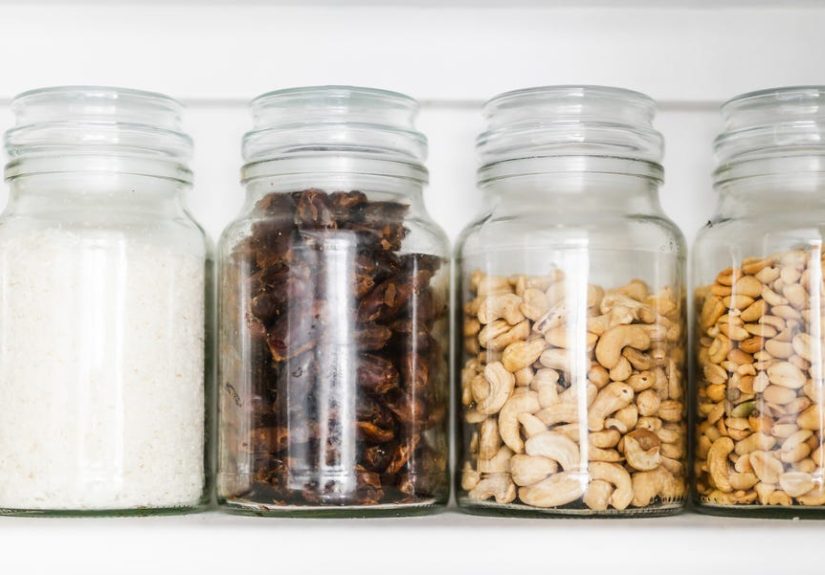
Clear, airtight containers can transform a pantry, but they are most useful when used strategically. Dry goods that come in flimsy or bulky packaging are great candidates for decanting, such as flour, sugar, pasta, cereal, rice, oats, and snacks. These containers make it easier to see what you have, stack items neatly, and keep staples fresher.
That said, not everything needs to be decanted. If you dump every single item into a matching container set, you may end up spending more money than necessary and losing important instructions. A practical compromise is to decant high-use staples and leave specialty items in their original packaging. If cooking directions matter, snip the label or tape a note to the back of the container.
Think of containers as support staff, not the main characters.
Hack #6: Labels Are Not Optional
If containers are the support staff, labels are the management team. Labels make the system understandable at a glance. They also reduce the classic pantry problem where everyone asks where the breadcrumbs are while staring directly at the breadcrumbs.
Label containers, bins, and even shelves if needed. For example:
- “Pasta Night”
- “School Snacks”
- “Baking Basics”
- “Backstock”
- “Use First”
Shelf labels are especially useful in family kitchens because they turn pantry organization into a repeatable system. People are much more likely to return items to the correct spot when the spot is clearly named.
Hack #7: Use Bins, Turntables, and Risers for Deep Shelves
Deep pantry shelves can be sneaky. They look spacious, but they are also where food goes to disappear. The smartest fix is to make deep shelves more pull-friendly and more visible.
Best tools for deep pantry storage
- Clear bins with handles: ideal for packets, snacks, pouches, and baking supplies
- Turntables or lazy Susans: perfect for oils, sauces, vinegars, nut butters, and small jars
- Tiered risers: helpful for canned goods, spices, and short containers
- Stackable drawers: excellent for bars, fruit cups, or small snack packs
These tools do not just make things prettier. They improve visibility. When you can see what is in the back, you are more likely to use it before it expires.
Hack #8: Use the Pantry Door Like It Pays Rent
The back of the pantry door is premium vertical space. Small bins, shallow racks, or adhesive organizers can hold spices, oils, packets, wraps, or go-to condiments. This trick works especially well in smaller kitchens where every inch matters.
Just be careful not to overload the door with heavy items. The goal is convenience, not a dramatic slow-motion collapse when someone reaches for cinnamon.
Hack #9: Follow FIFO to Reduce Waste
FIFO means “first in, first out.” It is one of the simplest expert pantry storage tips and one of the most useful. New groceries go behind older groceries. Older items move to the front where they get used first.
This works beautifully for canned goods, boxed broth, pasta, cereal, and duplicate snack items. You can also create a small “Eat Me First” basket for nearly expired foods or items that got opened recently. That single bin can save a surprising amount of money over time.
And yes, a sticky note on the shelf or a tiny inventory list inside the pantry door can help. Fancy? No. Effective? Absolutely.
Hack #10: Stop Buying More Than Your Space Can Handle
Bulk shopping feels productive until your pantry starts looking like a warehouse with emotional damage. If your space cannot hold giant backup quantities neatly, oversized purchases create clutter instead of convenience.
A better strategy is to buy in bulk only for items your household uses consistently and has room to store properly. Pantry organization gets much easier when your inventory matches your space. Your shelves should not be trying to do CrossFit.
Hack #11: Create a Grab-and-Go System
One of the quickest wins is creating a grab-and-go snack area. Use one drawer, bin, or shelf for the foods people reach for most often. This is especially helpful for kids, work lunches, or after-school chaos.
You can separate this zone into mini categories:
- Sweet snacks
- Salty snacks
- Lunchbox items
- Protein-rich options
It sounds simple because it is. But it keeps the rest of the pantry from getting torn apart every time someone wants crackers.
Hack #12: Build a Quick Maintenance Routine
The best pantry organization ideas fail if they only work on day one. Maintenance is what keeps the space functional.
A realistic pantry reset routine
- After each grocery trip: put older items in front, break down bulky packaging, and return categories to their zones
- Once a week: straighten one shelf, wipe obvious crumbs, and check the snack area
- Once a month: scan dates, clean spills, and update your “use first” list
- Every few months: do a deeper edit and remove foods nobody is actually eating
This routine takes far less effort than doing a giant rescue mission every six months.
Common Pantry Mistakes to Avoid
- Buying organizers before measuring shelves
- Using too many tiny categories
- Storing daily items too high or too low
- Letting backstock mix with ready-to-use food
- Ignoring expiration dates and damaged packaging
- Keeping foods your family does not actually eat
- Creating a beautiful system nobody else understands
The goal is not perfection. The goal is function. A pantry should be easy to maintain on a regular Tuesday, not just photogenic on a Sunday afternoon.
Real-Life Experiences With Instant Pantry Organization Hacks
The most interesting thing about pantry organization is that the little changes usually make the biggest difference. People often expect a dramatic makeover to come from buying an expensive matching set of bins, but real experience says otherwise. The breakthrough usually happens when the system becomes easier than the mess.
For example, one of the most common experiences in busy households is discovering that “visibility” matters more than “capacity.” A family may technically have enough shelf space, but if pasta is hidden behind cereal and canned soup is stacked like a shaky game of kitchen Jenga, the pantry still feels too small. Once those same items are grouped by category and placed in clear bins or on risers, the whole pantry suddenly feels larger. Nothing magical happened. People can just finally see their food.
Another frequent experience is the surprise money savings. After a pantry reset, many people realize they had weeks of meal ingredients already sitting on the shelf. A bag of rice, three cans of black beans, a half-box of pasta, and two jars of marinara can quietly become several dinners. That is why so many organizers recommend creating an “eat this first” area. It turns forgotten items into a plan instead of a future regret.
There is also a huge psychological payoff. A tidy pantry reduces decision fatigue. You spend less time staring, less time shuffling boxes around, and less time muttering, “I know I bought cumin.” Even a ten-minute improvement can make cooking feel easier. And once cooking feels easier, takeout becomes slightly less tempting, which your wallet may appreciate greatly.
Families with kids often notice another benefit: independence. When snacks are corralled into a clearly labeled bin, children can grab what they need without pulling every item off the shelf. Adults who pack lunches or cook quickly before work experience the same benefit. Organized zones turn the pantry into a tool, not a puzzle.
The biggest lesson from real pantry makeovers is that maintenance should be almost boring. If the system requires a color-coded spreadsheet and a degree in shelf geometry, it will not last. But if it is simple enough that anyone in the house can follow it, it sticks. That is the sweet spot. A pantry does not need to be perfect. It needs to make daily life easier, save a little money, cut a little waste, and stop cereal boxes from ambushing you every time you open the door.
Conclusion
The best instant pantry organization hacks are not flashy. They are practical. Empty the shelves, declutter wisely, group like items, use zones, label clearly, and keep older products in front. Add clear containers where they actually help, use turntables and risers for hard-to-see shelves, and stop buying more than your pantry can comfortably hold. Do that, and your pantry becomes more than neat. It becomes useful.
And that is the real expert trick: create a pantry that works so well you barely have to think about it. Beautiful is nice. Functional is better. Beautiful and functional? That is pantry legend.