Table of Contents >> Show >> Hide
- What Makes a Tea Towel “Dramatic”?
- A Brief History: From Polished China to Kitchen Character
- Why Tea Towels Matter in Kitchen Design
- Best Materials for Dramatic Tea Towels
- Design Ideas for Tea Towels with Drama
- How to Style Dramatic Tea Towels
- Practical Tips: Beauty Is Nice, Cleanliness Is Non-Negotiable
- Buying Guide: How to Choose Tea Towels with Character
- Where Tea Towels Work Beyond the Kitchen
- Common Mistakes to Avoid
- Experience Notes: Living with Tea Towels That Steal the Scene
- Conclusion
Some kitchen items behave quietly. A spoon minds its business. A cutting board takes the abuse and says nothing. But a tea towel? A tea towel can absolutely enter the room wearing a cape. It can dry a wine glass, cover rising bread dough, line a picnic basket, frame itself as wall art, and still have the nerve to look charming while hanging from the oven door.
That is the magic of tea towels with a sense of drama. They are not merely kitchen towels. They are tiny textile billboards for taste, humor, memory, color, and personality. In one home, a tea towel may be a crisp linen square with a moody botanical print. In another, it may feature a literary quote, a theatrical illustration, a hand-drawn lobster, or a stripe so handsome it makes the dishwasher feel underdressed.
The modern kitchen has become more than a cooking zone. It is a gathering place, a Zoom background, a homework station, a midnight-snack theater, and occasionally a crime scene involving marinara sauce. Because the kitchen works so hard, even small details matter. Decorative tea towels offer one of the easiest ways to add style without repainting cabinets, buying new hardware, or explaining to your family why the backsplash suddenly costs more than a used car.
What Makes a Tea Towel “Dramatic”?
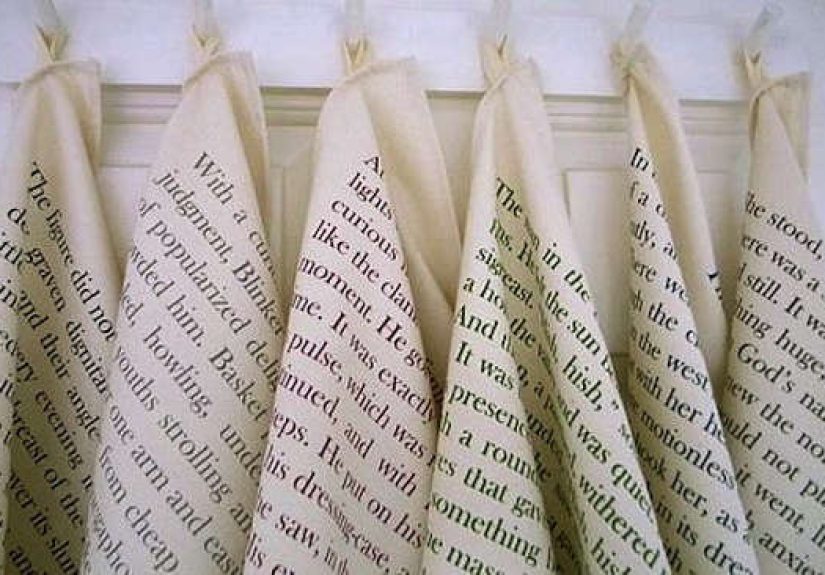
A dramatic tea towel is not necessarily loud, although some are gloriously loud. Drama can come from contrast, scale, story, texture, typography, or an unexpected use. A black-and-white literary tea towel printed with a page from a classic story has drama because it feels clever and theatrical. A linen towel with oversized peonies has drama because it turns an everyday object into a still-life painting. A deep red stripe on natural cotton has drama because it looks like it belongs in a French farmhouse where someone is always simmering something magnificent.
The best dramatic tea towels balance function and personality. They should absorb moisture, dry quickly, survive regular laundering, and look good while doing their job. A towel that looks beautiful but pushes water around like a tiny fabric snowplow is not a hero. It is décor with commitment issues.
A Brief History: From Polished China to Kitchen Character
Tea towels have roots in domestic ritual. Traditionally, they were associated with drying delicate dishes, especially fine china and glassware. Linen was prized because it was smooth, absorbent, strong, and less likely to leave lint behind. Over time, cotton became more common, especially as household textiles became easier and cheaper to produce. Flour sack towels also entered everyday kitchen life, admired for being lightweight, washable, and versatile.
As kitchens became less hidden and more central to home design, tea towels evolved from quiet servants into decorative accents. Designers, artists, museums, restaurants, and small makers began treating the towel as a canvas. Suddenly, the humble cloth could carry maps, recipes, book excerpts, jokes, portraits, seasonal prints, abstract patterns, and hand-screened illustrations. It was still practical, but now it had opinions.
Why Tea Towels Matter in Kitchen Design
Small textiles can change the mood of a kitchen instantly. A dramatic tea towel adds movement, softness, and color to a room often dominated by hard surfaces: stone counters, metal appliances, tile, wood, and glass. The towel breaks up all that structure with fabric, pattern, and a hint of casual life.
They Add Color Without Commitment
Painting cabinets emerald green is bold. Buying an emerald green tea towel is bold with an escape plan. If the color works, wonderful. If it does not, it can retire gracefully to dish duty. This makes tea towels perfect for testing trends such as terracotta, raspberry, chartreuse, deep navy, olive, or warm ochre. You get the thrill of a new palette without the weekend-long renovation spiral.
They Tell a Story
A tea towel can say “I love coastal cooking,” “I collect vintage florals,” “I enjoy literary references,” or “I bought this on vacation and refuse to stop mentioning it.” Unlike generic kitchen accessories, a strong tea towel can connect the kitchen to a place, a season, a favorite artist, or a family memory.
They Create Visual Layers
Great kitchens rarely rely on one design element. They layer color, texture, shine, warmth, and personality. Tea towels add an easy layer. A waffle-weave towel brings texture. A linen towel brings relaxed elegance. A graphic cotton towel brings playfulness. A striped towel brings order, which is helpful when the junk drawer is staging a rebellion.
Best Materials for Dramatic Tea Towels
The material matters. A tea towel should not just look like a star; it should show up for rehearsal.
Linen Tea Towels
Linen is made from flax fibers and is loved for strength, natural luster, absorbency, and quick drying. It softens with use and often has that slightly rumpled, European-market charm that makes even toast look curated. Linen is excellent for drying glassware, polishing, lining bread baskets, and displaying printed artwork. Its texture also gives dramatic designs a refined, painterly quality.
Cotton Tea Towels
Cotton is the everyday champion. It is absorbent, widely available, machine washable, and comfortable to handle. Cotton towels come in many weaves, from flat-woven styles to basketweave and waffle textures. For a tea towel that handles spills, dishes, and daily kitchen traffic, cotton is often the most practical choice.
Flour Sack Towels
Flour sack towels are typically lightweight, flat-woven cotton towels. They are beloved by bakers and practical cooks because they dry quickly, fold small, and can be used for everything from covering dough to drying herbs. Their smooth surface also makes them ideal for printed designs, custom artwork, and recipe towels.
Waffle-Weave Towels
Waffle-weave towels have little pockets that help catch moisture. They often feel more substantial than flat-woven towels and add strong texture to a kitchen. If your dramatic style leans toward modern, tactile, and cozy, waffle weave brings both performance and presence.
Design Ideas for Tea Towels with Drama
There are many ways to bring theatrical flair into the kitchen without making the room look like it is auditioning for a soap opera. The key is choosing drama that supports the room’s existing mood.
1. Literary Tea Towels
For book lovers, literary tea towels are pure delight. Designs printed with excerpts, quotes, classic titles, or library-inspired illustrations can make the kitchen feel witty and personal. They are especially fun in breakfast nooks, open shelving, or kitchens where coffee and reading happen in equal measure.
2. Oversized Florals
Large-scale flowers bring instant visual theater. Peonies, poppies, magnolias, roses, and dark botanical prints feel especially dramatic when placed against simple cabinetry or neutral countertops. Think of them as bouquets that do not wilt or ask for a vase.
3. Graphic Black and White
Black-and-white tea towels are excellent for modern kitchens. Typography, line drawings, checkerboards, abstract marks, and architectural prints add sharpness without overwhelming the space. They are dramatic in the same way a tuxedo is dramatic: crisp, confident, and aware of its angles.
4. Vintage-Inspired Stripes
Stripes may seem simple, but they can be wonderfully dramatic when scaled up or used in rich colors. Red, navy, forest green, mustard, or chocolate stripes can create a café-like mood. They also pair well with wood, marble, brass, and open shelving.
5. Food Illustrations
Illustrated lemons, sardines, tomatoes, oysters, herbs, and pastries are having a long, delicious moment. These towels bring humor and appetite to the room. A tomato towel beside a bowl of real tomatoes? That is not decorating. That is choreography.
6. Travel and Map Prints
Tea towels make excellent souvenirs because they are lightweight, useful, and easy to pack. A map of New Orleans, a lobster from Maine, a vineyard scene from California, or a skyline from New York can turn a kitchen into a quiet scrapbook of places loved and meals remembered.
How to Style Dramatic Tea Towels
Styling tea towels is simple, but a little intention goes a long way. The goal is to make them look casually beautiful, not like they were arranged by a nervous museum intern wearing white gloves.
Hang One Where It Can Be Seen
The oven handle is classic, but hooks, peg rails, towel bars, and cabinet pulls work beautifully. If the towel has a central illustration, hang it so the design is visible. If it has an allover pattern, let it fold naturally.
Use Tea Towels as Table Accents
A dramatic tea towel can become a casual placemat, tray liner, bread basket cover, or napkin substitute. For brunch, fold bold cotton towels under plates for a relaxed, colorful table. For dinner, use linen towels in muted tones to create a more elegant setting.
Frame the Best Ones
Some tea towels are too pretty to face tomato sauce. If a towel has a strong standalone graphic or a centered illustration, frame it as kitchen wall art. Iron or steam it first, choose a clean frame, and hang it where it can be appreciated. This is one of the most budget-friendly ways to get large-scale textile art.
Create a Seasonal Rotation
Keep a small collection and rotate by season. Citrus and blue stripes for summer. Mushrooms, apples, and burnt orange for fall. Deep green, burgundy, and metallic accents for the holidays. Soft florals for spring. This keeps the kitchen fresh without buying new décor every time the weather changes its personality.
Practical Tips: Beauty Is Nice, Cleanliness Is Non-Negotiable
Dramatic tea towels still need to be safe and sanitary. Kitchen towels can pick up moisture, food particles, grease, and bacteria, especially when used for multiple jobs. A smart system keeps the drama visual, not microbial.
Use Separate Towels for Separate Jobs
One towel for drying clean hands, one for dishes, one for counters, and one for messy spills is a simple habit that reduces cross-contamination. Color coding helps. For example, blue for hands, white for dishes, patterned towels for display, and darker utility towels for spills.
Wash Frequently
Tea towels used heavily during cooking should be changed often. If a towel touches raw meat juices, egg, fish, dairy spills, or greasy messes, send it straight to the laundry. Wash kitchen towels in hot water when the fabric allows, and dry them completely before reuse.
Let Towels Dry Between Uses
A damp towel crumpled beside the sink is not resting; it is plotting. Hang towels open so air can circulate. Hooks, rails, and oven handles are useful because they prevent damp fabric from staying bunched up.
Choose Washable Beauty
If you plan to use a towel daily, check that it is machine washable. Hand-printed or decorative towels may need gentler care, while sturdy cotton and flour sack towels usually tolerate frequent washing. The best tea towels become softer and more useful over time.
Buying Guide: How to Choose Tea Towels with Character
Before buying dramatic tea towels, consider how you want them to perform. If you want display pieces, prioritize artwork, color, and texture. If you want daily workhorses, prioritize cotton, absorbency, size, and durability. If you want both, look for high-quality cotton or linen with printed designs that can handle regular laundering.
A good size is usually around 20 by 30 inches, large enough to dry dishes or line a tray but not so huge that it becomes a wrestling match. For glassware, choose linen or lint-free cotton. For spills, choose textured cotton or waffle weave. For baking, keep flour sack towels nearby. For pure drama, choose the towel that makes you grin when you walk into the kitchen.
Where Tea Towels Work Beyond the Kitchen
Tea towels are surprisingly versatile. Use them in a powder room as decorative hand towels, wrap a bottle of wine as a host gift, line a picnic basket, cover warm rolls, protect a serving tray, or wrap homemade bread. A beautiful towel can also become a small curtain, a cabinet skirt, a framed print, or a fabric panel in a gallery wall.
This flexibility is part of their charm. A dramatic tea towel is low-risk design with high daily visibility. It works hard, washes clean, and can change roles whenever the room needs a little refresh.
Common Mistakes to Avoid
First, do not buy towels only for looks if you expect them to work. Some decorative towels are better as display pieces than dish dryers. Second, avoid using the same towel for hands, dishes, counters, and spills. That is not efficiency; that is a bacteria road trip. Third, do not hide your best towels forever. Use them, display them, rotate them, and enjoy them. A beautiful tea towel stuffed in a drawer is just fabric having a very dull retirement.
Experience Notes: Living with Tea Towels That Steal the Scene
The funny thing about dramatic tea towels is how quickly they become part of the rhythm of a home. A plain towel disappears into the background, but a memorable one starts conversations. Guests notice it while reaching for coffee. Someone asks where it came from. Someone else reads the quote printed across it. Suddenly, an object meant for drying cups is doing social work.
In everyday use, the most successful tea towel collections usually include both stars and stagehands. The stars are the printed linens, the witty illustrated towels, the souvenir pieces, and the ones with colors too good to waste on soup splatter. The stagehands are the sturdy cotton towels that mop up coffee, dry mixing bowls, cushion hot pans, and survive laundry day without making a fuss. A kitchen works best when both groups know their roles.
One of the most satisfying ways to use dramatic tea towels is to create small scenes. A navy striped towel under a loaf of sourdough makes the counter look intentional, even if the rest of the kitchen is currently hosting three unpaid bills and a banana of questionable age. A floral linen towel folded beside a teapot makes an ordinary afternoon feel like a small event. A bright tomato towel hanging near a pot of pasta sauce adds humor, especially when the sauce inevitably attempts escape.
Tea towels also carry memory better than many larger objects. A mug may chip, a candle burns down, but a towel from a museum shop, farmers market, coastal town, or favorite restaurant can stay in rotation for years. It becomes soft at the corners. The print fades slightly. The fabric relaxes. Instead of looking worse, it looks lived in. That is a rare quality in home décor: aging with charm instead of apology.
There is also a quiet pleasure in matching towels to tasks. Flour sack towels are wonderful for baking days because they are light and breathable. Waffle towels feel right for serious cleanup because the texture grabs moisture. Linen towels shine when glassware needs polishing or when a table needs a little elegance. Cotton utility towels handle the messy middle: spills, hands, counters, and the mysterious puddle that appears near the sink even though everyone denies involvement.
The best experience, however, is emotional. Dramatic tea towels make the kitchen feel less mechanical. They remind us that utility does not have to be bland. A kitchen can be efficient and expressive, clean and colorful, practical and a little theatrical. After all, cooking already has drama: steam, knives, timing, smoke alarms, ambitious recipes, and the occasional heroic rescue of toast. The tea towel simply dresses for the occasion.
Conclusion
Tea towels with a sense of drama prove that great design does not need to be expensive, oversized, or complicated. Sometimes it is a square of linen printed with a story, a cotton towel in a bold stripe, a botanical illustration hanging from a hook, or a flour sack towel that works harder than half the appliances. These small textiles bring color, texture, humor, memory, and function into the kitchen. They dry dishes, protect hands, line baskets, become art, and make everyday routines feel more personal.
If your kitchen feels a little flat, start with one dramatic tea towel. Choose a design that makes you smile, a fabric that performs well, and a place where it can be seen. It may be the smallest design upgrade in the room, but do not underestimate it. In the theater of the kitchen, the tea towel may not be the lead actor, but it often gets the best lines.