Table of Contents >> Show >> Hide
- Why Fall Mums Dry Out So Fast
- What Soaking Mums in a Bucket Actually Does
- When You Should Soak Fall Mums ASAP
- How to Soak Fall Mums in a Bucket of Water
- How Often Should You Soak Mums?
- Top Watering vs. Bottom Soaking: Which Is Better?
- The Biggest Mistake: Soaking Without Drainage
- Other Ways to Keep Fall Mums Blooming Longer
- Can You Plant Fall Mums After Soaking?
- Signs Your Mum Is Underwatered
- Signs Your Mum Is Overwatered
- My Porch-Tested Experience With Soaking Fall Mums
- Final Thoughts: Give Your Mums the Soak They Deserve
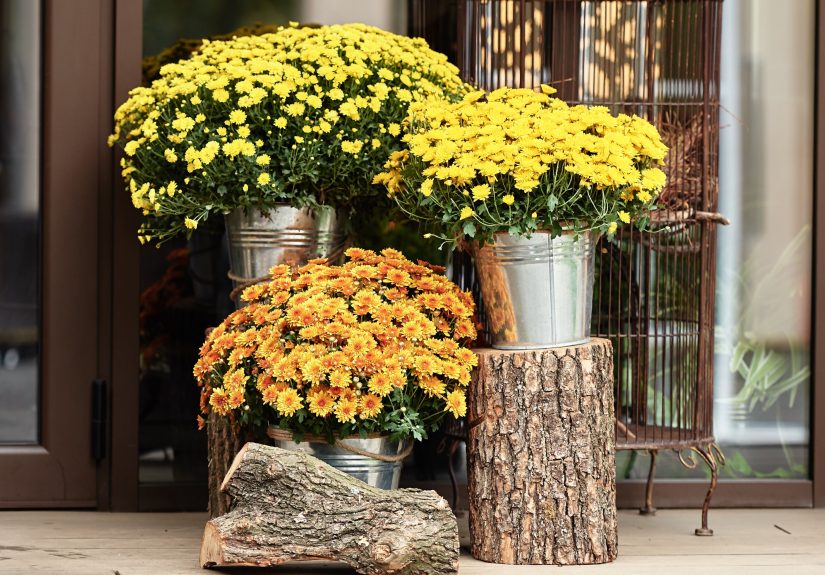
Fall mums are the unofficial porch mascots of autumn. They sit beside pumpkins, wave cheerfully from front steps, and make your home look like it has its life togethereven if there is still a beach towel in the back seat from July. But here is the tiny gardening twist many people miss: those gorgeous potted chrysanthemums you just bought may already be thirsty before they ever reach your porch.
That is why soaking fall mums in a bucket of water can be such a smart move. Not forever. Not every day. Not like you are preparing them for a floral swimming competition. A simple bottom soak can rehydrate the root ball, help dry potting mix absorb water again, and give stressed mums the moisture reset they need to keep blooming longer.
If your mums look droopy, crispy around the edges, or oddly sad despite your best “I watered it yesterday” defense, the problem may be that water is running around the root ball instead of soaking through it. A bucket soak helps solve that problem from the bottom upliterally.
Why Fall Mums Dry Out So Fast
Fall mums, also called garden chrysanthemums, are famous for their dense mounds of flowers. That packed, colorful shape is part of their charm. It is also part of the reason they get thirsty so quickly. A mature potted mum has a lot of leaves, stems, buds, and blooms pulling water from a relatively small amount of soil.
Most mums sold in fall are grown in nursery pots that are just large enough to support the plant through the sales season. By the time you bring one home, the roots may already be circling the pot, the soil may be compacted, and the plant may be covered with hundreds of tiny blooms waiting to open. In other words, it is beautifulbut it is also working harder than a squirrel in October.
Containers Make the Problem Worse
Plants in containers dry out faster than plants in the ground because they have limited soil volume. The sides of the pot heat up. Wind pulls moisture from the plant. Sun warms the root zone. If your mum is sitting on a porch, step, or patio, reflected heat from concrete or brick can make the pot dry even faster.
That is why a potted mum may need water far more often than an in-ground perennial. During warm, dry, or windy fall weather, checking the soil daily is not being dramatic. It is simply good mum manners.
What Soaking Mums in a Bucket Actually Does
Soaking a potted mum in a bucket of water is a form of bottom watering. Instead of pouring water over the top of the soil and hoping it reaches the roots, you place the pot in water and allow moisture to enter through the drainage holes. This gives the dry root ball time to absorb water evenly.
The method is especially helpful when potting mix becomes very dry. Once peat-based mixes dry out completely, they can become stubborn and water-resistant. You may pour water on top and watch it rush straight down the sides of the pot, out the drainage holes, and onto your porch like the plant is rejecting your kindness. Meanwhile, the center of the root ball stays dry.
A bucket soak slows everything down. Water rises into the pot from the bottom, saturating the root zone more thoroughly. The roots can then move that moisture up into the leaves, stems, buds, and flowers. For a thirsty mum, this can be the difference between “autumn centerpiece” and “decorative tumbleweed.”
When You Should Soak Fall Mums ASAP
You do not need to soak every mum every morning. In fact, please do not. Mums like consistent moisture, but they do not want to live in a swamp. Bucket soaking is most useful in specific situations.
1. Your Mum Looks Wilted Soon After Buying It
Many fall mums sit outside garden centers, grocery stores, and big-box retailers before being purchased. Some are watered well. Some are watered “eventually.” If you bring home a mum and it looks slightly limp, give it a careful soil check. If the pot feels light and the soil is dry, soaking can help revive it.
2. Water Runs Straight Through the Pot
This is the classic sign of a dry root ball. You water from the top, but within seconds, water streams out of the bottom. That does not always mean the plant is hydrated. It may mean the soil has pulled away from the sides of the pot, allowing water to escape without soaking the roots.
3. The Plant Feels Light
Pick up the pot. A well-watered container feels noticeably heavier than a dry one. Once you learn the difference, this simple test becomes surprisingly reliable. Yes, you may look like you are weighing mums at the store like tiny floral dumbbells, but your plants will thank you.
4. The Buds Are Drying Before They Open
If unopened buds are shriveling, browning, or failing to bloom, inconsistent watering may be part of the problem. Mums need steady moisture during bloom because flower production requires energy and hydration.
5. The Weather Has Been Warm, Windy, or Dry
Fall weather can be sneaky. A cool morning can turn into a warm afternoon, and a breezy porch can dry a pot faster than expected. If the plant is exposed to sun and wind, its water needs increase.
How to Soak Fall Mums in a Bucket of Water
The process is simple, but there are a few details that matter. The goal is to rehydrate the root ballnot drown the plant, wash soil everywhere, or create a suspicious muddy soup beside your front door.
Step 1: Choose the Right Container
Use a bucket, sink, storage tub, or deep tray large enough to hold the mum’s nursery pot. The container should be deep enough for water to reach several inches up the side of the pot, but you do not need to submerge the flowers or foliage.
Step 2: Keep the Mum in Its Pot
Do not remove the plant from the pot unless you are repotting or planting it. The drainage holes are what allow water to move upward into the root ball.
Step 3: Add Water Slowly
Place the pot in the bucket and add water until it reaches about halfway up the side of the nursery pot. If the pot tries to float, hold it down gently for a few moments or add water more gradually. Very dry pots can behave like corks at first.
Step 4: Let It Soak
Allow the mum to soak for about 20 to 60 minutes, depending on how dry it is. A severely dry plant may need closer to an hour. A mildly dry one may only need 20 or 30 minutes. You may see bubbles rising from the soil at first; that is air being displaced as water enters the potting mix.
Step 5: Drain Completely
This step is not optional. After soaking, lift the pot out and let it drain thoroughly. Set it somewhere that extra water can escape. Never leave a mum sitting in a saucer full of water for hours. Moist soil is good. Soggy soil is a root-rot invitation with a floral bow on it.
How Often Should You Soak Mums?
Think of bucket soaking as a reset, not a routine. If your mum is healthy and the soil absorbs water normally, top watering at the soil level is usually enough. Water deeply until water runs from the drainage holes, then let the pot drain.
Use bucket soaking when the plant is newly purchased, badly dried out, or not absorbing water well from above. After that, check soil moisture regularly. If the top inch or two of soil feels dry, it is time to water. If it still feels moist, give the plant a little breathing room.
Watering on a strict calendar can cause problems because conditions change. A mum in full sun on a windy porch may dry in a day. A mum in cool weather on a shaded step may stay moist much longer. The soil test beats the calendar every time.
Top Watering vs. Bottom Soaking: Which Is Better?
Both methods have a place. Top watering is convenient and works well when the soil is still absorbent. Bottom soaking is better when the root ball has dried out and needs a deeper rehydration.
Use Top Watering When:
- The soil absorbs water easily.
- The plant is not wilted.
- You are doing regular maintenance watering.
- You can water at the soil line without soaking flowers and leaves.
Use Bucket Soaking When:
- The pot feels extremely light.
- The soil has pulled away from the container edge.
- Water runs through without soaking in.
- The plant is wilted from dryness.
- You just brought the mum home and suspect it was under-watered.
The best approach is not choosing one forever. It is knowing when each method makes sense. Your mum does not need a personal spa day every morning, but it may need one good soak to get back on track.
The Biggest Mistake: Soaking Without Drainage
Here is where many good intentions go soggy. Mums need moisture, but they also need oxygen around their roots. If the pot has no drainage holes, water collects at the bottom and roots can suffocate or rot. That is why decorative containers can be tricky.
Many store-bought mums come in plastic nursery pots slipped inside cute foil, baskets, or decorative sleeves. These covers may hold excess water. Before watering, remove the decorative wrap or check that water can drain freely. After watering, never let the plant sit in trapped water.
If you place your mum inside a decorative planter, make sure the inner pot drains. Empty the outer pot after watering. It is a small habit that can prevent a big, mushy problem.
Other Ways to Keep Fall Mums Blooming Longer
Soaking helps with hydration, but it is only one part of fall mum care. To keep those blooms looking fresh, combine proper watering with smart placement and maintenance.
Give Mums Plenty of Sun
Mums bloom best with bright light. In many regions, full sun is ideal, especially during the cooler days of fall. If your mum is indoors or on a covered porch with low light, it may fade faster or produce fewer blooms.
Water at the Soil Level
Try not to soak the flowers and leaves when watering. Wet foliage can encourage disease issues, especially when air circulation is poor. Aim for the soil near the base of the plant.
Deadhead Spent Flowers
Remove faded blooms to keep the plant tidy and encourage energy to go toward remaining buds. Deadheading also prevents the plant from looking like it gave up halfway through the season.
Avoid Buying Fully Open Plants Too Early
A mum covered in fully open flowers looks irresistible at the store, but it may not last as long at home. For a longer show, choose a plant with many tight or partially open buds. It is less instant drama, more long-term porch success.
Protect from Extreme Heat
Mums enjoy cooler fall conditions. If temperatures spike, move potted mums where they get morning sun and some afternoon protection. Heat stress can shorten bloom time and increase watering needs.
Can You Plant Fall Mums After Soaking?
Yes, but results vary. Garden mums can be perennial in many climates, while florist mums are often treated as seasonal decorations. If you want a mum to return next year, plant it as early in fall as possible so roots have time to establish before freezing weather.
Before planting, water the mum well. A bucket soak can be useful if the root ball is dry. Then plant it in well-drained soil at the same depth it was growing in the pot. Add mulch after the ground cools, but avoid piling mulch directly against the crown.
Spring-planted mums generally have the best chance of becoming strong, repeat performers because they have a full growing season to establish roots. Fall-planted mums can survive, but they are often busy blooming instead of building roots. Basically, they are putting all their energy into looking fabulous, which is relatable but not always practical.
Signs Your Mum Is Underwatered
Underwatered mums often show stress quickly. Look for drooping stems, curling leaves, crispy edges, dry buds, and soil that pulls away from the pot. The container may feel very light when lifted.
If the plant is only slightly wilted, a deep watering may fix it. If the root ball is very dry, use the bucket soak method. After draining, place the mum in bright light but avoid harsh afternoon heat while it recovers.
Signs Your Mum Is Overwatered
Overwatered mums can look wilted too, which is why checking the soil matters. If leaves are yellowing, stems feel soft, the soil smells sour, or the pot stays wet for days, the problem may be too much water rather than too little.
If that happens, stop soaking. Let the pot drain fully and move it to a spot with better airflow and appropriate light. Make sure the container has drainage holes. If roots have rotted severely, the plant may not recover, but improving drainage gives it the best chance.
My Porch-Tested Experience With Soaking Fall Mums
The first time I learned the bucket trick, it was not because I was a wise gardener with a charming basket of hand tools. It was because I had purchased two enormous orange mums, placed them proudly by the front door, and then watched one of them collapse like it had heard disappointing news.
I had watered it from the top. I had even given it a confident little pep talk, which, in fairness, was not listed on the care tag. Water came out of the bottom of the pot, so I assumed the job was done. The next afternoon, the leaves still looked limp and the buds looked dry. That was when I picked up the pot and realized it weighed almost nothing. The water had escaped around the root ball without properly soaking it.
So I filled a bucket, set the nursery pot inside, and let it soak. At first, the pot floated slightly, which was my first clue that the soil was drier than a forgotten cracker. After a few minutes, bubbles rose from the pot. The root ball slowly absorbed water, and the container became heavier. After about 40 minutes, I lifted it out and let it drain completely.
By the next day, the plant looked noticeably better. It was not magic in the fairy-godmother sense, but it was close enough for porch gardening. The leaves had perked up, the buds stopped crisping, and the mum went on blooming for several more weeks. The other mum, which had not dried out as badly, did fine with normal soil-level watering. That taught me the real lesson: soaking is not a one-size-fits-all schedule. It is a rescue tool.
Since then, I check every new fall mum before decorating with it. I remove any plastic sleeve, feel the soil, lift the pot, and water based on what the plant actually needs. If the pot feels suspiciously light or water runs through too fast, it gets a bucket soak before joining the pumpkin lineup. If the soil is already evenly moist, I leave it alone.
I have also learned that placement matters more than people think. A mum sitting on a sunny concrete step dries faster than one tucked near a cooler, shaded entryway. Windy porches are especially thirsty places. A beautiful fall arrangement can go from “magazine cover” to “seasonal crime scene” in two warm afternoons if the pots are ignored.
My best results come from a simple rhythm: soak once when needed, water deeply at the soil level afterward, deadhead fading blooms, and never let the pot sit in standing water. I also try to buy mums with lots of unopened buds instead of grabbing the fullest bloomer in the store. The budded plants look quieter at first, but they usually put on a longer show.
The biggest surprise is how fast mums respond when the problem is dryness. A plant that looks tired in the evening can look much better the next day after a proper soak and drain. Of course, not every crispy mum can be saved. If the stems are brittle and the flowers are completely dried out, it may be too late. But if there is still flexible growth and some green leaves, a bucket soak is absolutely worth trying.
In my experience, the bucket method is less about fancy gardening and more about paying attention. Fall mums are not difficult plants, but they are thirsty, dramatic, and very bad at quietly suffering. They will tell you when they need help. You just have to listen before they turn into porch potpourri.
Final Thoughts: Give Your Mums the Soak They Deserve
Soaking fall mums in a bucket of water is one of the easiest ways to rescue a dry, stressed potted plant. It helps rehydrate the root ball, encourages even moisture, and gives your chrysanthemums a better chance to stay colorful through the season.
The key is balance. Mums need consistent moisture while blooming, but they also need excellent drainage. Use bucket soaking when the soil is dry, compacted, or refusing to absorb water. After soaking, let the pot drain completely and return to regular soil-level watering as needed.
With a little attention, your mums can remain the cheerful stars of your fall porch display instead of becoming crunchy decorations by the mailbox. Give them water, give them light, remove tired blooms, and yeswhen they need itgive them a bucket soak. It is the closest thing to a spa day your autumn flowers will ever get.