Table of Contents >> Show >> Hide
- What Is a Chrome-Plated Brass Lamp Socket?
- Common Uses for Lamp Socket Chrome-Plated Brass Parts
- Key Features to Check Before Buying
- Chrome-Plated Brass vs. Other Lamp Socket Materials
- Design Benefits of Chrome-Plated Brass Lamp Sockets
- Safety and Installation Considerations
- How to Choose the Best Lamp Socket Chrome-Plated Brass Option
- Maintenance Tips for Chrome-Plated Brass Lamp Sockets
- Real-World Experiences With Lamp Socket Chrome-Plated Brass
- Conclusion
A lamp socket chrome-plated brass part may look like a tiny detail in the grand drama of home lighting, but do not be fooled by its size. This small metal workhorse is where design, electrical function, bulb compatibility, and long-term durability all shake hands. In a table lamp, pendant light, sconce, or restored vintage fixture, the socket is the point where the bulb meets power. In other words, it is the lamp’s handshake with electricityand nobody wants a weak handshake when wiring is involved.
Chrome-plated brass lamp sockets are especially popular because they combine the practical strengths of brass with the crisp, reflective look of chrome. Brass brings toughness, machinability, and resistance to normal atmospheric corrosion. Chrome plating adds a polished modern finish that fits beautifully with glass shades, nickel hardware, marble bases, industrial pendants, and minimalist interiors. The result is a lamp component that can feel both classic and contemporary, like a tuxedo jacket worn with excellent sneakers.
This guide explains what chrome-plated brass lamp sockets are, how they work, where they are used, what to check before buying one, and why the right socket can make an ordinary lighting project feel more refined, reliable, and intentional.
What Is a Chrome-Plated Brass Lamp Socket?
A chrome-plated brass lamp socket is a light bulb holder made with brass as the core metal and finished with a thin chrome coating. The socket holds the bulb mechanically and provides electrical contact through the bulb base. In many U.S. household lamps, the most common socket style is the E26 medium base, which accepts the standard screw-in bulbs found in table lamps, floor lamps, pendants, and many ceiling fixtures.
The “E” in E26 refers to the Edison screw base, while “26” refers to the approximate diameter of the bulb base in millimeters. For most American homeowners, that simply means “the normal screw-in bulb size.” A chrome-plated brass version gives that everyday socket a cleaner, brighter, more premium appearance.
Why Brass Under the Chrome?
Brass is a copper-zinc alloy known for good strength, workability, and resistance to everyday corrosion. For lighting hardware, that matters because lamp sockets and socket covers may be handled, adjusted, warmed by bulbs, and exposed to dust, moisture in the air, or years of ordinary room conditions. Brass also has a long history in decorative lighting because it can be stamped, machined, threaded, and finished in many ways.
Why Chrome on the Outside?
Chrome plating creates a bright, reflective surface that is easy to pair with modern interiors. It can make a simple exposed bulb pendant look sharper and a restored lamp look freshly tailored. Chrome is often chosen for bathrooms, kitchens, studios, retail displays, and contemporary spaces because it reflects light and visually “cleans up” the hardware. It is shiny without being loudunless, of course, you polish it under a spotlight, at which point it may briefly believe it is a celebrity.
Common Uses for Lamp Socket Chrome-Plated Brass Parts
Chrome-plated brass sockets appear in many lighting projects, from practical repairs to full decorative builds. Their appeal comes from the fact that they can function as either a visible design element or a discreet internal part hidden beneath a shade.
Table Lamp Repairs
One of the most common uses is replacing a worn or outdated table lamp socket. If an old lamp flickers, has a damaged switch, or no longer grips bulbs properly, a replacement socket may restore the lamp’s usefulness. Chrome-plated brass is especially attractive when the lamp already has silver-tone accents, crystal details, clear glass, chrome feet, or a cool-toned shade frame.
Floor Lamps and Reading Lamps
Floor lamps often get more daily handling than people realize. A turn-knob socket or pull-chain socket can be switched on and off thousands of times over its lifetime. A sturdy metal socket with a durable finish can make the lamp feel less flimsy and more dependable. For reading lamps, socket quality matters because the bulb may remain on for long periods, so matching the socket rating to the bulb and fixture is essential.
Pendant Lights and Exposed Bulb Fixtures
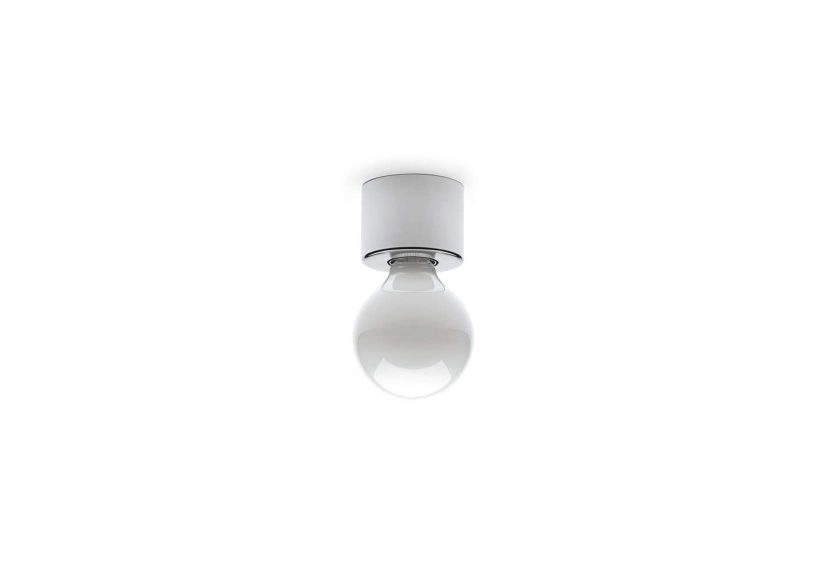
In pendant lighting, the socket may be fully visible. That is where chrome-plated brass shinesliterally and aesthetically. It works well with clear glass globes, ribbed glass shades, Edison-style LED bulbs, white ceramic canopies, black cloth-covered cord, and polished metal ceiling plates. In an exposed design, a cheap-looking socket can make the whole fixture feel unfinished. A chrome-plated brass socket, by contrast, looks intentional.
Vintage Lamp Restoration
Vintage lamps often have beautiful bases but tired electrical parts. Replacing the socket can help preserve the look while improving everyday usability. Chrome-plated brass is useful when restoring mid-century, Art Deco, industrial, or machine-age pieces where silver-tone metal feels historically and visually appropriate. The goal is not to make the lamp look brand-new in a boring way. The goal is to make it look cared for, like it finally got a haircut and remembered it had posture.
Key Features to Check Before Buying
Not every chrome-plated brass lamp socket is right for every project. Before buying, check the technical details carefully. A socket is not a decorative bead or a drawer pull. It is an electrical component, and “close enough” is not a design philosophy; it is how lamps become suspicious.
1. Bulb Base Compatibility
Most household lamps in the United States use an E26 medium base socket, but not all fixtures do. Smaller decorative lamps may use E12 candelabra sockets, while specialty fixtures may use other bases. Always match the socket to the intended bulb type. If your bulb is E26, choose an E26 socket. If your fixture needs E12, do not try to negotiate with physics.
2. Wattage and Voltage Rating
Socket ratings vary. Many medium-base lampholders are rated for values such as 250 volts and hundreds of watts, but the lamp, cord, shade, and fixture may have lower limits. The safest choice is to follow the lowest rating in the whole assembly. Modern LED bulbs usually use far fewer watts than incandescent bulbs, but heat and enclosure conditions still matter. Never exceed the socket, bulb, or fixture rating.
3. Switch Style
Chrome-plated brass lamp sockets may come in several switch types. A turn-knob socket has a small rotary knob on the side. A pull-chain socket uses a chain for operation, often convenient on table lamps or workshop-style fixtures. A keyless socket has no switch and is controlled by a wall switch, cord switch, dimmer, or smart plug. A three-way socket is designed for three-way bulbs, allowing multiple brightness levels when used with the correct bulb.
4. Threading and Mounting
Many lamp sockets and caps use standard lamp pipe threading, commonly seen as 1/8-IP in lamp repair and restoration contexts. This is not the same as ordinary plumbing pipe sizing, even though both may make you stare at threaded metal tubes in a hardware aisle like a detective with no sleep. Check whether the socket cap, nipple, harp saddle, shade holder, and fixture body are compatible.
5. Listing and Safety Markings
For electrical parts, look for recognized safety listings and manufacturer documentation. UL standards cover lampholders and related lamp connectors, and many reputable lamp sockets are sold as UL listed or compliant with applicable standards. A safety listing does not mean you can install the part carelessly, but it does indicate the component has been evaluated for defined use conditions.
Chrome-Plated Brass vs. Other Lamp Socket Materials
Lamp sockets can be made from phenolic resin, porcelain, aluminum, steel, brass, or combinations of metal shells and insulating interiors. Each material has a role.
Chrome-Plated Brass vs. Phenolic
Phenolic sockets are common in many lamps because they are insulating, affordable, and practical. However, they are usually not chosen for decorative exposure. If the socket will be visible, chrome-plated brass provides a more polished appearance. Phenolic can be perfectly useful, but visually it often says, “I came from the parts bin.” Chrome-plated brass says, “I was invited.”
Chrome-Plated Brass vs. Porcelain
Porcelain sockets are often used where heat resistance is a priority, such as utility fixtures, ceiling lampholders, or certain high-temperature applications. They are sturdy and practical but not always the sleekest option for decorative lamps. Chrome-plated brass is typically chosen when the socket is part of the visible design language.
Chrome-Plated Brass vs. Plain Brass
Plain brass has a warm, golden look that suits traditional, vintage, and cozy interiors. Chrome-plated brass is cooler and more reflective, making it better for modern, industrial, glam, or minimalist spaces. The choice is partly technical and partly aesthetic. If your room leans toward walnut, leather, and warm linen, brass may feel natural. If it leans toward glass, white walls, polished stone, and black accents, chrome may be the sharper match.
Design Benefits of Chrome-Plated Brass Lamp Sockets
Chrome-plated brass sockets are not just about function. They also influence the mood of a fixture. In lighting design, small hardware choices can change the whole personality of a lamp.
A Clean, Reflective Finish
Chrome reflects surrounding colors and light, which helps it blend into many design schemes. In a room with white walls and cool metals, it can almost disappear. In a darker room, it catches highlights and gives the fixture a crisp edge. That reflective quality is particularly useful on exposed-bulb pendants, where every part of the fixture is visible.
Works With Many Shade Styles
A chrome-plated brass socket can pair well with clear glass, smoked glass, opal glass, linen shades, metal shades, and bare decorative bulbs. It is especially effective with globe bulbs and tubular LED bulbs because the socket becomes part of the visual composition instead of an awkward mechanical interruption.
Premium Feel in Small Details
People may not consciously notice a lamp socket first, but they feel the difference when the details are right. A solid-looking socket, clean finish, smooth switch action, and snug fit all communicate quality. Like cabinet hinges or door handles, lamp sockets live in the world of touchpoints. They are small, but they quietly judge the rest of the room.
Safety and Installation Considerations
Working with lamp sockets involves electricity, so safety should come before style. Before repairing or replacing any lamp socket, unplug the lamp or disconnect power at the circuit. If the fixture is hardwired, use proper lockout precautions and verify that power is off. If you are not comfortable identifying wires, securing terminals, checking polarity, or following local code, hire a qualified electrician.
For portable lamps, inspect the cord, plug, strain relief, socket shell, insulator, harp, shade, and bulb clearance. Replacing only the socket while ignoring a cracked cord is like buying new shoes for a bicycle with no wheels. The lamp may look improved, but the real problem remains.
Also consider heat. LED bulbs are cooler and more efficient than old incandescent bulbs, but they still produce heat, especially in enclosed shades. Use bulbs approved for the fixture type and do not exceed ratings. If a shade traps heat or sits too close to the bulb, choose a lower-wattage LED that provides the desired light output without stressing the socket or shade.
How to Choose the Best Lamp Socket Chrome-Plated Brass Option
Start with the lamp’s purpose. A bedside lamp may benefit from a smooth turn-knob socket. A workshop-style lamp may be easier to use with a pull chain. A pendant controlled by a wall switch usually needs a keyless socket. A traditional living room lamp with a three-way bulb needs a three-way socket.
Next, match the finish. Chrome looks best when it repeats another element in the room: chrome faucet, polished nickel cabinet pulls, stainless appliances, silver picture frames, glass table legs, or cool metal furniture details. Repetition makes the socket look deliberate instead of random.
Finally, buy from reputable suppliers and check the specifications. Look for clear information about base size, rating, switch type, finish, mounting method, and listing status. A good socket listing should tell you more than “shiny lamp thing.” If the description is vague, the part may be too.
Maintenance Tips for Chrome-Plated Brass Lamp Sockets
Chrome-plated brass is relatively easy to care for. Dust it with a soft dry cloth and avoid abrasive pads that can scratch the surface. For fingerprints, use a slightly damp cloth, then dry the socket immediately. Avoid harsh chemicals unless the manufacturer specifically approves them. Chrome may look tough, but it appreciates manners.
Periodically check that the bulb seats properly and that the switch feels normal. If you notice buzzing, flickering, burning smells, heat damage, discoloration, looseness, or intermittent operation, stop using the lamp until it is inspected. A lamp socket is not a place for optimism. If it acts strange, believe it.
Real-World Experiences With Lamp Socket Chrome-Plated Brass
One of the most satisfying things about using a chrome-plated brass lamp socket is how quickly it can change the character of a fixture. In a small apartment makeover, for example, a plain pendant cord with a black plastic socket may look temporary, almost like the room is still waiting for its real lighting to arrive. Swap that visible socket for chrome-plated brass, add a clear globe bulb, and suddenly the fixture looks intentional. The ceiling did not move. The wiring path did not change. But the whole impression becomes cleaner and more finished.
In vintage lamp repair, the difference can be even more dramatic. Imagine a mid-century ceramic lamp with a beautiful speckled glaze, a good linen shade, and a socket that has turned dull, sticky, or unreliable after decades of use. A chrome-plated brass replacement can respect the original character while giving the lamp a refreshed, usable feel. The lamp keeps its soul, but it stops behaving like it needs a nap.
Another common experience comes from matching hardware in a room. Many homeowners focus on large finishesfaucets, cabinet pulls, curtain rods, and furniture legsbut forget the lighting details. Then one lamp has antique brass, another has black hardware, another has brushed nickel, and the room starts collecting finishes like fridge magnets. Choosing chrome-plated brass sockets for several visible lamps or pendants can quietly unify the space. The result is subtle, but the room feels more edited.
Chrome-plated brass sockets are also helpful in rental-friendly lighting projects. A plug-in pendant with a visible socket can be hung from a ceiling hook and plugged into a nearby outlet, giving a reading corner or dining nook more personality without hardwiring. In that setup, the socket is fully exposed, so the finish matters. Chrome keeps the look bright and modern, especially with a white cord, clear cord, or black fabric cord.
For DIY builders, the biggest lesson is patience. Measure first. Confirm the bulb base. Check the socket type. Verify how the shade attaches. Make sure the switch location makes sense after installation. A pull chain that hides behind a shade is not charming; it is a daily arm workout. A turn knob pressed against the wall is not minimalist; it is annoying. The best chrome-plated brass socket is not merely the prettiest one. It is the one that fits the lamp, fits the bulb, fits the user’s hand, and fits the room.
Over time, a quality socket becomes one of those upgrades you stop noticing because it simply works. The bulb screws in smoothly. The switch feels steady. The finish stays attractive with ordinary cleaning. The lamp turns on without drama. That may not sound exciting, but in home design, reliable details are goldor in this case, chrome-plated brass.
Conclusion
A lamp socket chrome-plated brass component is a small part with a big job. It supports the bulb, contributes to electrical contact, influences safety, and shapes the finished look of the lamp. Brass provides a dependable metal foundation, while chrome plating delivers a clean, reflective finish that works beautifully in modern, vintage, industrial, and transitional interiors.
Whether you are repairing a favorite table lamp, restoring a vintage piece, building a pendant light, or upgrading visible hardware, choose a socket with the correct base size, rating, switch type, mounting style, and safety listing. When in doubt, consult a qualified electrician. Good lighting should make a room feel warm, stylish, and usefulnot make you wonder why the lamp is flickering like it has secrets.
In the end, chrome-plated brass lamp sockets prove that details matter. They are practical, attractive, and surprisingly powerful in the overall design of a fixture. A better socket will not write your novel, clean your garage, or stop you from buying another throw pillow. But it can make your lighting look sharper, work better, and feel like it belongs.