Table of Contents >> Show >> Hide
- How Experts Choose the Best Potty Training Books
- 16 Best Potty Training Books for Toddlers and Parents
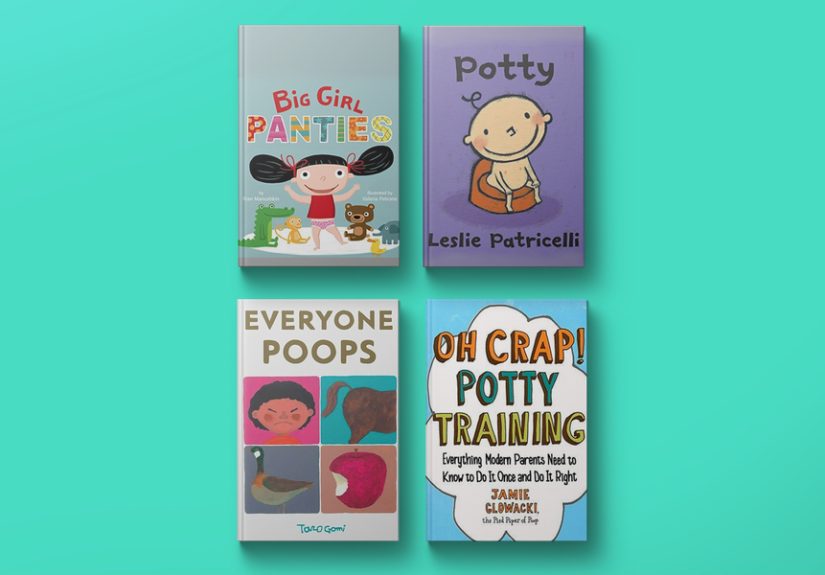
- 1. Potty by Leslie Patricelli
- 2. Everyone Poops by Taro Gomi
- 3. A Potty for Me! by Karen Katz
- 4. Once Upon a Potty by Alona Frankel
- 5. The Potty Book for Girls and The Potty Book for Boys by Alyssa Satin Capucilli
- 6. Diapers Are Not Forever by Elizabeth Verdick
- 7. P is for Potty! featuring Sesame Street characters
- 8. Daniel Goes to the Potty by Maggie Testa
- 9. Let’s Go to the Potty! by Allison Jandu
- 10. What Is Poop? by Katie Daynes
- 11. Where’s the Poop? by Julie Markes
- 12. Big Girl Panties by Fran Manushkin
- 13. Big Boy Underpants by Fran Manushkin
- 14. Ready to Go: Pee and Ready to Go: Poop by Lovevery
- 15. Potty Time with Bean by Ms. Rachel
- 16. Oh Crap! Potty Training by Jamie Glowacki
- Bonus Parent Guide: Stress-Free Potty Training by Sara Au and Peter L. Stavinoha, Ph.D.
- How to Use Potty Training Books Effectively
- What Experts Want Parents to Remember About Potty Training
- Common Potty Training Book Mistakes to Avoid
- of Real-Life Experience: What Potty Training Books Actually Teach Parents
- Conclusion
Potty training is one of those parenting milestones that sounds simple until you are standing in the hallway with a toddler, a tiny toilet, three sticker charts, and the emotional stability of a soggy paper towel. The good news? The right potty training book can make the whole process feel less mysterious for your child and less like a household science experiment for you.
Experts generally agree that potty training works best when children show readiness, understand the basic body signals, can communicate needs, and feel supported rather than pressured. Books help with all of that. They introduce words like “pee,” “poop,” “potty,” “underwear,” and “try again” before the big day arrives. They also normalize accidents, routines, flushing, washing hands, and the very important toddler belief that sitting on the potty for six seconds counts as a full business meeting.
This guide rounds up the 16 best potty training books for toddlers and parents, based on pediatric guidance, occupational therapy recommendations, parenting experts, popular book lists, and real-world usefulness. Some are silly board books. Some are gentle social-story-style books. A few are parent guides for grown-ups who want an actual plan instead of “just wing it and hope the carpet survives.”
How Experts Choose the Best Potty Training Books
The best potty training books are not just cute. They do a job. A good book helps a child understand what the potty is, what their body is doing, what the routine looks like, and what happens when they do not make it in time. Experts often recommend books that are simple, positive, repetitive, emotionally safe, and developmentally appropriate.
For toddlers, that usually means sturdy board books, clear illustrations, familiar routines, humor, and short sentences. For parents, it means books that explain readiness signs, accidents, resistance, poop fears, nighttime training, and how to stay calm when your child proudly announces “I peed!” from the wrong side of the bathroom door.
16 Best Potty Training Books for Toddlers and Parents
1. Potty by Leslie Patricelli
Best for: Toddlers who like simple, funny board books
Leslie Patricelli’s Potty is a modern classic because it speaks fluent toddler. The book is short, goofy, and direct, following a baby who wonders whether to go in a diaper or try the potty. The illustrations are expressive, the language is simple, and the tone is wonderfully low-pressure.
This is a strong first potty book because it does not overload children with rules. It simply introduces the idea that using the potty is something people can learn. For toddlers who are just becoming curious, that gentle introduction is gold.
2. Everyone Poops by Taro Gomi
Best for: Normalizing poop without turning it into a dramatic family event
If your child is perfectly happy to pee in the potty but treats poop like a classified government operation, Everyone Poops can help. This beloved book explains, in a funny and matter-of-fact way, that all living creatures poop. No shame. No weirdness. No panic music.
Experts often like books that reduce anxiety, and this one does exactly that. It makes poop ordinary, which is helpful because toddlers are very good at making ordinary things feel like Broadway-level drama.
3. A Potty for Me! by Karen Katz
Best for: Kids who enjoy lift-the-flap books
Karen Katz’s cheerful lift-the-flap style gives toddlers something to do while they absorb the message. A Potty for Me! follows a child learning to use the potty, trying, waiting, having accidents, and eventually succeeding.
The interactive format is a big advantage. Toddlers are hands-on learners, and flaps make the story feel playful instead of preachy. The book also reinforces one of the most useful potty training messages: trying matters, even when success does not happen instantly.
4. Once Upon a Potty by Alona Frankel
Best for: Clear, straightforward explanations
Once Upon a Potty has been around for decades for a reason. Available in versions for boys and girls, it explains body parts, diapers, potties, and the process of learning in a direct, practical way.
This book is less flashy than some newer titles, but that can be a strength. Some children do better with plain explanations and predictable storytelling. If your toddler likes knowing exactly what is happening, this book is a dependable choice.
5. The Potty Book for Girls and The Potty Book for Boys by Alyssa Satin Capucilli
Best for: Toddlers who enjoy character-based stories
These books follow a child who receives a potty chair and gradually learns what it is for. The story format is reassuring because it shows potty training as a process rather than a magical one-day transformation.
That matters. Many toddlers need to see a character practice, pause, wonder, and try again. These books also help parents introduce the potty before active training begins, making the real-life version feel more familiar.
6. Diapers Are Not Forever by Elizabeth Verdick
Best for: Gentle encouragement and routine building
Diapers Are Not Forever is warm, positive, and practical. It explains that diapers are for babies and that children can learn to use the potty when they are ready. The language is simple, and the book includes helpful reminders about washing hands and asking for help.
This is a good pick for families who want a calm, encouraging tone. It avoids pressure while still making the potty feel like a normal next step.
7. P is for Potty! featuring Sesame Street characters
Best for: Sesame Street fans and reluctant beginners
Familiar characters can work wonders. When Elmo is involved, some toddlers suddenly become experts in cooperation. P is for Potty! uses Sesame Street friends to explain wet diapers, potty practice, accidents, and success.
Because the book is colorful and interactive, it can hold the attention of children who might otherwise wander off mid-page to investigate a spoon, a sock, or absolutely nothing.
8. Daniel Goes to the Potty by Maggie Testa
Best for: Kids who love Daniel Tiger and routine songs
Daniel Tiger books are popular because they pair everyday toddler challenges with memorable little songs. Daniel Goes to the Potty helps children understand that when they need to go, they should stop and go right away.
This message is practical. Many toddlers wait until the last possible second, then run like tiny emergency vehicles. A simple routine phrase can help them connect the feeling in their body with the next action.
9. Let’s Go to the Potty! by Allison Jandu
Best for: Step-by-step potty confidence
Allison Jandu is a potty training consultant, and this book brings a gentle coaching feel to toddler-friendly storytelling. It introduces what potty training looks and feels like, with playful illustrations and a short rhyming potty song.
This is especially useful for children who like routines. The book gives them words to use when they need help, which supports one of the most important readiness skills: communication.
10. What Is Poop? by Katie Daynes
Best for: Curious kids who ask “why?” 427 times before breakfast
What Is Poop? is not only a potty training book, but it is extremely useful during potty learning. This lift-the-flap book answers body questions in a kid-friendly way and makes digestion less mysterious.
For children who are worried about poop, information can be comforting. The goal is not to give a biology lecture. The goal is to make body functions feel normal, safe, and maybe even a little funny.
11. Where’s the Poop? by Julie Markes
Best for: Toddlers who like guessing games
This playful book uses animals and hiding spots to introduce the idea that poop belongs in a specific place. The guessing-game structure keeps toddlers engaged, while the message stays clear: everybody has a place to go.
Books like this are helpful because they remove some of the intensity from potty training. Instead of another lecture from a grown-up, the child gets a game. Toddlers often learn better when nobody is making their eyebrows too serious.
12. Big Girl Panties by Fran Manushkin
Best for: Kids excited by underwear independence
Big Girl Panties celebrates the move from diapers to underwear with cheerful rhymes and bright illustrations. It is upbeat, simple, and confidence-building.
This book works well for children who are motivated by the idea of becoming more independent. That said, underwear should feel exciting, not like a high-pressure graduation ceremony. Keep it fun, and keep extra laundry detergent nearby. Both things can be true.
13. Big Boy Underpants by Fran Manushkin
Best for: Toddlers who want a boy-focused underwear story
This companion title has the same upbeat energy as Big Girl Panties. It focuses on the pride and independence that can come with wearing underpants and learning to use the potty.
It is a good match for families who want a short, positive book that can be read often. Repetition helps toddlers, and a quick book is much easier to repeat than a 40-page epic about bathroom destiny.
14. Ready to Go: Pee and Ready to Go: Poop by Lovevery
Best for: Realistic routines and emotional readiness
Lovevery’s Ready to Go books use real-life photography and gentle storytelling to show the steps of using the potty. They also acknowledge feelings, including misses and pride after success.
These books are especially helpful for children who respond well to realistic images rather than cartoon animals. Real photos can make the routine easier to understand: notice the feeling, go to the potty, sit, try, wipe, flush, wash hands, and celebrate calmly.
15. Potty Time with Bean by Ms. Rachel
Best for: Ms. Rachel fans and music-loving toddlers
Ms. Rachel’s Potty Time with Bean brings a familiar, encouraging voice to the potty training shelf. The book follows Bean learning to use the potty and includes songs, illustrations, and a reassuring tone.
This is a smart pick for toddlers who already connect with Ms. Rachel’s teaching style. Familiarity can lower resistance, and music can make a new routine feel less intimidating. Also, if a song helps your toddler sit long enough to try, that song deserves a tiny trophy.
16. Oh Crap! Potty Training by Jamie Glowacki
Best for: Parents who want a structured plan
This one is for grown-ups. Oh Crap! Potty Training is one of the most talked-about parent guides because it offers a clear, direct approach to moving out of diapers. Many parents appreciate its structure, especially when they want a plan instead of vague encouragement.
It may not fit every family’s personality, and that is okay. Some parents love a firm framework; others prefer a gentler, more gradual approach. The best potty training book for parents is the one that helps you stay consistent, calm, and realistic.
Bonus Parent Guide: Stress-Free Potty Training by Sara Au and Peter L. Stavinoha, Ph.D.
If you want a parent-focused guide that emphasizes temperament, Stress-Free Potty Training is worth considering. It helps parents think about whether their child is cautious, strong-willed, sensitive, impulsive, or simply not ready yet. That approach can be useful because children do not potty train like identical robots rolling off a diaper-free assembly line.
How to Use Potty Training Books Effectively
Read before you start training
Do not wait until the first official potty day to introduce books. Read them a week or two before you begin. Let your child point, laugh, ask questions, and build comfort. The potty should feel familiar before it becomes part of the daily routine.
Use the same words every time
Experts often recommend clear, consistent language. Pick words your family is comfortable with, such as pee, poop, potty, toilet, underwear, wipe, flush, and wash. Try not to switch terms constantly. Toddlers are learning a new process and a new vocabulary at the same time.
Pair books with real-life practice
After reading, you might say, “The child in the book sat on the potty. Do you want to sit for a moment too?” Keep it casual. No pressure. No countdown clock. No courtroom atmosphere.
Read at neutral times
Potty books work best when your child is relaxed. Bedtime, morning reading, or quiet playtime can be better than reading right after an accident. If a child feels embarrassed, a cheerful potty book may feel less like encouragement and more like a tiny lecture with pictures.
Let your child choose favorites
You may love the expert-approved book with the perfect developmental message. Your toddler may prefer the one with the funniest cartoon face. Let them choose. Buy-in matters. A book your child requests repeatedly is doing its job.
What Experts Want Parents to Remember About Potty Training
Books are helpful, but they are not magic wands. Potty training depends on readiness, patience, consistency, and a child’s growing ability to connect body signals with action. Many children begin showing readiness somewhere around the toddler years, but the timing varies. Some children are interested early. Others need more time. A late start is not a parenting failure; it is often just a child being a child.
Look for signs such as staying dry for longer stretches, showing curiosity about the bathroom, telling you when a diaper is wet or dirty, following simple directions, pulling pants up and down, and wanting to imitate older children or adults. If those skills are not there yet, books can still gently prepare your child without forcing the issue.
It is also important to avoid shame. Accidents are part of learning. So are false alarms, suspicious silence, and the occasional announcement that the stuffed dinosaur also needs to potty. Praise effort, keep cleanup boring and calm, and remember that pressure often backfires.
Common Potty Training Book Mistakes to Avoid
Choosing a book that is too long
A detailed book may impress adults, but toddlers need short, clear, repeatable stories. If your child closes the book and leaves, the message is not landing.
Turning reading into a test
Try not to quiz your toddler after every page. “Where does pee go? What do we do next? Are you ready now? How about now?” That can make potty training feel stressful. Let the story breathe.
Using books to pressure success
A book should prepare and encourage, not create a deadline. Avoid saying things like, “See? The child in the book did it, so you should too.” Toddlers are tiny, adorable opposition machines. Pressure often activates the “absolutely not” department.
Ignoring poop anxiety
Some children learn pee first and struggle with poop. Books like Everyone Poops, What Is Poop?, and Where’s the Poop? can help normalize the topic. If your child seems to be in pain, avoids stooling, or has ongoing constipation concerns, check in with a pediatrician.
of Real-Life Experience: What Potty Training Books Actually Teach Parents
One of the biggest surprises about potty training books is that they are not only for kids. Parents learn from them too. A good potty book reminds adults to slow down, simplify the message, and stop expecting a toddler to understand a process that even adults discuss with awkward whispering.
In real homes, potty training rarely looks like a perfect three-day success story. It often starts with curiosity. A toddler follows a parent into the bathroom, points at the toilet, asks a question, or tries sitting on the potty fully clothed while holding a cracker. That still counts as progress. Potty books help parents recognize these small moments as part of the learning curve.
Many families find that reading the same book every day creates comfort. The child begins to memorize the routine: pants down, sit, try, wipe, flush, wash hands. Even if they are not ready to perform every step independently, the sequence becomes familiar. Familiar things are less scary. This is especially true for children who dislike surprises or feel nervous about loud flushing sounds, new bathrooms, or letting go of diapers.
Another real-life lesson: humor helps. Toddlers love silly words, funny faces, animal poop, and songs about bathroom business. Adults may feel slightly ridiculous singing a potty song in the hallway, but if it lowers tension, it works. Laughter can turn the potty from a battleground into a normal part of the day.
Parents also discover that different books solve different problems. A child who is confused about the potty may need a simple book like Potty. A child who is worried about poop may respond better to Everyone Poops. A child who loves characters may connect with Daniel Tiger, Elmo, or Ms. Rachel. A child who needs realism may prefer books with photographs. There is no single best book for every toddler because there is no single toddler operating system.
The most useful experience-based tip is to keep books available but not forced. Place a few near the potty, a few in the bedroom, and one in the diaper bag if you travel. Read them when your child asks. Mention the potty casually. Celebrate effort. If your child loses interest or resists, step back for a bit. A pause is not failure; sometimes it is the smartest move.
Finally, potty training books teach parents to stay humble. You may buy the perfect potty chair, the expert-approved book, the tiny underwear, and the reward chart with glittery stars, only for your toddler to decide the real hero is a random library book about a duck. That is parenting. The goal is not perfection. The goal is helping your child feel safe, capable, and proud as they learn a very big life skill one small bathroom trip at a time.
Conclusion
The best potty training books make a new milestone feel understandable, normal, and even fun. For toddlers, books like Potty, Everyone Poops, A Potty for Me!, P is for Potty!, and Potty Time with Bean offer friendly introductions. For parents, guides like Oh Crap! Potty Training and Stress-Free Potty Training can provide structure and perspective.
Start with your child’s temperament. Choose silly books for humor-loving kids, realistic books for routine-focused kids, character books for fans of familiar faces, and parent guides if you need a plan. Most importantly, keep the tone positive. Potty training is not a race. It is a learning processwith more laundry than anyone requested, yes, but also plenty of proud little victories.
Note: This article is for general educational purposes and is based on real pediatric guidance, parenting expert recommendations, and widely reviewed potty training book resources. For persistent pain, constipation, urinary symptoms, major regression, or concerns about developmental readiness, caregivers should consult a pediatrician.