Table of Contents >> Show >> Hide
- What Are Deviled Eggs?
- Why Deviled Eggs Never Go Out of Style
- Classic Deviled Eggs Recipe
- The Secret to Perfect Hard-Cooked Eggs
- How to Peel Eggs Without Losing Your Patience
- How to Make the Filling Creamy, Not Gummy
- Best Deviled Egg Variations
- Make-Ahead Tips for Parties
- Food Safety: How Long Can Deviled Eggs Sit Out?
- Common Deviled Egg Mistakes
- Serving Ideas for Deviled Eggs
- of Real-Life Deviled Egg Experience
- Conclusion
Deviled eggs are the tiny tuxedos of the appetizer table: neat, classic, a little dramatic, and somehow always gone before the casserole has even introduced itself. They show up at Easter brunch, summer cookouts, Thanksgiving buffets, baby showers, church suppers, game-day spreads, and the occasional midnight refrigerator raid that no one needs to discuss publicly.
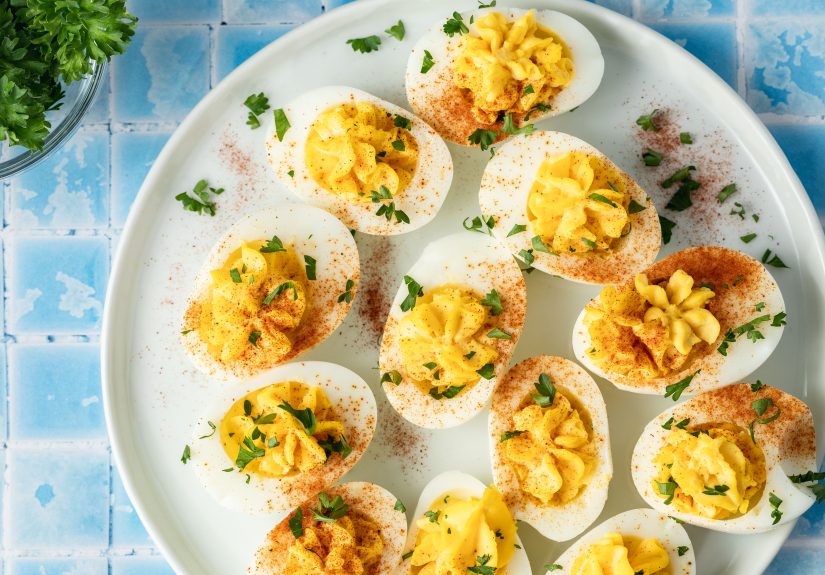
At their simplest, deviled eggs are hard-cooked eggs sliced in half, filled with a creamy yolk mixture, and finished with a sprinkle of paprika. But “simple” does not mean boring. A good deviled egg is creamy without being pasty, tangy without being sour, seasoned all the way through, and pretty enough to make people hover near the platter pretending they are “just looking.”
This guide covers how to make classic deviled eggs, how to avoid rubbery whites and chalky yolks, how to store them safely, and how to turn one basic recipe into a dozen party-worthy variations. Bring eggs, mustard, mayonnaise, and a sense of humor. The paprika is optional, but emotionally recommended.
What Are Deviled Eggs?
Deviled eggs are hard-cooked eggs that have been peeled, halved, and refilled with a seasoned yolk mixture. The classic filling usually includes mayonnaise, mustard, vinegar or pickle juice, salt, pepper, and paprika. The word “deviled” traditionally refers to foods seasoned with spicy, zesty, or sharp ingredients. In this case, mustard, pepper, paprika, hot sauce, or cayenne do the devilish little dance.
Despite the dramatic name, deviled eggs are friendly food. They are inexpensive, easy to scale for a crowd, naturally gluten-free, and endlessly customizable. They can lean Southern with sweet pickle relish, elegant with fresh herbs, smoky with bacon, spicy with jalapeño, or luxurious with a touch of butter and chives.
Why Deviled Eggs Never Go Out of Style
The staying power of deviled eggs comes down to three things: flavor, nostalgia, and convenience. Eggs provide a rich, savory base. Mayonnaise makes the filling smooth. Mustard and vinegar wake everything up. Paprika adds color and a whisper of spice. It is a small bite with big personality.
They also carry a strong emotional pull. Many Americans first meet deviled eggs at family gatherings, where someone’s aunt guards the “secret recipe” as if it were the launch code to the moon. The secret is often extra mustard, a little pickle juice, or the fact that she actually tastes the filling before serving it. Revolutionary? No. Effective? Absolutely.
Deviled eggs also solve the party-host puzzle. They can be prepared in stages, arranged beautifully, and served cold. They do not require forks. They do not demand oven space. They sit politely on a platter and make you look organized, even if the rest of the kitchen resembles a documentary about weather disasters.
Classic Deviled Eggs Recipe
Ingredients
- 6 large eggs
- 3 tablespoons mayonnaise
- 1 teaspoon yellow mustard or Dijon mustard
- 1 teaspoon white vinegar, apple cider vinegar, or pickle juice
- 1/8 teaspoon fine salt, plus more to taste
- 1/8 teaspoon black pepper
- Paprika, for garnish
- Optional: hot sauce, relish, chives, dill, bacon, or cayenne
Instructions
- Place eggs in a saucepan and cover with cold water by about one inch.
- Bring the water to a boil, then turn off the heat, cover the pan, and let the eggs stand for 10 to 12 minutes.
- Transfer the eggs immediately to an ice bath and let them cool for at least 10 minutes.
- Peel the eggs carefully, then slice each egg in half lengthwise.
- Scoop the yolks into a bowl and place the whites on a serving platter.
- Mash the yolks with mayonnaise, mustard, vinegar, salt, and pepper until smooth.
- Taste the filling and adjust with more mustard, vinegar, salt, or pepper.
- Spoon or pipe the filling back into the egg whites.
- Dust with paprika and chill until ready to serve.
This recipe makes 12 deviled egg halves. For a party, assume most guests will eat two halves, while enthusiastic relatives may treat that number as a polite opening offer.
The Secret to Perfect Hard-Cooked Eggs
Great deviled eggs begin before the mayonnaise enters the room. The egg itself matters. Overcooked eggs develop rubbery whites and dry yolks, sometimes with a greenish ring around the yolk. That ring is harmless, but it does not exactly whisper “elegant appetizer.”
The best method is controlled cooking followed by fast cooling. Whether you boil, steam, or use an electric pressure cooker, the goal is the same: fully set yolks, tender whites, and easy peeling. Many cooks prefer steaming because it can make peeling easier. Others like the classic cold-water method because it is familiar and reliable.
Boiling Method
Place eggs in a single layer, cover with cold water, bring to a boil, remove from heat, cover, and rest for 10 to 12 minutes. Then move the eggs directly into ice water. The ice bath stops carryover cooking and helps the egg contract slightly from the shell.
Steaming Method
Bring water to a boil in a pot fitted with a steamer basket. Add the eggs, cover, and steam for about 12 minutes. Transfer to ice water. This method is especially useful when you want clean peeling and consistent results.
How to Peel Eggs Without Losing Your Patience
Peeling eggs can turn a calm cook into a person muttering threats at breakfast food. To make the job easier, cool the eggs thoroughly in ice water, crack them gently all over, and peel under running water or in a bowl of water. The water helps loosen the membrane between the shell and the white.
Older eggs are often easier to peel than very fresh eggs. That does not mean ancient eggs from the back of the fridge deserve a second career, but eggs that are a few days old may behave better than eggs bought that morning. For the smoothest presentation, peel slowly and accept that one egg may turn ugly. That egg is the cook’s snack. This is not failure; this is kitchen justice.
How to Make the Filling Creamy, Not Gummy
The best deviled egg filling is smooth, fluffy, and balanced. Start by mashing the yolks thoroughly with a fork. For an extra-silky texture, press the yolks through a fine mesh sieve or use a small food processor. Then add mayonnaise gradually. Too little mayonnaise makes the filling crumbly; too much makes it loose and heavy.
Mustard and acid are what keep the filling lively. Yellow mustard gives a nostalgic deli-style flavor, while Dijon adds sharper depth. Vinegar, lemon juice, or pickle juice cuts through the richness. A small pinch of salt in the yolk mixture is essential, but do not forget the whites. A tiny sprinkle of salt on the egg whites before filling can make the whole bite taste more complete.
Best Deviled Egg Variations
Southern Deviled Eggs
Add sweet pickle relish, yellow mustard, and a generous dusting of paprika. This version is creamy, tangy, and slightly sweet. It belongs beside ham, potato salad, and someone telling a story that starts with “Now, I’m not gossiping, but…”
Bacon Deviled Eggs
Fold crisp, finely chopped bacon into the filling or sprinkle it on top. Add chives for freshness. Bacon gives salt, crunch, and smoky flavor, which is why it has never once been asked to leave a party.
Spicy Deviled Eggs
Add hot sauce, cayenne, minced jalapeño, or chipotle powder. For balance, use a little extra mayonnaise or a touch of pickle juice. Spicy deviled eggs are excellent for game day, cookouts, and guests who say “I like heat” with suspicious confidence.
Dill Pickle Deviled Eggs
Replace vinegar with pickle juice and stir in finely chopped dill pickles. Garnish with fresh dill. This variation is bright, briny, and perfect for people who believe pickles improve nearly everything, including moods.
Herby Deviled Eggs
Add chopped parsley, dill, tarragon, or chives. Fresh herbs lighten the filling and make the eggs feel polished. This is the version to serve when you want classic deviled eggs with a little garden-party energy.
Extra-Creamy Deviled Eggs
For a richer filling, blend one or two extra hard-cooked yolks into the mixture, or add a small amount of softened butter. The result is fuller, smoother, and more luxurious. It is not an everyday move, but deviled eggs are not exactly salad, so let us not suddenly pretend restraint is the main character.
Make-Ahead Tips for Parties
Deviled eggs are excellent make-ahead appetizers, but timing matters. For the freshest texture, cook and peel the eggs ahead, make the filling separately, and assemble shortly before serving. Store the egg white halves in an airtight container and keep the filling in a sealed bag or container in the refrigerator.
If you use a zip-top bag for the filling, push out extra air before sealing it. When it is time to serve, snip off one corner and pipe the filling into the whites. This saves time, reduces mess, and makes you look like the sort of person who owns matching storage containers.
For best results, assemble deviled eggs the same day you serve them. They can be made several hours in advance and kept chilled. If you need to prepare components one day ahead, keep the whites and filling separate until closer to serving time.
Food Safety: How Long Can Deviled Eggs Sit Out?
Because deviled eggs contain cooked eggs and a creamy filling, they should be kept cold. Do not leave them at room temperature for more than two hours. If the weather is hot, especially at an outdoor picnic or barbecue, shorten that window and keep the platter over ice when possible.
Store deviled eggs in the refrigerator at 40 degrees Fahrenheit or below. Hard-cooked eggs can generally be refrigerated for up to one week, but assembled deviled eggs are best eaten sooner for quality and safety. If they smell odd, look watery, or have been sitting out too long, do not negotiate with them. Throw them away and protect your guests from a memorable evening for the wrong reasons.
Common Deviled Egg Mistakes
Overcooking the Eggs
Overcooked eggs create dry yolks and bouncy whites. Use a timer and cool the eggs quickly in ice water.
Underseasoning the Filling
Egg yolks need salt, acid, and mustard to shine. Taste before filling the whites. If the mixture tastes flat, add a pinch of salt or a few drops of vinegar.
Making the Filling Too Loose
Add mayonnaise gradually. A filling that is too soft will slump instead of sitting proudly in the egg white.
Skipping Texture
A smooth filling is lovely, but toppings make deviled eggs exciting. Try bacon, herbs, fried onions, crushed potato chips, pickled onions, or toasted breadcrumbs.
Serving Them Warm
Deviled eggs taste best chilled. Warm deviled eggs are not charmingly rustic; they are a warning sign.
Serving Ideas for Deviled Eggs
Deviled eggs fit almost anywhere. Serve them with barbecue ribs, fried chicken, glazed ham, sandwiches, roasted vegetables, salads, or brunch casseroles. They also make an excellent low-carb snack and a protein-rich appetizer for gatherings.
Presentation matters because people eat with their eyes first and their group chat second. Use a deviled egg tray if you have one. If not, line a platter with lettuce, herbs, or a clean kitchen towel to keep the eggs from sliding around. Pipe the filling with a star tip for a fancy look, or use two spoons for a relaxed homemade style.
Garnish just before serving. Paprika is traditional, but do not stop there. Chives add color, dill adds freshness, bacon adds crunch, and a tiny slice of pickle announces that this egg came to socialize.
of Real-Life Deviled Egg Experience
Here is the truth about deviled eggs from a practical, lived-in kitchen point of view: they are easy until you are making them for other people. Then suddenly every egg white looks like it is auditioning for a medical textbook, the filling is either too stiff or too soft, and the paprika lands in one dramatic red avalanche instead of a delicate dusting. The good news is that deviled eggs are forgiving. Even the imperfect ones disappear.
One of the best lessons is to cook more eggs than you think you need. If you want 24 neat halves, cook 14 eggs instead of 12. A couple may crack. One may peel badly. One may become the official “quality control” egg. Having extras also lets you add more yolk to the filling, which makes each deviled egg look generously stuffed instead of shy and underfunded.
Another experience-based tip: do not assemble them too early if presentation matters. The filling can dry slightly on top, and the whites can release moisture. For a family lunch, that is no tragedy. For a party platter, it is better to keep the filling in a bag and pipe it shortly before serving. This one habit can make homemade deviled eggs look like they came from a very responsible catering company.
Seasoning is where many deviled eggs lose their sparkle. A filling that tastes bold in the bowl will taste milder once it is paired with the egg white. That is why tasting matters. Mustard should be noticeable. Acid should brighten the richness. Salt should make the egg taste more like itself, not like a salt lick in formalwear. If the filling tastes heavy, add vinegar or pickle juice. If it tastes sharp, add a touch more mayonnaise. If it tastes boring, add mustard, salt, or hot sauce.
Texture also matters more than people expect. A silky filling is wonderful, but a crunchy garnish can make deviled eggs unforgettable. Bacon is the obvious champion, but crushed potato chips, fried shallots, chopped pickles, celery, or toasted breadcrumbs can add the tiny crunch that makes guests ask what you did differently. The answer can be “culinary instinct,” even if the real answer is “I found chips in the pantry.”
Finally, deviled eggs are best served with confidence. Do not apologize for them. Do not announce that the peeling went badly. Do not explain that the piping bag was actually a sandwich bag with ambition. Place them on the table, sprinkle the garnish, and watch. People will take one politely, then circle back for another with the stealth of raccoons in party clothes. That is the magic of deviled eggs: humble ingredients, big reward, and a platter that somehow empties faster than dessert.
Conclusion
Deviled eggs prove that classic recipes become classics for a reason. They are creamy, tangy, affordable, flexible, and welcome at nearly every American gathering. The key is simple technique: cook the eggs gently, cool them quickly, season the filling boldly, and keep everything chilled until serving.
Once you master the basic deviled eggs recipe, you can customize it endlessly. Add relish for Southern charm, bacon for smoky crunch, herbs for freshness, hot sauce for heat, or butter for extra richness. Whether you serve them at Easter, Thanksgiving, a backyard barbecue, or a Tuesday snack plate that accidentally becomes dinner, deviled eggs always know how to make an entrance.