Table of Contents >> Show >> Hide
- A Tiny Cup With a Surprisingly Big Personality
- What Is East Fork Pottery’s Toddler Cup?
- Why Parents Like It
- Why Adults Secretly Love It Even More
- Design: Small, Handmade, and Handsome
- Material and Everyday Durability
- How to Use the Toddler Cup at Home
- Is It Worth the Price?
- East Fork’s Brand Appeal
- Care Tips for Long-Term Use
- Real-Life Experience: Living With East Fork Pottery’s Toddler Cup
- Conclusion: A Small Cup That Earns Its Shelf Space
Editor’s note: East Fork currently sells this beloved little vessel as the Tiny Cup, while noting that it was formerly known as the Toddler Cup. For readers searching for East Fork Pottery’s Toddler Cup, yes, this is the tiny legend you’re looking for.
A Tiny Cup With a Surprisingly Big Personality
Some household objects enter your life quietly. A spoon. A towel. A drawer organizer you swore would change everything and then immediately filled with mystery rubber bands. East Fork Pottery’s Toddler Cup is not one of those quiet objects. It may be small enough for little hands, but it has the confidence of a full-size dinnerware icon.
Originally known as the Toddler Cup and now officially sold as the Tiny Cup, this small stoneware cup is designed for little sips, daily rituals, and the kind of domestic charm that makes a kitchen shelf look as if it has its life together. Made in Asheville, North Carolina, East Fork’s tiny cup fits into the brand’s larger world of handmade, lead-free stoneware, thoughtful colors, and useful forms built for everyday life rather than special-occasion hibernation.
The appeal is easy to understand. It is small, sturdy, dishwasher safe, microwave safe, and charming without acting precious. It can hold a toddler’s small serving of milk, a child’s apple juice, a grown-up’s espresso, a scoop of berries, a few crackers, a soft-boiled egg, or the tiny emergency handful of chocolate chips that technically counts as self-care. In other words, it is a cup, but also a mood.
What Is East Fork Pottery’s Toddler Cup?
East Fork Pottery’s Toddler Cup is a small ceramic cup made from 100% lead-free stoneware. The current Tiny Cup measures about 2.25 inches in diameter by 2.7 inches high, weighs roughly 0.3 pounds, and holds 3 ounces to the brim. That size makes it especially friendly for children learning to handle real tableware, but it also explains why adults keep stealing it for espresso, tea, snacks, sauces, vitamins, toothpicks, and whatever else needs to look more intentional on the counter.
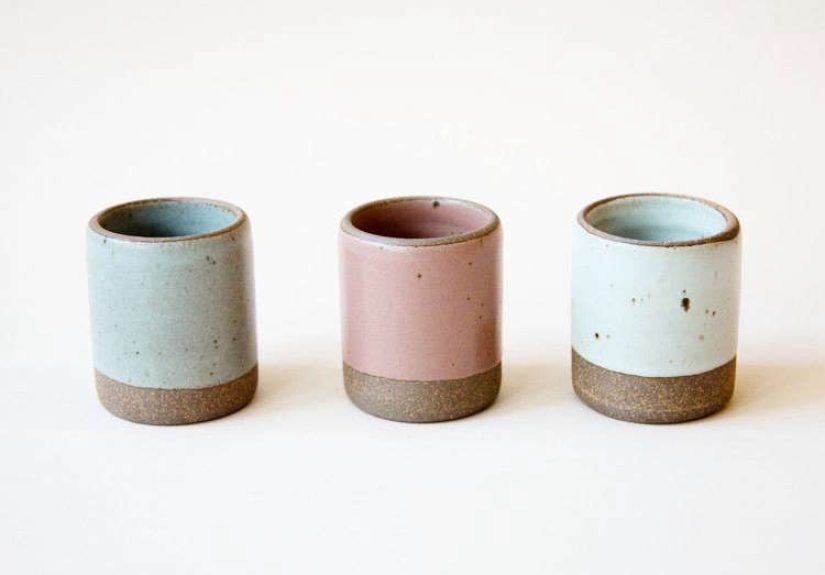
The cup is available individually or in four-packs, depending on color and stock. Like other East Fork pottery, it comes in a mix of year-round core colors and limited seasonal glazes. The brand’s palette tends to feel earthy, calm, and quietly expressive: shades like Panna Cotta, Morel, Eggshell, Amaro, Blue Ridge, Heron, Black Mountain, Thistle, Lagoon, and Water Lily. If colors had personalities, these would be the friends who own linen napkins but still laugh at bad puns.
Why It Was Called a Toddler Cup
The original name made sense because the form is built around small hands and small servings. Toddlers do not need giant cups. They need manageable portions, a shape they can grip, and something that makes drinking feel exciting rather than like another boring adult instruction. The Toddler Cup offered a beautiful alternative to plastic sippy cups once a child was ready for open-cup practice.
That said, East Fork is honest about reality: stoneware is durable, but it is still pottery. A three-year-old, a ceramic cup, and a tile floor can quickly become a tiny Greek tragedy. The Toddler Cup is best used with supervision, especially during early learning stages. It is not meant to replace unbreakable daycare gear or outdoor playground drinkware. It is more like training wheels for real table manners, only cuter and much easier to photograph next to pancakes.
Why Parents Like It
Parents tend to appreciate the East Fork Toddler Cup for three main reasons: size, material, and ritual. The 3-ounce capacity helps limit spills. A small pour of milk or juice is easier to clean up than a full tumbler, and any parent who has wiped apple juice off a chair leg understands the value of spill management. The cup also encourages children to slow down and practice holding a real vessel with care.
The material matters, too. East Fork describes its pottery as 100% lead free, dishwasher safe, and microwave safe. For families trying to reduce plastic at the table, a small ceramic cup can feel like a meaningful upgrade. It looks good, feels good in the hand, and does not scream “cartoon raccoon doing skateboard tricks” from across the dining room. Nothing against cartoon raccoons, but sometimes breakfast deserves peace.
Finally, there is the ritual. Children notice when they are trusted with something real. A special cup can turn an ordinary snack into a moment of independence. It says, “You are part of the table.” That is a surprisingly powerful message for a vessel that can barely hold more than a few gulps.
Why Adults Secretly Love It Even More
Here is the open secret: East Fork Pottery’s Toddler Cup is not only for toddlers. In fact, adults may be the most enthusiastic users. Its size is perfect for espresso, matcha, a small pour of hot chocolate, tasting portions, dipping sauces, tiny desserts, or a neat little serving of nuts. It also works as a countertop catchall for lip balm, paper clips, cotton swabs, tea bags, vitamins, and the mysterious single earring that refuses to reveal its partner.
This versatility is part of the product’s charm. Many items designed for children become useless once the child grows. The Toddler Cup does not have that problem. A baby shower gift today can become a coffee bar accessory tomorrow. A preschool cup can become a desk organizer later. A tiny snack cup can become a mini planter if your household enters its “propagate everything in water” era. The cup adapts because the form is simple, beautiful, and not overly childish.
Design: Small, Handmade, and Handsome
East Fork is known for forms that feel modern but not sterile. The Toddler Cup follows that philosophy. It has a clean silhouette, a comfortable hand feel, and the soft irregularity that comes from pottery made by people rather than machines pretending to have personalities. Small differences in glaze, surface, and speckling are part of the appeal.
The cup’s proportions are especially satisfying. It is short enough to feel stable, narrow enough for small hands, and weighty enough to feel substantial. The unglazed rim and foot, common in East Fork’s stoneware language, add texture and contrast. The glazed body brings color and softness. The result is a cup that feels both humble and elevated, like it knows how to serve apple juice but could also sit comfortably in a design magazine spread next to a very serious loaf of sourdough.
The Color Story
East Fork’s color system is a major reason people collect the brand. The Toddler Cup is small enough to make color experimentation less intimidating. If committing to a full dinnerware set feels like choosing a college major, buying a tiny cup is more like taking a fun elective. A single Tiny Cup in Morel or Panna Cotta can blend into an existing kitchen. A four-pack in mixed shades can add personality without turning the cabinet into a circus tent.
Because seasonal colors rotate, the cup also appeals to collectors. Some people build a tiny rainbow over time, adding one cup whenever a glaze speaks to them. This is dangerous behavior if you are vulnerable to beautiful ceramics, but at least it is a wholesome danger. Your cabinets may become crowded, but emotionally, you will be thriving.
Material and Everyday Durability
The East Fork Toddler Cup is made from lead-free stoneware, a strong ceramic material suited to daily use. Stoneware is denser and more durable than many delicate ceramics, which is why it is common in dinnerware. East Fork’s pottery is designed for dishwasher and microwave use, making it realistic for busy homes. A cup that requires hand-washing after every toddler snack would be adorable for exactly one afternoon.
Still, durable does not mean indestructible. The cup can chip or break if dropped on hard surfaces. Parents should introduce it when a child is developmentally ready for open-cup practice and able to sit at the table with guidance. It is also smart to use it over a wood table, placemat, or softer flooring during the learning phase. Real objects teach care, but they do not magically defeat gravity. Gravity remains undefeated.
How to Use the Toddler Cup at Home
The most obvious use is as a child’s drink cup. A 3-ounce serving is just right for milk, water, juice, or a smoothie taste. The small capacity encourages refills instead of floods. It also helps children learn control without being overwhelmed by a cup that feels too large.
For breakfast, the cup can hold yogurt toppings, blueberries, granola, or syrup. At lunch, it can serve as a dip cup for hummus, ranch, or applesauce. At dinner, it can hold a small portion of soup, peas, or fruit. Children often respond well to small containers because they make food feel approachable. Even picky eaters sometimes soften when peas arrive in a charming little cup instead of a suspicious green pile on the plate.
For adults, the Tiny Cup is useful in almost every room. In the kitchen, it can hold salt, spices, sauces, espresso, or measuring spoons. In the bathroom, it can corral cotton rounds or hair ties. On a desk, it can hold paper clips, thumb drives, or a tiny bouquet. On a bedside table, it can hold rings, lip balm, or earplugs. The cup’s greatest trick is making clutter look curated. That is not a cup; that is public relations for your mess.
Is It Worth the Price?
At around $20 for a single cup, East Fork Pottery’s Toddler Cup is not the cheapest small cup on the market. You can absolutely find less expensive toddler cups, especially in plastic, silicone, or mass-produced ceramic. But the value here is not only about capacity. It is about materials, craft, design longevity, domestic beauty, and the pleasure of using something made with intention.
For some families, a $20 toddler cup may feel like too much for the chaos years. That is completely reasonable. Children are talented chaos interns. For others, the cup makes sense as a special object: a baby shower gift, a first birthday present, a Montessori-inspired tableware choice, or a small entry point into handmade American pottery. It is also easier to justify when you remember that adults can keep using it long after the child graduates to larger cups.
Best Buyers for This Cup
The East Fork Toddler Cup is best for people who appreciate handmade ceramics, want a small lead-free stoneware cup, enjoy thoughtful kitchen objects, and do not mind treating pottery with reasonable care. It is especially appealing for parents introducing open-cup drinking, design lovers building an East Fork collection, and gift-givers who want something practical but memorable.
It may not be the best choice for families who need truly unbreakable drinkware, daycare cups, travel cups, or outdoor picnic gear. If your child is currently in a “throw everything with Olympic commitment” phase, wait a bit. The cup will still be cute later.
East Fork’s Brand Appeal
Part of the Toddler Cup’s popularity comes from East Fork itself. The company has built a strong reputation for handmade ceramic dinnerware, regional materials, beautiful glazes, and values-driven manufacturing in Asheville, North Carolina. East Fork is also a Certified B Corporation, which adds to its appeal for shoppers who care about business practices as well as good-looking bowls.
The brand’s work sits at the intersection of craft and everyday use. These are not museum objects that glare at you from behind glass. They are plates, bowls, mugs, and tiny cups meant to handle Tuesday breakfast, reheated leftovers, birthday cake crumbs, and the occasional “why is there a raisin under the table?” moment. That practical beauty is exactly where the Toddler Cup shines.
Care Tips for Long-Term Use
Care is simple. Wash the cup in the dishwasher or by hand. Use it in the microwave when needed. Avoid sudden extreme temperature changes, open flames, broilers, and careless drops. If cutlery marks appear over time, they can often be buffed away with warm water and a gentle scouring powder. Like all ceramics, the cup rewards common sense.
If giving it to a child, start at the table. Show them how to hold it with two hands. Pour a tiny amount of liquid at first. Celebrate careful use. If a spill happens, stay calm. If a break happens, remove pieces safely and remember that learning with real objects includes risk. The goal is not perfection. The goal is confidence, care, and maybe fewer puddles on the floor by next Tuesday.
Real-Life Experience: Living With East Fork Pottery’s Toddler Cup
The best way to understand East Fork Pottery’s Toddler Cup is not to analyze it like a museum curator with a clipboard. It is to put it into the daily traffic of a home and see what happens. In practice, the cup quickly becomes one of those objects that keeps migrating around the house because everyone finds a use for it. One morning it is holding milk beside toast. By lunchtime, it has become a blueberry cup. In the afternoon, someone uses it for a tiny snack portion. By evening, it is sitting near the espresso machine looking suspiciously sophisticated for something once associated with toddlers.
For families, the experience can feel surprisingly meaningful. A child who is used to plastic cups may treat the Toddler Cup differently. The weight, texture, and shape communicate that this is a real object, not a toy. That does not mean instant elegance. There may still be spills. There may be dramatic announcements such as “I do it myself!” followed by a small dairy incident. But the cup creates a manageable learning moment. Because it holds only a small amount, mistakes are less catastrophic. The serving size is forgiving, which is exactly what parents need before coffee.
The cup also improves the look and feel of small rituals. Pouring a few ounces of warm milk into a handmade cup feels different from handing over a random plastic tumbler. Serving berries in it makes snack time feel intentional. Using it for a child’s first open-cup practice turns an ordinary developmental milestone into something memorable. It is not magic, but it does add a little ceremony to the everyday, and family life can always use more ceremony that does not require assembling a balloon arch.
Adults may discover even more uses. The Toddler Cup is excellent for espresso because its small scale suits a short pour. It works for a quick matcha shot, a small dessert, a pinch bowl while cooking, or a sauce cup for dumplings, fries, roasted vegetables, or chicken tenders. On busy mornings, it can hold vitamins. During dinner prep, it can hold minced garlic, flaky salt, or lemon wedges. On a nightstand, it becomes a ring holder. In a bathroom, it quietly organizes tiny things that otherwise form a drawer goblin colony.
The experience is not flawless, and that is worth saying. Handmade stoneware has weight. Some parents may prefer lighter cups for very young children. The cup is also breakable, so it should not be treated like silicone or stainless steel. If your kitchen floor is tile and your toddler currently believes every object should be tested against gravity, this may be a supervised-only cup. That does not make it impractical; it simply means it belongs in the category of beautiful real-world tools, not indestructible gear.
Over time, the Toddler Cup earns its keep because it does not age out of usefulness. Many child-specific products have a short window before they become clutter. This cup keeps working. When the toddler becomes a big kid, it can still serve snacks. When the big kid moves on, it can support adult rituals. When nobody needs a tiny beverage, it can hold flowers, toothpicks, paper clips, or one very dignified scoop of ice cream. That flexibility makes it feel less like a novelty and more like a small household classic.
In the end, East Fork Pottery’s Toddler Cup is special because it respects small moments. It makes a child’s drink feel important. It makes espresso feel cozy. It makes a snack look curated even when life is mostly laundry and crumbs. It is tiny, yes, but tiny things can carry a lot: independence, beauty, usefulness, and the quiet joy of owning something made with care.
Conclusion: A Small Cup That Earns Its Shelf Space
East Fork Pottery’s Toddler Cup is proof that useful objects do not have to be boring. Small, sturdy, lead-free, dishwasher safe, microwave safe, and beautifully made, it brings handmade charm to the everyday table. For children, it can support open-cup practice and small servings. For adults, it becomes an espresso cup, snack bowl, sauce vessel, desk organizer, or tiny ceramic problem-solver.
It is not the right cup for every situation. It is still pottery, and pottery can break. But for households that value design, craft, and long-term usefulness, the East Fork Toddler Cup offers more than cute proportions. It offers a small daily ritual: a reminder that even the tiniest objects in a home can feel thoughtful, durable, and full of personality.