Table of Contents >> Show >> Hide
- The Cord-Cutting Dream Has Gotten Complicated
- Cable Is Still the Easiest Way to Watch Live TV
- The Math Is Not Always as Simple as Cord-Cutters Promise
- Streaming Has a Discovery Problem
- Local Channels Still Matter
- Sports Make Cord-Cutting Messier
- Cable Works for Multi-Generational Households
- Reliability Still Counts
- The Bundle Is Not DeadIt Just Changed Clothes
- When Cutting the Cord Makes Sense
- My Personal Rule: Convenience Has a Price
- Why I’m Keeping Cable in a Streaming World
- Extra Experience: Living With Cable While Everyone Else Cuts the Cord
- Conclusion
Every few months, someone with the confidence of a tech prophet tells me I should finally “cut the cord.” They say it like they are freeing me from a medieval dungeon, not suggesting I cancel a television package. “Just stream everything,” they insist, usually while scrolling through six apps, hunting for one show, forgetting which password belongs to which service, and muttering something about a free trial that became a $17.99 monthly surprise.
I understand the appeal. Streaming is flexible, modern, and wonderfully portable. You can watch movies on a tablet, binge a prestige drama on your phone, and pause a cooking show while your pasta water boils over in real life. For many households, cord-cutting makes perfect sense. But for me? I am not cutting the cord. Not today. Not tomorrow. Not even if my remote control starts asking for retirement benefits.
The reason is simple: cable still solves several problems that streaming has not fully fixed. It bundles live sports, local channels, news, appointment television, and casual channel surfing into one familiar experience. That may sound old-fashioned, but old-fashioned is not always bad. A cast-iron skillet is old-fashioned too, and nobody is yelling at it to become an app.
The Cord-Cutting Dream Has Gotten Complicated
At first, cutting the cord sounded like a clean financial win. Cancel cable, subscribe to one or two streaming services, save money, and enjoy life as a media minimalist. For a while, that was a realistic plan. Streaming services were cheaper, ad-free options were common, and the number of must-have platforms was manageable.
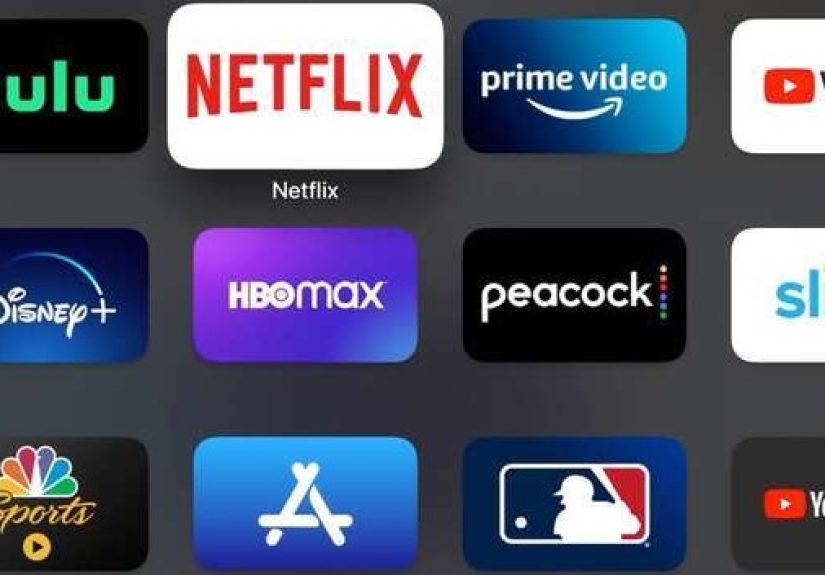
Then the streaming universe started multiplying like rabbits with venture capital. Netflix had originals. Hulu had next-day TV. Disney+ brought Marvel, Pixar, and Star Wars. Peacock carried NBC shows and sports. Paramount+ had CBS, football, and franchises. Max had prestige series. Prime Video had movies, originals, and the sneaky feeling that you subscribed because of shipping but stayed because of a spy thriller.
Suddenly, “just stream everything” became “subscribe to everything, rotate monthly, track renewal dates, monitor password-sharing rules, and remember whether the show you want moved platforms last Tuesday.” That is not freedom. That is a part-time administrative job with popcorn.
Cable Is Still the Easiest Way to Watch Live TV
Live TV remains the biggest reason I am keeping cable. I do not want to perform a digital scavenger hunt every time there is a major sporting event, breaking news story, award show, parade, or local broadcast. I want to turn on the television and watch it.
Cable still does this well. The channels are there. The guide is there. The local stations are there. The sports networks are there. The DVR is usually there. Nobody in the room has to ask, “Which app has this?” or “Do we still subscribe?” or “Why is this game blacked out?”
Streaming can absolutely deliver live TV, but the best live TV streaming services often look suspiciously like cable with a new haircut. They offer channel bundles, monthly price increases, add-ons, local restrictions, and sports packages. In other words, the industry spent years criticizing the cable bundle and then reinvented it with cloud DVR and more loading screens.
The Math Is Not Always as Simple as Cord-Cutters Promise
The strongest argument for cutting cable is cost. That is fair. Traditional cable packages can be expensive, especially when equipment fees, regional sports fees, broadcast fees, and taxes start piling up like toppings on a nacho plate nobody approved.
But streaming costs add up quickly too. A household that wants a serious entertainment mix may subscribe to Netflix, Hulu, Disney+, Max, Prime Video, Peacock, Paramount+, Apple TV+, and a live TV streaming service. Add sports, premium channels, or ad-free tiers, and the monthly total can creep toward cable territory faster than you can say, “I thought this was supposed to be cheaper.”
Live TV streaming is especially important here. If you want a cable-like replacement with local channels, national news, sports networks, and cloud DVR, you are likely paying a sizable monthly fee. The savings may still be real for some households, but they are no longer automatic. Cutting the cord does not guarantee cutting the bill.
Streaming Has a Discovery Problem
One underrated joy of cable is not knowing exactly what you want to watch. That sounds strange in an era obsessed with recommendation algorithms, but it matters. Sometimes I do not want to search. I do not want to type. I do not want to scroll through horizontal rows of thumbnails where every crime drama looks like it was photographed in a basement during a thunderstorm.
With cable, I can browse. I can land on a movie halfway through and somehow become emotionally invested. I can stumble into a documentary about shipwrecks, a cooking competition, a baseball game, or a home renovation show where someone says “open concept” with the seriousness of a constitutional amendment.
Streaming is excellent when you know what you want. Cable is excellent when you do not. That difference is bigger than people admit.
Local Channels Still Matter
Local television may not be glamorous, but it is useful. Local news, weather alerts, school closings, community updates, traffic coverage, and regional sports broadcasts still have practical value. During storms, emergencies, elections, and major local events, I do not want to figure out which app carries my nearest station or whether my antenna is positioned correctly.
Cable keeps local channels simple. That simplicity is valuable. It may not sound exciting, but neither does reliable plumbing until the day it stops working.
Sports Make Cord-Cutting Messier
If you do not watch sports, cutting the cord is much easier. If you do, welcome to the maze. Sports rights are scattered across broadcast networks, cable channels, regional sports networks, league apps, and streaming exclusives. One game is on ESPN. Another is on Fox. Another is on Prime Video. Another is on Peacock. Another is blacked out in your area because apparently geography is now a villain.
For casual viewers, this might be tolerable. For a household that watches football, basketball, baseball, golf, soccer, college sports, or local teams, cable can still be the less annoying option. It may not be cheap, but it is predictable. Predictability deserves more respect in the age of “please authenticate your TV provider.”
Cable Works for Multi-Generational Households
Another reason I am not cutting the cord is household convenience. Not everyone wants to manage apps, profiles, passwords, updates, device compatibility, casting, buffering, and menu redesigns that appear overnight like digital crop circles.
Cable is familiar. Older family members know how to use it. Kids can find cartoons. Guests can turn on the TV without receiving a 12-minute lecture on which remote controls the soundbar. That matters in real homes, where technology should reduce friction, not create a tiny customer support department in the living room.
The best entertainment setup is not always the cheapest or newest. It is the one people actually use without sighing.
Reliability Still Counts
Streaming depends heavily on internet performance. When the connection is strong, everything feels magical. When the connection stutters, the magic becomes a frozen face on-screen and a spinning circle that looks like it is judging your life choices.
Cable is not perfect, of course. Outages happen. Boxes misbehave. Remotes vanish into sofa dimensions unknown to science. But for live viewing, cable often feels stable and straightforward. Turn it on, pick a channel, watch. That is not glamorous marketing copy, but it is a pretty good user experience.
The Bundle Is Not DeadIt Just Changed Clothes
For years, the cable bundle was criticized because people paid for channels they did not watch. That criticism was valid. But streaming has slowly created new bundles of its own. Platforms now offer ad-supported tiers, premium tiers, family bundles, sports add-ons, live TV packages, and combinations that sound less like entertainment plans and more like restaurant menus.
The irony is delicious. The future of television may not be the death of the bundle. It may be the return of the bundle, only with different companies, different apps, and different fine print.
That is why I am careful when people say cable is outdated. What they often mean is that the old bundle is outdated. But the basic ideaone place to get a wide range of live and on-demand programmingis still useful. Streaming companies know it too. That is why they keep bundling.
When Cutting the Cord Makes Sense
To be clear, I am not saying everyone should keep cable. Cord-cutting can be a smart move for people who mostly watch on-demand shows, do not care about live sports, use an antenna for local channels, or enjoy rotating subscriptions. A household that watches two streaming services and free ad-supported TV can save serious money.
It can also be a good choice for people who travel often, live alone, prefer mobile viewing, or want total control over what they pay for each month. Streaming is flexible, and flexibility is powerful.
But my viewing habits do not fit that model. I like live TV. I like sports. I like local channels. I like channel surfing. I like having one familiar place where television still feels like television. That may make me unfashionable, but I have survived low-rise jeans, QR-code restaurant menus, and people saying “disrupt” in meetings. I will survive this too.
My Personal Rule: Convenience Has a Price
The older I get, the more I value convenience. Not lazinessconvenience. There is a difference. Laziness is refusing to fold laundry. Convenience is designing your life so the laundry pile does not become a textile-based mountain range.
Cable is convenient for me. It keeps live TV simple. It reduces app-hopping. It makes shared viewing easier. It gives me a guide, a remote, local stations, sports access, and a familiar rhythm. I still use streaming services, but I use them as additions, not replacements.
That hybrid setup is probably where many households are heading. The question is not cable or streaming. The better question is: what combination actually fits your life?
Why I’m Keeping Cable in a Streaming World
The streaming revolution changed television for the better in many ways. It gave viewers more choice, more original programming, better mobile access, and fewer reasons to plan life around a broadcast schedule. But more choice does not always mean more simplicity.
For me, cable remains valuable because it is easy, complete, and dependable. It is not perfect. It is not always cheap. It is not trendy. But it works. And in a media world where every company wants its own app, login, bundle, and monthly fee, “it works” is a stronger argument than people think.
So no, I am not cutting the cord. I may trim the package, negotiate the bill, return unused equipment, and complain dramatically when prices rise. I reserve that right as a television-paying citizen. But I am keeping the cord because it still gives me something streaming has not fully replaced: a simple way to watch what is happening right now.
Extra Experience: Living With Cable While Everyone Else Cuts the Cord
My decision to keep cable is not theoretical. It comes from years of living through the real-world comedy of modern television. I have watched friends proudly cancel cable, only to rebuild it one subscription at a time. First they add Netflix. Then Hulu. Then Disney+ because the kids want it. Then Max because one show becomes a cultural event. Then Peacock for sports. Then Paramount+ for football. Then a live TV streaming service because, surprise, they miss live channels. By the end, their monthly bill looks less like a revolution and more like cable wearing fake glasses and a mustache.
I have also experienced the classic streaming panic: a big game is about to start, everyone is ready, snacks have been deployed, and suddenly nobody knows where the game is. The living room becomes a command center. One person checks the league app. Another searches Google. Someone opens three streaming services. Someone else says, “I think we had a free trial,” which is the entertainment equivalent of “I know a shortcut.” Ten minutes later, the game is on, but everyone has aged emotionally.
With cable, that moment is easier. I open the guide, find the channel, and move on with my life. Is this a small thing? Maybe. But life is made of small things. A remote that works, a channel guide that makes sense, and a game that starts when it is supposed to start can feel like luxury in a world where every screen wants a password.
Another experience that keeps me attached to cable is family viewing. Streaming is personal by design. It wants profiles, watchlists, recommendations, and individual preferences. That is great when everyone is alone. But cable still feels communal. You can flip through channels together, settle on something random, and let the room decide. Some of my favorite TV memories were not planned. They happened because we landed on a movie halfway through, watched “just five minutes,” and then stayed until the credits.
I also like having cable during bad weather. When a storm rolls in, I do not want to depend entirely on a social feed, a glitchy stream, or a local news clip buried inside an app. I want quick access to local coverage. I want weather maps, live updates, and people in windbreakers standing too close to rain. Cable delivers that without making me solve a software puzzle first.
That does not mean I ignore streaming. I use it often. Streaming is fantastic for original series, documentaries, movies, and catching up on shows. But I no longer pretend it is always simpler. Streaming is best when it complements cable, not when it forces me into a monthly subscription spreadsheet. My entertainment setup is not minimalist, but it is functional. And functional wins.
So when people ask why I am never cutting the cord, my answer is not nostalgia. It is experience. I have tested the alternative, watched the costs rise, seen the apps multiply, and learned what I actually value. I value live TV, local access, sports, simplicity, and the ability to turn on the television without needing a digital treasure map. The cord stays.
Conclusion
Cutting the cord can be smart, but it is not automatically smarter. For viewers who want the lowest possible bill and mostly watch on-demand entertainment, streaming may be the better fit. For people like me, who still care about live TV, sports, local channels, easy browsing, and household convenience, cable continues to earn its place.
The real lesson is not that cable is better than streaming or streaming is better than cable. The lesson is that the best TV setup depends on how you watch. I am not keeping cable because I fear change. I am keeping it because, after all the apps, bundles, price hikes, and password resets, the cord still connects me to the kind of television experience I actually enjoy.