Table of Contents >> Show >> Hide
- What Is Schizophrenia?
- Why Schizophrenia Stigma Feels So Fearful
- The Violence Myth: Loud, Sticky, and Often Wrong
- How Language Builds or Breaks Stigma
- Media, Movies, and the Monster Problem
- The Hidden Damage of Stigma
- Schizophrenia Is Treatable, and Support Matters
- How Families Can Fight Stigma at Home
- What Workplaces and Schools Can Do
- How Communities Can Replace Fear With Understanding
- Personal and Everyday Experiences Related to the Fearful Stigma of Schizophrenia
- Conclusion: Fear Is Not a Treatment Plan
Schizophrenia is one of the most misunderstood mental health conditions in America. The word alone can make a room go quiet, as if someone just announced that the family printer is out of ink during tax season. But the silence around schizophrenia is not harmless. It creates fear, confusion, discrimination, and isolation for people who are already working hard to manage a serious health condition.
The fearful stigma of schizophrenia is not only about rude comments or awkward conversations. It can affect whether a person seeks treatment, gets hired, keeps housing, stays connected to friends, or feels safe enough to say, “I need help.” That is a heavy burden to place on any diagnosis. Schizophrenia is challenging, yes, but stigma often makes it heavier than it needs to be.
This article explores what schizophrenia is, why the stigma around it is so intense, how media and language shape public fear, and what families, workplaces, schools, and communities can do to replace panic with understanding. Because people living with schizophrenia are not headlines, horror-movie characters, or walking myths. They are people: students, parents, artists, neighbors, coworkers, veterans, siblings, and friends.
What Is Schizophrenia?
Schizophrenia is a serious mental health condition that affects how a person thinks, feels, perceives reality, and behaves. Symptoms can include hallucinations, delusions, disorganized thinking, reduced motivation, social withdrawal, and difficulty concentrating. The condition often appears in late adolescence or early adulthood, a life stage already famous for confusion, questionable haircuts, and dramatic career plans.
One of the biggest misunderstandings is that schizophrenia means “split personality.” It does not. Schizophrenia is not the same as dissociative identity disorder. The name may sound dramatic, but the condition is better understood as a disorder involving psychosis, cognition, emotion, and functioning. A person may hear voices, believe something that others do not believe, struggle to organize thoughts, or feel disconnected from everyday life.
Symptoms can vary widely. Some people have severe episodes and need intensive support. Others manage symptoms with treatment and live independently, work, study, build relationships, and pursue meaningful goals. Treatment often includes antipsychotic medication, therapy, family education, social support, coordinated specialty care, rehabilitation services, and help with work or school. Recovery is not always a straight line, but it is real.
Why Schizophrenia Stigma Feels So Fearful
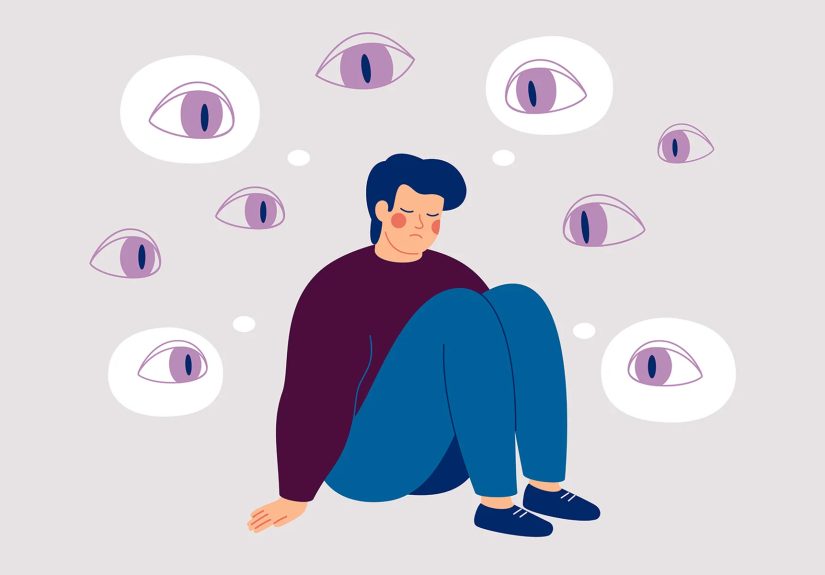
The stigma of schizophrenia is especially powerful because it is tied to fear. Many people do not simply misunderstand the condition; they fear it. That fear often comes from movies, sensational news coverage, jokes, outdated medical history, and the habit of using mental illness as shorthand for danger or unpredictability.
Public stigma happens when society labels people with schizophrenia as scary, broken, lazy, violent, or incapable. Self-stigma happens when a person absorbs those messages and starts believing them. Structural stigma happens when policies, systems, workplaces, housing rules, or health care barriers make life harder for people with serious mental illness.
Imagine trying to manage symptoms while also managing everyone else’s assumptions. That is not “just ignore the haters” territory. That is a daily emotional tax. Stigma can make someone hide symptoms, avoid doctors, stop taking medication, withdraw from friends, or delay telling loved ones what is happening. In mental health, silence may look calm from the outside, but it can be dangerously loud on the inside.
The Violence Myth: Loud, Sticky, and Often Wrong
One of the most damaging myths about schizophrenia is that people with the condition are naturally violent. This belief is repeated so often that it can feel like common sense, but common sense has been wrong before. It once told people that smoking looked glamorous and that pineapple on pizza would destroy civilization. The first claim was dangerous; the second remains under debate at family gatherings.
In reality, most people living with schizophrenia are not violent. The relationship between mental illness and violence is complex and influenced by many factors, including substance use, untreated symptoms, trauma, poverty, lack of care, and social stress. Reducing violence to “schizophrenia did it” is not only inaccurate; it distracts from real prevention strategies and increases fear toward people who need support.
The violence myth also ignores a painful truth: people with serious mental illness are often more vulnerable to being harmed, exploited, ignored, or mistreated. Stigma can make others dismiss their reports, avoid helping them, or treat them as threats before understanding what is happening. Fear turns the person into the problem instead of asking what support, safety, and care are needed.
How Language Builds or Breaks Stigma
Words matter. Calling someone “a schizophrenic” reduces a whole person to a diagnosis. Person-first language, such as “a person living with schizophrenia” or “a person diagnosed with schizophrenia,” reminds us that the condition is one part of a life, not the entire biography.
Everyday language can quietly reinforce stigma. People say “psycho,” “crazy,” “insane,” or “off their meds” as insults. These phrases may seem casual, but they teach listeners that mental illness is a joke, a threat, or a moral failure. The result is predictable: people who need care become less likely to speak openly.
Better language does not require everyone to become a walking medical textbook. It simply asks for accuracy and dignity. Instead of saying, “He is schizophrenic,” say, “He has schizophrenia.” Instead of “She went crazy,” say, “She experienced a mental health crisis.” Instead of “That person is dangerous,” try, “That person may need support.” This is not political correctness with a clipboard. It is basic human respect wearing sensible shoes.
Media, Movies, and the Monster Problem
Entertainment has done schizophrenia few favors. For decades, films and shows have used psychosis as a shortcut for horror, unpredictability, or villainy. A character hears voices, the music gets creepy, and suddenly the audience knows something terrible is coming. This storytelling shortcut may be convenient, but it is lazy and harmful.
News coverage can also increase stigma when crimes are reported with dramatic emphasis on mental illness before facts are clear. When schizophrenia is mentioned repeatedly in connection with violence but rarely in connection with recovery, work, family life, creativity, or ordinary routines, the public receives a distorted picture.
Responsible storytelling can do the opposite. Accurate portrayals show people as complex human beings, not plot devices. They show treatment, setbacks, humor, relationships, boring errands, medication side effects, family tension, hope, and the long work of recovery. In other words, they show life. And life is usually more interesting than another shadowy hallway scene.
The Hidden Damage of Stigma
Stigma can harm nearly every part of life. A person may fear telling an employer about a diagnosis because they worry they will be seen as unreliable. A student may avoid asking for accommodations because they do not want classmates to gossip. A parent may delay seeking help for an adult child because the family feels ashamed. A person hearing voices may pretend everything is fine until the symptoms become harder to manage.
Housing discrimination is another serious issue. People with schizophrenia may face rejection from landlords, roommates, or residential programs. Social relationships can shrink as friends become uncomfortable or unsure what to say. Even in health care settings, people with serious mental illness may feel dismissed, rushed, or treated as less credible.
Stigma also creates shame around treatment. Medication can be life-changing, but side effects may be difficult. Therapy and support groups can help, but access is uneven. When society treats treatment as embarrassing, people may stop doing the very things that help them stay well. That is like mocking someone for wearing glasses and then acting surprised when they cannot read the menu.
Schizophrenia Is Treatable, and Support Matters
Schizophrenia usually requires long-term care, but long-term does not mean hopeless. Many people improve with treatment, especially when care begins early and includes the right combination of medical, psychological, social, and practical support.
Medication can reduce hallucinations, delusions, and severe disorganization. Therapy can help people understand symptoms, build coping strategies, strengthen communication, and plan for stress. Family education can reduce conflict and help loved ones respond calmly during difficult moments. Supported employment and education programs can help people return to work or school. Peer support can offer something professionals cannot always provide: the powerful relief of talking to someone who truly gets it.
The goal is not to force every person into the same version of “normal.” The goal is stability, safety, autonomy, connection, and a meaningful life. For one person, that may mean college. For another, part-time work. For another, living with family while building confidence. Recovery should be measured by real lives, not by glossy motivational posters.
How Families Can Fight Stigma at Home
Families are often the first support system, and they can either reduce stigma or accidentally deepen it. Fear is understandable, especially when symptoms are new or intense. But fear should not be the family’s permanent operating system.
Helpful families learn about schizophrenia from reliable sources, speak respectfully, avoid blame, and encourage treatment without turning every conversation into a courtroom hearing. They understand that delusions are not stubborn opinions and hallucinations are not attention-seeking. They also learn boundaries, crisis planning, and self-care because supporting someone else should not require disappearing as a person.
A simple phrase can make a difference: “I may not fully understand what you are experiencing, but I want to support you.” That sentence will not solve everything, but it opens a door. And for someone surrounded by stigma, an open door can feel like oxygen.
What Workplaces and Schools Can Do
Workplaces and schools can reduce schizophrenia stigma by creating environments where mental health is treated as part of health. This includes clear accommodation processes, confidential support, flexible policies when possible, and managers or educators who understand that mental illness is not a character flaw.
Not every person with schizophrenia will disclose their diagnosis, and no one should be forced to share private medical information casually. But when someone does ask for support, the response matters. A respectful workplace does not panic. A supportive school does not gossip. A healthy organization focuses on what helps the person function safely and successfully.
Examples of support may include adjusted schedules, reduced sensory overload, written instructions, time for appointments, quiet spaces, or gradual return-to-work plans. These changes are not special treatment. They are practical tools. We build ramps for wheelchairs; we can build ramps for minds, too.
How Communities Can Replace Fear With Understanding
Communities can fight stigma through education, crisis response training, peer-led programs, mental health first aid, supportive housing, accessible treatment, and public conversations that include people with lived experience. The key is not just talking about schizophrenia but listening to people who live with it.
Faith groups, neighborhood organizations, libraries, schools, clinics, and local media can all play a role. A community that understands schizophrenia is more likely to respond with help instead of panic. That can mean calling a crisis line instead of escalating a situation, offering practical support instead of judgment, or welcoming someone back after hospitalization instead of treating them like a rumor with shoes.
The best anti-stigma work is ordinary and repeated. It happens when people choose accurate words, challenge cruel jokes, share reliable information, support treatment access, and remember that a diagnosis does not erase a person’s dignity.
Personal and Everyday Experiences Related to the Fearful Stigma of Schizophrenia
To understand the fearful stigma of schizophrenia, imagine a young man named Daniel. He is 22, bright, funny, and known in his family for making pancakes that look like abstract art. During college, he begins hearing whispers when no one is nearby. At first, he says nothing. He worries his friends will call him unstable. He searches online at 2 a.m., finds frightening stories, closes the laptop, and decides silence is safer.
By the time Daniel tells his sister, he is exhausted. His grades have dropped, and he has stopped answering texts. His sister wants to help, but she is scared because everything she knows about schizophrenia came from crime shows and dramatic movie trailers. Her first reaction is not cruelty; it is fear. But fear still hurts. Daniel notices her face change. He immediately regrets speaking.
Now imagine a different response. His sister takes a breath and says, “Thank you for telling me. Let’s figure out help together.” She does not pretend to understand everything. She does not diagnose him from a kitchen chair. She helps him contact a mental health professional, offers to sit with him during the appointment, and learns about psychosis from reliable sources. That response does not erase the illness, but it removes an extra layer of shame.
Another common experience happens at work. A woman named Marisol has schizophrenia and manages it with treatment. She is good at her job, organized, and the unofficial office expert on fixing jammed staplers. After a hospitalization, she returns with a doctor-supported plan and asks for a temporary schedule adjustment. A supportive manager focuses on performance and accommodations. A stigmatizing manager becomes suspicious, watches her every move, and treats normal mistakes as proof that she is “not stable.” Same employee, same diagnosis, completely different outcome.
Stigma also appears in friendships. Some friends vanish because they do not know what to say. Others become overprotective and turn every coffee date into a wellness inspection. The best friends usually do something simpler: they stay. They ask normal questions. They invite the person to dinner. They learn warning signs without making the diagnosis the center of every conversation. They understand that support can include laughter, errands, music, and sitting quietly together when words are too heavy.
For people living with schizophrenia, stigma can become an inner voice: “Do not tell anyone. You are too much. You are dangerous. You are broken.” Fighting stigma means challenging that voice with truth. A diagnosis is not a destiny. Needing treatment is not weakness. Experiencing psychosis does not erase intelligence, kindness, humor, talent, or love.
The most powerful experiences often come from being treated normally without being ignored. People with schizophrenia may need support, but they also need ordinary respect: being greeted by name, being included in family decisions, being asked about hobbies, being trusted when they describe side effects, and being seen as more than a crisis waiting to happen.
These everyday moments matter because stigma is built in everyday moments. It is built in jokes, headlines, whispers, and assumptions. So it must be dismantled the same way: through better words, better listening, better care, and better courage. Not dramatic courage with a cape. Regular courage. The kind that says, “I am willing to learn instead of fear.”
Conclusion: Fear Is Not a Treatment Plan
The fearful stigma of schizophrenia survives because fear is easy. Understanding takes more work. But fear does not help people recover. It does not improve treatment access, strengthen families, prevent crises, or make communities safer. In many cases, it does the opposite.
Schizophrenia is a serious condition, but seriousness should lead to support, not shame. People living with schizophrenia deserve accurate information, compassionate care, stable housing, meaningful opportunities, and relationships that do not collapse under the weight of a diagnosis. They deserve to be described with dignity and treated as full human beings.
Ending stigma does not require perfect words or expert-level knowledge. It starts with curiosity, humility, and the willingness to replace scary myths with real understanding. When society stops treating schizophrenia like a monster story, people can begin to receive what they needed all along: care, respect, and room to live.
Note: This article is for educational purposes only and should not replace guidance from a qualified mental health professional. Anyone experiencing hallucinations, delusions, thoughts of self-harm, or a mental health crisis should seek immediate professional help or contact emergency services.