Table of Contents >> Show >> Hide
- What “Packing” a Shutoff Valve Really Means
- Tools and Materials You’ll Want Nearby
- Before You Start: Two Quick Checks
- How to Pack a Water Shutoff Valve: 8 Steps
- Step 1: Shut off the water (or at least depressurize the line)
- Step 2: Remove the handle to expose the packing nut
- Step 3: Clean and inspect the area
- Step 4: Try the “tiny tighten” first (the easiest win)
- Step 5: Loosen the packing nut and remove old packing
- Step 6: Choose and prepare the new packing
- Step 7: Install the new packing and tighten the packing nut
- Step 8: Turn water back on and test like you mean it
- Common Problems and What They Usually Mean
- Common Mistakes (So You Don’t Recreate the Leak as Performance Art)
- Preventing Future Stem Leaks
- FAQ: Quick Answers Homeowners Actually Want
- Real-World Experiences: What Packing a Shutoff Valve Is Like (The 500-Word Reality Check)
- Conclusion
A water shutoff valve that “mysteriously” starts dripping the moment you touch it is basically the plumbing version of a drama queen:
totally fine for years, then one little twist andboomtears.
The good news: if the leak is coming from around the valve stem (right under the handle), you can often fix it by “packing” the valve.
That means tightening or replacing the soft sealing material (packing) that sits under the packing nut and hugs the stem to keep water where it belongs.
This guide walks you through an easy, homeowner-friendly method to pack a water shutoff valve in eight clear stepsplus how to tell when it’s time to stop
repairing and start replacing.
What “Packing” a Shutoff Valve Really Means
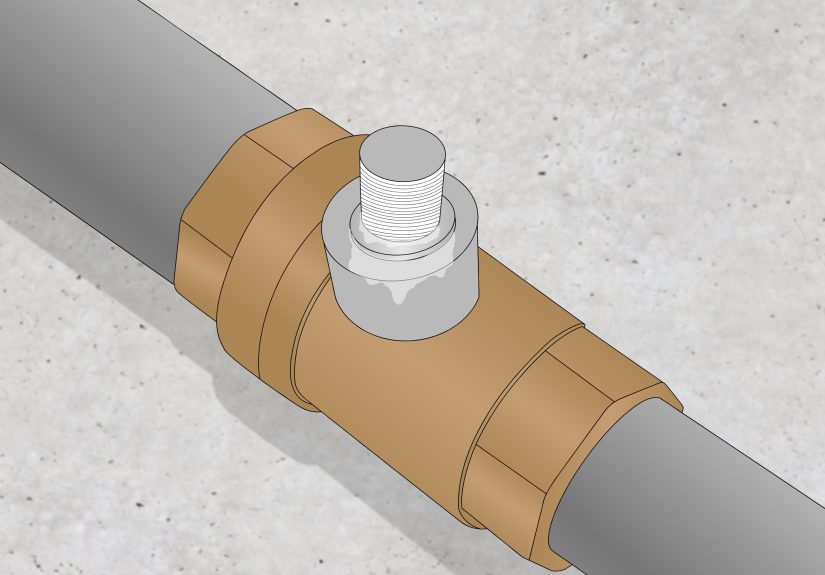
Many multi-turn shutoff valves (think: old-school gate or globe style, and many under-sink/toilet angle stops) have a packing nut below the handle.
Under that nut is packing materialoften a graphite/PTFE string, a formed packing ring, or a small washer-like seal.
Over time, packing dries out, compresses, or wears down. When you turn the valve, the stem moves and water can sneak up around it.
Packing the valve either:
- Compresses the existing packing by tightening the packing nut slightly, or
- Replaces the packing material if tightening no longer works.
Quick note: some modern quarter-turn ball valves don’t have serviceable packing (or they use internal seals instead).
If there’s no packing nut under the handle, you can’t “pack” it the traditional way.
Tools and Materials You’ll Want Nearby
- Two wrenches (adjustable wrench + a second wrench, or two adjustable wrenches)
- Flathead screwdriver (for handle screw on many valves)
- Small pick, dental pick, or a thin screwdriver (to remove old packing)
- Needle-nose pliers (helpful for grabbing old packing bits)
- Rag or paper towels
- Flashlight (because leaks love dark corners under sinks)
- Valve packing (PTFE/Teflon packing rope or graphite packing rope in the correct diameter)
- Optional: silicone grease (a tiny amount can help packing seat smoothly)
- Optional: small container/cup (so tiny screws don’t escape into another dimension)
Before You Start: Two Quick Checks
1) Confirm it’s a stem/packing leak
Dry the valve completely, then watch where water reappears.
A packing leak usually shows up right under the handle where the stem goes into the valve body.
If water is coming from the pipe connection (compression nut) or from the valve body itself, packing won’t fix that.
2) Find the “backup” shutoff
The valve you’re repairing may not shut off fully (especially if it’s older).
Know where your home’s main shutoff is before you start. This isn’t paranoiait’s adulthood.
How to Pack a Water Shutoff Valve: 8 Steps
Step 1: Shut off the water (or at least depressurize the line)
If you’re only tightening the packing nut, you can sometimes do it without shutting off water.
But if you plan to remove old packing and add new material, shut off the water to that line (or the main).
After shutting off water, open a nearby faucet to relieve pressure and drain the line.
Put a towel under the valvegravity always shows up uninvited.
Step 2: Remove the handle to expose the packing nut
Most handles come off with a small screw in the center or a set screw on the side.
Remove the screw, lift off the handle, and set parts in a cup so they don’t roll away.
Under the handle, you’ll typically see a hex-shaped nutthis is the packing nut (sometimes called a gland nut).
Step 3: Clean and inspect the area
Wipe away water, mineral buildup, and grime so you can see what’s going on.
If the stem is heavily corroded or the valve body is cracked, packing isn’t your hero today.
Also check: is the nut already bottomed out (tight but still leaking)? That usually means the packing is worn out and needs replacing.
Step 4: Try the “tiny tighten” first (the easiest win)
Put one wrench on the valve body to hold it steady (importantdon’t twist the pipe).
Use the second wrench to tighten the packing nut just 1/8 turn.
Then dry the area and watch for fresh moisture.
If the leak slows but doesn’t stop, you can tighten another 1/8 turn.
Stop if the handle becomes difficult to turnover-tightening can damage the stem seal or make the valve hard to operate.
If the leak stops, reassemble the handle and skip ahead to Step 8 for testing.
If it still leaks, move on to repacking.
Step 5: Loosen the packing nut and remove old packing
With the water off and pressure relieved, loosen (and if needed, remove) the packing nut.
You may see old packing material packed around the stem like a tiny, tired scarf.
Use a pick or small screwdriver to carefully extract old packing.
Take your timeleaving fragments behind can create leak paths.
Avoid scratching the stem, because scratches can become permanent leak highways.
Step 6: Choose and prepare the new packing
Packing rope comes in different diameters (commonly 1/8″, 3/32″, 5/32″, etc.).
The right size should fit snugly around the stem and inside the packing area without needing brute force.
If you’re using packing rope:
- Cut a short length and wrap it around the stem 3–6 turns (depending on thickness and space).
- Wrap it in the same direction the packing nut tightens, so the nut doesn’t unwind your work.
- If you’re stacking rings, stagger the seams so they don’t line up.
Optional tip: a tiny smear of silicone grease can help the packing seat smoothly (don’t goop it upthis isn’t frosting).
Step 7: Install the new packing and tighten the packing nut
Press the packing into place around the stem, then thread the packing nut back on by hand.
Tighten until it’s snug, then give it a small additional turn with a wrenchagain, think “firm handshake,” not “arm-wrestling match.”
Reinstall the handle and screw.
If the handle feels stiff, back the packing nut off slightlytight enough to seal, loose enough to operate.
Step 8: Turn water back on and test like you mean it
Restore water slowly and watch the valve closely.
Dry the area with a paper towel, then check again after a minute.
Cycle the valve on/off once or twice to confirm it stays dry during movement.
If you still see moisture:
- Tighten the packing nut another tiny increment (about 1/8 turn).
- If it’s still leaking, you may need a bit more packing material (add a couple more wraps) or the valve may be too worn to save.
Common Problems and What They Usually Mean
The packing nut is tight but the leak won’t stop
The packing may be worn out, missing, or the stem may be pitted.
Repacking often works, but if the stem is damaged, replacement is usually the long-term fix.
The valve won’t shut off fully
That’s a separate problem from packing (often a worn washer/seat or internal damage).
If this is an under-sink or toilet shutoff, consider replacing the valve rather than relying on a half-working shutoff.
The packing nut won’t budge
If it’s seized with corrosion, forcing it can crack the valve body.
Penetrating oil can help, but if the valve feels fragile or the pipes are old, it may be time to call a plumber.
Common Mistakes (So You Don’t Recreate the Leak as Performance Art)
- Over-tightening the packing nut until the handle won’t turn (or the packing fails faster).
- Twisting the pipe because you didn’t hold the valve body with a second wrench.
- Leaving old packing behind so the new packing can’t seat properly.
- Using the wrong packing size (too small = leaks; too big = won’t assemble).
- Skipping the backup shutoff and discovering your valve doesn’t actually shut off… mid-repair.
Preventing Future Stem Leaks
You can’t stop time, but you can reduce valve drama:
- Exercise shutoff valves occasionally (turn them gently on/off) so they don’t seize.
- Don’t crank handles like you’re opening a pickle jar.
- Fix small drips earlymineral buildup and corrosion love “I’ll do it later.”
- If a valve is ancient, stiff, or unreliable, replacing it can be smarter than repeated repairs.
FAQ: Quick Answers Homeowners Actually Want
Can I use Teflon tape instead of packing rope?
In a pinch, people sometimes roll PTFE tape into a thin “string” and use it as emergency packing.
It can work temporarily, but purpose-made valve packing is more reliable and lasts longer.
Do I have to shut off water to tighten the packing nut?
Not always. A tiny tighten can often be done with the valve pressurized (carefully).
But for removing and replacing packing, shutting off water and relieving pressure is the safer move.
What if my valve has no packing nut?
Then it likely isn’t designed to be repacked externally.
Depending on the valve, the fix may be a stem seal replacement kitor replacing the whole valve.
Real-World Experiences: What Packing a Shutoff Valve Is Like (The 500-Word Reality Check)
Packing a water shutoff valve sounds like a tidy eight-step projectand it can bebut real homes love adding “bonus levels.”
The most common scenario is the classic under-sink angle stop: you notice a tiny drip after turning the valve off while replacing a faucet,
and suddenly you’re staring at a wet stem like it personally betrayed you. In practice, the “tiny tighten” in Step 4 fixes a surprising number of leaks.
The key is discipline. One-eighth of a turn feels comically small, like you’re trying to tighten something using telepathy. But it works because the packing
only needs a little more compression to seal.
The second most common experience: you tighten, the leak slows, you tighten again, and the handle gets stiff. That’s your cue to stop muscling it and switch
to repacking. Repacking is where the project becomes a scavenger hunt. Old packing can come out in one neat piece, or it can crumble into gritty confetti
that clings to the stem like it’s paying rent. A small pick, patience, and a bright flashlight matter more than fancy tools here.
One practical tip that comes up again and again: keep the packing area clean and dry while you work. Wipe the stem, remove every old fragment you can find,
and don’t rush. Even a small leftover chunk can keep the new packing from seating evenly, and then you’re stuck in the annoying loop of “Why is it still damp?”
Another lesson: wrap the packing in the same direction the nut tightens. It’s a small detail, but if you wrap the wrong way, the nut can twist the packing loose,
creating gaps that leakbasically undoing your own work while you’re standing there feeling productive.
Outdoor hose spigots add their own personality. They’re exposed to weather, so corrosion is more likely, and you may find the packing nut feels stubborn.
If you’ve ever tried to loosen something that clearly hasn’t moved since a previous homeowner was in middle school, you know the vibe. That’s where holding the
valve body steady and taking small, controlled turns prevents damage. Sometimes the best “experience-based” move is having a replacement plan ready: if the valve
is brittle, seized, or leaks from the body, you don’t want to be stuck with water off and a half-dismantled valve at 10 p.m.
Finally, there’s the oddly satisfying moment when you turn the water back on, wipe the valve, and everything stays dry. It feels like winning a tiny,
domestic championship. You didn’t just stop a dripyou restored peace. And if it takes two tries, that’s normal: packing is adjustable by nature.
Sneak up on “just tight enough,” test with a dry paper towel, and you’ll usually land on a smooth-turning handle and a leak-free stem.
Conclusion
Packing a water shutoff valve is one of those practical skills that pays off fast: a small stem leak can waste water, cause staining, and slowly damage cabinets
or drywall if ignored. Start with the simplest fixtightening the packing nut in tiny incrementsthen repack the stem if needed. Work slowly, hold the valve body
steady, and test carefully after restoring water.
If the valve is seized, cracked, or won’t shut off reliably, replacement is often the smarter long-term solution. But for the classic “drip under the handle,”
packing is usually the clean, affordable win.