Table of Contents >> Show >> Hide
- Why “Free Pokémon Cards” Usually Means Smart Collecting
- 1. Join Local Play! Pokémon Events and Leagues
- 2. Look for Official Retail Promotions
- 3. Take Advantage of Pokémon TCG Pocket and Pokémon TCG Live
- 4. Trade Duplicates With Friends and Local Collectors
- 5. Ask Family, Friends, and Neighbors About Old Collections
- 6. Check Local Community Groups for Free or Cheap Bulk
- 7. Visit Card Shops and Ask About Bulk Boxes
- 8. Enter Legitimate Giveaways, But Avoid Scams
- 9. Use Birthdays and Holidays Strategically
- 10. Build a Theme Collection Instead of Chasing Everything
- 11. Learn Card Condition Before You Trade or Accept Cards
- 12. Turn Bulk Cards Into Better Trades
- 13. Protect Your Collection So “Free” Cards Stay Valuable
- 14. Be Patient: Free Collections Grow Slowly
- My Experience: What Actually Works When Building a Pokémon Card Collection for Free
- Conclusion: Free Pokémon Cards Are Out ThereBut the Best Collection Is Built With Patience
Getting free Pokémon cards sounds like the kind of thing a suspiciously friendly Meowth would whisper from a dark alley: “Psst, kid, want some Charizards?” But the truth is much less shadyand a lot more fun. There are legitimate ways to grow your Pokémon card collection without emptying your wallet, selling your bike, or convincing your parents that an Elite Trainer Box counts as “school supplies.”
Whether you are a new collector, a returning fan who just found a dusty binder in the closet, or a player trying to build decks on a budget, free Pokémon cards can come from community events, trades, giveaways, digital rewards, family hand-me-downs, retail promotions, and smart collecting habits. The trick is knowing where to look, how to avoid scams, and how to turn small wins into a collection that feels organized, exciting, and personal.
Why “Free Pokémon Cards” Usually Means Smart Collecting
Before we jump into the treasure map, let’s be honest: truly free sealed booster packs are rare. Pokémon cards are popular, collectible, and often valuable, so most businesses do not hand them out like napkins. However, “free” can still mean several useful things: cards earned by attending events, promo cards included with purchases you were already planning to make, free digital cards, bulk cards gifted by other collectors, or cards received through fair trades where you spend no cash.
The best collectors think long-term. One free common card today might complete a set page. One local league visit might lead to future trades. One promo card from a store event might become a favorite binder centerpiece. Not every card needs to be a moonbreon-level masterpiece. Sometimes the best card is the one you got from a friend, a community event, or a happy accident involving your cousin’s forgotten shoebox.
1. Join Local Play! Pokémon Events and Leagues
One of the most reliable ways to get legitimate Pokémon cards without buying random packs is to participate in local Pokémon events. Many game stores host Play! Pokémon leagues, casual meetups, tournaments, prerelease events, and seasonal celebrations. Depending on the store and event, players may receive promo cards, Prize Packs, or other rewards for participating.
Local leagues are especially valuable because they combine collecting with community. You can learn how to play the Pokémon Trading Card Game, meet other collectors, trade duplicates, and hear about upcoming promotions before the rest of the internet starts yelling about them. Some events require an entry fee, while others are casual and free to attend, so always check with the store before going.
How to make league events work for your collection
Search for official Pokémon events near your area, then contact the store directly. Ask whether new players are welcome, whether there are participation promos, and whether trading is allowed during league time. Bring a small binder of cards you are willing to trade, not your entire life savings in cardboard form. A focused trade binder keeps things simple and prevents “oops, I accidentally traded my favorite card” sadness.
2. Look for Official Retail Promotions
Pokémon frequently partners with retailers for special promo cards. These promotions may happen at stores such as GameStop, Best Buy, Target, Walmart, Pokémon Center, or other participating retailers, depending on the campaign. Some promos are gifts with purchase, meaning you may need to buy a certain amount of Pokémon TCG products to receive the card. That is not technically free, but it can be a smart bonus if you already planned to buy sleeves, packs, or a box.
Retail promo cards can be surprisingly fun to collect because they often feature special stamps, alternate artwork, or tie-ins with new expansions. The key is not to chase every promo like a caffeine-powered Zigzagoon. Pick the promotions that match your favorite Pokémon, your favorite set, or your collecting theme.
Smart promo hunting tips
Call the store before visiting. Ask whether the promo is available, whether it works online or in-store only, and whether there is a purchase minimum. Promos are usually available while supplies last, which means the early Pidgey gets the worm. Also, be kind to employees. They do not control the promo supply, and being polite makes you a much better ambassador for collectors everywhere.
3. Take Advantage of Pokémon TCG Pocket and Pokémon TCG Live
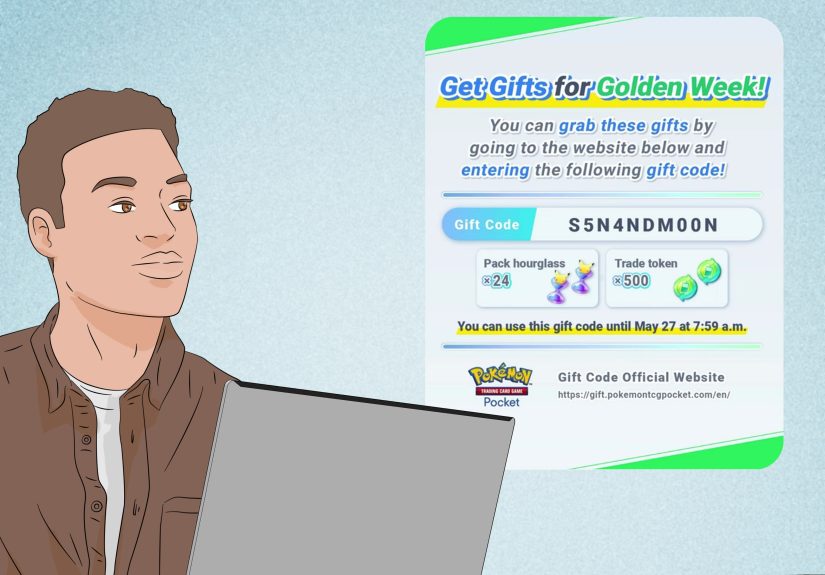
If you enjoy collecting digitally, Pokémon TCG Pocket and Pokémon TCG Live are excellent ways to open cards without buying physical packs. Pokémon TCG Pocket lets players open free digital booster packs daily, while Pokémon TCG Live offers in-game rewards through play, quests, and progression. These cards are digital, so they will not fill your binder, but they can scratch the pack-opening itch without draining your budget.
Digital collecting also teaches useful habits. You learn card names, rarities, deck strategies, artwork styles, and set organization. That knowledge helps when you return to physical collecting because you can make smarter trades and avoid grabbing every shiny thing like a confused Murkrow.
4. Trade Duplicates With Friends and Local Collectors
Trading is one of the oldest and best ways to expand a Pokémon card collection for free. If you have duplicates, cards from sets you do not collect, or playable trainers you do not need, another collector may want them. In return, you can ask for cards that fill gaps in your binder or support your deck.
The golden rule of trading is simple: both people should feel good afterward. Do not pressure anyone, do not hide damage, and do not pretend a card is rarer than it is. A fair trade builds trust. A sneaky trade builds a reputation, and not the cool Champion kind.
How to trade safely and fairly
Use recent market values as a rough guide, especially for rare cards. Compare card condition carefully. Near Mint cards usually have clean surfaces, sharp corners, and minimal wear. Lightly Played or Moderately Played cards can still be great for binders or decks, but they should not be valued the same as pristine copies. For younger collectors, trade with a parent, guardian, teacher, or trusted adult nearby, especially at public events.
5. Ask Family, Friends, and Neighbors About Old Collections
You may be surprised how many Pokémon cards are hiding in closets, attics, drawers, garages, and forgotten school folders. Many people collected cards years ago and no longer use them. A polite question can sometimes lead to free cards, bulk lots, old theme deck cards, or even vintage surprises.
Try saying something casual: “I’m collecting Pokémon cards. If you ever find old ones you do not want, I’d love to take a look.” Do not make it weird. Do not show up at Thanksgiving with a magnifying glass and a price guide. Just let people know you collect. Sometimes the best finds come from people who are happy their old cards will be appreciated again.
6. Check Local Community Groups for Free or Cheap Bulk
Community gifting groups, neighborhood forums, library swap boards, and parent groups sometimes have people giving away cards their kids no longer want. Bulk Pokémon cards are often low-value commons, uncommons, and energies, but bulk can still be useful. You can build beginner decks, complete Pokédex-style collections, decorate binder pages, or create trade bundles for newer collectors.
Safety matters. If a pickup involves meeting someone you do not know, use a public place, bring a trusted adult, and never share private information. Free cards are exciting, but not exciting enough to ignore common sense. Even Pikachu looks both ways before crossing the streetprobably.
7. Visit Card Shops and Ask About Bulk Boxes
Local card shops often have bulk boxes, spare commons, energy cards, or damaged cards that are not worth listing individually. Some stores sell bulk very cheaply, and occasionally they may give beginner players a handful of energy cards or commons to help build a deck. Do not walk in demanding free cards like Team Rocket with a coupon. Instead, be respectful and explain that you are new to collecting or learning to play.
A good local game store can become your collecting headquarters. Staff may tell you about trade nights, beginner tournaments, upcoming prereleases, and promo events. Supporting the shop when you canbuying sleeves, a deck box, or a pack once in a whilehelps keep that community alive.
8. Enter Legitimate Giveaways, But Avoid Scams
Giveaways can be real, especially when run by official Pokémon channels, reputable retailers, established card shops, or known content creators. But Pokémon cards are also scam bait because collectors get excited fast. A fake giveaway may ask for payment, personal information, passwords, gift cards, or suspicious “shipping fees.” Real prizes should not require you to pay random fees to claim them.
Before entering any giveaway, check whether the account is official, whether the rules are clear, and whether the page has a real history. Be cautious of brand-new accounts, copied logos, fake “winner” messages, and links that look slightly wrong. If someone says you won but you never entered, that is not luckthat is a red flag wearing a party hat.
9. Use Birthdays and Holidays Strategically
This is not “free” in the magical sense, but it is free to you: ask for Pokémon cards as gifts. The trick is to be specific. Instead of saying “I want Pokémon cards,” create a short wishlist. Include the set you are collecting, favorite Pokémon, binder pages, sleeves, deck boxes, or specific products like booster bundles or collection boxes.
A clear wishlist helps family members avoid buying random overpriced listings or fake cards. It also makes your collection grow in a direction you actually care about. Grandma may not know the difference between a booster pack and a battle deck, but she will absolutely appreciate a simple list that prevents accidental cardboard chaos.
10. Build a Theme Collection Instead of Chasing Everything
Trying to collect every Pokémon card can feel like trying to count every grain of sand on a beach while Psyduck asks questions. There are thousands of cards across decades of sets, languages, rarities, promos, and variants. A theme collection makes your goal more achievable and more fun.
You might collect only Pikachu cards, only Water-type Pokémon, only cards illustrated by a favorite artist, only full-art trainers, only cards from one generation, or only cards featuring food, beaches, forests, or silly expressions. Theme collecting helps you trade smarter because you know exactly what you want.
11. Learn Card Condition Before You Trade or Accept Cards
Free cards are wonderful, but condition still matters. A card with creases, stains, heavy whitening, or dents may be fine for casual play but less desirable for a display binder. A Near Mint card should look clean and barely handled, while Lightly Played cards may show small signs of wear. Understanding condition helps you make fair trades and protect your best cards.
Always sleeve valuable or favorite cards immediately. Store them in a binder with safe pockets or in a sleeve and toploader. Avoid rubber bands, loose shoebox storage, pockets, backpacks without protection, and the classic “I’ll just leave this holo on my desk under a glass of juice” disaster.
12. Turn Bulk Cards Into Better Trades
Bulk cards are not useless. If you organize them well, they can become trade fuel. Sort by type, rarity, set, Pokémon, trainer cards, and energy. New players often need basic trainers, energy cards, and evolution lines. A neat stack of useful cards can be more attractive than a messy pile of “please take these before they become furniture.”
You can also create beginner bundles for friends: a few Pokémon, matching energy, trainers, and simple instructions. This helps new collectors join the hobby, and they may later trade with you as their own collection grows.
13. Protect Your Collection So “Free” Cards Stay Valuable
A free card can become meaningful, playable, or even valuable laterbut only if it survives. Keep cards away from moisture, heat, direct sunlight, food, pets, and younger siblings with crayons. Use penny sleeves for basic protection, binders for organization, and toploaders for cards you especially care about.
Label your binders by set, type, or theme. Keep a checklist so you know what you already own. This prevents duplicate purchases and makes trades easier. Organization may not sound thrilling, but neither does “I bought the same card four times because my binder looks like a Snorlax sat on it.”
14. Be Patient: Free Collections Grow Slowly
The biggest secret to getting free Pokémon cards is patience. You might get one promo this month, three trades next month, a small bulk gift after that, and a digital card every day. Over time, those little additions become a real collection. The hobby is more enjoyable when you focus on stories, art, favorite Pokémon, and communitynot just expensive chase cards.
Remember, a collection is not only about market value. A card can be special because you traded for it at your first league event, pulled it from a birthday pack, rescued it from a dusty box, or got it from a friend who knew you loved Eevee. That kind of value does not always show up on a price chart.
My Experience: What Actually Works When Building a Pokémon Card Collection for Free
The most effective approach is not one magic trick. It is a routine. Think of collecting like training a Pokémon team: you do a little bit consistently, and suddenly your tiny starter collection evolves into something impressive. The best results usually come from combining community events, smart trading, careful organization, and polite networking.
One practical experience many collectors share is that local league nights are more useful than random online hunting. At a league, you meet real players, see real cards, and learn what people actually need. Someone may have extra commons from the newest set. Another person may want playable trainer cards. A parent may have a child who needs energy cards. If your trade binder is organized, you become easy to trade with. That alone can help your collection grow faster than waiting for a mysterious “free cards” post online.
Another helpful habit is keeping a small “trade-ready” box. Put duplicates, playable trainers, extra holos, and cards you do not mind parting with in one place. Keep your favorite cards separate. This avoids emotional damage later when you realize you traded a card you secretly loved. A good trade box also makes you look prepared, which helps other collectors trust you.
It also helps to set collecting goals. For example, instead of saying, “I want more cards,” choose a mission like “I want every English Bulbasaur card I can reasonably find,” or “I want to complete the common and uncommon cards from this set.” Specific goals make free cards more useful because you can tell people what you are looking for. Many collectors are happy to give away or trade low-value cards if they know those cards will be appreciated.
One underrated experience is accepting imperfect cards. Not every card needs to be mint. A slightly worn card can still look great in a binder, complete a Pokédex page, or work perfectly in a casual deck. If you only chase flawless cards, free collecting becomes frustrating. If you appreciate cards for their artwork, nostalgia, and usefulness, you will enjoy the hobby much more.
Finally, the best collectors are generous. Give extra energy cards to new players. Help a beginner understand card types. Trade fairly, even when the other person does not know every price. Over time, kindness comes back around. People remember the collector who was helpful, honest, and funnot the one who treated every trade like a courtroom battle over cardboard evidence.
Conclusion: Free Pokémon Cards Are Out ThereBut the Best Collection Is Built With Patience
Getting free Pokémon cards is possible, but it works best when you focus on legitimate sources: local Pokémon leagues, official promotions, fair trades, community gifting, digital rewards, and family hand-me-downs. Avoid scams, protect your cards, and build around themes that make you excited to open your binder.
Your collection does not need to be the biggest or most expensive to be awesome. It just needs to feel like yours. Maybe that means a binder full of Pikachu cards. Maybe it means a playable deck built from trades. Maybe it means a stack of funny commons that make you smile. However you collect, do it safely, fairly, and with the spirit of adventure. After all, every great Pokémon journey starts with one small cardand maybe a slightly overstuffed binder.