Table of Contents >> Show >> Hide
- What Does “Printing Ribbons” Mean?
- Choose the Right Ribbon Before You Print
- The Best Methods for Printing Ribbons
- How to Prepare Artwork for Ribbon Printing
- Step-by-Step: Easy Beginner Ribbon Printing Project
- Common Ribbon Printing Problems and Fixes
- Best Uses for Printed Ribbon
- When to DIY and When to Order Professional Printed Ribbon
- Tips for Better Ribbon Printing Results
- Real-World Experience: What Actually Works When Printing Ribbons
- Conclusion
- SEO Tags
Printed ribbon is one of those tiny details that makes people think, “Wow, someone planned this,” even if the rest of the gift bag was assembled in a mild panic five minutes before guests arrived. Whether you want custom ribbon for wedding favors, product packaging, holiday gifts, craft projects, boutique branding, party decorations, award sashes, or handmade Etsy orders, learning how to print ribbons can turn a plain strip of fabric into a memorable finishing touch.
The good news is that ribbon printing is not limited to giant factories or mysterious machines guarded by people in lab coats. You can print ribbons at home with a craft ribbon printer, heat transfer vinyl, printable fabric techniques, sublimation on polyester ribbon, or small-batch foil methods. For larger projects, professional custom ribbon printing services use hot stamping, screen printing, digital printing, thermal transfer, and rotary foil equipment to produce crisp, durable results.
This guide explains the practical ways to print ribbons, which method works best for each project, what supplies you need, and how to avoid the usual ribbon-printing disasters: smudged ink, crooked text, melted satin, blurry logos, and the dreaded “why does this look like it was made by a raccoon with a glue stick?” moment.
What Does “Printing Ribbons” Mean?
In this article, printing ribbons means adding text, logos, patterns, monograms, dates, icons, or decorative designs directly onto ribbon material. This is different from a thermal printer ribbon, which is the ink-carrying roll used inside many label printers. Here, the ribbon is the final product: the satin strip tied around a gift box, the branded grosgrain bow on a bakery package, or the personalized ribbon wrapped around wedding favors.
Common printed ribbon projects include:
- Personalized wedding ribbon with names and dates
- Branded satin ribbon for retail packaging
- Holiday ribbon with repeated messages or icons
- Craft ribbon for scrapbooks, cards, and handmade gifts
- Event ribbon for favors, invitations, and table settings
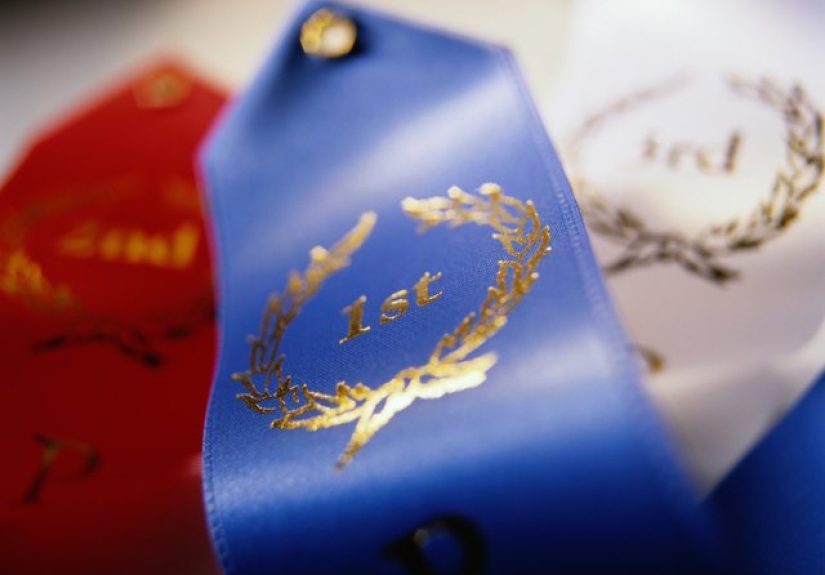
- Award ribbons, awareness ribbons, and promotional ribbons
- Small-business packaging ribbon with logos or slogans
Choose the Right Ribbon Before You Print
The ribbon itself determines how sharp your design will look. A perfect design on the wrong ribbon is like wearing a tuxedo to mow the lawn: technically possible, visually confusing.
Satin Ribbon
Satin ribbon is smooth, shiny, and one of the easiest surfaces for custom ribbon printing. It works well for foil stamping, craft ribbon printers, heat transfer vinyl, and sublimation if the ribbon is polyester. Satin gives logos and text a polished, elegant look, which is why it is popular for weddings, luxury packaging, floral arrangements, and gift wrapping.
Grosgrain Ribbon
Grosgrain ribbon has visible ribs across the surface. It is stronger and less slippery than satin, but those ribs can make fine text or delicate logos look uneven. Grosgrain is excellent for bold designs, large lettering, children’s bows, hair accessories, and casual packaging. Avoid tiny fonts and ultra-thin lines unless you are using a professional printing process designed for textured ribbon.
Organza Ribbon
Organza is sheer and lightweight. It looks beautiful but can be tricky to print because ink or foil may not show clearly unless the contrast is strong. It is best for simple metallic designs, elegant monograms, or decorative accents rather than detailed artwork.
Cotton and Twill Tape
Cotton ribbon and twill tape have a natural, matte finish. They work nicely for rustic packaging, handmade products, farmhouse-style décor, and eco-inspired branding. Screen printing and heat transfer methods often perform better on cotton than foil stamping.
Polyester Ribbon
Polyester ribbon is a favorite for sublimation and heat-based printing because it accepts dye-sublimation ink well. For bright full-color designs, polyester ribbon is usually the safest choice.
The Best Methods for Printing Ribbons
There is no single “best” way to print ribbons. The right method depends on your budget, design, quantity, ribbon material, and how professional the finished ribbon needs to look. A birthday gift for your sister does not need the same setup as 10,000 branded ribbons for a luxury candle company. Unless your sister runs a luxury candle company, in which case, carry on.
Method 1: Use a Craft Ribbon Printer
A craft ribbon printer is one of the easiest ways to print ribbons at home. Machines such as decorative ribbon and label printers are designed to print text, symbols, borders, frames, and patterns onto compatible satin ribbon cartridges or decorative tapes. This method is ideal for beginners because the ribbon feeds through the machine cleanly, and the print is already matched to the ribbon material.
Best for: Gift tags, wedding favors, party décor, scrapbooking, handmade cards, small personalized projects, and short messages.
What you need:
- A ribbon or label printer that supports satin ribbon
- Compatible ribbon cartridges
- Batteries or power adapter
- Your text, symbols, or design layout
Basic steps:
- Insert the compatible satin ribbon cartridge into the printer.
- Type your message or design it using the printer screen or app, depending on the model.
- Choose font, border, symbol, spacing, and alignment.
- Print a test strip before printing your full batch.
- Trim the ribbon ends straight, angled, or in a V-cut for a polished look.
This method is wonderfully simple, but it has limits. Most craft ribbon printers use narrow ribbons, so they are not ideal for large logos, full-color artwork, or wide packaging ribbon. Still, for quick personalization, they are hard to beat. They are the microwave popcorn of ribbon printing: fast, convenient, and surprisingly satisfying.
Method 2: Print Ribbons with Heat Transfer Vinyl
Heat transfer vinyl, often called HTV or iron-on vinyl, is another popular way to customize ribbon. You cut your text or design from heat transfer material using a cutting machine, weed away the excess vinyl, and press it onto the ribbon with heat.
Best for: Monograms, names, short phrases, metallic lettering, bold logos, cheer bows, holiday ribbon, and small craft batches.
What you need:
- Ribbon, preferably polyester satin, cotton, or grosgrain
- Heat transfer vinyl
- Cutting machine or craft knife
- Heat press, mini press, or household iron
- Teflon sheet or parchment paper
- Weeding tool
Basic steps:
- Create your design in cutting software and size it to fit the ribbon width.
- Mirror the design before cutting, especially for text.
- Place the vinyl shiny liner side down on the cutting mat.
- Cut the design and weed away extra vinyl.
- Place the weeded design on the ribbon.
- Cover with a protective sheet and press according to the vinyl and ribbon instructions.
- Peel the carrier sheet warm or cool, depending on the vinyl type.
The trick with HTV ribbon printing is heat control. Satin ribbon can melt or wrinkle if the temperature is too high or the press stays down too long. Always test on a scrap piece first. A mini heat press gives more control than a large press when working with narrow ribbon.
Method 3: Sublimation Printing on Polyester Ribbon
Sublimation is excellent when you want full-color ribbon with gradients, patterns, photos, or detailed artwork. The process uses sublimation ink printed onto transfer paper, then heat and pressure turn the ink into gas so it bonds with polyester fibers. The result is vibrant and durable because the design becomes part of the material rather than sitting on top of it.
Best for: Full-color patterns, business branding, event ribbon, photo ribbon, colorful logos, and long-lasting designs.
What you need:
- Sublimation printer and sublimation ink
- Sublimation transfer paper
- White or light-colored polyester ribbon
- Heat press
- Heat-resistant tape
- Protective paper
Basic steps:
- Design your ribbon artwork at the exact width and repeat length you need.
- Mirror the design before printing.
- Print on sublimation transfer paper.
- Place the printed transfer face down on the polyester ribbon.
- Secure it with heat-resistant tape so nothing shifts.
- Press with the correct temperature, time, and pressure for your ribbon and paper.
- Remove the transfer and allow the ribbon to cool flat.
Sublimation works best on white or pale polyester ribbon. It does not work well on dark ribbon because sublimation printers generally do not print white ink. If you want gold text on navy ribbon, use foil, HTV, or a craft ribbon printer instead.
Method 4: Print Ribbon with Hot Foil Stamping
Hot foil stamping uses heat, pressure, and metallic or pigment foil to transfer a design onto ribbon. Professional ribbon printers often use engraved plates, rotary foil equipment, or hot-stamp machines. The finish can look luxurious, especially with gold, silver, rose gold, copper, or glossy black foil.
Best for: Luxury packaging, wedding ribbon, boutique branding, perfume boxes, jewelry packaging, corporate gifts, and high-end product presentation.
Basic process:
- Create a clean one-color design, usually a logo, name, or repeated message.
- Make or order a stamping plate.
- Set the machine temperature and pressure.
- Place foil between the heated plate and ribbon.
- Press the foil onto the ribbon.
- Repeat the design along the roll at consistent intervals.
Foil stamping looks expensive because, well, it often is more expensive. It usually requires setup costs and is better for medium or large quantities. The result, however, can make even a simple bakery box look like it contains a royal cupcake.
Method 5: Screen Printing Ribbon
Screen printing pushes ink through a mesh stencil onto the ribbon. It is a strong option for bold, solid-color artwork and larger production runs. It works on many ribbon materials, including satin, grosgrain, cotton, and twill tape.
Best for: Brand logos, repeated text, promotional ribbon, cotton ribbon, twill tape, and high-volume orders.
Screen printing is not the easiest home method unless you already have screen-printing tools, but it gives durable and professional results. It is especially useful when you want a matte or inked look rather than a shiny foil finish.
Method 6: Inkjet Fabric Printing for Ribbon-Style Projects
Some crafters print designs on fabric sheets using an inkjet printer, then cut the printed fabric into ribbon-like strips. This is not always true ribbon printing, but it can work beautifully for scrapbook ribbons, tags, fabric labels, quilting accents, and handmade decorations.
Paper-backed inkjet fabric sheets are designed to feed through an inkjet printer like paper. After printing, you peel off the backing and sew, glue, or fuse the fabric into your project. This method is better for flat craft applications than for long gift-wrapping ribbon because the fabric strips may fray unless finished properly.
How to Prepare Artwork for Ribbon Printing
Ribbon gives you a long, narrow design area, so artwork must be simple and readable. A design that looks amazing on a business card may turn into a tiny spaghetti noodle on a 3/8-inch ribbon.
Keep Text Large Enough
Use readable fonts and avoid delicate scripts if the ribbon is narrow. For wedding ribbon, a clean script can look beautiful, but it should not be so thin that the letters disappear. For business logos, choose bold lettering whenever possible.
Use High Contrast
Contrast matters more on ribbon than on paper. Black on white satin, gold on navy, white on red, and silver on black are classic combinations because the message is easy to see. Low-contrast colors may look elegant in your design software but nearly invisible once printed.
Repeat the Design Correctly
If the ribbon will wrap around boxes, jars, bouquets, or favors, repeat the design at useful intervals. A logo every 4 to 6 inches works well for many packaging projects. For long bows, consider how the ribbon will twist so your design is not hidden on the underside.
Leave Safe Margins
Do not place text too close to the ribbon edge. Slight shifting can happen during printing, pressing, or feeding. A small margin keeps your design from looking accidentally trimmed.
Step-by-Step: Easy Beginner Ribbon Printing Project
Here is a simple project for beginners: personalized satin ribbon for gift boxes.
Supplies
- White or light satin ribbon
- Gold heat transfer vinyl
- Cutting machine
- Mini heat press
- Protective sheet
- Scissors
Instructions
- Measure your ribbon width. If it is 1 inch wide, keep your text around 0.35 to 0.5 inches tall.
- Create a repeated phrase such as “Made with Love” or your brand name.
- Mirror the design and cut it from heat transfer vinyl.
- Weed carefully, especially around small letters.
- Cut the design into smaller sections if needed.
- Place the first design section on the ribbon and cover it with a protective sheet.
- Press lightly for a few seconds, checking often to avoid overheating.
- Peel the carrier according to the vinyl instructions.
- Repeat along the ribbon.
- Let the ribbon cool flat before tying it into bows.
The first test strip may not be perfect, and that is normal. Ribbon is slippery, narrow, and dramatic. It wants attention. Give yourself a few practice pieces before printing the “good” roll.
Common Ribbon Printing Problems and Fixes
The Print Looks Blurry
Blurry ribbon printing usually happens when the design is too detailed, the ribbon texture is too uneven, or the material shifts during printing. Use larger fonts, simpler artwork, stronger pressure control, and smoother ribbon.
The Ribbon Melts or Wrinkles
Heat is probably too high, pressure is too heavy, or the pressing time is too long. Use a lower temperature, shorter press time, and a scrap test. Satin and organza are especially sensitive.
The Design Peels Off
The heat transfer did not bond properly, or the ribbon surface is too slick. Increase pressure slightly, check the recommended temperature, and make sure you are using vinyl compatible with the ribbon material.
The Foil Does Not Transfer Evenly
Uneven foil transfer can come from poor pressure, textured ribbon, low heat, dusty material, or artwork that is too fine. Clean the ribbon surface, increase pressure gradually, and simplify the design.
The Ink Smears
Ink may not be compatible with the ribbon fiber. Let printed fabric cure fully, use fabric-safe inks, or switch to heat transfer, sublimation, or professional screen printing.
Best Uses for Printed Ribbon
Printed ribbon is not just pretty; it is practical branding. A small business can use custom ribbon to make plain boxes look premium without ordering fully custom packaging. A wedding planner can use personalized ribbon to tie together invitations, favors, bouquets, and table décor. A crafter can turn simple handmade products into polished gifts.
Here are strong use cases:
- Retail packaging: Add a logo ribbon around bags, boxes, tissue bundles, or product sets.
- Wedding décor: Print names, dates, monograms, or short romantic phrases.
- Holiday gifts: Create ribbon with family names, festive greetings, or repeating icons.
- Corporate gifting: Add branded ribbon to client gifts and event giveaways.
- Handmade products: Make soap, candle, bakery, or jewelry packaging look more professional.
- Party favors: Personalize ribbon for baby showers, birthdays, graduations, and anniversaries.
When to DIY and When to Order Professional Printed Ribbon
DIY ribbon printing is perfect for small batches, fast personalization, and creative experimentation. If you need 10 wedding favor ribbons, a craft ribbon printer or heat transfer vinyl setup is enough. If you need 1,000 yards of branded ribbon for a retail launch, professional printing will save time, reduce waste, and create a more consistent finish.
Choose DIY when:
- You need fewer than 50 pieces
- You want to test designs
- You enjoy crafting
- You need quick personalization
- You are using simple text or monograms
Choose professional ribbon printing when:
- You need large quantities
- Your logo must match brand standards
- You need foil stamping or full-color repeats
- You want perfectly consistent spacing
- The ribbon will represent a business or formal event
Tips for Better Ribbon Printing Results
- Always test before printing a full roll.
- Use smooth satin for fine details and grosgrain for bold designs.
- Choose strong contrast between ribbon and print color.
- Keep fonts clean, readable, and properly spaced.
- Press heat transfer designs gently to avoid flattening or melting ribbon.
- Store printed ribbon rolled loosely, not crushed in a drawer of crafting chaos.
- Cut ribbon ends with sharp scissors to prevent fraying.
- Use a fray-prevention product or heat-seal synthetic ribbon ends carefully when needed.
Real-World Experience: What Actually Works When Printing Ribbons
After testing different ribbon printing methods, one lesson becomes obvious: ribbon is less forgiving than paper. Paper sits still like a responsible adult. Ribbon wiggles, shines, stretches, melts, frays, and occasionally behaves like it has weekend plans. That does not mean ribbon printing is difficult, but it does mean preparation matters.
For beginners, the most satisfying method is usually a craft ribbon printer. It is clean, simple, and fast. You type a name, choose a border, press print, and suddenly you have a custom ribbon that looks like you own a tiny stationery boutique. It works especially well for party favors, school projects, small gift tags, and wedding sample ideas. The limitation is size. If the ribbon is narrow, your message must be short. “Happy Birthday, Olivia” works. “A Full Legal Disclaimer About Cupcake Ingredients” does not.
Heat transfer vinyl is more flexible and gives a handmade-but-professional finish. Metallic HTV on satin ribbon can look beautiful, especially for holiday gifts and boutique packaging. The biggest challenge is heat. A mini press is easier to control than a household iron because it lets you apply heat only where needed. When using an iron, the edges of narrow ribbon can wrinkle if the iron is too heavy or too hot. A protective sheet helps, but testing is still the golden rule. One scrap test can save an entire roll from becoming shiny ribbon lasagna.
Sublimation is excellent for full-color ribbon, but only when the material is right. White polyester ribbon gives the brightest results. Cream, pale pink, and light silver can work depending on the design, but dark ribbon will swallow the colors. Sublimation is best when you want repeating patterns, watercolor effects, florals, gradients, or colorful brand artwork. It also feels smooth after printing because the dye bonds with the fiber instead of creating a raised surface.
Grosgrain ribbon is strong and attractive, but the ribbed texture can fight small details. Large block letters look good. Tiny cursive text often looks tired. If you are printing on grosgrain, think bold: thick fonts, simple icons, and high-contrast colors. Satin is better for elegance; grosgrain is better for structure.
Professional hot foil stamping is worth considering for business packaging. The setup cost may feel annoying at first, but the finished ribbon can transform basic boxes into premium packaging. This matters for products like candles, jewelry, cosmetics, baked goods, flowers, and wedding favors. Customers notice packaging, even when they pretend they are practical people who “only care about what’s inside.” They notice. Everyone notices the bow.
The best practical habit is to create a ribbon sample board. Print short test pieces using different ribbons, font sizes, print colors, and methods. Label each sample with the settings used. Over time, this becomes your personal ribbon printing cheat sheet. It helps you repeat successful results and avoid mistakes. Once you know which ribbon, temperature, pressure, font size, and spacing work best, printing ribbons becomes less of a guessing game and more of a reliable creative process.
Conclusion
Learning how to print ribbons opens the door to better gifts, stronger branding, and more memorable handmade projects. The process can be as simple as using a craft ribbon printer or as advanced as sublimation, screen printing, or foil stamping. The secret is choosing the right ribbon, matching it with the right printing method, and testing before committing to a full roll.
For beginners, start with satin ribbon and simple text. For bold craft designs, try heat transfer vinyl. For full-color artwork, use sublimation on light polyester ribbon. For luxury packaging, consider professional foil-stamped ribbon. Once you understand the strengths and limits of each method, custom ribbon printing becomes less intimidating and a lot more fun.
A printed ribbon may be small, but it carries a big message: this was made with care. And sometimes, that little strip of personalized ribbon is the detail that makes the whole project feel finished.