Table of Contents >> Show >> Hide
- Why This Dinner Bill Drama Hit a Nerve
- The Golden Rule of Restaurant Invitations: Clarify Before the Bread Basket
- Separate Finances Do Not Mean Separate Respect
- Why Money Arguments Feel So Personal
- Was the Wife Wrong to Pay Only for Herself?
- The Family Factor: When Relatives Complicate the Check
- What the Husband Could Have Done Differently
- What the Wife Could Have Done Differently
- How Couples Can Avoid This Exact Fight
- The Bigger Lesson: Fairness Is Not Always 50/50
- Why Readers Reacted So Strongly
- Real-Life Experiences Related to This Topic
- Conclusion
Few things can turn a joyful family dinner into a five-alarm emotional kitchen fire faster than the arrival of the check. One minute, everyone is passing appetizers, laughing over old stories, and pretending not to notice who ordered the third cocktail. The next minute, someone is staring at a bill large enough to make a credit card sweat.
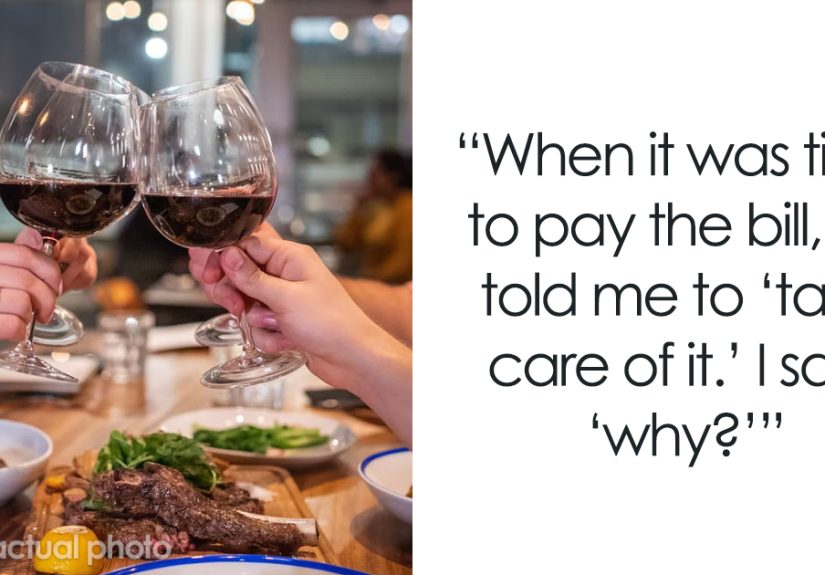
That is exactly the kind of tension behind the now-discussed story of a wife who paid only for her own meal after a big family celebratory dinner organized by her husband. According to the situation, the couple had long maintained separate finances. The husband planned the event, invited his family, and later expected his wife to help cover far more than her own portion. When she refused and paid only for what she ordered, he “lost it.” And just like that, the dessert menu was replaced by a fresh serving of marital conflict.
The story became popular because it is not really about one restaurant bill. It is about expectations, money boundaries, family pressure, communication, and the risky assumption that love automatically comes with an unlimited group-dinner budget. Spoiler: it does not. Even romance has a spending limit, and sometimes that limit arrives with a tiny leather folder and a pen that barely works.
Why This Dinner Bill Drama Hit a Nerve
At first glance, the issue seems simple: one person organized a celebratory dinner, so that person should be responsible for explaining who pays. But the deeper problem is that the husband treated his wife’s money as backup funding for a plan she did not create. That is where many readers drew the line.
In healthy relationships, money does not have to be fully combined to be respected. Some married couples use joint accounts, some keep everything separate, and many use a hybrid system. The structure matters less than the agreement behind it. If two partners have decided to keep finances separate, one spouse cannot suddenly declare, “Surprise, your wallet has been promoted to co-host.” That is not teamwork. That is financial improv, and nobody bought tickets.
The wife’s choice to pay for her own meal was not automatically selfish. In the context of separate finances, it was consistent with the couple’s existing arrangement. The real conflict came from the husband expecting her to absorb costs connected to his decision, his guest list, and his family celebration.
The Golden Rule of Restaurant Invitations: Clarify Before the Bread Basket
Restaurant etiquette has one wonderfully unglamorous rule: talk about payment before people order. It may feel awkward for ten seconds, but that is better than creating a financial crime scene after the check arrives.
If someone says, “I’m hosting a dinner,” guests reasonably assume the host is paying. If someone says, “Let’s all meet at a restaurant to celebrate, and everyone will cover their own meal,” the expectations are different. The key is clarity. Words like “hosting,” “inviting,” and “organizing” can sound similar in casual conversation, but they carry very different financial meanings.
In this case, the husband organized the family dinner. If he expected his wife to split the bill for other people, that should have been discussed before the reservation, not after the plates were cleared. When people are invited to a celebration, especially a family milestone, the organizer should make the payment plan clear. Otherwise, the evening becomes less “celebration” and more “group project where one person did not read the syllabus.”
Separate Finances Do Not Mean Separate Respect
Many couples today keep some or all of their finances separate. That does not mean they are less committed. It can mean they value autonomy, have different spending habits, want personal financial privacy, or simply found a system that works.
Separate finances can be perfectly healthy when both partners understand the rules. For example, a couple might split rent proportionally by income, pay shared bills from a joint household account, and keep personal spending separate. Another couple might alternate paying for dates. Another might pool everything. None of these systems is automatically superior. What matters is whether both people consent to the arrangement.
The husband’s frustration may have come from seeing marriage as a shared financial unit when it benefited his family event, while still accepting separate finances in everyday life. That kind of selective merging causes resentment. A partner should not be financially independent on Monday, then suddenly financially responsible for twelve relatives on Saturday night.
Why Money Arguments Feel So Personal
Money fights rarely stay about dollars. They quickly become arguments about fairness, loyalty, appreciation, control, and identity. One person says, “You should have helped me pay,” while the other hears, “Your boundaries do not matter.” One person says, “It was for my family,” while the other hears, “Your money is available whenever my relatives are involved.”
This is why financial conflict can feel more intense than ordinary disagreement. Money represents security. It represents effort. It represents choices. If someone spends carefully, a surprise demand to cover a large bill may feel disrespectful. If someone values generosity toward family, refusal may feel embarrassing or unsupportive. Neither feeling is imaginary, but feelings do not erase agreements.
The best couples do not avoid money conversations because they are awkward. They have them because they are awkward. A five-minute conversation before dinner can prevent a five-day cold war afterward.
Was the Wife Wrong to Pay Only for Herself?
Based on the details, the wife had a strong argument. She did not organize the dinner. She did not invite the large group. She did not agree in advance to cover anyone else’s food. She paid for what she consumed. In a separate-finances marriage, that is a reasonable boundary.
The husband may have felt humiliated in front of his family, but embarrassment is not proof that someone else did something wrong. Sometimes embarrassment is the bill arriving for poor planning. If he wanted to treat his family, he should have budgeted for it. If he wanted to split costs with his wife, he should have asked privately before the event. If he wanted everyone to pay individually, he should have told the guests clearly.
What he should not have done was assume his wife would quietly pay to prevent discomfort. That puts her in a trap: either she pays an unfair amount or becomes the “bad guy” at the table. A partner who creates that kind of no-win moment is not communicating; he is cornering.
The Family Factor: When Relatives Complicate the Check
Family meals bring extra emotional seasoning. People may feel pressure to appear generous, successful, united, or financially comfortable. A husband may want to impress his relatives. A wife may not want to seem rude. Parents, siblings, cousins, and in-laws may all have different assumptions about who is paying.
This is why family celebrations need even clearer planning than casual dinners. A birthday dinner with two friends can survive a little confusion. A big family celebratory dinner with multiple households, different incomes, and possible unspoken expectations is a financial obstacle course wearing a party hat.
If one spouse invites their own family, the couple should decide together whether the event is a shared household expense. If both agree, great. If not, the spouse organizing it should cover the extra cost or communicate a pay-your-own-way format. Marriage does not automatically turn one partner into the sponsor of every extended-family occasion.
What the Husband Could Have Done Differently
The husband had several better options. He could have told his wife, “I want to organize a dinner for my family. Would you be comfortable contributing?” That question respects her autonomy. He could have set a budget. He could have chosen a more affordable restaurant. He could have asked relatives to pay their own way. He could have saved in advance and treated everyone without resentment.
Most importantly, he could have separated emotional support from financial support. A spouse can attend, celebrate, smile, make conversation, and show love without agreeing to pay for everyone’s steak. Support does not always come with a receipt.
Losing his temper after she paid only for herself made the situation worse. Anger may express disappointment, but it does not create fairness. If anything, it confirms why the conversation should have happened privately and earlier.
What the Wife Could Have Done Differently
Even if the wife was financially justified, there may have been room for a preventive conversation. If she knew the dinner was large and celebratory, she might have asked before the event, “How is the bill being handled?” That does not make her responsible for the confusion; it simply protects her from being pulled into it.
In couples with separate finances, proactive questions are essential. “Is this a shared expense?” “Are you treating them?” “Are we splitting anything?” “What is the budget?” These questions may sound painfully practical, but practical is underrated. Practical keeps marriages from turning into courtroom dramas over appetizers.
Still, asking in advance is a good habit, not a requirement to rescue someone else’s poor planning. The person organizing the dinner carries the bigger responsibility to explain payment expectations.
How Couples Can Avoid This Exact Fight
1. Create a Rule for Family Events
Couples should decide how they handle birthdays, anniversaries, graduations, holiday meals, and dinners with in-laws. Are these shared expenses? Does the inviting spouse pay? Is there a spending cap? Agreeing early prevents future surprises.
2. Use a Joint “Social Budget”
Couples who keep separate accounts can still create one shared fund for restaurants, gifts, travel, and family events. Each partner contributes an agreed amount. When the fund runs out, the answer is not emotional pressure. The answer is, “We wait, scale down, or pay separately.”
3. Never Volunteer Your Partner’s Money
This rule should be embroidered on throw pillows. No spouse should promise, imply, or assume another spouse will pay for something unless that partner agreed first. Love is generous; surprise invoices are not.
4. Discuss Income Differences Honestly
If one partner earns significantly more, a strict 50/50 split may not always feel fair. Some couples prefer proportional contributions. Others prefer separate responsibility by category. The right solution depends on income, debt, savings goals, and comfort level.
5. Keep Public Pressure Out of Private Finances
Do not wait until relatives are watching to negotiate money. That is not a conversation; it is a performance with a bill attached. Private agreements should happen privately.
The Bigger Lesson: Fairness Is Not Always 50/50
Fairness in marriage is not always equal math. Sometimes it means proportional support. Sometimes it means honoring separate accounts. Sometimes it means one partner pays because they chose the event. Sometimes it means saying no because the request violates an agreement.
In this story, fairness depends on consent. Did the wife agree to cover the husband’s family dinner? No. Did the husband clearly communicate that expectation beforehand? Not according to the situation. Did the couple already have separate finances? Yes. Under those facts, the wife paying only for her own meal looks less like selfishness and more like boundary maintenance.
The husband’s mistake was not wanting help. Partners can ask for help. His mistake was expecting help without asking, then becoming angry when his wife did not comply. That is not partnership. That is a billing ambush.
Why Readers Reacted So Strongly
Online readers tend to react strongly to stories like this because many people have lived some version of it. Maybe it was a group vacation where one person booked the expensive rental and expected everyone to split it equally. Maybe it was a birthday dinner where someone ordered lobster and wanted the check divided evenly. Maybe it was an in-law event where “family” became code for “you pay and smile.”
These situations bother people because they blur generosity and obligation. True generosity is freely chosen. Obligation is imposed. When a spouse turns a personal decision into a shared expense without consent, it can feel manipulative even if that was not the intention.
The wife’s decision resonated because it challenged a common social trap: the idea that keeping peace means paying up. Peace built on resentment is not peace. It is just a delayed argument with better lighting.
Real-Life Experiences Related to This Topic
Many people have experienced dinner-bill tension in smaller but familiar ways. Imagine a couple attending a cousin’s graduation dinner. One partner assumes everyone will pay for themselves, because that is how their family has always done it. The other partner assumes the immediate family will cover the graduate’s meal and maybe the grandparents’ meals too. Nobody talks about it. The check arrives. Suddenly, two people who were perfectly happy during the entrée are whisper-fighting beside the dessert spoons. The problem was not the graduation. It was the unspoken script.
Another common experience happens when one spouse comes from a family where generosity is public and symbolic. Paying the bill is not just paying the bill; it is a way of showing love, status, gratitude, or respect. The other spouse may come from a family where everyone paying their own way is considered normal and responsible. Neither background is wrong. But when these two money cultures collide, a restaurant check can feel like a values referendum.
There are also couples who learn the hard way that separate finances require more communication, not less. Separate accounts can reduce daily conflict, but they do not eliminate shared decisions. Dining out, vacations, home repairs, gifts, and family emergencies still need rules. Without rules, each event becomes a negotiation. With rules, couples can relax because they know what to expect.
For example, one practical couple might decide that if an event involves both sides of the family, they pay from a shared fund. If it involves only one partner’s relatives, that partner pays unless they discuss it first. Another couple might agree that any social expense over $200 requires mutual approval. A third couple may decide that hosting family is always shared, but restaurant dinners are not. The exact system matters less than the fact that both people understand it.
The emotional side is just as important. When someone says, “I cannot afford that,” or “I am not comfortable paying for that,” the response should not be ridicule, guilt, or anger. A loving partner gets curious. They ask, “What would feel fair?” or “How can we plan this differently?” Money boundaries are not attacks. They are information.
People who have been through these conflicts often say the same thing afterward: the fight was preventable. Someone should have asked. Someone should have explained. Someone should have respected the budget. The lesson is not to avoid family dinners forever, although after one awkward bill, that may sound tempting. The lesson is to treat money expectations like allergies: mention them before everyone sits down to eat.
The wife in this story became the center of debate because she did something many people secretly wish they had done in similar situations. She paid her part and refused to be financially drafted into someone else’s plan. Whether readers agree with every detail or not, the story highlights a useful truth: marriage is not a blank check, family celebrations are not budget-free zones, and the most romantic words in a long-term relationship may be, “Let’s discuss the cost first.”
Conclusion
The viral dinner bill conflict shows how quickly a celebration can become a relationship stress test when money expectations are unclear. The husband organized a big family dinner, but the wife had not agreed to pay for his relatives. Since the couple had separate finances, her decision to pay only for her own meal was understandable. The real issue was not generosity; it was consent, planning, and communication.
Couples do not need identical financial styles to build a strong marriage. They do need honest conversations, clear boundaries, and respect for each other’s money. Before organizing a family celebration, partners should decide who is paying, what the budget is, and whether the expense is individual or shared. That conversation may not be glamorous, but neither is arguing over a restaurant bill while Aunt Linda pretends not to listen.
In the end, the best relationship rule is simple: do not surprise your partner with a bill you created. Love may be priceless, but dinner definitely is not.