Table of Contents >> Show >> Hide
- What Is an Outdoor Room?
- Why Outdoor Rooms Are Worth Creating
- The Gardenista-Inspired Formula: Floor, Walls, Ceiling, Furniture, Mood
- Outdoor Room Ideas for Every Type of Home
- Design Principles That Make Outdoor Rooms Feel Finished
- Sustainable Outdoor Rooms: Beauty With a Conscience
- Budget-Friendly Ways to Create an Outdoor Room
- Common Outdoor Room Mistakes to Avoid
- Real-Life Experiences: What Creating Outdoor Rooms Actually Teaches You
- Conclusion: The Outdoor Room Is the New Heart of the Home
There is a special kind of homeowner optimism that begins with a folding chair in the backyard and ends with someone saying, “What if we put a sofa out here?” That, in one sentence, is the spirit behind creating outdoor rooms. Instead of treating the yard as leftover spacesome grass, a grill, a brave tomato plant, and a hose with trust issuesmodern garden design invites us to think of the outdoors as an extension of the home.
The idea feels very Gardenista: thoughtful, practical, quietly stylish, and rooted in the belief that beauty should also know how to hold a tray of lemonade. Outdoor rooms are not just patios with better branding. They are defined spaces for living, dining, reading, entertaining, gardening, cooking, playing, or simply staring into the middle distance like a person in a lifestyle catalog who has finally answered all their emails.
Creating outdoor rooms is one of the smartest ways to make a landscape more usable. A good outdoor room gives structure to open space, adds comfort, improves flow, and makes a yard feel intentional. Whether you have a large garden, a small city patio, a deck, a balcony, or a backyard that currently looks like it is still loading, the same principle applies: define the purpose, shape the boundaries, and make the space pleasant enough that people actually want to stay there.
What Is an Outdoor Room?
An outdoor room is a functional zone outside the house that feels as purposeful as an indoor room. It may have a “floor” made of gravel, stone, pavers, decking, brick, concrete, mulch, or groundcover. It may have “walls” created by hedges, fences, trellises, shrubs, raised beds, screens, or even large containers. It may have a “ceiling” formed by a pergola, tree canopy, umbrella, shade sail, porch roof, or string lights that visually lower the sky.
The room does not need four solid sides. In fact, the charm of outdoor living is that the walls can be leafy, the ceiling can rustle, and the furniture may occasionally host a squirrel who thinks it owns the place. The goal is not to replicate your living room exactly. The goal is to create a destination with a clear use and a comfortable atmosphere.
The Indoor Logic, Outdoor Magic Approach
Inside a home, rooms are organized by activity. The kitchen is for cooking, the dining room is for eating, the living room is for gathering, and the laundry room is where socks go to start a new life. A yard can work the same way. You might create an outdoor dining room near the kitchen, a lounge area under a shade tree, a small herb garden beside the back door, a fire pit conversation circle, and a hidden reading nook at the far edge of the garden.
This organization makes the outdoors easier to use. Instead of one vague backyard, you have a series of destinations. Each space has a reason to exist. That clarity is what turns a yard into a landscape and a patio into a place people remember.
Why Outdoor Rooms Are Worth Creating
The biggest argument for outdoor rooms is simple: they help you live better at home. A well-designed outdoor room can add daily pleasure without requiring a full renovation. It expands usable space, encourages more time outside, and supports the kind of low-pressure gathering that makes summer dinners, fall fires, and spring coffee feel like small luxuries.
Outdoor rooms also create visual order. Many yards fail not because they are too small or too plain, but because they lack definition. A table placed randomly in the middle of a lawn feels temporary. The same table set on gravel under a pergola, bordered by rosemary, with lanterns overhead and a path leading to it suddenly feels like an invitation.
They Make Small Spaces Work Harder
Small patios and balconies benefit enormously from outdoor room thinking. When square footage is limited, every inch needs a job. A compact bistro table can become a breakfast room. A bench with storage can define a lounge. A trellis with climbing vines can provide privacy and vertical greenery. A durable outdoor rug can visually anchor the seating area so it feels like a room instead of a furniture accident.
In small outdoor spaces, avoid the temptation to add too many mini zones. One strong outdoor room is better than five tiny features fighting for attention. Think of it like packing a carry-on bag: edit with courage, then celebrate when everything fits.
They Help Large Yards Feel Human
A large yard can be just as challenging as a small one. Open lawn may look spacious, but without structure it can feel exposed and underused. Outdoor rooms break a big property into human-scale spaces. A broad backyard might include a dining terrace, a children’s play lawn, a vegetable garden, a shaded seating area, and a service zone for compost, tools, or potting.
The secret is connection. Paths, sight lines, repeated materials, and consistent planting help separate rooms feel related. The result is a landscape that unfolds gradually rather than shouting everything at once.
The Gardenista-Inspired Formula: Floor, Walls, Ceiling, Furniture, Mood
The best outdoor rooms often begin with the same five-part formula: a floor, walls, a ceiling, furniture, and mood. You can spend a fortune on this, of course, because the garden industry will happily sell you a teak sectional that costs more than a semester of college. But you do not have to. The framework matters more than the price tag.
1. Start With the Outdoor Floor
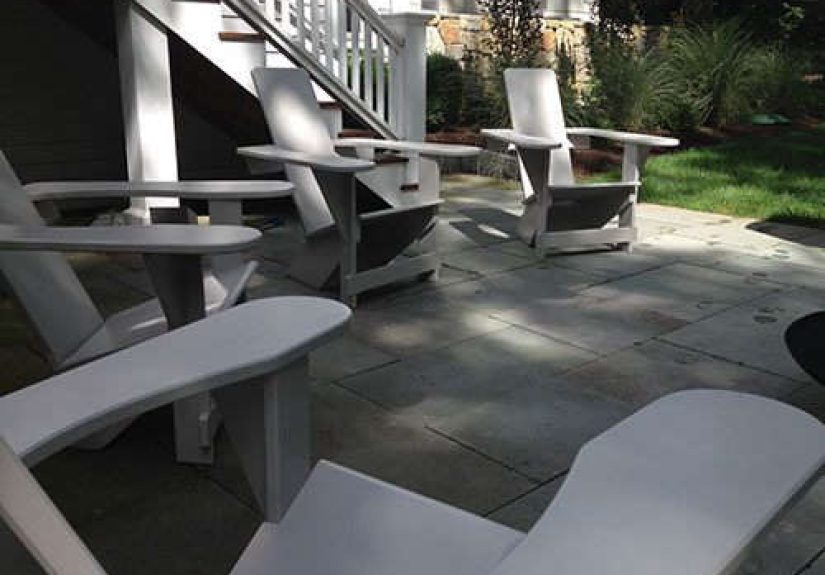
The floor is what tells the eye, “This area has a purpose.” Patios, decks, pavers, pea gravel, decomposed granite, brick, flagstone, and wood platforms all work beautifully. For softer garden rooms, groundcovers, mulch, stepping stones, or lawn can also define the base.
Choose the floor based on use. Dining areas need stable surfaces for chairs and tables. A fire pit area can work well with gravel or stone. A quiet garden bench may need only a small landing pad surrounded by planting. If you use gravel, consider edging to keep it tidy. Otherwise, it will migrate like a tiny, crunchy herd.
2. Build Walls Without Closing Everything In
Outdoor walls can be solid, transparent, green, movable, or implied. A fence creates privacy, but so can a hedge, tall grasses, espaliered trees, lattice, containers, or a row of shrubs. Even a change in planting height can make a space feel enclosed.
The best garden walls create comfort without making the space feel boxed in. A dining terrace might need screening from neighbors. A front courtyard might need low planting that marks the edge while still feeling welcoming. A reading nook might only need one side protected from wind and another side open to a favorite view.
3. Add a Ceiling for Shade and Intimacy
A ceiling is optional, but it often makes an outdoor room feel complete. Pergolas, umbrellas, shade sails, porch roofs, vine-covered arbors, and mature trees all help define overhead space. They also solve practical problems such as glare, heat, and light rain.
Tree canopies are especially powerful. They cool the space, soften architecture, support wildlife, and make a simple chair feel like a destination. If a mature tree already exists, design around it whenever possible. A good shade tree is not just a plant; it is an unpaid architect.
4. Choose Furniture That Matches the Room’s Job
Furniture should support the activity. For dining, choose a table large enough for real plates, not just decorative olives. For lounging, prioritize deep seating, side tables, and weather-resistant cushions. For conversation, arrange chairs so people face one another rather than staring in parallel like commuters waiting for a train.
Outdoor furniture also needs to respect climate. Metal may be durable but can heat up in full sun. Wood needs maintenance. Wicker-style materials vary widely in quality. Cushions should be designed for outdoor use and stored during harsh weather. Comfort is important, but so is choosing materials that will not surrender after one dramatic thunderstorm.
5. Create Mood With Lighting, Plants, and Texture
Lighting changes everything. String lights, lanterns, path lights, sconces, step lights, and low-voltage landscape lighting can turn an outdoor room into an evening retreat. Avoid lighting that feels like a parking lot interrogation. Soft, layered lighting is more flattering and more relaxing.
Plants provide texture, fragrance, movement, and seasonal change. Use a mix of evergreen structure, flowering shrubs, perennials, ornamental grasses, herbs, and containers. Repetition helps the design feel calm. A random plant collection can still be charming, but it may look less like a garden room and more like a botanical group project.
Outdoor Room Ideas for Every Type of Home
There is no single blueprint for an outdoor room. The right design depends on lifestyle, climate, budget, architecture, and how often you realistically plan to carry food outside. Below are practical ideas that work across many American homes.
The Outdoor Dining Room
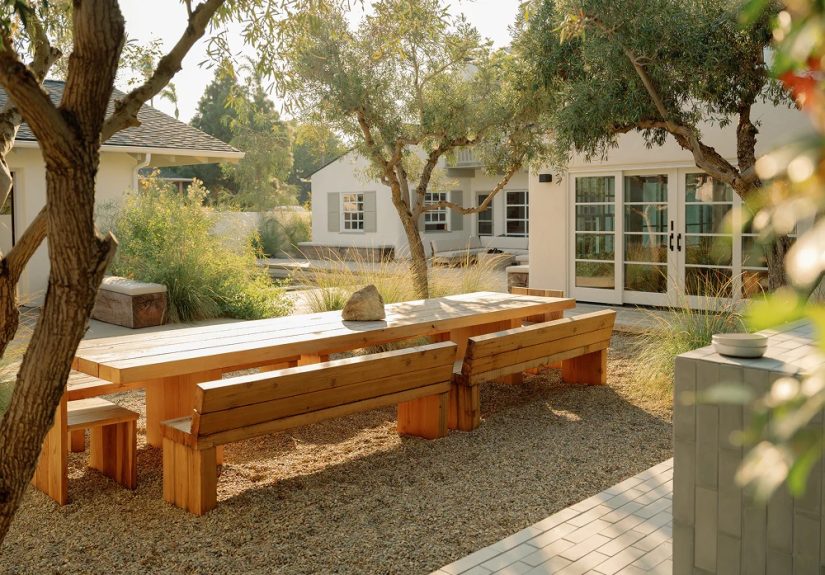
Place an outdoor dining room close to the kitchen if possible. Nobody wants to cross a wet lawn holding a platter of grilled corn while pretending this is glamorous. A dining area works best with a level floor, comfortable chairs, shade, and nearby serving space. Add planters with herbs such as basil, rosemary, thyme, or mint for fragrance and easy access while cooking.
For atmosphere, consider a pergola, umbrella, or tree canopy. Add lanterns or dimmable string lights overhead. If mosquitoes are common in your area, include fans, screened elements, or plantings that improve airflow. Citronella candles may help the mood, but they are not a full defense system.
The Outdoor Living Room
An outdoor living room is designed for relaxing and conversation. It usually includes a sofa or lounge chairs, a coffee table, side tables, pillows, and a rug. The layout should feel social. A U-shaped or L-shaped arrangement works well because it encourages conversation and creates a sense of enclosure.
This is also a good place for a fire feature, if local codes and safety conditions allow it. Fire pits and fireplaces create a natural focal point and extend the season in cooler climates. Keep seating at a safe distance, use nonflammable surfaces, and remember that smoke has a mischievous talent for following the person wearing the nicest sweater.
The Garden Reading Nook
Not every outdoor room needs to host twelve people and a tray of sparkling beverages. Some of the best garden rooms are quiet spaces for one or two. A reading nook can be as simple as a bench under a tree, a chair beside a planting bed, or a hammock in a shaded corner.
The key is separation. Use planting, a screen, or a slight change in elevation to make the nook feel tucked away. Add a small table for a book, coffee, or the gardening gloves you will definitely misplace later.
The Outdoor Kitchen or Grill Station
An outdoor kitchen does not need to be a luxury resort with a pizza oven, refrigerator, sink, bar, and enough stainless steel to launch a submarine. For many homes, a well-planned grill station is enough. Focus on safety, prep space, storage, lighting, and proximity to indoor utilities.
Place the grill where smoke will not blow directly into seating areas or open windows. Use noncombustible materials around cooking zones. Add a counter or cart for prep, hooks for tools, and covered storage for essentials. If you cook outdoors often, upgrades like a sink, built-in counter, or weatherproof cabinet may be worth considering.
The Play Room, Pet Zone, or Family Lawn
Outdoor rooms are not only for adults with linen napkins. Families may need play spaces, pet-friendly zones, or open lawns for games. The trick is to define these areas without making them feel disconnected from the rest of the landscape.
A lawn bordered by shrubs can become a family play room. A sandbox can be tucked into a corner with seating nearby. A dog run can be screened with planting. Use durable surfaces, safe materials, and clear sight lines from the house or main seating area.
Design Principles That Make Outdoor Rooms Feel Finished
A successful outdoor room is more than furniture outside. It depends on proportion, circulation, privacy, comfort, and maintenance. These design principles help create a room that looks good and lives well.
Define the Purpose Before Buying Anything
Before shopping for furniture, ask what the room needs to do. Will it host dinners? Provide shade? Create privacy? Frame a view? Support gardening? Give teenagers somewhere to sit that is technically still at home but emotionally in another county?
Purpose guides every decision. A dining room needs clear access and a stable floor. A lounge needs comfort and shade. A potting area needs work surfaces and storage. When the purpose is clear, the design becomes easier and the budget behaves itselfmostly.
Create Smooth Circulation
Outdoor rooms should be easy to reach and easy to move through. Paths do not need to be formal, but they should be obvious. People naturally follow the most convenient route, even if that means cutting across the flower bed you lovingly planted. Design the path before your guests create one with their feet.
Leave enough space around tables and chairs. Make sure gates, steps, and transitions are safe. Connect major rooms with materials that repeat or complement one another. Circulation is the difference between a yard that feels graceful and one that feels like an obstacle course with cushions.
Use Plants as Architecture
Plants are not just decoration. They can define walls, soften edges, frame views, block wind, provide shade, attract pollinators, and guide movement. Evergreen shrubs give year-round structure. Deciduous trees provide summer shade and winter light. Ornamental grasses add movement. Vines can turn a simple trellis into a living wall.
Whenever possible, choose plants suited to your region, soil, sun exposure, and rainfall. Native and climate-adapted plants often require less water and maintenance once established. Sustainable planting is not only good for the environment; it is also good for homeowners who prefer enjoying the garden to constantly apologizing to thirsty plants.
Balance Privacy and Openness
Privacy is one of the main reasons people create outdoor rooms. But too much enclosure can make a space feel cramped. The goal is selective screening. Block the view of the neighbor’s driveway, not the sunset. Screen the dining area from the street, but keep a sight line to the garden.
Layered privacy often works best. Combine fences with shrubs, trees, planters, or trellises. This approach feels softer than a single tall barrier and usually creates a more natural, Gardenista-worthy look.
Plan for Weather From the Beginning
Outdoor rooms live outside, which means weather is not a surprise guestit is the landlord. Sun, rain, wind, humidity, snow, salt air, and temperature swings all affect materials and comfort. Choose furniture, fabrics, finishes, and plants based on local conditions.
Shade is essential in hot climates. Drainage is crucial everywhere. Wind protection matters on exposed sites. In rainy regions, covered seating may determine whether the space is used often or only admired through a window. A beautiful outdoor room should not collapse emotionally every time the forecast gets creative.
Sustainable Outdoor Rooms: Beauty With a Conscience
The best outdoor rooms are not only stylish; they are responsible. Sustainable design can reduce water use, support biodiversity, manage stormwater, cool the home, and lower maintenance demands. This does not mean your yard has to look wild or unfinished. It means the design works with nature instead of constantly arguing with it.
Choose the Right Plant for the Right Place
Matching plants to site conditions is one of the simplest sustainability strategies. Sun-loving plants belong in sun. Moisture-loving plants belong where water naturally collects. Drought-tolerant plants belong in dry areas. This sounds obvious, but every gardener has at least once planted something in the wrong place and then acted personally betrayed when it sulked.
Group plants with similar water needs together. Use mulch to reduce evaporation and suppress weeds. Preserve existing mature trees when possible. Consider rain gardens, permeable paving, and compost-rich soil to manage water more effectively.
Use Durable, Repairable Materials
Outdoor rooms are exposed to hard use, so durability matters. Choose materials that age well, can be repaired, and suit the style of the home. Stone, brick, gravel, responsibly sourced wood, recycled materials, and quality metal can all work well when properly installed.
A sustainable outdoor room is not necessarily the one with the trendiest product. It is the one you will not need to replace next year. Long-lasting design is often the greenest choice, and it also saves you from having to explain why the bargain patio set now looks like it survived a pirate movie.
Budget-Friendly Ways to Create an Outdoor Room
You do not need a complete landscape overhaul to create an outdoor room. Start with one zone and make it useful. A small patio refresh can have a surprisingly big impact when it includes definition, comfort, and atmosphere.
Easy Upgrades With Big Impact
Begin with an outdoor rug to anchor the seating area. Add planters to create edges. Use string lights or lanterns for evening mood. Bring in a shade umbrella. Add a bench, side table, and weather-resistant pillows. Rearrange furniture into a conversation-friendly layout. Even a simple gravel pad with two chairs and a potted tree can become a charming garden room.
Paint can also work wonders. A tired fence, old bench, or plain planter can become a design feature with the right color. Choose tones that complement the house and garden. Neutrals feel timeless, while dark greens, charcoal, soft blues, and warm terracotta shades can add character without shouting.
Phase the Project Over Time
If the full dream includes a pergola, built-in kitchen, stone terrace, water feature, and lighting system, take a breath. Outdoor rooms can be built in phases. Start with the layout and the floor. Add planting next. Bring in furniture. Install lighting later. Save major structures for when the budget is ready.
Phasing also gives you time to observe how the space behaves. You may discover that the afternoon sun is stronger than expected, the best view is from a different angle, or the dog has claimed the intended dining area as a royal court.
Common Outdoor Room Mistakes to Avoid
Outdoor rooms are forgiving, but a few mistakes can make them less comfortable or harder to maintain. The first is ignoring scale. Tiny furniture can look lost on a large patio, while oversized pieces can overwhelm a small deck. Measure before buying, and leave room to walk.
The second mistake is forgetting shade. A sunny patio may look beautiful in photos but feel unusable at 2 p.m. in July. The third mistake is placing rooms too far from the house without a good reason. Distance can make a garden room feel special, but it can also make carrying dinner feel like a competitive event.
Another common mistake is using too many materials. A little variety is good; too much creates visual noise. Repeat materials, colors, or plant forms to create unity. Finally, do not forget storage. Cushions, tools, firewood, toys, and gardening supplies need a home. Otherwise, your outdoor room becomes an outdoor closet with better lighting.
Real-Life Experiences: What Creating Outdoor Rooms Actually Teaches You
The most interesting thing about creating outdoor rooms is that the garden starts teaching you what it wants. On paper, the perfect dining area may belong at the far end of the yard beneath the prettiest tree. In real life, nobody wants to carry hot plates that far, especially while balancing salad tongs and pretending the mosquitoes are “not that bad.” The first lesson is that beauty and convenience must be friends. If they are not, convenience will win every time.
Many homeowners begin with one modest change: a seating area on an existing patio. At first, it may be just two chairs and a small table. Then comes a planter because the corner looks bare. Then an outdoor rug appears because the chairs seem to be floating. Then string lights go up, and suddenly the space has a personality. By the time someone adds a throw pillow, the patio has basically applied for room status.
Another experience people often share is how quickly an outdoor room changes daily habits. Morning coffee moves outside. A quick phone call becomes a walk through the garden. Dinner feels easier when the table is already inviting. Children use the yard more when there is a defined place to play. Guests naturally gather where seating, shade, and lighting make them comfortable. The outdoor room becomes part of the home’s routine, not just a backdrop for special occasions.
Creating outdoor rooms also teaches patience. Plants need time to fill in. A hedge does not become a wall overnight, no matter how encouragingly you stare at it. Vines take time to climb. Trees take years to cast meaningful shade. This slow transformation is part of the pleasure. Unlike an indoor room, which can change in a weekend, an outdoor room matures season by season. It becomes more layered, more private, and more personal with age.
There are practical lessons, too. Cushions need storage. Umbrellas need sturdy bases. Gravel needs edging. Outdoor rugs should dry quickly. Containers need drainage holes unless you enjoy creating accidental soup. Lighting should be warm, not harsh. Furniture should be arranged for conversation, not lined up like a waiting room. And every outdoor room needs at least one small table, because someone will always have a drink, a book, sunglasses, or a bowl of chips looking for a place to land.
The biggest lesson is that outdoor rooms do not need to be perfect. In fact, perfection can make them feel stiff. A few fallen leaves, a slightly faded chair, herbs leaning toward the sun, and a lantern that has seen several summers can make the space feel alive. The goal is not to create a showroom. The goal is to create a place where people want to linger.
That is the real case for creating outdoor rooms: they invite life to happen outside. They turn unused corners into rituals, patios into gathering places, and gardens into extensions of the home. They make the everyday feel a little more generous. And if a squirrel occasionally judges your furniture arrangement from the fence, consider it part of the charm.
Conclusion: The Outdoor Room Is the New Heart of the Home
Creating outdoor rooms is not just a design trend. It is a practical, beautiful way to make more of the space you already have. By defining floors, walls, ceilings, furniture, and mood, you can turn almost any outdoor area into a room with purpose. A dining terrace, shaded lounge, garden nook, fire pit circle, or compact balcony retreat can change how you use your home every day.
The best outdoor rooms feel intentional but not fussy. They respect the architecture of the house, the needs of the people who live there, and the realities of the local climate. They use plants as structure, lighting as atmosphere, and materials that can handle weather with dignity. Most importantly, they make the outdoors easier to enjoy.
So yes, the case for creating outdoor rooms is strong. Start small, define one space, and let it grow. Your backyard does not need to become a magazine spread by Tuesday. It only needs to become a little more useful, a little more comfortable, and a little more inviting than it was yesterday.