Table of Contents >> Show >> Hide
- Why This Is the Best Baked Pork Chops Recipe
- Ingredients for Juicy Baked Pork Chops
- Best Cut of Pork for Baking
- How to Make the Best Baked Pork Chops
- Optional Skillet Sear for Extra Flavor
- Quick Wet Brine Option
- Flavor Variations
- What to Serve With Baked Pork Chops
- How to Keep Pork Chops from Drying Out
- Common Mistakes to Avoid
- How to Store and Reheat Baked Pork Chops
- Full Recipe Card
- Expert Tips for Perfect Results
- Experience Notes: What I Learned Making the Best Baked Pork Chops Recipe
- Conclusion
If pork chops have ever betrayed you by turning into something closer to a shoe insert than dinner, welcome to the recovery group. The good news? The best baked pork chops recipe is not complicated, fancy, or reserved for people who own twelve kinds of salt. With the right cut, a smart seasoning blend, a hot oven, and one small but mighty toola meat thermometeryou can make pork chops that are juicy inside, beautifully seasoned outside, and weeknight-friendly enough to rescue a Tuesday.
This recipe is built around a simple idea: pork chops are lean, so they need flavor, moisture protection, and careful timing. Instead of baking them until they “look done,” we cook them to the correct internal temperature, let them rest, and allow the juices to settle back into the meat. That is how you get tender baked pork chops without a complicated marinade or a sink full of dishes glaring at you afterward.
Below, you will find a complete oven-baked pork chops recipe, plus tips for boneless and bone-in cuts, seasoning ideas, side dishes, storage advice, and common mistakes to avoid. By the end, you will have a reliable dinner that tastes like you tried harder than you didwhich is honestly the dream.
Why This Is the Best Baked Pork Chops Recipe
The best baked pork chops recipe should do three things well: keep the meat juicy, create bold flavor, and stay simple enough for real life. This version checks all three boxes. A quick dry brine helps season the pork deeply, a balanced spice rub adds savory warmth, and baking at a moderately high temperature gives the chops a lightly caramelized exterior without drying them out.
Many home cooks overcook pork because they remember old advice that treated pork like it had to be cooked into submission. Today, whole cuts such as pork chops are considered safe at an internal temperature of 145°F followed by a short rest. That means your pork can be slightly pink in the center and still be safe, tender, and delicious. In other words, pork chops do not need to be punished for being pork chops.
Ingredients for Juicy Baked Pork Chops
Main Ingredients
- 4 pork chops, 1 to 1 1/2 inches thick, boneless or bone-in
- 2 tablespoons olive oil
- 1 1/2 teaspoons kosher salt
- 1 teaspoon black pepper
- 1 teaspoon smoked paprika
- 1 teaspoon garlic powder
- 1 teaspoon onion powder
- 1 teaspoon brown sugar
- 1/2 teaspoon dried thyme
- 1/2 teaspoon mustard powder
- 1 tablespoon unsalted butter, optional for finishing
- Fresh parsley or lemon wedges, optional for serving
Why These Ingredients Work
Olive oil helps the seasoning cling to the meat and encourages browning. Kosher salt does more than make the pork taste good; it helps the meat retain moisture. Smoked paprika adds color and a gentle smoky flavor, while garlic powder and onion powder bring the classic savory backbone that makes baked pork chops taste comforting. Brown sugar is not here to make the dish sweet like dessertit helps the surface caramelize and balances the salt and spice.
Mustard powder adds a subtle tang that wakes up the seasoning blend. Thyme gives the recipe a cozy, herbaceous note that pairs beautifully with pork. If you finish the chops with a tiny pat of butter, the pan juices become glossy and rich, like a tiny sauce that did not require a culinary degree.
Best Cut of Pork for Baking
For the juiciest oven-baked pork chops, choose chops that are at least 1 inch thick. Thin chops cook quickly, but they also dry out quickly. A thicker chop gives you more control and a larger window between “perfectly cooked” and “why is this so chewy?”
Bone-In Pork Chops
Bone-in pork chops are excellent for baking because the bone helps insulate the meat and can add flavor. They often take a few minutes longer to cook than boneless chops, but the result is usually juicy and satisfying. Rib chops and center-cut loin chops are both good choices.
Boneless Pork Chops
Boneless pork chops are convenient, easy to slice, and great for quick dinners. Because they are lean and do not have the bone for insulation, they require closer temperature monitoring. Pull them from the oven as soon as they reach 145°F in the thickest part.
How to Make the Best Baked Pork Chops
Step 1: Pat the Pork Chops Dry
Moisture on the surface of the pork prevents browning. Before seasoning, pat the pork chops thoroughly with paper towels. This small step makes a big difference. A dry surface helps the oil and spice rub stick evenly and gives the chops a better crust in the oven.
Step 2: Season and Rest
In a small bowl, combine the salt, pepper, smoked paprika, garlic powder, onion powder, brown sugar, thyme, and mustard powder. Rub the pork chops with olive oil, then coat both sides generously with the seasoning mixture.
For the best flavor, let the seasoned pork chops rest at room temperature for 20 to 30 minutes before baking. This short dry brine gives the salt time to start working and helps the pork cook more evenly. If you have more time, season the chops and refrigerate them uncovered for up to 8 hours, then bring them out about 30 minutes before cooking.
Step 3: Preheat the Oven
Preheat your oven to 400°F. This temperature is hot enough to cook the pork efficiently while encouraging light browning. Place a rack in the center of the oven for even heat circulation.
Step 4: Arrange the Pork Chops
Place the pork chops in a lightly greased baking dish or on a rimmed baking sheet lined with parchment paper. Do not crowd the pan. Pork chops need a little space around them so the heat can circulate. If they are packed too tightly, they may steam instead of roast.
Step 5: Bake Until Juicy and Safe
Bake the pork chops until the thickest part reaches 145°F on an instant-read thermometer. For 1-inch boneless pork chops, this usually takes 12 to 16 minutes. For 1 1/2-inch bone-in chops, it may take 18 to 24 minutes. Timing varies depending on thickness, oven performance, and whether the pork started cold or closer to room temperature.
The thermometer is the boss here. Not the clock. Not vibes. Not the mysterious family tradition of “cut it open and stare at it.” Insert the thermometer into the thickest part of the chop, avoiding the bone, and remove the pork from the oven when it reaches 145°F.
Step 6: Rest Before Serving
Transfer the pork chops to a plate and let them rest for at least 3 to 5 minutes. Resting allows the juices to redistribute, making each bite more tender. If you slice immediately, the juices run out onto the cutting board, and dinner becomes a little sadder than necessary.
Optional Skillet Sear for Extra Flavor
If you want a deeper crust, sear the pork chops before baking. Heat a large oven-safe skillet over medium-high heat with a tablespoon of oil. Sear the pork chops for 2 minutes per side, then transfer the skillet to the oven and bake until the internal temperature reaches 145°F.
This method is especially good for thick-cut pork chops. The sear creates a golden, flavorful surface, while the oven finishes the interior gently. It is not required, but it does add restaurant-style flavor with very little extra effort.
Quick Wet Brine Option
If you have time and want extra insurance against dryness, use a quick brine. Stir 1/4 cup kosher salt into 4 cups warm water until dissolved. Cool the brine completely, then add the pork chops and refrigerate for 30 minutes to 2 hours. Remove the chops, rinse briefly if desired, and pat them very dry before seasoning. Reduce the added salt in the spice rub by about half because the brine already seasons the meat.
A brine is helpful because salt changes how the proteins hold moisture. Translation: juicier pork chops. Science is delicious when it behaves.
Flavor Variations
Honey Garlic Baked Pork Chops
Add 1 tablespoon honey and 1 teaspoon soy sauce to the olive oil before rubbing it over the pork. Use garlic powder, black pepper, and paprika for a sweet-savory glaze that works beautifully with roasted carrots or rice.
Herb Butter Pork Chops
Mix softened butter with minced parsley, thyme, garlic, and a squeeze of lemon juice. Add a small spoonful on top of each pork chop after baking. The butter melts into the juices and creates an instant sauce.
Spicy Cajun Pork Chops
Replace the thyme and mustard powder with Cajun seasoning, cayenne, and a pinch of oregano. Serve with coleslaw, cornbread, or roasted sweet potatoes for a bold Southern-inspired meal.
Apple Dijon Pork Chops
Brush the chops with Dijon mustard and a teaspoon of apple cider vinegar before seasoning. Serve with sautéed apples or roasted Brussels sprouts for a cozy fall-style dinner that works all year.
What to Serve With Baked Pork Chops
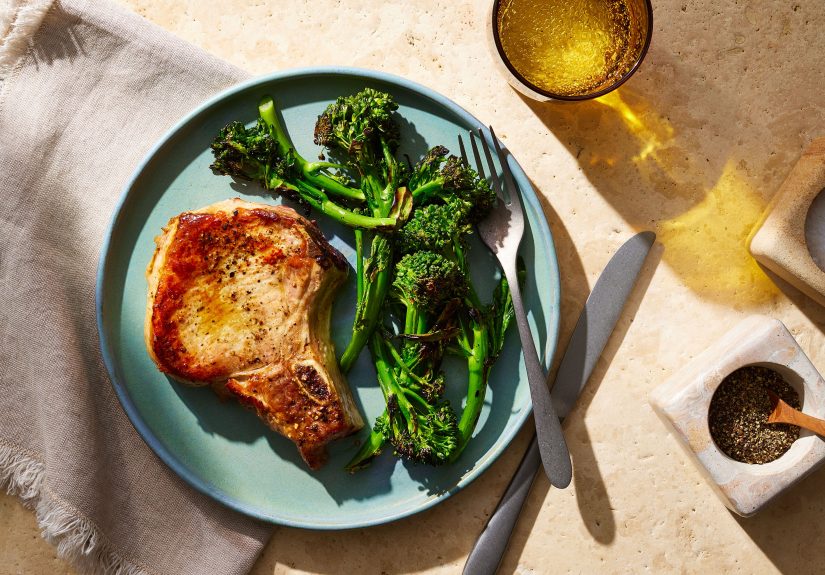
Baked pork chops are wonderfully flexible, so side dishes can go classic, fresh, cozy, or light. For a traditional dinner, serve them with mashed potatoes, green beans, and gravy or pan juices. For a healthier plate, try roasted broccoli, a crisp salad, or cauliflower mash. If you want something hearty, baked macaroni and cheese or garlic rice will absolutely understand the assignment.
Apples also pair beautifully with pork. A quick apple slaw, applesauce, or roasted apples with onions can balance the savory richness of the meat. For a weeknight meal, sheet-pan vegetables are a smart choice because they can roast while the pork cooks. Carrots, potatoes, Brussels sprouts, green beans, and sweet potatoes are all excellent partners.
How to Keep Pork Chops from Drying Out
The biggest secret is simple: do not overcook them. Pork chops are lean, and lean meat does not forgive long oven naps. Use a thermometer and remove the chops at 145°F. Also, choose thicker chops whenever possible. A 1-inch chop is much easier to cook well than a thin breakfast-style chop.
Another key is seasoning early. Even a 20-minute rest with salt improves flavor and texture. Letting the pork sit briefly before baking also reduces the temperature shock when it enters the oven, helping it cook more evenly from edge to center.
Finally, let the chops rest after baking. This is not optional if you want juicy meat. Think of resting as the pork chop taking a tiny spa break before its big performance.
Common Mistakes to Avoid
Using Thin Pork Chops
Thin chops can be tasty, but they are harder to bake without drying out. If your chops are less than 1 inch thick, reduce the cooking time and check them early.
Skipping the Thermometer
Guessing doneness is the fastest way to overcook pork. A digital instant-read thermometer is inexpensive, reliable, and far less dramatic than cutting into every chop like you are investigating a mystery.
Baking Straight from the Fridge
Cold pork chops can cook unevenly, with dry edges and an underdone center. Letting them sit at room temperature for 20 to 30 minutes before baking helps solve that problem.
Forgetting to Rest the Meat
Cutting pork chops immediately after baking causes the juices to spill out. Resting for a few minutes keeps more moisture in the meat and makes each bite better.
How to Store and Reheat Baked Pork Chops
Store leftover baked pork chops in an airtight container in the refrigerator for up to 3 to 4 days. To reheat without drying them out, place the chops in a covered baking dish with a splash of broth, water, or pan juices. Warm in a 300°F oven until heated through. You can also reheat gently in a covered skillet over low heat.
Avoid blasting leftover pork chops in the microwave on high unless you enjoy meat with the texture of a kitchen sponge. If using the microwave, cover the pork and heat in short intervals at reduced power.
Leftover pork chops can also be sliced and used in sandwiches, grain bowls, fried rice, salads, or breakfast hash. A good baked pork chop knows how to make a comeback.
Full Recipe Card
Best Baked Pork Chops Recipe
Prep time: 10 minutes
Resting time: 20 to 30 minutes
Cook time: 12 to 24 minutes
Total time: About 45 minutes
Servings: 4
Instructions
- Pat the pork chops dry with paper towels.
- Mix salt, pepper, smoked paprika, garlic powder, onion powder, brown sugar, thyme, and mustard powder in a small bowl.
- Rub the pork chops with olive oil, then coat both sides with the seasoning mixture.
- Let the chops rest at room temperature for 20 to 30 minutes.
- Preheat the oven to 400°F.
- Place the pork chops in a lightly greased baking dish or on a lined rimmed baking sheet.
- Bake until the thickest part reaches 145°F, about 12 to 16 minutes for 1-inch boneless chops or 18 to 24 minutes for thicker bone-in chops.
- Remove from the oven and rest for 3 to 5 minutes.
- Top with butter, parsley, or lemon if desired, then serve warm.
Expert Tips for Perfect Results
For maximum flavor, season the pork chops earlier in the day and refrigerate them uncovered. This dry-brining technique improves browning because the surface becomes drier, while the salt has more time to season the meat. If you are short on time, even 20 minutes helps.
If your pork chops vary in thickness, start checking the thinner ones first. You can remove finished chops from the pan and return thicker ones to the oven for a few more minutes. Cooking all chops for the same amount of time sounds fair, but pork does not care about fairness. Pork cares about temperature.
For a saucier finish, add a splash of chicken broth, apple cider, or white wine to the hot baking dish after removing the chops. Scrape up the browned bits, stir in a small pat of butter, and spoon the quick pan sauce over the meat.
Experience Notes: What I Learned Making the Best Baked Pork Chops Recipe
The first time many home cooks make baked pork chops, they usually have one goal: please do not make them dry. That is a reasonable goal because pork chops have a reputation for being fussy. But after testing and cooking them in different ways, the lesson becomes clear: pork chops are not difficult; they are just honest. If you overcook them, they will tell you immediately. Loudly. With every chewy bite.
One of the most useful experiences is learning how much thickness matters. A thin pork chop can go from juicy to dry in the time it takes to set the table. A thicker chop gives you breathing room. It also feels more satisfying on the plate and slices beautifully after resting. When choosing pork chops at the store, look for an even thickness and a little marbling. Extremely lean chops can still be good, but they need more careful timing.
Another practical lesson is that seasoning early changes everything. When salt sits on the surface for a little while, it does not just stay outside like a shy guest at a party. It begins to draw out moisture, dissolve, and move back into the meat. The result is pork that tastes seasoned throughout rather than just salty on the surface. Even a short dry brine while the oven preheats can improve the final dish.
The thermometer lesson is the biggest one. Many people are taught to cook meat by color, but color can be misleading. Pork may still have a faint blush at 145°F, and that is perfectly normal for whole pork chops. Once you start cooking by temperature, the stress disappears. You stop guessing. You stop slicing into the meat too early. You stop performing tiny dinner surgery in the pan.
Resting the pork is also more important than it seems. When pork chops come out of the oven, the juices are active and hot. Cutting right away sends those juices onto the plate instead of keeping them in the meat. A short rest gives the chop time to relax. This is probably the only time telling dinner to relax actually works.
Flavor-wise, the best baked pork chops recipe is easy to adapt. The base seasoning in this version is savory, smoky, and lightly sweet, but it can move in many directions. Add chili powder for heat, rosemary for a holiday-style flavor, lemon zest for brightness, or a brush of barbecue sauce during the final few minutes for a sticky glaze. Once you understand the basic method, the recipe becomes a template rather than a rulebook.
Serving also matters. Pork chops love contrast. A rich chop tastes better with something bright, such as lemon, apples, vinegar slaw, or pickled onions. A smoky chop pairs well with creamy mashed potatoes or mac and cheese. A simple chop becomes a complete meal with roasted vegetables and a quick pan sauce. The pork is the star, but the supporting cast can make it shine.
The final experience-based takeaway is this: confidence comes from repetition. Make this recipe once and you will learn your oven’s timing. Make it twice and you will know whether your family prefers bone-in or boneless. Make it a third time and you will start changing the seasoning like you invented pork chops yourself. That is the beauty of a reliable recipe. It gives you a strong starting point, then lets you cook with personality.
Conclusion
The best baked pork chops recipe is all about balance: the right cut, the right seasoning, the right oven temperature, and the right internal temperature. Choose thick chops, season them generously, bake them at 400°F, and pull them from the oven at 145°F. Let them rest, then serve with your favorite sides for a dinner that is juicy, flavorful, and easy enough for busy nights.
Whether you keep the recipe classic with garlic and paprika or dress it up with herb butter, honey garlic glaze, or apple Dijon flavors, this method gives you tender baked pork chops without guesswork. It is simple, dependable, and deliciousthe kind of recipe that earns a permanent spot in your dinner rotation.
Note: This article was written using current U.S. food-safety guidance and widely tested home-cooking practices, especially the recommendation to cook whole pork chops to 145°F followed by a short rest.