Table of Contents >> Show >> Hide
- What Causes Cold Sores?
- How to Know a Cold Sore Is Starting
- Best At-Home Cold Sore Remedies That Actually Make Sense
- 1. Start With an Over-the-Counter Antiviral Cream
- 2. Use a Cold Compress for Pain and Swelling
- 3. Try a Warm Compress if the Sore Feels Tight or Crusty
- 4. Protect Your Lips With Moisturizer and Sunscreen
- 5. Use Pain Relief Wisely
- 6. Avoid Acidic, Salty, and Spicy Foods
- 7. Do Not Pick, Pop, or Peel the Sore
- Natural Cold Sore Remedies: Helpful, Overhyped, or Risky?
- When Prescription Antivirals May Be Better
- How to Prevent Spreading Cold Sores at Home
- Cold Sore Prevention Tips for Future Outbreaks
- A Practical At-Home Cold Sore Treatment Plan
- Real-Life Experiences With Cold Sore Remedies
- Conclusion
Cold sores have terrible timing. They show up before dates, job interviews, family photos, vacations, weddings, reunions, and basically any event where your face was planning to behave itself. These small, fluid-filled blisters usually appear on or around the lips, and while they are common, they can feel like a tiny billboard announcing, “Hello, I am irritated.”
The good news: most cold sores heal on their own within about one to two weeks. The better news: smart at-home treatment can reduce discomfort, protect the area, lower the risk of spreading the virus, and sometimes help the sore heal faster. The less magical news: there is no instant overnight cure. If a product promises to erase a cold sore by breakfast, your lip may want to file a complaint with the marketing department.
This guide explains practical, evidence-based cold sore remedies you can use at home, including over-the-counter treatments, cold compresses, lip care, pain relief, prevention tips, and when to call a healthcare provider.
What Causes Cold Sores?
Cold sores, also called fever blisters, are usually caused by herpes simplex virus type 1, often shortened to HSV-1. Less commonly, herpes simplex virus type 2 can also cause sores around the mouth. After the first infection, the virus stays in the body and can reactivate later, especially during certain triggers.
Common cold sore triggers include stress, illness, fever, sun exposure, fatigue, hormonal changes, dental work, lip injury, and a weakened immune system. Think of HSV-1 as that one dramatic houseguest who disappears for months, then returns the moment life gets busy.
How to Know a Cold Sore Is Starting
Many people notice a warning stage before the blister appears. This is called the prodrome stage, and it may feel like tingling, burning, itching, tightness, or tenderness around the lip. This early window matters because cold sore treatment works best when started as soon as symptoms begin.
A typical cold sore outbreak may move through several stages:
- Tingling or itching: The area feels odd before anything visible appears.
- Blistering: Small fluid-filled blisters form, often in a cluster.
- Oozing: Blisters may break open and become more contagious.
- Crusting: A scab forms as the sore begins healing.
- Healing: The scab flakes away and the skin repairs itself.
The earlier you treat the sore, the better your chances of reducing the severity. Once a cold sore has fully blistered and crusted, treatment can still soothe symptoms, but it may not shorten the timeline as much.
Best At-Home Cold Sore Remedies That Actually Make Sense
1. Start With an Over-the-Counter Antiviral Cream
One of the most recognized over-the-counter cold sore treatments is docosanol 10% cream. It is designed to shorten healing time and reduce symptoms when used at the first sign of a cold sore. For best results, apply it exactly as directed on the package, usually several times daily.
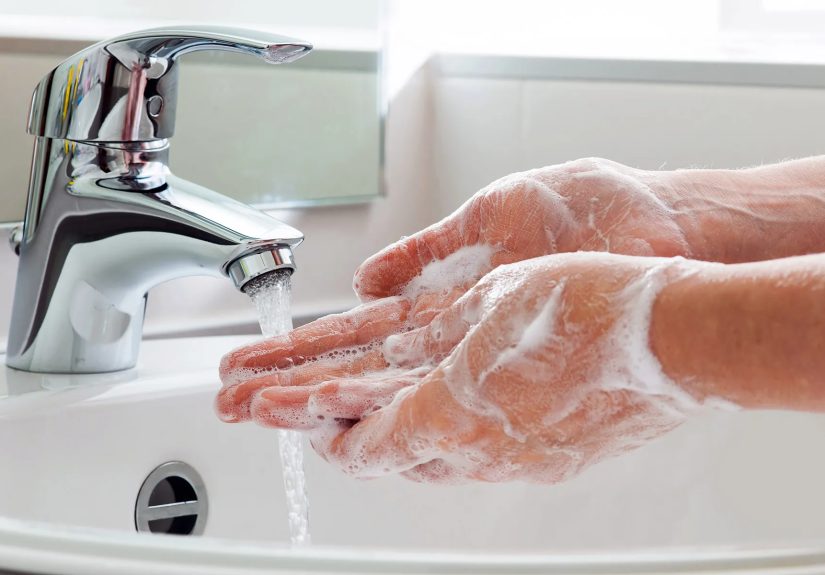
Use a clean cotton swab instead of your finger. This helps prevent spreading the virus to other parts of your body, especially your eyes. Wash your hands before and after applying any cold sore medicine. Your hands are wonderful tools, but during an outbreak, they can become tiny transportation services for germs and viruses.
2. Use a Cold Compress for Pain and Swelling
A cold compress is simple, cheap, and surprisingly comforting. Wrap ice in a clean cloth or use a cool, damp washcloth and apply it to the sore for five to ten minutes at a time. Never place ice directly on the skin because that can irritate or damage the area.
Cold therapy can help reduce redness, swelling, and pain, especially during the early tingling stage. It will not “freeze the virus to death,” but it may calm the area and make the outbreak easier to tolerate.
3. Try a Warm Compress if the Sore Feels Tight or Crusty
Cold is useful for swelling, but a warm compress may feel better once the blister has crusted. A warm, damp cloth can soften crusting and reduce tightness. Be gentle. The goal is comfort, not scrubbing your lip like a kitchen pan.
After using a compress, wash the cloth in hot water before using it again. Do not share towels, washcloths, lip balm, cups, or utensils while you have an active cold sore.
4. Protect Your Lips With Moisturizer and Sunscreen
Dry, cracked lips can make cold sores more painful. A plain moisturizing lip balm or petroleum jelly can help protect the area and reduce cracking. If sun exposure is one of your triggers, use a lip balm with SPF when going outdoors.
Sunlight can reactivate cold sores in some people, so lip sunscreen is not just beach-day vanity. It is practical prevention. Keep one SPF lip balm in your bag, one in your car, and one wherever your future self will forget to look.
5. Use Pain Relief Wisely
Cold sores can sting, burn, and throb. Over-the-counter pain relievers such as acetaminophen or ibuprofen may help, as long as you can take them safely. Some topical numbing products contain ingredients such as lidocaine or benzocaine, which may temporarily reduce pain.
Read labels carefully and avoid using too many topical products at the same time. More cream does not always mean more healing. Sometimes it just means your lip is hosting a chemical house party.
6. Avoid Acidic, Salty, and Spicy Foods
Orange juice, salsa, vinegar-heavy foods, hot sauce, and salty snacks can make a cold sore feel like it just received bad news. During an outbreak, choose gentler foods that do not sting the area. Smoothies, yogurt, oatmeal, soups that are not too hot, scrambled eggs, and soft fruits may be easier to tolerate.
Drink plenty of fluids. If your lips are sore and you avoid drinking, dehydration can make your mouth feel worse. Use a straw if it helps you avoid touching the sore.
7. Do Not Pick, Pop, or Peel the Sore
This is the rule everyone knows and almost everyone wants to break. Do not pop a cold sore. Do not pick the scab. Do not peel it to “help it along.” Picking can delay healing, increase irritation, raise the risk of bacterial infection, and spread the virus.
Cold sores are most contagious when blisters are open and oozing, but the virus can spread even when a sore is not obvious. During an active outbreak, avoid kissing, oral sex, sharing drinks, sharing lip products, and touching the sore.
Natural Cold Sore Remedies: Helpful, Overhyped, or Risky?
Natural remedies are popular because they feel gentle and accessible. Some may soothe irritation, but not all are proven to shorten healing. The safest approach is to treat natural remedies as comfort tools, not miracle cures.
Aloe Vera Gel
Aloe vera gel may feel cooling and soothing. If you use it, choose a clean product intended for skin and apply a small amount around the sore, not deep inside the mouth. Stop using it if it burns, stings, or causes redness.
Lemon Balm
Lemon balm is often mentioned as a cold sore home remedy. Some limited research suggests topical lemon balm may help with symptoms, especially when used early. However, product quality varies. Avoid homemade mixtures if they irritate your skin, and be cautious with essential oils because they can burn delicate lip tissue if used improperly.
Honey and Propolis
Medical-grade honey and bee propolis have been studied for wound care and antiviral potential, but regular kitchen honey is not the same as a sterile medical product. If you try a honey-based product, use caution, avoid sticky messes that make you touch the sore more, and do not use honey on infants.
Lysine Supplements
Lysine is an amino acid that some people take to help prevent cold sores. Evidence is mixed, and supplements can interact with health conditions or medications. If you get frequent outbreaks and are considering lysine regularly, ask a healthcare provider first.
Tea Tree Oil and Toothpaste
Tea tree oil and toothpaste are common internet suggestions, but they can irritate or burn the skin. Toothpaste belongs on teeth, not on an open blister. Your cold sore does not need minty punishment.
When Prescription Antivirals May Be Better
At-home cold sore remedies can help, but prescription antiviral medicines are often more effective, especially for people who get frequent, severe, or long-lasting outbreaks. Common prescription antivirals include acyclovir, valacyclovir, and famciclovir.
These medicines work best when taken early, ideally during the tingling stage or within the first 24 to 48 hours of symptoms. Some people with frequent outbreaks may benefit from a provider-approved plan that includes having medication ready before the next flare begins.
You should contact a healthcare professional if:
- Your cold sore lasts longer than two weeks.
- Outbreaks are frequent, severe, or spreading.
- You have eye pain, eye redness, or sores near the eye.
- You have a weakened immune system.
- A baby or very young child has symptoms.
- You develop fever, swollen gums, dehydration, or trouble swallowing.
- The sore looks infected, with increasing redness, warmth, pus, or worsening pain.
How to Prevent Spreading Cold Sores at Home
Cold sores are contagious, so prevention is part of treatment. Wash your hands often, especially after touching your face or applying medication. Avoid kissing and oral contact until the sore is fully healed. Do not share cups, forks, towels, razors, lip balm, lipstick, or toothbrushes.
If you wear contact lenses, be extra careful. HSV can cause serious eye infections. Wash hands thoroughly before touching your eyes, and call a healthcare provider promptly if you notice eye discomfort during an outbreak.
Also consider replacing or carefully avoiding contaminated lip products used during an outbreak. A tube of lip balm that touched an active cold sore is not exactly a collectible.
Cold Sore Prevention Tips for Future Outbreaks
Prevention starts with learning your triggers. Keep a simple note on your phone when outbreaks happen. Track stress, illness, sleep, sun exposure, menstrual cycle changes, dental visits, travel, or lip injury. Over time, patterns may appear.
Helpful prevention habits include:
- Using SPF lip balm daily.
- Getting enough sleep.
- Managing stress with exercise, breathing, journaling, or downtime.
- Avoiding lip trauma from biting, picking, or harsh exfoliation.
- Staying hydrated.
- Talking to a clinician about prescription prevention if outbreaks are frequent.
Cold sore prevention is not about living in a bubble. It is about making your body less likely to roll out the red carpet for a flare-up.
A Practical At-Home Cold Sore Treatment Plan
If you feel a cold sore starting, try this simple step-by-step routine:
- Act early: Apply docosanol or your provider-recommended antiviral at the first tingle.
- Cool the area: Use a cold compress for five to ten minutes.
- Reduce pain: Take an appropriate pain reliever if needed.
- Protect the sore: Use a clean moisturizer or lip balm around the area.
- Avoid irritation: Skip spicy, acidic, and salty foods.
- Prevent spread: Wash hands, avoid kissing, and do not share personal items.
- Leave it alone: No picking, popping, or peeling.
This routine will not make a cold sore disappear in one hour, but it can make the experience less painful and less chaotic. That is a win your lip can appreciate.
Real-Life Experiences With Cold Sore Remedies
Anyone who gets cold sores regularly knows there is a difference between medical instructions and real life. In real life, the first tingle often appears when you are stuck in traffic, sitting in a meeting, boarding a flight, or halfway through a giant burrito. The best cold sore remedy is not always the fanciest product. Often, it is the remedy you can start quickly and use consistently.
Many people find that keeping a small “cold sore kit” helps. This kit might include docosanol cream, cotton swabs, a travel-size hand sanitizer, SPF lip balm, petroleum jelly, and a few pain relievers. The kit does not need to be dramatic. It is not a survival bunker. It is just a tiny peace offering to your future irritated lip.
One common experience is learning that timing matters. Someone may use the same cream during two different outbreaks and get different results. Why? During the first outbreak, they may have started treatment after the blister opened. During the second, they may have applied it during the tingling stage. Early action often feels like the difference between a small nuisance and a full lip volcano.
Another practical lesson is that food choices matter more than expected. A cold sore near the corner of the mouth can turn lemonade, chips, salsa, and hot coffee into tiny villains. Switching to cooler, softer foods for a few days can make eating less painful. Even using a straw can help keep acidic drinks away from the sore.
People also learn the hard way that picking the scab is never worth it. It may feel satisfying for three seconds, then the sore cracks, bleeds, stings, and restarts the healing drama. Letting the scab fall off naturally is not glamorous, but it is usually faster than repeatedly reopening it.
Makeup is another real-world issue. Some people want to cover a cold sore for work or photos. If you choose to use makeup, avoid applying it directly from the tube or wand. Use a disposable applicator, do not double-dip, and throw the applicator away. Never share makeup during an outbreak. The goal is camouflage, not creating a virus distribution network.
Stress is also a major theme. Many people notice cold sores appearing after exams, deadlines, grief, travel, or poor sleep. That does not mean stress “causes” cold sores by itself, but it can help trigger reactivation. Building better sleep habits, using sunscreen on the lips, and having medication ready can make outbreaks feel less random and less frustrating.
The most comforting experience many people eventually discover is this: cold sores are common, manageable, and not a character flaw. They are a viral skin condition, not a personal failure. Treat early, protect the area, avoid spreading it, and give your body time to heal. Your lip may be temporarily dramatic, but with the right at-home treatment plan, you can keep the drama on a much smaller stage.
Conclusion
Cold sore remedies work best when they are practical, early, and gentle. Start treatment at the first tingle, use an over-the-counter antiviral cream when appropriate, calm pain with cold compresses, protect your lips with moisturizer and SPF, and avoid picking or irritating the sore. Natural remedies may soothe symptoms for some people, but they should not replace proven antiviral treatment, especially for frequent or severe outbreaks.
Most cold sores heal within one to two weeks, but you should seek medical advice if sores last longer, spread, become very painful, appear near the eyes, or happen often. With a smart at-home cold sore treatment plan, you can reduce discomfort, lower the chance of spreading the virus, and help your lips get back to their regular, non-dramatic schedule.