Table of Contents >> Show >> Hide
- What Is a Stroke?
- Why Acting F.A.S.T. Matters
- How to Use F.A.S.T. to Spot a Stroke
- Beyond F.A.S.T.: Other Stroke Warning Signs
- What to Do While Waiting for Help
- What Not to Do If You Suspect a Stroke
- Common Stroke Risk Factors
- How to Lower Your Stroke Risk
- Teaching F.A.S.T. to Your Family
- Real-Life Experience: What Acting F.A.S.T. Can Feel Like
- Conclusion: When in Doubt, Make the Call
- SEO Tags
A stroke does not politely knock, take off its shoes, and ask whether now is a good time. It arrives suddenly, interrupts everything, and demands an immediate response. That is why the phrase “Suspect a stroke? Act F.A.S.T.” is not just a catchy health slogan. It is a life-saving action plan that anyone can learn in less time than it takes to find the TV remote.
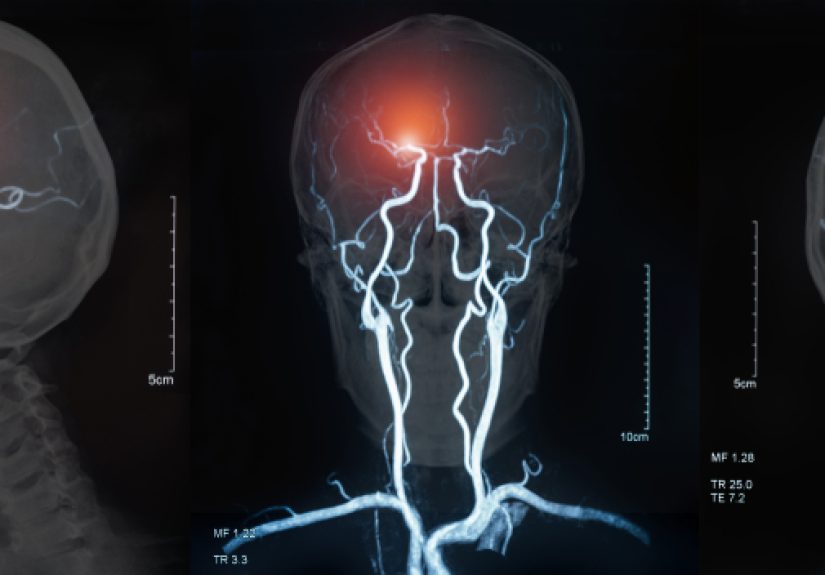
Stroke is a medical emergency that happens when blood flow to part of the brain is blocked or when a blood vessel in the brain bursts. Brain cells need oxygen-rich blood to survive. When that supply is interrupted, damage can begin within minutes. The faster a person receives emergency stroke care, the better the chance of reducing long-term disability, protecting brain function, and saving a life.
The good news is that you do not need a medical degree, a white coat, or a stethoscope dramatically hanging around your neck to recognize many stroke warning signs. You need one simple tool: F.A.S.T. It stands for Face drooping, Arm weakness, Speech difficulty, and Time to call 911. These four letters can turn an ordinary bystander into the most important person in the room.
What Is a Stroke?
A stroke occurs when the brain cannot get the blood and oxygen it needs. There are two main types of stroke. An ischemic stroke happens when a clot blocks blood flow to the brain. This is the most common type. A hemorrhagic stroke happens when a blood vessel in the brain leaks or bursts, causing bleeding and pressure that can damage brain tissue.
There is also something called a transient ischemic attack, often called a TIA or “mini-stroke.” The symptoms may disappear quickly, but do not let the word “mini” fool you. A TIA is a serious warning sign that a major stroke could happen later. If stroke symptoms appear and then go away, the correct response is still the same: call 911 immediately.
Think of the brain as the body’s control center. It manages movement, speech, memory, vision, balance, emotion, and more. When a stroke affects one area of the brain, the symptoms often appear in the body functions controlled by that area. That is why one person may suddenly have a crooked smile, while another may lose balance, struggle to speak, or experience sudden vision problems.
Why Acting F.A.S.T. Matters
When it comes to stroke, time is not just money. Time is brain. Every minute matters because brain cells can die quickly when blood flow is interrupted. Emergency teams may be able to provide treatments that dissolve clots, remove blockages, control bleeding, manage blood pressure, and reduce complications. But many of these treatments are time-sensitive.
Calling 911 is much safer than driving someone to the hospital yourself. Emergency medical services can begin assessment right away, alert the hospital before arrival, and take the person to an appropriate stroke-ready facility. In other words, the ambulance is not just a ride with flashing lights. It is the first moving piece of the stroke-care system.
People often hesitate because they do not want to “overreact.” But with stroke, overreacting is not calling 911. Overreacting is pretending sudden slurred speech is probably just “being tired.” If the symptoms are sudden and unusual, treat them as an emergency.
How to Use F.A.S.T. to Spot a Stroke
F Face Drooping
Ask the person to smile. Does one side of the face droop? Is the smile uneven? Does one side look numb, weak, or strangely relaxed? A stroke can affect the muscles of the face, making it difficult for the person to control one side normally.
A helpful example: imagine your coworker is laughing at a joke, but only one side of their mouth moves. Maybe they say they feel “fine,” but their face is telling a different story. Do not debate with the face. Act F.A.S.T.
A Arm Weakness
Ask the person to raise both arms. Does one arm drift downward? Can they lift one arm but not the other? Is there sudden numbness or weakness on one side of the body? Arm weakness is one of the classic stroke warning signs.
This symptom can be subtle. The person may not collapse dramatically like a movie scene. They may simply drop a coffee cup, struggle to grip keys, or complain that one arm feels “heavy.” If the weakness appears suddenly, take it seriously.
S Speech Difficulty
Ask the person to repeat a simple sentence, such as, “The sky is blue today.” Listen for slurred speech, confused words, trouble understanding, or an inability to speak. Speech changes are often among the most noticeable stroke symptoms.
Sometimes the person knows what they want to say, but the words come out scrambled. Other times, they may not understand your question. If their speech suddenly sounds like a bad phone signal inside their brain, call 911.
T Time to Call 911
If you notice any of these signs, call 911 right away. Do not wait to see if symptoms improve. Do not ask the person to sleep it off. Do not search the internet for twenty minutes while everyone stands around looking worried. Call emergency services immediately.
Also note the time when symptoms started or when the person was last known to be well. Emergency clinicians use this information to make treatment decisions. If you do not know the exact time, give your best estimate.
Beyond F.A.S.T.: Other Stroke Warning Signs
F.A.S.T. is easy to remember, but stroke symptoms can go beyond face, arm, and speech. Some health organizations use the expanded acronym B.E. F.A.S.T. to include Balance and Eyes. These symptoms are also important.
Sudden Balance Problems
A person having a stroke may suddenly feel dizzy, lose coordination, stumble, or have trouble walking. This can look like clumsiness, but if it comes out of nowhere, it deserves emergency attention.
Sudden Vision Changes
Stroke can cause blurred vision, double vision, or sudden loss of vision in one or both eyes. Someone may say a curtain came down over part of their sight, or they may bump into objects on one side.
Sudden Severe Headache
A sudden, intense headache with no known cause can be a warning sign, especially for bleeding in the brain. Some people describe it as the worst headache of their life. That is not a “drink more water and hope” moment. That is a call-911 moment.
Sudden Confusion or Trouble Understanding
A person may seem disoriented, unable to follow simple directions, or confused about where they are. Because confusion can have many causes, it is easy to dismiss. But when it appears suddenly with other symptoms, stroke should be on the radar.
What to Do While Waiting for Help
After calling 911, stay calm and keep the person safe. Have them sit or lie down in a comfortable position. Do not give them food, drinks, or medication unless emergency professionals instruct you to do so. Swallowing may be affected during a stroke, and giving food or water could increase the risk of choking.
Loosen tight clothing, note any medications they take, and gather important information if available, such as allergies, medical conditions, and the time symptoms began. If the person becomes unconscious or stops breathing, the 911 dispatcher can guide you through emergency steps.
Do not let embarrassment slow you down. Some people will insist they are fine because they do not want to cause a fuss. Be kind, but be firm. A little awkwardness is better than a missed treatment window.
What Not to Do If You Suspect a Stroke
First, do not drive the person yourself unless emergency services are truly unavailable. EMS can provide faster medical coordination and notify the hospital in advance. Second, do not give aspirin unless a medical professional tells you to. While aspirin may help in some clot-related emergencies, it can be dangerous if the stroke is caused by bleeding.
Third, do not wait for symptoms to go away. Stroke symptoms can fluctuate. A person may look better for a few minutes and then worsen. Temporary improvement does not mean the danger has passed.
Fourth, do not assume young people cannot have strokes. Stroke risk increases with age, but strokes can happen in younger adults too. If symptoms fit, act.
Common Stroke Risk Factors
Some stroke risk factors cannot be changed, such as age, family history, and previous stroke or TIA. But many major risk factors can be managed. High blood pressure is one of the most important. It can damage blood vessels over time and raise the risk of both blocked and bleeding strokes.
Other risk factors include high cholesterol, diabetes, smoking, obesity, physical inactivity, heavy alcohol use, sleep apnea, heart disease, and atrial fibrillation. Atrial fibrillation, also called AFib, is an irregular heart rhythm that can allow blood clots to form and travel to the brain.
The prevention message is not glamorous, but it works: check your blood pressure, manage cholesterol and blood sugar, avoid smoking, move your body, eat a heart-healthy diet, sleep well, and follow your doctor’s treatment plan. Your future brain will appreciate the effort, even if your current self occasionally argues with the salad.
How to Lower Your Stroke Risk
Know Your Numbers
Blood pressure, cholesterol, and blood sugar numbers are not just random figures your doctor says while typing very fast. They are clues about your blood vessel health. Regular checkups can help detect problems before they become emergencies.
Move More Often
Physical activity supports heart and blood vessel health. You do not have to train like an Olympic athlete. Brisk walking, cycling, swimming, dancing, or even consistent daily movement can help. The best exercise is the one you will actually do more than twice.
Quit Smoking
Smoking damages blood vessels and increases clot risk. Quitting can reduce the risk of stroke and other cardiovascular diseases. If quitting feels difficult, ask a healthcare professional about counseling, medications, and support programs.
Eat for Your Arteries
A stroke-prevention eating pattern often emphasizes vegetables, fruits, whole grains, beans, nuts, fish, lean proteins, and healthy fats while limiting excess sodium, added sugar, and saturated fat. This does not mean food must become joyless. Garlic, herbs, citrus, spices, and smart cooking can do wonders.
Treat Medical Conditions Seriously
If you have high blood pressure, diabetes, AFib, high cholesterol, or sleep apnea, follow your treatment plan. Taking medication as prescribed may not feel exciting, but neither does having your brain stage an emergency meeting without your permission.
Teaching F.A.S.T. to Your Family
F.A.S.T. works best when everyone knows it before an emergency happens. Teach it to children, older relatives, coworkers, and neighbors. Put it on the fridge. Mention it during family health conversations. Practice the three quick checks: smile, raise both arms, repeat a sentence.
This is especially important if someone in your home has stroke risk factors. The person having a stroke may not recognize what is happening. They may be confused, unable to speak clearly, or convinced they just need rest. In many stroke emergencies, the bystander makes the life-saving call.
Real-Life Experience: What Acting F.A.S.T. Can Feel Like
Imagine a normal Saturday morning. Coffee is brewing, someone is complaining about the weather, and the dog is acting like breakfast has been delayed for three years. Then your father reaches for his mug and misses it. He laughs it off, but his words sound thick. You look closer. One side of his smile is lower than the other.
This is the moment when people often freeze. The brain tries to explain it away. Maybe he is tired. Maybe he slept strangely. Maybe the coffee has not kicked in. But F.A.S.T. gives you a script when panic wants to improvise.
You ask him to smile. One side droops. You ask him to raise both arms. One arm drifts. You ask him to repeat a simple sentence. The words come out slurred. Now you know enough. You call 911.
The dispatcher asks when symptoms started. You remember he was normal at breakfast ten minutes ago. That detail matters. While waiting for EMS, you keep him seated, do not give him food or water, and gather his medication list. You speak calmly even though your heart is doing jumping jacks. When paramedics arrive, you explain exactly what you saw and when it began.
That experience can feel frightening, but it can also show the power of preparation. Nobody wants to face a stroke emergency. But knowing F.A.S.T. turns confusion into action. It gives ordinary people a way to help before the hospital, before the scan, before the specialist. It makes the first minutes count.
Another common experience happens in public places. A customer in a grocery store suddenly drops a basket and leans against a shelf. People stare. Someone asks if they are okay. The person says yes, but their speech is strange. In that moment, the crowd needs one person to stop waiting for someone else to act. That person can be you.
Acting F.A.S.T. does not mean diagnosing the stroke yourself. It means recognizing warning signs and activating emergency care. You are not expected to know whether the stroke is ischemic or hemorrhagic. You are not expected to choose the treatment. You are expected to notice, call, and communicate clearly.
Families who have been through stroke often say the same thing afterward: they wish they had known the signs sooner, or they are grateful someone did. A quick 911 call can change the story from “we waited” to “we acted.” That difference may affect recovery, independence, and quality of life.
The emotional side matters too. After a stroke scare, people may feel shaken, guilty, or overwhelmed. That is normal. Emergencies are messy. You may not say every word perfectly or remember every detail. But if you recognized sudden symptoms and called 911, you did the most important thing.
So talk about F.A.S.T. before you need it. Practice it like a fire drill for the brain. Share it at work, at church, at family dinners, and with the friend who insists every symptom can be cured with herbal tea and a nap. Stroke does not wait for perfect timing. Neither should you.
Conclusion: When in Doubt, Make the Call
Stroke is serious, sudden, and time-sensitive. But the response can be simple. Remember F.A.S.T.: Face drooping, Arm weakness, Speech difficulty, Time to call 911. Add balance problems, vision changes, sudden confusion, severe headache, and trouble walking to your mental checklist.
If symptoms appear suddenly, do not wait, negotiate, or hope the problem will politely leave. Call 911. The sooner emergency care begins, the better the chance of protecting the brain and improving recovery.
Learning F.A.S.T. takes less than a minute. Using it at the right moment can help save a life. That is a pretty good return on investment for four letters.