Table of Contents >> Show >> Hide
- Why Coffee Can Feel Harsh on Your Stomach
- The Best Coffee Brews for a Sensitive Stomach
- 1. Cold Brew Coffee: Smooth, Low-Acid, and Friendly
- 2. Dark Roast Coffee: Less Bright, More Mellow
- 3. Low-Acid Coffee: Helpful for Some, Hype for Others
- 4. Decaf Coffee: Less Caffeine, Less Drama
- 5. Espresso-Based Drinks: Small Serving, Big Flavor
- 6. Coffee With Milk or Plant Milk: Softer, but Not Always Safer
- How to Brew Coffee That Is Easier on Your Stomach
- What to Avoid If Coffee Gives You Heartburn
- A Simple Stomach-Friendly Coffee Plan
- When to Talk to a Doctor
- Personal Experience: Learning to Love Coffee Without the Burn
- Conclusion
Coffee is supposed to be the hero of the morning: warm mug, happy aroma, tiny promise that you may become a functioning human before answering emails. But for some coffee lovers, that first sip comes with a not-so-charming side effect: heartburn, sour stomach, or the feeling that a tiny dragon has moved into the chest area and started paying rent in flames.
The good news? You may not need to break up with coffee completely. You may simply need to change the kind of coffee you drink, the way you brew it, and when you enjoy it. Certain brewsespecially cold brew, dark roast, low-acid coffee, and carefully prepared decafmay be easier on a sensitive stomach than bright, acidic, high-caffeine cups.
This guide explains why coffee can cause stomach discomfort, which brews tend to be gentler, and how to build a coffee routine that keeps the flavor without inviting the burn.
Why Coffee Can Feel Harsh on Your Stomach
Before blaming your favorite mug, it helps to understand what is actually happening. Coffee discomfort is not always caused by the “acid” in coffee alone. That is the plot twist. Coffee contains natural acids, caffeine, oils, and hundreds of flavor compounds. Some people react to one factor; others react to the whole caffeinated orchestra.
Caffeine Can Be a Reflux Trigger
Caffeine may increase stomach acid release in some people. It may also relax the lower esophageal sphincter, the valve-like muscle between the stomach and esophagus. When that muscle relaxes at the wrong time, stomach contents can move upward, causing acid reflux or heartburn. In normal-person language: the door that should stay closed gets lazy, and your stomach starts sending spicy postcards upward.
This is why switching from regular coffee to decaf can help some people, even if the coffee itself still has some acidity. However, decaf is not magic. Some people with GERD or sensitive digestion still react to decaf because coffee contains more than caffeine.
Coffee Acidity Is About More Than pH
Coffee has a mildly acidic pH, usually far less acidic than many fruit juices or sodas. But perceived aciditythe bright, sharp, citrus-like taste in coffeeis different from actual pH. A light roast from Ethiopia may taste lively and lemony, while a dark roast from Sumatra may taste earthy and smooth, even if both are still chemically acidic beverages.
Another important concept is titratable acidity, which measures the total acid content that affects flavor and mouthfeel. Cold brew often has lower titratable acidity than hot coffee, which may explain why many people find it smoother and easier to tolerate.
Empty-Stomach Coffee Is the Usual Suspect
Even a gentle coffee can feel rough if it lands in an empty stomach at 6:45 a.m. with nothing but ambition and stress hormones for company. Drinking coffee after foodespecially something simple like oatmeal, toast, eggs, or a bananamay reduce irritation for some people. A small breakfast acts like a peace treaty between your stomach and your beloved brew.
The Best Coffee Brews for a Sensitive Stomach
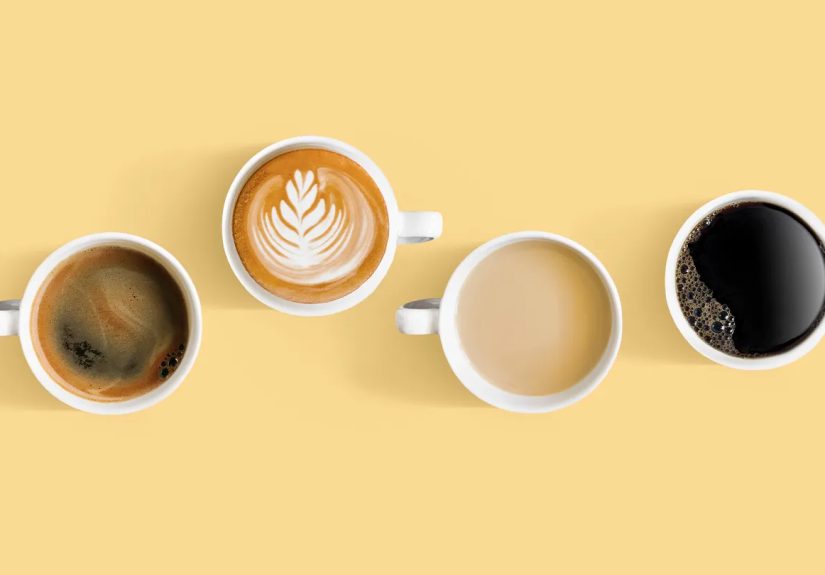
There is no single “best coffee for acid reflux” that works for everyone. Bodies are annoyingly individual, as if each stomach has its own tiny legal department. Still, certain coffee styles are commonly easier on the stomach.
1. Cold Brew Coffee: Smooth, Low-Acid, and Friendly
Cold brew is one of the most popular choices for coffee lovers who hate heartburn. Unlike iced coffee, which is hot coffee cooled down, cold brew is made by steeping coarse coffee grounds in cold or room-temperature water for 12 to 24 hours. Because heat extracts acids and bitter compounds more aggressively, cold brewing tends to create a smoother, less sharp cup.
Cold brew is especially helpful for people who dislike the biting edge of hot drip coffee. Its flavor is often chocolatey, mellow, and naturally sweet. It also plays nicely with milk or oat milk without turning into a bitter argument.
One warning: cold brew concentrate can be strong. If you pour it like regular coffee, you may accidentally create rocket fuel wearing sunglasses. Dilute it with water or milk, start with a smaller serving, and see how your stomach responds.
2. Dark Roast Coffee: Less Bright, More Mellow
Dark roast coffee often tastes less acidic than light roast coffee. Roasting changes the chemistry of coffee beans. As beans get darker, some sharp-tasting compounds break down, while other compounds form. Research has suggested that darker roasts may stimulate less gastric acid secretion than some medium roasts, possibly because of changes in compounds such as chlorogenic acids and N-methylpyridinium.
In practical terms, a dark roast may feel smoother and less “sparkly” on the tongue. Look for tasting notes like dark chocolate, toasted nuts, molasses, brown sugar, cedar, or earth. Be cautious with coffees described as citrusy, winey, tangy, bright, or floral if those flavors usually bother you.
Good options include dark roast blends, French roast, Italian roast, espresso roast, or darker Indonesian-style coffees. Just remember: darker does not always mean better. Burnt, oily beans can taste like a campfire had a bad day. Choose a quality dark roast, not a bag of charcoal pretending to be breakfast.
3. Low-Acid Coffee: Helpful for Some, Hype for Others
Low-acid coffee is made to taste smoother and gentler. Some brands use beans naturally lower in perceived acidity. Others use roasting or processing methods designed to reduce certain compounds. These coffees may be a good choice if regular coffee gives you sour stomach or heartburn.
That said, “low acid” is not a medical guarantee. If caffeine is your main trigger, a low-acid regular coffee may still cause symptoms. If you have GERD, gastritis, ulcers, or frequent heartburn, low-acid coffee may helpbut it may not solve the whole problem.
When shopping, look for coffees labeled low-acid, stomach-friendly, smooth roast, or gentle roast. Flavor notes such as chocolate, caramel, nutty, earthy, and low brightness are usually better signs than “zesty citrus explosion,” which sounds fun until your esophagus files a complaint.
4. Decaf Coffee: Less Caffeine, Less Drama
Decaf coffee is not completely caffeine-free, but it contains much less caffeine than regular coffee. For people whose reflux is strongly linked to caffeine, decaf may be a major improvement. It allows the ritual to stay: the mug, the aroma, the cozy pause, the illusion that life is organized.
For the gentlest cup, choose a decaf dark roast or decaf cold brew. That combination lowers caffeine while also reducing the sharpness that many sensitive stomachs dislike. Water-process decaf is a popular option among people who prefer a cleaner-tasting cup, though taste matters more than marketing labels.
5. Espresso-Based Drinks: Small Serving, Big Flavor
Espresso can be surprisingly tolerable for some people because the serving size is small. A single espresso shot has concentrated flavor but less total liquid than a full mug of drip coffee. For certain coffee drinkers, less volume means fewer symptoms.
However, espresso is still caffeinated, and milk-based drinks can be tricky. A small cappuccino may feel gentle, while a giant latte with whipped cream and caramel drizzle may behave like dessert wearing a caffeine badge. If reflux is an issue, keep it small and skip heavy, high-fat add-ins.
6. Coffee With Milk or Plant Milk: Softer, but Not Always Safer
Adding milk, oat milk, or almond milk can soften coffee’s flavor and make it feel less harsh. Many people find a splash of milk helpful because it rounds out bitterness and sharpness. Oat milk, in particular, pairs beautifully with cold brew and dark roast because it adds natural sweetness.
But cream-heavy coffee can worsen reflux for some people because high-fat foods and drinks may slow digestion or trigger symptoms. The best move is moderation: a little milk may help; half a cup of heavy cream may turn your stomach into a protest parade.
How to Brew Coffee That Is Easier on Your Stomach
The beans matter, but brewing technique matters too. A few small changes can make your coffee smoother without sacrificing flavor.
Use a Coarser Grind for Cold Brew
Cold brew works best with coarse grounds. Fine grounds can over-extract, create bitterness, and make filtering annoying enough to question your life choices. Use a ratio of about one cup of coarse coffee grounds to four cups of water for concentrate, steep for 12 to 18 hours, then dilute to taste.
Lower the Brew Temperature
For hot coffee, slightly cooler water may reduce harshness. Instead of boiling water, aim for water just off the boil. If your coffee tastes sharp, bitter, or aggressive, the water may be too hot, the grind may be too fine, or the brew time may be too long.
Avoid Over-Extraction
Over-extracted coffee tastes bitter, dry, and rough. It can also feel harsher on the stomach. If your cup tastes like burnt toast soaked in regret, adjust the grind, brew time, or coffee-to-water ratio. A balanced brew should taste smooth, not like punishment for being awake.
Drink Coffee With Food
If coffee on an empty stomach causes discomfort, pair it with breakfast. Low-acid foods such as oatmeal, whole-grain toast, bananas, eggs, or yogurt may help create a gentler start. The goal is not a giant brunch production. Even a small snack can make a difference.
Keep the Serving Size Reasonable
More coffee is not always more joy. The FDA notes that many adults can tolerate up to about 400 milligrams of caffeine per day, but individual tolerance varies. People with reflux, anxiety, sleep problems, pregnancy, certain heart conditions, or specific medications may need less. For sensitive stomachs, the best serving size is the one that gives you pleasure without consequences.
What to Avoid If Coffee Gives You Heartburn
Sometimes the problem is not coffee alone. It is coffee plus all the extras marching into your digestive system like a breakfast circus.
Skip Super-Sugary Coffee Drinks
Sweet coffee drinks may taste like a birthday cake learned to swim, but they can be rough on digestion. Sugar, syrups, whipped cream, and large portions can make reflux symptoms worse for some people. If you want sweetness, try a small amount of maple syrup, brown sugar, or vanilla, and keep the drink simple.
Be Careful With Peppermint, Chocolate, and Heavy Cream
Peppermint, chocolate, caffeine, and high-fat foods are common reflux triggers. That means a peppermint mocha with extra whipped cream may be delicious, but it is not exactly the diplomatic option for a sensitive stomach.
Do Not Drink Coffee Right Before Bed
Coffee late in the day can bother sleep and may worsen nighttime reflux. Lying down soon after eating or drinking makes it easier for stomach contents to move upward. If reflux is a problem, enjoy coffee earlier and give your body time before bedtime.
A Simple Stomach-Friendly Coffee Plan
If you are trying to find coffee that does not cause heartburn, experiment like a scientistbut with better snacks.
Start with cold brew or a dark roast. Drink a small serving after breakfast. Avoid sugary syrups and heavy cream. Track symptoms for a week. If you still feel burning, try decaf cold brew or decaf dark roast. If symptoms continue, coffee may not be the right daily drink for your body right now.
You can also keep a simple coffee diary. Write down the roast, brew method, serving size, time of day, whether you ate first, and how you felt afterward. Patterns often show up quickly. Your stomach may dislike light roast but tolerate cold brew. It may handle one small cup but rebel after two. It may accept coffee with toast but reject coffee alone. Your stomach is not trying to ruin your personality; it is just sending feedback with terrible customer service.
When to Talk to a Doctor
Occasional coffee-related heartburn is common. But frequent reflux, trouble swallowing, unexplained weight loss, vomiting, chest pain, black stools, or symptoms that wake you at night should be discussed with a healthcare professional. Do not try to solve serious symptoms by switching coffee beans and hoping for the best. Coffee is wonderful, but it is not a gastroenterologist in a mug.
If you already have GERD, ulcers, gastritis, IBS, or another digestive condition, ask your clinician whether caffeine or coffee should be limited. Some people can enjoy a modified coffee routine. Others feel better taking a break. Both choices are valid. The goal is comfort, not proving loyalty to a beverage.
Personal Experience: Learning to Love Coffee Without the Burn
Many coffee lovers go through the same emotional journey. First, there is denial. “It cannot be the coffee,” we say, holding a giant mug of extra-bold light roast on an empty stomach while eating nothing but stress. Then comes bargaining. “Maybe if I add more cream, the coffee will become gentle.” Then comes the dramatic internet search: best coffee for acid reflux that does not taste like sadness.
The turning point often comes from treating coffee less like a caffeine emergency and more like a craft. A sensitive-stomach coffee routine usually begins with smaller portions. Instead of a huge mug of hot drip coffee before breakfast, try a half cup of cold brew after food. The difference can be surprisingly noticeable. Cold brew has a rounder texture and less sharpness, so the stomach does not feel ambushed before the day has even started.
Another useful lesson is that roast level matters. Light roast can be beautifulbright, fruity, complex, the coffee equivalent of a jazz solo. But for some people, that brightness feels like trouble. A darker roast with chocolatey or nutty notes may feel calmer. It may not have the sparkling citrus flavor that specialty coffee fans adore, but it can deliver comfort, aroma, and enough depth to keep the morning ritual intact.
Decaf also deserves a better reputation. For years, decaf was treated like the beige cardigan of the coffee world: practical, quiet, and unfairly judged. But good decaf has improved. A well-roasted decaf dark roast or decaf cold brew can taste rich and satisfying without bringing the same caffeine punch. For people who love the ritual more than the buzz, decaf can be a very smart compromise.
Food pairing is another underrated trick. Coffee after oatmeal feels different from coffee before anything else. Coffee with toast feels different from coffee during a rushed commute. Even a banana or a small breakfast sandwich can change the experience. The stomach likes context. It wants coffee to arrive with a friend, not kick the door open alone.
The biggest experience-based tip is to stop chasing one perfect answer. Your best coffee may change depending on your stress level, sleep, meal timing, medications, and overall digestion. One week, cold brew may be perfect. Another week, even decaf may feel like too much. That does not mean you failed. It means your body is giving you useful information.
Try building a “gentle coffee menu” for yourself. Option one: cold brew with oat milk after breakfast. Option two: small dark roast with a snack. Option three: decaf cappuccino when you want the café feeling without the caffeine drama. Option four: herbal tea on days when your stomach waves a tiny white flag. Having choices makes coffee feel enjoyable again instead of risky.
In the end, loving coffee does not mean tolerating discomfort. The best cup is not the strongest, trendiest, rarest, or most aggressively described by a barista in a beanie. The best cup is the one that tastes good and lets you continue your day without clutching your chest like you just read your inbox after a vacation.
Conclusion
If coffee gives you heartburn, you do not automatically have to give it up. Start with gentler brews: cold brew, dark roast, low-acid coffee, decaf, or smaller espresso-based drinks. Drink coffee with food, avoid oversized sugary drinks, and pay attention to your personal triggers. A smoother coffee routine can keep the joy of your morning cup while reducing the burn.
The secret is simple: choose coffee that respects your stomach. Your taste buds get the cozy ritual. Your digestive system gets fewer reasons to complain. Everybody wins, including the mug.
Note: This article is for general informational purposes only and is not a substitute for professional medical advice. Anyone with frequent, severe, or unusual reflux symptoms should speak with a qualified healthcare professional.