Table of Contents >> Show >> Hide
- What Is the Domer Meme?
- Where Did the Domer Meme Come From?
- What Does Domer Mean?
- Why Is the Red Domer “Dangerous”?
- Domer vs. Doomer: Are They the Same?
- Why Did the Domer Meme Go Viral?
- How People Use the Domer Meme
- The Role of Absurdity in the Domer Meme
- Is the Domer Meme “Brainrot”?
- Why the Domer Meme Works So Well
- Experiences Related to the Domer Meme
- Conclusion: Domer Is Silly, Strange, and Very Internet
- SEO Tags
If you have spent more than eight minutes on TikTok lately, you may have encountered a tiny yellow baby marching across your screen while a distorted voice declares one magical, confusing word: “Domer.” At first, it sounds like a typo. Then it sounds like a warning. Then, somehow, it becomes the only word your brain wants to repeat while you are waiting for toast.
The Domer meme is one of those wonderfully absurd internet trends that does not need a deep philosophical thesis to be funny. Still, it has a surprisingly clear origin. The meme comes from a short clip of baby Bart Simpson from The Simpsons, where Bart tries to say “Daddy” but ends up combining “Daddy” and “Homer” into “Domer.” Years later, the soundbite was revived by TikTok creators and transformed into a chaotic, color-coded brainrot format featuring multiple baby Barts, check marks, warning symbols, sirens, and the kind of editing that makes parents ask, “Is this homework?”
So what does the Domer meme mean? Where did it come from? Why is one red baby Bart apparently dangerous? And why does the whole thing feel like a public safety announcement from a cartoon daycare? Let’s break down the meaning, origins, format, and cultural weirdness behind the Domer meme.
What Is the Domer Meme?
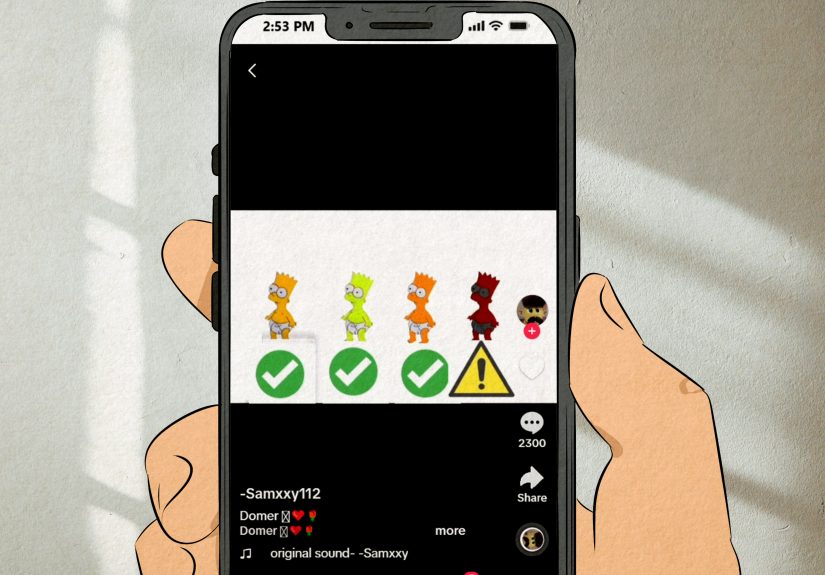
The Domer meme is a viral internet meme based on a soundbite from The Simpsons in which baby Bart Simpson says “Domer.” In its most recognizable TikTok format, several versions of baby Bart appear in a sequence. Usually, the first few Barts are paired with check marks and pleasant “ding” sound effects, suggesting they are safe, approved, or normal. Then the final Bart appears in red, often with a warning symbol, a deeper distorted “Domer,” and a siren effect.
That is the joke. There is no grand lore document hidden under Springfield Elementary. The humor comes from exaggeration, repetition, and fake seriousness. The meme treats a silly toddler pronunciation as if it were a scientific classification system for dangerous cartoon life forms. It is absurd, loud, and oddly memorablethe holy trinity of modern short-form meme culture.
In simple terms, Domer means a funny mispronunciation of “Daddy” and “Homer.” In meme terms, however, “Domer” has become a flexible nonsense label. It can be used for edits, remixes, reaction videos, mock warnings, and random jokes where the entire punchline is the word itself.
Where Did the Domer Meme Come From?
The original “Domer” moment comes from The Simpsons, season 4, episode 10, titled Lisa’s First Word. The episode first aired in the United States in 1992 and is one of the show’s well-known flashback episodes. In the scene connected to the meme, Homer tries to get young Bart to call him “Daddy.” Bart, being Bart before he can even properly be Bart, keeps calling him “Homer.” Eventually, the toddler lands on “Domer,” blending “Daddy” and “Homer” into one strange little word.
For decades, the scene was simply a funny old Simpsons moment. Then the internet did what the internet does best: it took a tiny clip, shook it like a soda can, added sirens, duplicated the baby, changed the colors, and made it feel like a cursed emergency broadcast.
The TikTok Explosion
The Domer meme gained major attention on TikTok in 2025, where creators began using the soundbite in quick, repetitive edits. One popular version featured four baby Bart images moving across the screen. The first three were treated as “safe” or “approved,” while the fourth red version was presented as dangerous or forbidden. The contrast between the adorable baby character and the dramatic alarm effects made the format instantly remixable.
From there, creators began making their own versions. Some changed the colors. Some changed the characters. Some pushed the joke further into surreal territory, where “Domer” became less of a word and more of a state of mind. That is how many brainrot memes work: the original joke starts small, then each remix makes it louder, stranger, and harder to explain to someone who still prints boarding passes.
What Does Domer Mean?
In the original Simpsons scene, Domer is a portmanteaua blended word made from two other words. In this case, it combines Daddy and Homer. Baby Bart is trying to address Homer as his father but accidentally creates a new word.
In the meme, Domer does not have a strict dictionary-style meaning. It functions more like a nonsense meme sound, similar to other viral words that become funny because of repetition, delivery, and context. The word “Domer” is short, strange, easy to say, and slightly off. That makes it perfect for TikTok edits, where sound is often more important than explanation.
Depending on the video, “Domer” can mean:
- A funny baby Bart soundbite from The Simpsons
- A nonsense label used in brainrot-style edits
- A fake warning category for a “dangerous” red Bart
- A random word people repeat because it sounds amusing
- A meme format built around absurd escalation
The most accurate meaning is this: Domer is a joke about mispronunciation that became a meme about nonsense itself.
Why Is the Red Domer “Dangerous”?
One of the funniest parts of the Domer meme is the red baby Bart. In many versions, the meme shows several normal-looking Domers with check marks before revealing a red version with a warning sign. The red Domer is usually accompanied by a siren or distorted voice, as if viewers have just discovered a highly unstable cartoon specimen.
There is no official reason the red Domer is dangerous. That is the point. The meme borrows the visual language of safety charts, creature rankings, video game enemy types, and “do not touch” warning signs, then applies all of that drama to a baby saying a silly word. The mismatch creates the humor.
It also reflects a common meme pattern: turning something harmless into fake horror. A cute cartoon baby becomes a classified threat. A simple sound becomes an alarm. A childhood sitcom moment becomes digital folklore. It is ridiculous, but it is organized ridiculousness, which is often the secret sauce behind viral memes.
Domer vs. Doomer: Are They the Same?
No. Domer and Doomer are not the same meme, although the spelling is close enough to confuse anyone scrolling too fast.
The Doomer meme is an older internet archetype connected to Wojak memes. Doomer typically represents a pessimistic, tired, gloomy young adult with a bleak view of modern life. It is associated with internet subcultures, late-night loneliness, existential frustration, and the visual style of Wojak characters.
The Domer meme, by contrast, is connected to baby Bart Simpson and TikTok brainrot edits. It is sillier, newer, and less emotionally heavy. Domer is not about despair. It is about hearing a cartoon baby say a weird word and watching the internet build an entire warning system around it for no practical reason.
Here is the easy way to remember it:
- Domer: Baby Bart says “Domer.” TikTok turns it into absurd brainrot.
- Doomer: Wojak character representing pessimism and gloom.
One is a red-alert baby Bart. The other looks like he has been awake since 2018 listening to sad playlists. Different rooms in the same extremely strange internet hotel.
Why Did the Domer Meme Go Viral?
The Domer meme went viral because it checks several boxes that modern memes love: it is short, repeatable, visually simple, remix-friendly, and just confusing enough to make people watch it again. On TikTok, that combination can turn almost anything into a trend.
1. The Sound Is Instantly Catchy
“Domer” is a perfect meme word because it is brief and slightly wrong. It sounds familiar because it resembles “Homer,” but the extra “D” makes it feel like a glitch. The delivery is also funny because it comes from baby Bart, whose tiny voice makes the word feel both innocent and strangely powerful.
2. The Format Is Easy to Copy
Many viral memes spread because creators can imitate them quickly. The Domer format is simple: show a few normal versions, then reveal a weird or dangerous version. That structure can be applied to other characters, colors, fandoms, inside jokes, and edits. Once a meme becomes a template, it gains legs. In this case, tiny yellow legs.
3. It Fits Brainrot Humor
Brainrot humor often thrives on repetition, nonsense, sudden audio changes, and exaggerated seriousness. The Domer meme feels like it was engineered in a laboratory by someone who had three energy drinks and a folder labeled “funny warning sirens.” It does not ask viewers to understand a complicated joke. It simply demands that they experience “Domer” several times until resistance becomes impossible.
4. It Uses Nostalgia in a Weird Way
The Simpsons has been part of American pop culture for decades. Many people recognize Homer and Bart even if they have not watched the episode where the sound originated. That familiarity gives the meme a strong foundation. The internet then twists that familiar image into something new, chaotic, and very 2025.
How People Use the Domer Meme
People use the Domer meme in several ways. Some creators post direct recreations of the original format with the colored baby Barts. Others use the audio over unrelated videos, treating “Domer” as a punchline. Some make edits with different characters, while others use the word in comments as a kind of shared joke.
For example, someone might post a ranking of four versions of the same character, with the final version marked as the cursed “Domer” type. Another creator might use the sound in a mock educational video, pretending to explain the “types of Domer” like a wildlife documentary. A comment section might simply fill with people typing “Domer” because the meme has moved beyond explanation and into chant territory.
This is common in internet culture. A word starts as a reference, becomes a joke, then turns into a social signal. When someone says “Domer” in the right context, they are basically saying, “Yes, I have also been hit by this very specific corner of the algorithm.”
The Role of Absurdity in the Domer Meme
The Domer meme is not funny because it tells a traditional joke. It does not have a setup and punchline. It is funny because it creates a miniature world with its own fake logic. There are good Domers. There is a bad Domer. There are warning signs. There are sirens. No one explains the rules, but the video acts as if the rules are very important.
That style is a major part of modern meme humor. Many viral trends are funny because they imitate serious formats while filling them with nonsense. A Domer video might look like a hazard chart, a video game enemy guide, or a government training module from an alternate universe where baby Bart is an invasive species.
The internet loves that contrast. Serious presentation plus silly content equals instant meme fuel.
Is the Domer Meme “Brainrot”?
Yes, and proudly so. The Domer meme fits the common idea of brainrot content: short, repetitive, silly, and strangely addictive. The term “brainrot” is often used online to describe low-effort or absurd digital content that gets stuck in people’s heads. Domer belongs comfortably in that category.
However, calling it brainrot does not necessarily mean it is bad. Many people use the word jokingly. Brainrot memes can be a form of shared comic relief, especially when the world feels overloaded with serious news, endless opinions, and productivity advice from people who own twelve identical beige notebooks.
The Domer meme is not trying to improve society. It is trying to make you laugh at a red baby Bart with a siren. Sometimes that is enough.
Why the Domer Meme Works So Well
The Domer meme works because it combines three powerful ingredients: nostalgia, nonsense, and escalation.
The nostalgia comes from The Simpsons, a show with massive cultural recognition. The nonsense comes from the word “Domer,” which sounds meaningful without actually needing to mean much. The escalation comes from the meme’s structure, where normal versions lead to an alarming final version. Viewers understand the rhythm instantly, even if they do not know the original scene.
It is also funny because it turns a child’s speech mistake into a dramatic event. The original clip is sweet and silly. The meme version is sweet, silly, and somehow presented like a containment breach. That transformation is exactly what internet remix culture does best.
Experiences Related to the Domer Meme
One of the most interesting experiences around the Domer meme is watching how quickly confusion becomes participation. At first, many viewers have the same reaction: “What did I just watch?” The video is short, loud, and not immediately logical. But after seeing it a second or third time, the pattern becomes familiar. The check marks feel normal. The red Domer feels expected. The siren becomes part of the ritual. Suddenly, the viewer is no longer outside the jokethey are inside the tiny Springfield-shaped tornado.
This is how a lot of modern meme culture operates. The first exposure is confusion. The second is recognition. The third is surrender. By the fourth time, someone is tagging a friend with the caption “Domer” and offering no explanation, because explanation would ruin the spell. The meme becomes less about information and more about shared timing. You either hear the sound in your head or you do not.
Another experience connected to Domer is the way it spreads across age groups differently. Younger users may encounter it as a TikTok sound first, with no knowledge of the original Simpsons episode. For them, baby Bart is not necessarily a nostalgic television character; he is the Domer creature from the edit. Older viewers may recognize Bart immediately and feel a different kind of amusement. They remember the show, but the remix makes the clip feel brand-new and slightly unhinged. That cross-generational collision is part of the fun.
There is also the experience of trying to explain the meme offline, which is nearly impossible without sounding like you have been trapped inside a comment section. Imagine telling someone, “So baby Bart tries to say Daddy, but says Domer, and then TikTok made four colored Barts, and the red one is bad.” Technically, that is accurate. Emotionally, it sounds like a dream you had after falling asleep with autoplay on. That awkward explanation is part of the meme’s charm. Some internet jokes are funniest precisely because they resist normal conversation.
For creators, the Domer meme offers a low-pressure playground. You do not need a professional camera, complex editing, or a five-minute script. You need the sound, a visual sequence, and a willingness to make something ridiculous. That makes the trend accessible. A person can create a Domer edit using characters from another fandom, pets, drawings, game avatars, or even household objects. The formula is flexible: safe, safe, safe, cursed. The audience understands the rhythm before the video ends.
For viewers, the experience is more passive but just as memorable. Domer sticks because it is short and phonetic. It is easy to repeat. It can be typed in comments. It can be quoted in group chats. It can be used as a nonsense answer when no real answer is available. In that sense, Domer behaves like many successful meme words: it becomes a tiny social password. Saying it does not communicate a detailed idea. It communicates that you were there, scrolling through the same strange digital hallway as everyone else.
The final experience is fatigue, because every viral meme eventually reaches the “okay, we get it” stage. But even that is part of the life cycle. A meme appears, spreads, mutates, becomes unavoidable, gets mocked, and then settles into internet memory. Domer may not remain at peak popularity forever, but its absurd little footprint is already part of the larger story of how old television clips become new digital folklore.
Conclusion: Domer Is Silly, Strange, and Very Internet
The Domer meme is a perfect example of how modern internet culture can turn a tiny pop-culture moment into a full-blown trend. It began with baby Bart Simpson mispronouncing “Daddy” and “Homer” in a classic episode of The Simpsons. Decades later, TikTok creators transformed that soundbite into a chaotic meme format filled with colored Barts, check marks, warning icons, and sirens.
Its meaning is simple on the surface: Domer is baby Bart’s funny blended word. But as a meme, it represents something broader: the internet’s love of remixing familiar media into absurd, repeatable, strangely addictive jokes. It is not deep in the traditional sense. It is deep in the way a puddle can be deep if you stare at it for too long while hearing “Domer” echo in your mind.
Whether the trend makes you laugh, confuses you, or convinces you to close TikTok and touch a nearby vegetable, the Domer meme has earned its place in the brainrot hall of fame. It is short. It is weird. It is loud. It is Domer.
Note: This publish-ready article is written in original wording and synthesized from current public information about the Domer meme, Simpsons episode history, meme documentation, dictionary-style culture references, and short-form video trend reporting.