Table of Contents >> Show >> Hide
- Diabetes, stress, and why your body loves to multitask
- So… can massage help when you have diabetes?
- What does the research say about diabetes and massage?
- Safety first: when massage is a great ideaand when it’s a “not today”
- How to get the most out of massage when you have diabetes
- Which type of massage is “best” for diabetes?
- Can massage lower blood sugar?
- At-home massage: helpful, but don’t ignore foot safety
- What to ask your clinician (and your massage therapist)
- Experiences: what people commonly report (and what that can mean)
- Conclusion
If you live with diabetes, you already know it’s not a “one-organ” situation. Blood sugar affects nerves, circulation, sleep, mood, recovery, andsomehowyour schedule.
And while massage won’t replace medication, nutrition, or movement, it can be a surprisingly useful sidekick for stress, soreness, and the kind of tension that makes your shoulders feel like they’re trying to become earrings.
This guide breaks down what massage can help with, what the research actually suggests, and how to do it safelyespecially if you have neuropathy, circulation issues, or foot concerns.
Diabetes, stress, and why your body loves to multitask
Diabetes management isn’t just about carbs and insulin. Stress can push blood glucose up for many people (thanks, stress hormones), and diabetes can also make stress feel louderbecause you’re constantly making decisions:
checking numbers, timing meals, planning activity, and occasionally negotiating with a stubborn glucose meter that acts like it’s paid hourly.
On top of that, long-term high blood glucose can contribute to complications like nerve damage (neuropathy) and reduced blood flowespecially in the legs and feet.
That matters for massage because nerves and circulation influence sensation, healing, and how your tissues respond to pressure.
So… can massage help when you have diabetes?
For many people, massage is best viewed as a quality-of-life tool. It may help you feel better in ways that support diabetes self-carewithout claiming to “treat diabetes.”
Think of it like upgrading the suspension on a car: it doesn’t change the destination, but it can make the ride less punishing.
Potential benefits people with diabetes often care about
- Stress relief and relaxation: Massage can reduce tension and help you downshift from “fight-or-flight” to “I can finally unclench my jaw.”
- Better sleep: Relaxation and reduced discomfort can make it easier to fall asleep or stay asleepuseful when poor sleep can make glucose management harder the next day.
- Muscle soreness and joint stiffness: If you’re starting an exercise routine (or returning after a break), massage may help with soreness and mobility.
- Comfort with chronic pain: Some people use massage as part of a broader pain-management plan (alongside medical care, movement, and physical therapy).
- Body awareness: Massage can help you notice where you hold tensionneck, hips, low backso you can adjust posture, stretching, or ergonomics.
What does the research say about diabetes and massage?
Research specifically focused on massage and diabetes is still limited. Studies vary in massage type, duration, frequency, and outcomes measured (blood glucose, A1C, stress, neuropathy symptoms, circulation, and sleep).
The overall theme: promising in some areas, not definitive, and not a substitute for standard care.
1) Blood glucose and metabolic markers
A handful of controlled trials have explored whether certain massage approaches influence blood glucose or related markers in people with type 2 diabetes.
Some studies report improvements, but sample sizes are often small and methods differso you should treat this as “interesting,” not “guaranteed.”
If you’re hoping massage will “lower your numbers,” it’s smarter to frame the goal as:
reduce stress, improve sleep, support recovery, and make healthy habits easier to stick with. Those indirect effects may matter more over time than any one-day glucose change.
2) Neuropathy symptoms and comfort
Diabetic neuropathy can cause numbness, tingling, burning, or painmost commonly in the feet and legs. Some small studies of foot-focused massage techniques report reduced discomfort and improved symptoms.
However, neuropathy is also where massage requires the most caution, because reduced sensation can make it harder to detect “too much pressure,” heat, or skin injury.
3) Stress, mood, and the “supporting cast” outcomes
Broader massage research (not diabetes-specific) suggests massage may help with stress, anxiety, and pain for certain conditions, though evidence quality varies across topics.
For someone with diabetes, those outcomes can be meaningful: less stress can support steadier routines, more consistent sleep, and better follow-through with meals and movement.
Translation: massage may not be a glucose-lowering “hack,” but it can help you feel and function betterwhich often improves diabetes management in real life.
Safety first: when massage is a great ideaand when it’s a “not today”
Most people with diabetes can safely receive massage, but you should match the technique to your health status.
A good therapist will ask about your medical history and tailor pressure, positioning, and focus areas accordingly.
Extra considerations if you have diabetes
-
Neuropathy (reduced sensation): You may not feel pain as clearly, which increases the risk of bruising or skin injury from deep pressure.
Light-to-moderate pressure is often safer in areas with numbness. -
Foot problems: If you have sores, ulcers, infections, or slow-healing wounds, avoid massage directly over those areas.
Even small skin injuries can become serious if healing is impaired. - Poor circulation or peripheral artery disease: Don’t assume “harder is better.” Aggressive pressure can irritate fragile tissues.
- Medication and bruising risk: If you take blood thinners or medications that increase bruising risk, ask for gentler techniques and avoid deep tissue work.
-
Devices: If you use a CGM or insulin pump, tell your therapist where it is and whether it’s okay to massage nearby.
You don’t want a relaxing session interrupted by an accidental sensor eviction.
Skip massage (or get medical clearance first) if you have:
- Open wounds, active skin infections, or an ulcer in the area to be massaged
- Fever or contagious illness
- Suspected blood clot (DVT), unexplained swelling, or sudden severe calf pain
- Uncontrolled high blood pressure or certain unstable cardiac conditions
- Recent surgery in the area (until cleared)
When in doubt: ask your clinician and choose a licensed massage therapist who is comfortable adapting care for chronic conditions.
How to get the most out of massage when you have diabetes
Before your session
-
Check your blood glucose if you’re prone to lows, and bring quick carbs (glucose tabs, juice, candy).
Massage is relaxing, and relaxed people sometimes forget they’re human beings who need fuel. - Eat normally (don’t arrive extremely hungry) and hydrate.
- Share your health details: neuropathy, foot issues, circulation problems, kidney disease, retinopathy, medications that affect bruising, and any pain triggers.
- Point out “no-go zones”: injection sites that are tender, areas with bruising, or anywhere with fragile skin.
During your session
- Use a 1–10 pressure scale. If you have neuropathy, “too much” might not hurt until laterso start lighter than you think.
- Speak up early if something feels sharp, hot, numb, or weird (technical term).
- Mind positioning. If you have shoulder issues, reflux, pregnancy, or breathing concerns, adjustments can make a big difference.
After your session
- Recheck glucose if you’re sensitive to changes or had a long session.
- Look at your feet and skin later that dayespecially if you have neuropathy.
- Hydrate and move gently to avoid stiffness.
Which type of massage is “best” for diabetes?
There’s no one perfect massage style for everyone with diabetes. It depends on your goals and any complications.
Here are practical matches:
For relaxation, stress, and sleep
Swedish massage (gentle-to-moderate pressure, long strokes) is a common choice. It’s usually easier to tolerate and less likely to cause bruising than deep tissue work.
For tight muscles and posture-related aches
A moderate therapeutic massage that focuses on neck, shoulders, hips, and low back can help if you sit a lot, stand a lot, or exist in modern society.
For neuropathy discomfort (with caution)
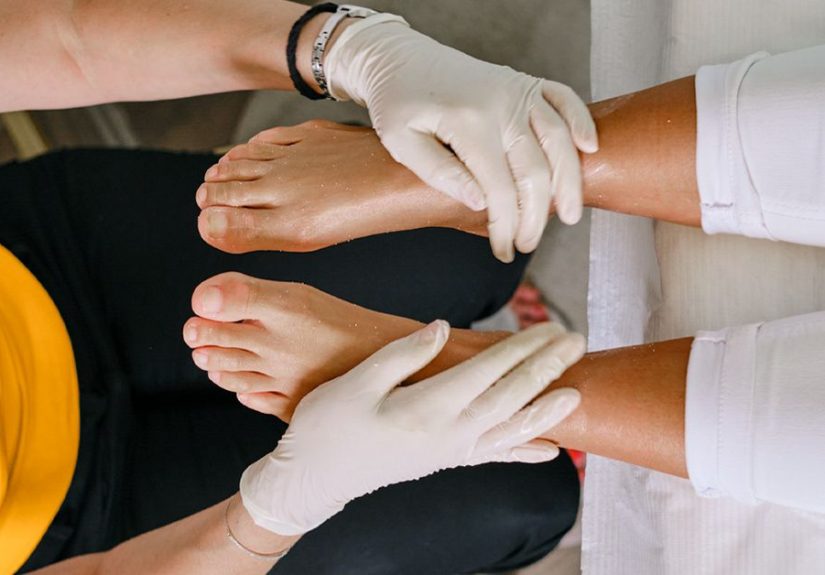
Some people prefer very gentle, targeted work around the feet and lower legsbut this should be personalized.
If you have reduced sensation, the goal is comfort and circulation support, not intense pressure.
Avoid massage over ulcers, hot spots, infections, or areas with fragile skin.
Can massage lower blood sugar?
Massage is not a diabetes treatment. That said, stress can raise blood glucose for many people, and massage can reduce stress and improve well-being.
So the most realistic takeaway is:
massage may support steadier routinesbetter sleep, lower stress, less painwhich can make glucose management easier.
If you want to test how your body responds, treat it like a personal experiment:
check your glucose before and after a few sessions, keep other variables similar, and look for patterns over time (not just one day).
At-home massage: helpful, but don’t ignore foot safety
At-home options (self-massage, gentle stretching, foam rolling) can be great for stress and muscle tension.
If you have neuropathy, be careful with tools that apply intense pressure or heat, and inspect your skin afterward.
Simple, diabetes-friendly self-care ideas
- Use lotion and gentle pressure on calves and forearms (avoid broken skin).
- Try a tennis ball under the foot only if you have normal sensation and no foot wounds.
- Pair relaxation with breathing: inhale for 4, exhale for 6, repeat. It’s free and doesn’t need batteries.
What to ask your clinician (and your massage therapist)
Questions for your clinician
- Do I have neuropathy or circulation issues that change massage safety?
- Are there any areas I should avoid because of wounds, skin issues, or vascular problems?
- Do any of my medications increase bruising risk?
Questions for your massage therapist
- How do you modify pressure for neuropathy or reduced sensation?
- Can we avoid deep pressure on my lower legs/feet (or any sensitive areas)?
- Can you work around my CGM/pump comfortably and safely?
Experiences: what people commonly report (and what that can mean)
Since massage is personal, “results” often look like small wins that add up. Below are real-world style examples based on common experiences people describenot magic, not miracles, just the practical stuff that makes living with diabetes feel more manageable.
1) The stress-reset effect. Many people with type 2 diabetes describe massage as a rare moment when their nervous system finally stops doom-scrollinginternally.
They leave feeling calmer, and that calm sometimes carries into better evening decisions: a more reasonable dinner, a walk that feels doable, and going to bed at a decent hour.
No one claims, “My A1C dropped because lavender oil looked at me,” but they do say, “I’m less fried, so I take better care of myself.”
2) The “sleep is medicine” discovery. People who struggle with sleep (especially those with pain, restless legs, or stress) often report that a massage day leads to a better night.
Even one or two improved nights a week can change how hungry you feel, how much you crave quick carbs, and how patient you are when your glucose is being dramatic.
The most consistent benefit they mention isn’t a numberit’s waking up with more emotional bandwidth.
3) Returning to movement feels easier. Some folks use massage as a bridge back into activity.
Example: someone starts walking after dinner to improve post-meal glucose, but their calves and hips get tight.
A moderate-pressure massage every couple of weeks reduces that soreness, making it easier to stay consistent.
The win isn’t “massage fixed diabetes”it’s “massage helped me keep the habit that supports my health.”
4) Neuropathy: the cautious comfort approach. People with mild neuropathy sometimes say gentle lower-leg work feels soothinglike turning down the “buzzing” sensation.
The key detail in these stories is always the same: the pressure stays light, and foot skin is checked afterward.
Those who’ve had past foot issues often skip direct foot massage entirely and focus on calves, hamstrings, and relaxation techniques instead.
The smartest among them treat foot safety like a VIP rule, not a suggestion.
5) Learning your body’s patterns. People who track glucose (especially with CGMs) sometimes notice patterns around massage days:
maybe they run slightly lower after a session because they relaxed and didn’t snack out of stress,
or maybe they run higher because they didn’t eat enough beforehand and their body did the “panic glucose” thing.
Over a few sessions, they adjust: a balanced snack before, hydration, and not scheduling a massage immediately after a long fast.
The takeaway is empowermentmassage becomes a predictable, supportive part of their routine rather than a wild card.
6) The emotional relief of being cared for. This one doesn’t show up in lab results, but it shows up in life.
Diabetes can feel like constant self-management. Massage flips the script for an hour: you’re not fixing, counting, correcting, or planningyou’re receiving care.
Many people describe that as deeply restorative, and the mood boost can ripple into better self-care for days.
Conclusion
Massage and diabetes can absolutely coexistoften happilywhen safety and personalization come first.
Massage won’t replace evidence-based diabetes care, but it may help you manage stress, sleep better, reduce muscle tension, and feel more comfortable in your body.
And when you feel better, it’s easier to do the boring-but-powerful stuff that really moves the needle: consistent meals, movement, medication adherence, and routine monitoring.
If you have neuropathy, foot problems, or circulation issues, choose gentle techniques, avoid risky areas, and communicate clearly.
A good massage therapist won’t promise to “cure” anythingthey’ll help you feel better safely, which is honestly the best kind of promise.