Table of Contents >> Show >> Hide
- Why Choose Slatwall for Garage Storage?
- Types of Slatwall Panels to Consider
- How to Install a Slatwall Storage System (DIY Style)
- Best Accessories for Slatwall Systems
- Tips for Designing an Efficient Garage Slatwall Layout
- Slatwall vs. Pegboard vs. Shelving
- Maintenance Tips for Slatwall Storage
- DIY Slatwall Projects You Can Try
- The Bottom Line
- Bonus: of Real-Life DIY Experience with Garage Slatwall Storage
- Conclusion
If your garage looks like a tornado hit a hardware store and a sporting goods aisle at the same timecongratulations, you’re officially normal. The garage is where all things without a proper home magically end up: holiday inflatables, half-used paint cans, old bicycles, mystery cables, and that rogue tennis ball you swear wasn’t yours. Luckily, there’s one DIY solution that can turn this chaos into beautifully organized bliss: a garage slatwall storage and hanging system.
In this guide, we’ll break down everything you need to know about slatwall panels, how to install them, and how to choose the right accessories. Plus, we’ll sprinkle in some funbecause reorganizing your garage shouldn’t feel like punishment.
Why Choose Slatwall for Garage Storage?
Slatwall storage systems, widely referenced by U.S. home improvement sites like Family Handyman, The Home Depot, and Garage Living, have become a favorite because they solve so many common garage headaches. Here’s why they work:
1. Flexible and Customizable
Unlike fixed shelving, slatwall panels allow you to move hooks, baskets, bins, and tool holders anytime you want. Want your ladder on the left today but on the right next week? Go for it. Slatwall treats commitment like a suggestion.
2. Strong Enough for Real-Life Tools
High-quality PVC or MDF slatwall panels can support hundreds of pounds when properly anchored. That means everything from your leaf blower to your cast-iron dumbbells (the ones you bought with good intentions) can finally have a safe home.
3. Space-Saving Vertical Storage
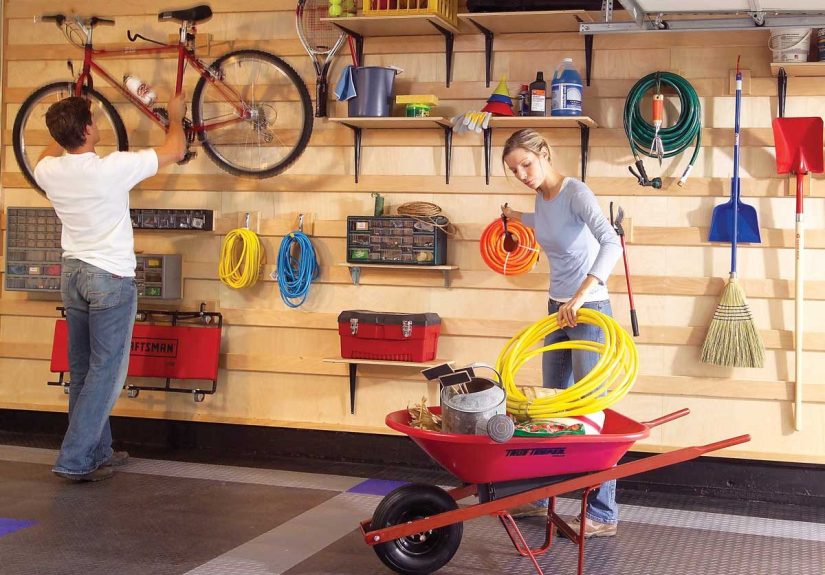
Garages rarely get bigger, but slatwall maximizes every inch of vertical space. Bikes, hoses, cords, and garden tools go up the wall instead of taking over your floor like they’re paying rent.
4. Cleaner, More Polished Look
Slatwall transforms your garage from a cluttered cave to a mini home-improvement showroom. With matching accessories and a uniform finish, it feels instantly more intentionaland less like a dumping ground.
Types of Slatwall Panels to Consider
PVC Slatwall
Durable, moisture-resistant, and extremely lightweight. PVC is the king of American garage wall upgrades. It doesn’t warp, handles heavy loads, and wipes clean like a dream.
MDF Slatwall
MDF is more affordable and commonly used in retail slatwall setups. It looks great but doesn’t love moisture, so it’s best for dry garages or interior tool rooms.
Aluminum Slatwall
Premium but pricey. Aluminum panels are stronger than PVC and almost indestructible, making them ideal if you live somewhere with wild temperature swings.
How to Install a Slatwall Storage System (DIY Style)
You don’t need to be a contractor to install slatwalljust handy with a drill and capable of locating wall studs without summoning an existential crisis.
Step 1: Measure Your Wall
Measure twice, cut once. Or measure three times if you never trust your future self. Knowing your wall space helps you determine how many panels and accessories you need.
Step 2: Locate the Studs
A stud finder is ideal, but knocking on the wall and listening for hollow vs. solid works too (though your family may question your sanity). Slatwall panels need strong anchoring support.
Step 3: Level and Install the First Panel
Your first panel controls the destiny of the entire wall. Use a level to ensure it’s perfectly straightcrooked slatwall is the stuff of nightmares.
Step 4: Attach Remaining Panels
Panels usually interlock. Keep them snug and secure with wood screws directly into the studs. Work your way up or sideways depending on your layout.
Step 5: Add Accessories and Start Organizing
Hooks, shelves, bins, baskets, bike mountsthis is where the fun begins. Arrange them according to how you actually use your tools, not how Pinterest makes you think you’ll use them.
Best Accessories for Slatwall Systems
Heavy-Duty Hooks
Perfect for ladders, shovels, rakes, hoses, or that random extension cord that somehow comes alive and tangles itself every week.
Garage Baskets and Bins
Store sports equipment, car cleaning supplies, gardening gloves, and all those little items that love to disappear when you need them most.
Tool Holders and Shelves
Great for drills, cans of motor oil, toolboxes, and DIY gear. Some shelves come with locking features to keep items secure.
Bike Hooks and Racks
There’s no better way to reclaim floor space than by getting bikes onto the wall. Bonus: it makes you look like someone who goes cycling more than twice a year.
Tips for Designing an Efficient Garage Slatwall Layout
Create “Zones” in Your Garage
Separate your garage into logical zonestools, sports gear, yard equipment, automotive supplies, hobby equipment, etc. This helps you avoid mixing baseball bats with hedge trimmers. (Not recommended for safety reasons.)
Place Most-Used Items at Eye Level
Seasonal items, like holiday décor or snow shovels, can go on higher panels. Everyday essentials stay where you can grab them without Olympic-level stretching.
Leave Room for Future Add-Ons
You will absolutely buy more tools. Plan for it. Leave a little open space for future storage accessories.
Slatwall vs. Pegboard vs. Shelving
Slatwall isn’t the only optionbut it’s often the best one.
- Slatwall: Most flexible, strongest accessory compatibility, clean aesthetic.
- Pegboard: Cheaper, easier to install, but limited for heavy items.
- Shelving: Great for large boxes, but can’t match slatwall’s customizability.
If you want a system that grows with you, handles real weight, and looks polished, slatwall wins almost every time.
Maintenance Tips for Slatwall Storage
Dust panels occasionally, check screws annually, and tighten loose accessories. PVC and aluminum panels wipe down easily with mild cleaner.
DIY Slatwall Projects You Can Try
1. DIY Bike Wall
Use heavy-duty hooks and create a dedicated bike station with helmet baskets, pump hangers, and a mini shelf for tools.
2. Garden Tool Command Center
Line up your rakes, shovels, trimmers, and gloves in one neat row. Your future self will thank you every spring.
3. Sports Equipment Wall
Basketball bins, baseball bat hooks, roller skates, and tennis rackets all fit perfectly on slatwall. Suddenly your garage looks like a mini sporting goods store.
The Bottom Line
Garage slatwall storage and hanging systems aren’t just visually satisfyingthey’re life-changing for anyone who wants a clutter-free, functional, and impressive-looking space. With the right panels, hooks, bins, and layout, you can transform your garage into an organized haven where everything has a place and everything stays in its place.
Bonus: of Real-Life DIY Experience with Garage Slatwall Storage
After working on dozens of garage organization projects, I can confidently say that slatwall systems are the most forgiving upgrades you can install. One of my earliest DIY garage transformations involved a client who had accumulated nearly twenty years’ worth of tools, leftover wood scraps, car parts, and enough bungee cords to outfit a small circus. The challenge wasn’t just organizing these thingsit was creating a system that he could maintain without calling me every month for help.
The solution? A full slatwall installation along the longest wall of his garage, paired with modular hooks and shelving. The flexibility was a game-changer. He could move things around anytime, and trust me, he didalmost weekly. But because the slatwall acted like a giant puzzle where everything snapped into place, it always looked neat.
In my own home, I installed a PVC slatwall system primarily for gardening tools and outdoor gear. What surprised me most was how much space I recovered simply by lifting everything off the floor. Suddenly, the garage felt biggerlike I had built an addition without actually doing any construction.
Slatwall also makes cleanup easier. After a messy projectlike sanding, drilling, or potting plantsyou can simply hose down or wipe the panels. Unlike pegboard, you don’t worry about moisture damage, especially in humid states or coastal areas.
If you’re worried about installation: don’t be. Once you hang the first panel perfectly level, the rest goes quickly. I recommend laying out all your hooks and accessories beforehand so you know exactly where everything will go once the panels are up. You’ll also be amazed at how satisfying it feels to snap hooks and baskets into place.
One pro tip: invest in good-quality accessories. Cheap hooks and brackets tend to wiggle or loosen over time. Higher-end accessories lock into the slats securely and hold heavy equipment without shifting.
The biggest advantage I’ve experienced? You can evolve your storage over time. Whether you start woodworking, buy kayaks, pick up mountain biking, or suddenly become obsessed with lawn care (it happens!), slatwall adapts with you. And unlike shelves or fixed racks, you’re not stuck with one layout forever.
Overall, if you want a garage that functions like a well-organized workshopwithout looking like a chaotic blend of tools and toysslatwall is a DIY upgrade you will never regret.
Conclusion
Transforming your garage with a slatwall storage system is one of the easiest and most effective upgrades you can make. It looks clean, maximizes space, and adapts to your changing needs. Whether you’re a weekend DIYer or a full-time tinkerer, slatwall helps you stay organized without sacrificing style.
sapo: Discover how a garage slatwall system can transform your cluttered space into a sleek, organized, and highly functional storage zone. This DIY guide breaks down the best materials, tools, accessories, and layout strategieskeeping your garage tidy while giving every tool, bike, and sports item a perfect spot. Practical steps, clever tips, and real-life experiences included.