Table of Contents >> Show >> Hide
- Quick Definitions: What Are Varicose Veins and Spider Veins?
- The Main Differences at a Glance
- What Causes Each One? (Spoiler: Valves, Pressure, and Gravity)
- Risk Factors: Who’s More Likely to Get Them?
- Symptoms: Cosmetic vs. “This Feels Like a Problem”
- Potential Complications: When Varicose Veins Deserve More Respect
- Diagnosis: How Clinicians Tell What’s Really Going On
- Treatment Options: From “Do Nothing” to “Let’s Fix This”
- Prevention and Progress Control: What Helps, What’s Hype
- When to See a Clinician
- So… Which One Do You Have?
- of Real-World Experiences People Commonly Report
- Conclusion
If you’ve ever looked down at your legs and thought, “Who invited these squiggly blue lines to the party?”welcome.
Visible veins are incredibly common, and they usually fall into two buckets: varicose veins and
spider veins. They’re related (like cousins who show up to the same family reunion), but they’re not
the same thingand the differences matter for symptoms, health risks, and treatment choices.
This guide breaks it all down in plain English: what each type of vein is, why they form, what they look and feel like,
when they’re just a cosmetic annoyance, and when they’re your body waving a small red flag that deserves medical attention.
(No panic. Just informed, empowered leg ownership.)
Quick Definitions: What Are Varicose Veins and Spider Veins?
Varicose veins
Varicose veins are enlarged, twisted veins that often bulge above the skin’s surface. They’re most
common in the legs because your leg veins spend all day fighting gravity to push blood back up toward your heart.
When the one-way valves inside those veins weaken or fail, blood can flow backward and pool. That extra pressure
stretches the veinresulting in the ropey, lumpy look people recognize as varicose veins.
Spider veins
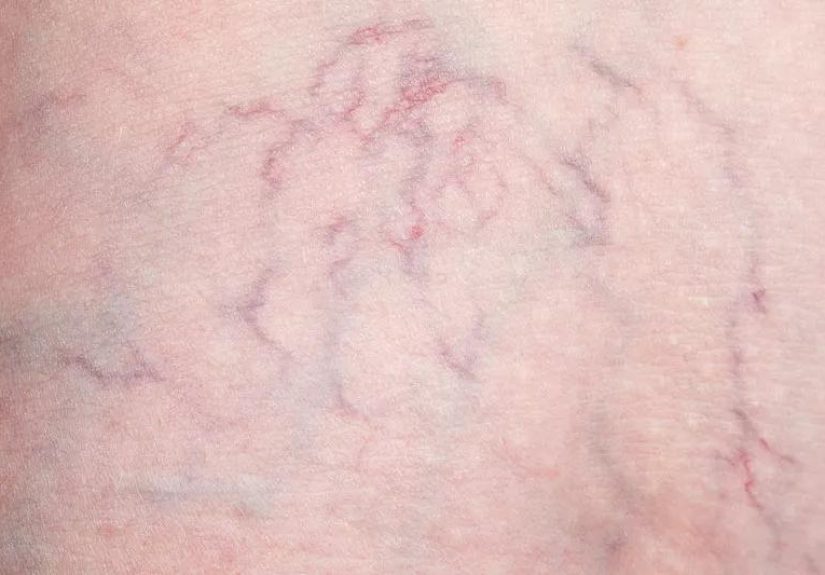
Spider veins (often called telangiectasias) are smaller, more superficial veins that sit close to the
skin. They often appear in thin, branching patternslike a tiny web or a little red-blue “burst.” Spider veins can show
up on the legs and also on the face. They’re typically considered a cosmetic concern, although some people report mild
itching, burning, or cramping in the area.
The Main Differences at a Glance
Think of varicose veins as the “3D” version and spider veins as the “fine-line sketch.” Here’s how they differ in the
ways that matter most.
| Feature | Varicose Veins | Spider Veins |
|---|---|---|
| Size | Larger, often visibly thick | Very small, threadlike |
| Depth | Deeper under skin; may bulge | Superficial; close to skin surface |
| Texture | Ropey, twisted, raised | Flat or only slightly raised |
| Color | Blue, purple, sometimes greenish | Red, blue, purple; web/branch patterns |
| Symptoms | Can ache, throb, feel heavy; swelling, cramps, itching | Often asymptomatic; sometimes mild burning/itching |
| Health implications | May signal venous reflux/insufficiency; potential complications | Usually benign; less often tied to deeper vein problems |
| Common locations | Legs, ankles, feet | Legs and face |
What Causes Each One? (Spoiler: Valves, Pressure, and Gravity)
Why varicose veins form
Your veins contain one-way valves that keep blood moving toward your heart. In the legs, those valves
work extra hard because blood has to travel upward. If valves weaken or become damaged, blood can leak backward
(called venous reflux), pool in the vein, and raise pressure inside it. Over time, the vein stretches,
becomes distorted, and can bulge.
Why spider veins form
Spider veins involve small vessels near the surface of the skin. They can be influenced by genetics and hormones, and
can also show up after sun exposure (especially on the face), skin injury, or pressure changes in the small superficial
veins. Sometimes they appear alongside varicose veins; other times they’re “solo artists” with no deeper problem.
Risk Factors: Who’s More Likely to Get Them?
You don’t need to do anything “wrong” to develop vein issues. Many risk factors are simply about how veins behave over a
lifetimeplus a generous helping of genetics.
Common risk factors for both varicose and spider veins
- Family history: vein valve and vein wall traits often run in families.
- Age: veins and valves can weaken over time.
- Hormonal changes: pregnancy, menopause, and hormonal shifts can affect vein tone.
- Prolonged standing or sitting: less calf-muscle pumping means slower blood return.
- Higher body weight: can increase pressure in leg veins.
- Prior leg injury or clot history: may affect vein function.
Why pregnancy gets a special shout-out
Pregnancy is basically a perfect storm for leg veins: increased blood volume, hormone-driven vein relaxation, and
pressure from the growing uterus. Many people notice new spider veins or varicose veins during or after pregnancy.
Some improve postpartum; others stick around like they’ve signed a long-term lease.
Symptoms: Cosmetic vs. “This Feels Like a Problem”
Varicose vein symptoms can be more than skin-deep
Some varicose veins are harmless and painless. Others come with symptoms that can range from mildly annoying to
quality-of-life wrecking. Common complaints include:
- Aching, throbbing, or burning sensation in the legs
- Heaviness or fatigue in the legs (especially after standing)
- Swelling around ankles or lower legs
- Night cramps or restless legs
- Itching around a prominent vein
Spider veins are usually quiet… but not always
Spider veins are often symptom-free. Still, some people feel mild itching or burning near clustersespecially after long
periods on their feet. If spider veins come with significant pain, swelling, skin color changes, or ulcers, it’s time to
talk to a clinician because those symptoms point more toward underlying venous disease than “just spider veins.”
Potential Complications: When Varicose Veins Deserve More Respect
Spider veins are usually a cosmetic issue. Varicose veins, on the other hand, can be associated with
chronic venous insufficiencya long-term problem where leg veins struggle to return blood effectively.
Possible complications include:
- Skin changes: darkening, thickening, or inflammation (often around the ankles)
- Venous stasis ulcers: slow-healing wounds, typically near the ankle
- Bleeding: superficial varicose veins can bleed if injured
- Superficial thrombophlebitis: a tender, inflamed vein near the skin with clotting
Important note: visible varicose veins are not the same as a deep vein thrombosis (DVT), but if you develop
sudden one-sided leg swelling, warmth, redness, or painespecially with shortness of breath or chest
painseek urgent care. Those symptoms require prompt evaluation.
Diagnosis: How Clinicians Tell What’s Really Going On
Many cases can be identified with a physical exam and a history (symptoms, pregnancy history, work habits, family
patterns). If varicose veins are symptomatic or there’s concern for venous reflux/insufficiency, clinicians commonly use
duplex ultrasound. This test looks at blood flow direction, checks for reflux, and helps plan
treatmentespecially before procedures.
Treatment Options: From “Do Nothing” to “Let’s Fix This”
Treatment depends on symptoms, exam findings, and goals. Some people want relief; others want cosmetic improvement; many
want both. The good news: modern vein care has a lot of effective options.
1) Lifestyle and self-care (often step one)
- Compression stockings: help reduce pooling and pressure in leg veins.
- Movement breaks: standing or sitting all day? Set a timer and walk or calf-raise regularly.
- Leg elevation: a simple way to reduce swelling and heaviness.
- Exercise: walking and calf strengthening improve the “muscle pump” that pushes blood upward.
- Weight management: may reduce pressure on leg veins.
These strategies won’t always erase existing veins, but they can reduce symptoms and slow progressionespecially for
varicose veins.
2) Sclerotherapy (the “close the vein” injection approach)
Sclerotherapy involves injecting a solution into the targeted vein to irritate the lining so the vein
closes and eventually fades. It’s commonly used for spider veins and smaller varicose veins/reticular veins. Many
dermatology and vein clinics use it because it’s office-based and doesn’t usually require anesthesia.
Results aren’t instantyour body needs time to reabsorb the treated vein. People often require more than one session,
especially with extensive spider vein networks.
3) Laser and light-based treatments
For very small spider veinsespecially on the facelaser or light-based therapies can be helpful. These use heat to
damage the vein so it collapses. They’re also used on certain small leg veins, depending on size and skin tone
considerations. A clinician can tell you when laser makes sense versus sclerotherapy.
4) Endovenous ablation and other procedures for symptomatic varicose veins
When varicose veins are driven by reflux in larger superficial veins, clinicians may recommend procedures that close the
faulty vein from the inside. Common approaches include endovenous thermal ablation (laser or
radiofrequency) and other minimally invasive closure techniques. The goal is to reroute blood through healthier veins so
pressure drops and symptoms improve.
In some situations, removal of specific bulging veins (for example, microphlebectomy) may be paired with reflux
treatment. The best plan depends on the ultrasound findings and which veins are actually responsible for symptoms.
5) “Will insurance cover it?”
Coverage often depends on whether the treatment is considered medically necessary (symptoms, documented reflux,
complications) versus cosmetic. Many insurers are more likely to cover treatment for painful varicose veins and chronic
venous insufficiency than for asymptomatic spider veins.
Prevention and Progress Control: What Helps, What’s Hype
Helpful habits
- Walk regularly (yes, it’s boring; yes, it works)
- Don’t stay in one position for hoursalternate sitting/standing and move your calves
- Elevate legs when resting if you’re prone to swelling
- Consider compression stockings for long work shifts or travel if you’re symptomatic
- Protect facial skin from sun exposure to reduce spider veins on the face
Common myths
- “Crossing your legs causes varicose veins.” Not exactly. It’s not a primary cause, though some positions may worsen discomfort if you already have vein issues.
- “Only older people get them.” Nope. Genetics, pregnancy, and occupation can bring veins into the chat earlier.
- “If they don’t hurt, they’re harmless.” Often true for spider veins, but varicose veins can progress. If you notice swelling, skin changes, or ulcers, get evaluated.
When to See a Clinician
Consider an evaluationoften starting with a primary care clinician, dermatologist, or vein specialistif you have:
- Persistent leg pain, heaviness, swelling, or cramping
- Skin discoloration, thickening, or eczema-like irritation near the ankles
- Open sores/ulcers on the lower legs
- Bleeding from a vein
- A suddenly tender, firm, cord-like vein
- Any sudden one-sided swelling or concerning symptoms that could signal a clot
A good evaluation doesn’t automatically mean a procedure. Often it means clarity: What type of veins are these? Are
valves involved? And what’s the most efficient path to feel better (and/or like your legs again)?
So… Which One Do You Have?
Here’s a quick self-check (not a diagnosis, but a helpful starting point):
- If the veins look like thin red/blue branches or webs and lie close to the surface: likely spider veins.
- If the veins are thick, twisted, bulging, and feel ropey: more consistent with varicose veins.
- If you also have aching, swelling, heaviness, or skin changes: get evaluated for venous insufficiency.
And if you’re thinking, “Okay, but why is my body doing this?”remember: veins are plumbing with valves, and plumbing is
imperfect. Your legs aren’t failing a moral test. They’re just dealing with pressure, physics, and genetics.
of Real-World Experiences People Commonly Report
People’s experiences with visible veins tend to fall into two storylines: “I noticed a change in how my legs look” and
“I noticed a change in how my legs feel.” Sometimes it’s bothbecause the body loves multitasking.
One common scenario is the “end-of-day heaviness” experience. Folks who stand for long stretchesteachers, nurses,
retail workers, chefsoften describe legs that feel fine in the morning but start to ache by late afternoon. They might
notice mild ankle swelling, a heavy sensation, or a dull throbbing near a bulging vein. A recurring theme is relief with
leg elevation: the moment they get home, prop their feet up, and suddenly gravity stops being the boss. Many people also
report that compression stockings feel awkward at first (and not exactly runway-ready), but can make a noticeable
difference during long shiftsespecially when paired with walking breaks.
Another classic experience is pregnancy-related vein changes. Some people notice new spider veins on the legs or around
the ankles during the second or third trimester, along with new varicose veins that seem to appear “overnight.” The
emotional side is real: it can be frustrating to feel like your body is changing in ways you didn’t order. Postpartum,
some veins fade or become less prominent, while others stick around. Many people describe a decision point a few months
after delivery: “Do I live with this, do I cover it, or do I treat it?” There’s no wrong answerjust different goals.
For spider veins, the most common experience is cosmetic frustration. People describe avoiding shorts, using body makeup,
or feeling self-conscious at the pool. The veins themselves usually don’t hurt, so it becomes a confidence and comfort
issue rather than a medical one. When people choose treatment, they often say they want “natural-looking” improvement,
not perfection. That matters because spider vein treatment is usually a processmultiple sessions, gradual fading, and
patience while the body clears what’s been treated.
For varicose veins, the experience can be more physical. Some people describe itching over a prominent vein, nighttime
cramps, or a restless-leg sensation that makes it harder to sleep. Others notice skin irritation near the ankle that
looks like dryness or eczema and doesn’t respond well to standard lotion. When someone finally gets an ultrasound and
hears “reflux,” the reaction is often relief: symptoms that felt vague (“my legs just feel tired”) suddenly have an
explanation. If a procedure is recommended, people commonly report being surprised by how outpatient-focused modern care
can bemore “in-and-out appointment” than “major surgery”though recovery and follow-up still matter.
Across all these stories, the most consistent theme is this: visible veins are common, and you’re not overreacting if
they bother youwhether for comfort, function, or confidence. The smartest move is matching the solution to the actual
problem: spider veins often get cosmetic-focused care, while symptomatic varicose veins deserve a deeper look at vein
function and overall leg health.
Conclusion
Varicose veins and spider veins may look like they’re in the same family photoand they arebut their differences are
meaningful. Spider veins tend to be smaller, more superficial, and mostly cosmetic. Varicose veins are larger and more
likely to cause symptoms, reflect valve dysfunction, or progress to complications when venous insufficiency is involved.
The best next step depends on what you’re experiencing: appearance-only concerns may be handled with cosmetic treatments,
while pain, swelling, skin changes, or ulcers warrant a clinical evaluationoften with ultrasoundto choose the most
effective care.