Table of Contents >> Show >> Hide
- Why Calcium Matters (Beyond “Bones!”)
- How Much Calcium Do You Need?
- The 4 Non-Dairy Calcium Superstars
- How to Help Your Body Absorb Calcium Better
- A One-Day “No Dairy, Still Plenty of Calcium” Example
- Common Questions Dietitians Hear About Non-Dairy Calcium
- Conclusion: Calcium Without Dairy Is 100% Doable
- Experiences: What It’s Like to Build a Non-Dairy Calcium Routine (500+ Words)
If you’ve ever side-eyed a glass of milk like it personally insulted you, you’re not alone. Maybe dairy doesn’t agree with you,
you’re eating plant-forward, or you simply don’t want to rely on cheese as your primary hobby. The good news: calcium is not a
“dairy-only club.” Dietitians regularly point people to a handful of non-dairy foods that deliver a genuinely impressive calcium
punchoften with bonus nutrients that help your body actually use that calcium.
Below are four non-dairy foods that are surprisingly high in calcium, plus practical ways to eat them (without feeling like you’re
chewing your way through a science textbook). Numbers vary by brand and preparation, so treat the calcium amounts as “typical”
estimates and check labels when you can.
Why Calcium Matters (Beyond “Bones!”)
Calcium is famous for helping build and maintain strong bones and teeth, but it also supports muscle movement, nerve signaling,
and normal blood clotting. In other words, calcium isn’t just for your skeletonit’s a behind-the-scenes MVP for everyday function.
How Much Calcium Do You Need?
Most adults need around 1,000 mg per day, while many older adultsespecially women after age 50may need closer to
1,200 mg daily. Teens need even more during peak bone-building years. (If you’re reading this as a teen, your bones are
basically in “construction mode,” so calcium is a smart investment.)
One more thing: more isn’t always better. Extremely high total calcium intake (especially from supplements) can cause problems for
some people. Food-first is usually the easiest, safest strategy unless your clinician tells you otherwise.
The 4 Non-Dairy Calcium Superstars
1) Calcium-Set Tofu (Yes, Tofu Can Be a Calcium Heavyweight)
Tofu gets a lot of attention for protein, but certain types are also a calcium goldmine. The key phrase to look for is
“prepared with calcium sulfate” (or “calcium-set”). That’s the coagulant used in the tofu-making process, and it can
dramatically increase calcium content.
Typical calcium: Often 250–800+ mg per serving depending on firmness, brand, and how it’s made.
Some calcium-set firm tofu can provide a truly jaw-dropping amount in a half-cup portion.
- Why dietitians like it: You get calcium and plant protein in one easy ingredient.
- Best for: Stir-fries, scrambles, soups, sheet-pan dinners, and “I need a meal in 10 minutes” nights.
Try it like this: Crumble tofu into a skillet with olive oil, garlic, turmeric, black pepper, and veggies for a “tofu scramble.”
Add a sprinkle of nutritional yeast for a savory vibeno dairy required.
Pro tip: If calcium is your goal, don’t assume all tofu is equal. Two tofu blocks can look identical and have wildly different
calcium levels. The nutrition label and ingredients list are your detectives.
2) Canned Sardines (With Bones) (Tiny Fish, Big Calcium Energy)
Sardines are small, convenient, andbecause you eat the soft edible bonesnaturally high in calcium. If the idea sounds intense,
here’s the truth: the bones are so tender you usually don’t notice them. Your taste buds will mostly register “savory ocean snack,”
not “crunchy fossil.”
Typical calcium: About 300–350 mg in a 3-ounce serving (often close to a small can).
- Why dietitians like it: Calcium + protein + omega-3 fats, and some varieties also provide vitamin D.
- Best for: Quick lunches, snack plates, and upgrades to salads or toast.
Try it like this: Mash sardines with lemon juice, Dijon mustard, chopped celery, and black pepper. Pile onto whole-grain toast
or scoop with crackers. Add sliced tomatoes for peak “I have my life together” energy.
If sardines aren’t your thing: Canned salmon with bones is another strong non-dairy calcium optionsame idea, different fish personality.
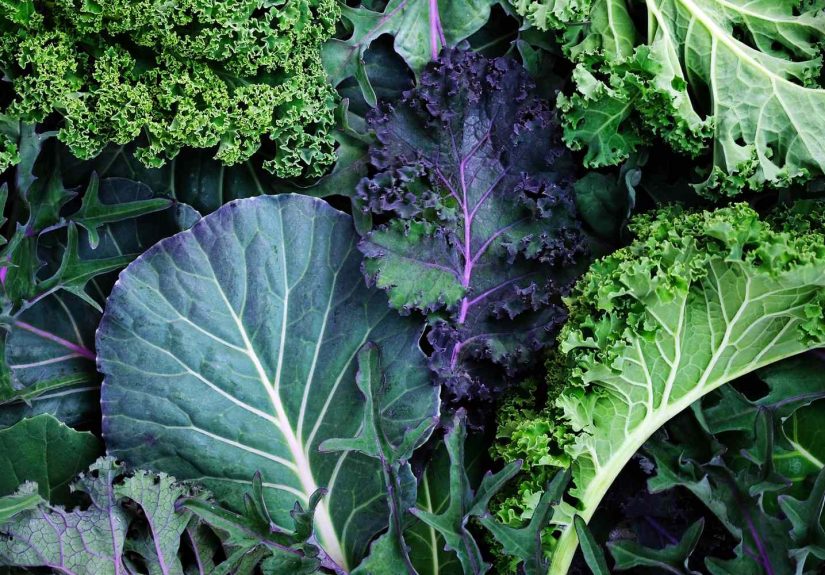
3) Collard Greens (The Leafy Green That Quietly Dominates)
Plenty of leafy greens contain calcium, but not all calcium is absorbed equally. Some greens (like spinach) are high in compounds
called oxalates that bind calcium, making less of it available to your body. Collard greens are a standout because they offer a solid
amount of calcium and are generally considered a better “absorption deal” than high-oxalate greens.
Typical calcium: About 250–270 mg per 1 cup cooked collard greens.
- Why dietitians like it: Calcium plus vitamin K, fiber, and antioxidants in one low-calorie package.
- Best for: Sautés, soups, stews, omelets, grain bowls, and wraps (yes, collard wraps are a thing).
Try it like this: Sauté collards with olive oil, garlic, and a pinch of salt until tender. Finish with a splash of vinegar or lemon.
Add white beans for a cozy, calcium-friendly bowl that tastes like it took way longer than it did.
Shortcut: Pre-chopped collards are a weeknight hero. Your calcium goal doesn’t care if you hand-massaged the leaves yourself.
4) Tahini (Sesame Paste) (A Creamy, Dairy-Free Calcium Hack)
Tahini is basically sesame seeds turned into a smooth, pourable pasteand sesame is naturally rich in calcium. The surprise is how
quickly tahini adds up because you can drizzle it on almost anything (which means “calcium, but make it delicious”).
Typical calcium: About 150 mg per tablespoon. Use 2 tablespoons and you’re flirting with ~300 mg.
- Why dietitians like it: Easy to add to meals; brings healthy fats and flavor along with calcium.
- Best for: Dressings, sauces, dips, bowls, roasted veggies, and “I need a creamy vibe without dairy.”
Try it like this: Whisk tahini with lemon juice, garlic, warm water, and a pinch of salt. Drizzle over roasted broccoli or a grain bowl
with chickpeas and cucumbers. It’s like a sauce and a strategy at the same time.
How to Help Your Body Absorb Calcium Better
Getting calcium is step one. Using it well is step two. Here are dietitian-approved habits that support absorption and bone health:
-
Don’t ignore vitamin D: Vitamin D helps your body absorb calcium. If you rarely get sun exposure or you’re unsure about your vitamin D
status, ask a clinician about testing or food/supplement options. -
Spread calcium across the day: Your body tends to handle calcium best in smaller “doses” rather than one mega-hit at dinner.
(Luckily, eating naturally across meals makes this easy.) -
Choose better-absorbed greens: Low-oxalate greens like collards, bok choy, and kale generally provide calcium that’s more usable than
high-oxalate greens such as spinach. - Get enough protein and strength training: Bones respond to both nutrition and mechanical load. Translation: eat well and move your body.
A One-Day “No Dairy, Still Plenty of Calcium” Example
Want a practical blueprint? Here’s a sample day using the four foods above. Adjust portions to your appetite and needs.
- Breakfast: Tofu scramble with peppers, onions, and salsa + fruit.
- Lunch: Salad with canned sardines, cucumbers, tomatoes, and a lemony tahini dressing.
- Snack: Hummus plate with veggies (extra tahini drizzle if you’re feeling fancy).
- Dinner: White beans and sautéed collard greens over brown rice with garlic and olive oil.
You don’t have to eat all four every day. Think of them as “calcium tools” you rotate through the week.
Common Questions Dietitians Hear About Non-Dairy Calcium
“If I don’t drink milk, will I automatically be calcium-deficient?”
Not at all. Many people meet calcium needs without dairy by eating calcium-rich foods (like the four above) and, when needed, choosing
fortified products. The bigger issue is consistencysmall amounts daily add up.
“Should I just take a calcium supplement?”
Supplements can help in specific situations, but food-first is often preferred because whole foods bring additional nutrients. If you’re
considering supplementsespecially if you have kidney issues or a history of kidney stonestalk with a clinician for personalized advice.
“What if I’m plant-based and don’t eat fish?”
No problem. Calcium-set tofu, collard greens, tahini (and other sesame foods), beans, and fortified options can still cover a lot of ground.
The trick is mixing sources across meals.
Conclusion: Calcium Without Dairy Is 100% Doable
You don’t need dairy to hit your calcium goalsyou need a plan. Calcium-set tofu, canned sardines with bones, collard greens, and tahini are
four dietitian-favorite, non-dairy options that can move the needle fast. Add them into meals you already enjoy, keep vitamin D on your radar,
and remember: consistent “calcium deposits” beat occasional calcium fireworks.
Experiences: What It’s Like to Build a Non-Dairy Calcium Routine (500+ Words)
There’s a funny moment that happens when you start actively looking for calcium outside of dairy: you begin to see your kitchen like a scavenger hunt.
Not in a stressful waymore in a “wait… that has calcium?” kind of way. The first surprise for many people is tofu. If you’ve only ever met tofu
as a bland sponge in a sad takeout container, calcium-set tofu is the glow-up. It’s the version that turns into crispy cubes, fluffy scramble, or silky
soup biteswhile quietly doing calcium work in the background. People often describe the first successful tofu scramble as a small victory: not because
it’s hard, but because it proves you don’t need eggs or cheese to make something hearty, savory, and satisfying.
Then there’s the “tiny fish courage” phase. Sardines tend to be polarizing until you find your format. For some, it’s sardines on toast with lemon and
black pepperthe kind of lunch that feels oddly sophisticated, like you should be wearing sunglasses indoors. For others, it’s mixing them into pasta
with garlic and olive oil where the flavor melts into the dish and the bones (the calcium MVP) basically disappear. The experience here is often about
convenience: you realize you can keep a couple cans in the pantry and have a high-protein, calcium-rich meal ready faster than you can decide what to
watch while you eat it.
Collard greens create a different kind of experiencemore “comfort food” than “hack.” If you grew up around Southern-style greens, collards can feel
like a familiar friend. If you didn’t, the first time you cook them can be a revelation: they’re sturdier than spinach, they hold up in soups, and they
don’t vanish into a single sad teaspoon after cooking. Many people end up loving collards because they feel like a real vegetable side dishsomething
you can build a meal around. A common turning point is discovering that acid (lemon or vinegar) transforms the flavor, turning “bitter-ish” into
“bright and balanced.” Once that clicks, collards become a weekly regular.
Tahini is usually the stealthiest win, because it doesn’t feel like “trying.” It feels like making food taste better. A spoonful becomes a sauce, a dip,
or a dressing. People often talk about tahini the way they talk about a favorite pair of shoes: it goes with everything. Roasted vegetables? Tahini.
Grain bowl? Tahini. Sandwich? Tahini. The experience of using tahini for calcium is less about changing your diet and more about upgrading itlike you
found a secret creamy button that doesn’t involve dairy.
Over time, the big lesson is that non-dairy calcium isn’t one magical foodit’s a rhythm. You’ll have tofu weeks and sardine weeks. Some days collards
show up in soup; other days they’re a quick sauté. Tahini becomes the default “make this better” ingredient. And the best part? When you stop treating
calcium like a chore and start treating it like a collection of delicious options, it gets easier to be consistent. Consistency is the real flex: not
perfection, not obsessingjust stacking small, tasty choices until your calcium intake quietly takes care of itself.