Table of Contents >> Show >> Hide
- Why “90% stocks in retirement” isn’t automatically reckless
- What 90% stocks really means: big upside, big mood swings
- The retirement danger zone: sequence-of-returns risk in plain English
- When 90% in stocks might be totally fine
- When 90% stocks is probably too much
- Better question: how do you pay yourself in retirement?
- A practical 5-step checklist to decide your stock allocation
- A quick example (with numbers, but not a math ambush)
- Common mistakes with a stock-heavy retirement portfolio
- So… is 90% in stocks too much during retirement?
- Experiences related to “90% in stocks during retirement” (extra )
Retirement investing is full of “rules” that sound like they were carved into stone tablets on a mountain:
“Your age in bonds.” “60/40 forever.” “Never touch principal.”
And then someone quietly raises their hand and asks the spicy question:
“Is 90% in stocks too much during retirement?”
The honest answer is delightfully inconvenient: it depends. Not in a hand-wavy, “ask your magic 8-ball”
way, but in a real-life way that involves your spending needs, guaranteed income, time horizon, and how you react when
markets decide to recreate a disaster movie.
Let’s break it down like a normal humanbecause retirement is supposed to be calmer than your working years, not a
part-time job as a full-time stress tester.
Why “90% stocks in retirement” isn’t automatically reckless
A stock-heavy retirement portfolio sounds wild because retirement is often framed as the “preservation” phase. But
retirement can last 20, 30, even 40+ years. That’s not a weekend getawaythat’s a whole second adulthood.
And long time horizons have two awkward truths:
- Inflation is real (and it doesn’t care that you’re on a fixed income).
- Longevity risk is real (you can outlive your money if your plan is too conservative or too rigid).
Stocks have historically been a strong long-term growth engine, which is why many retirees keep meaningful equity
exposure even after they stop working. So, a high stock allocation isn’t automatically “wrong.”
The problem is that retirement introduces a new villain that doesn’t show up the same way during your working years:
sequence-of-returns risk.
What 90% stocks really means: big upside, big mood swings
The “wake-up-at-3-a.m.” test
With 90% stocks, you’re signing up for a portfolio that can drop fast and hard. That’s not a moral failing of stocks;
it’s just the price of admission for long-term growth potential.
The real question is behavioral: when your portfolio is down 30% (or more) and headlines are screaming, will you:
(A) rebalance calmly, (B) adjust spending thoughtfully, or (C) panic-sell and turn a temporary drop into a permanent
life event?
If you’ve lived through major bear markets and stayed the course, that experience matters. If you haven’t, retirement
is a rough time to discover your “true risk tolerance” is actually “I tolerate risk only when it’s going up.”
Dividends help, but they don’t make stocks a savings account
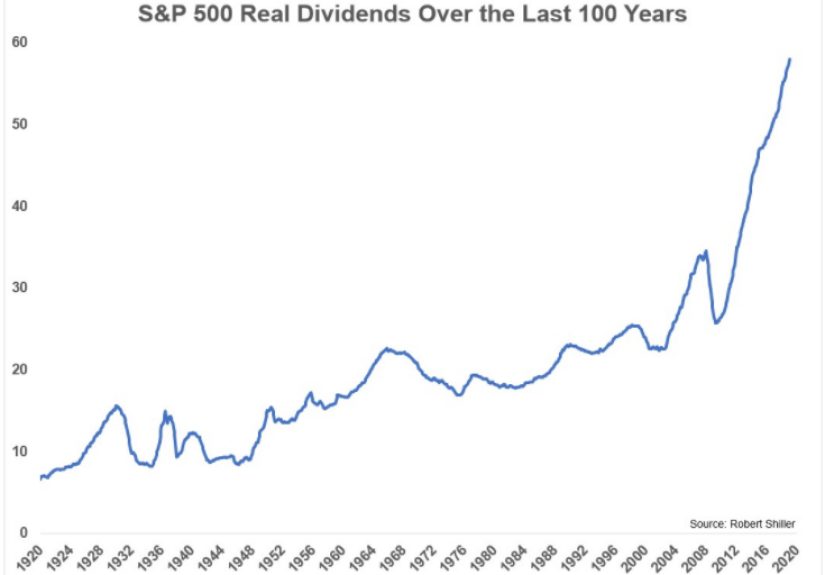
Some retirees feel more comfortable with stocks because dividends can provide cash flow. Dividends have often been
steadier than stock prices and have tended to grow over long stretches, which can help with inflation.
But dividends can be cut, and stock prices can still fall sharply. A dividend strategy is not a force field.
The retirement danger zone: sequence-of-returns risk in plain English
Imagine two retirees who earn the same average return over 30 years. One gets strong returns early, the other gets a
nasty bear market early. If both are withdrawing money, the one who gets hit early can end up with a dramatically
worse outcomeeven if the average return is identical.
That’s sequence-of-returns risk: the order of returns matters when you’re taking withdrawals.
Early losses plus withdrawals can shrink your portfolio so much that later gains have less “stuff” to grow.
(Compounding is powerful, but it can’t lift a couch if you already threw the couch out the window.)
This is why the first years of retirement are often called a “red zone.” Not because retirement is doomedbecause the
math is sensitive when your portfolio is at its largest and withdrawals begin.
When 90% in stocks might be totally fine
Here are the situations where a 90/10 (stocks/bonds) retirement allocation can be reasonablesometimes even logical:
1) Your withdrawal rate is low
If you’re spending a small percentage of your portfolio each year (for example, closer to 1%–3% than 5%–6%),
the portfolio has more breathing room. With a low spending rate, you’re less likely to be forced to sell stocks at
bad times.
2) You have a strong “income floor” for essentials
If Social Security, a pension, or an annuity covers a meaningful chunk of your basic expenses (housing, food,
insurance, utilities), your portfolio can be invested more aggressively because it’s funding “nice-to-haves” rather
than “need-to-haves.”
In other words: if your fridge is stocked no matter what the S&P does this month, you can take more market risk
without risking your lifestyle.
3) Your spending is flexible
Retirees who can temporarily cut discretionary spending during down markets have a built-in shock absorber.
Flexibility is underrated. It’s like power steering for your retirement plan.
4) You have a deliberate cash/bond buffer
Some stock-heavy retirees hold several years of spending in cash or high-quality bonds, so they don’t have to sell
stocks after a market drop. The buffer isn’t there to “beat” stocks; it’s there to buy you time and sanity.
5) You genuinely understand the risks and can stick to the plan
A 90% stock allocation can work on paper and fail in real life if you abandon it at the worst moment.
Your plan must be built for the investor who will actually show up on bad daysfuture you, with less patience and
more doctor appointments.
When 90% stocks is probably too much
A 90% stock allocation becomes much harder to defend when any of these are true:
- You need high withdrawals to fund basic living expenses.
- You don’t have a safety bucket (cash/bonds) to avoid selling stocks in a downturn.
- You’d panic if the portfolio fell 30%–40% and stayed low for a while.
- You face large, unpredictable expenses (healthcare, long-term care, family obligations) without backup.
- You’re concentrated in a few stocks or one sector (90% stocks is very different from 90% diversified stocks).
A retirement plan shouldn’t rely on “markets behave nicely” as its primary strategy. Markets are not known for their
manners.
Better question: how do you pay yourself in retirement?
Asset allocation is important, but in retirement, withdrawal strategy often decides whether a stock-heavy
portfolio feels empowering or terrifying. Here are approaches that can make a higher stock allocation more workable.
Option A: The cash/bond runway
Keep 1–5 years of planned spending (or more, depending on your comfort) in cash and/or high-quality bonds.
In a bear market, you spend from the runway. When markets recover, you refill it by rebalancing.
This can reduce the pressure to sell stocks at the worst time.
Option B: The bucket strategy
The bucket approach divides money by time horizonshort-term spending, mid-term stability, and long-term growth.
It can be psychologically helpful because you can point to “Bucket 1” and say, “That’s groceries and bills,” even if
Bucket 3 is having a dramatic episode.
Option C: The “bond tent” idea
Some research suggests being more conservative around the retirement transitionthen potentially increasing equity
exposure later (a “rising equity glidepath”). The goal is to reduce risk in the early retirement danger zone, when a
bad market sequence can do the most damage.
Option D: Dynamic spending (guardrails)
Instead of withdrawing the same inflation-adjusted amount every year no matter what, you set rules:
spend a bit less after bad markets, and maybe allow increases after strong markets.
A flexible approach can meaningfully improve portfolio survivalbecause you stop trying to force the same lifestyle
out of a temporarily smaller portfolio.
A practical 5-step checklist to decide your stock allocation
-
Cover your essentials first. Estimate what Social Security/pensions/annuities will cover. If there’s a
gap for essentials, plan how you’ll fund it with lower-volatility assets. - Know your spending rate. The lower the withdrawal rate, the easier it is to tolerate equity volatility.
- Stress-test a bad start. Ask: “If stocks drop 35% in year one, what do I do for the next 2–5 years?”
-
Decide your rules before you need them. Rebalancing, spending adjustments, and which account to withdraw
from shouldn’t be invented during a panic. -
Pick the allocation you can live with. Not the one that wins a spreadsheet contest, but the one you’ll
stick with when markets are ugly.
A quick example (with numbers, but not a math ambush)
Suppose you retire with $1,500,000 and plan to spend $60,000 a year from the portfolio
(a 4% initial spending rate). You’re debating between:
90/10 (stocks/bonds) and 60/40.
In a great market decade, 90/10 may end up larger. But imagine year one is a deep bear market. With 90/10, your portfolio
could drop significantly and you still need to withdraw for living expenses. If you have only a tiny bond cushion,
you may end up selling stocks at depressed prices.
With 60/40, the drop may be less severe, and the bond side can help fund withdrawals while stocks recover. You’re not
“timing the market”; you’re giving the market time to recover while you keep paying yourself.
Now change one assumption: your spending is only $30,000 (2% of the portfolio) because Social Security
and other income cover most necessities. In that scenario, 90/10 becomes much more plausible because withdrawals are
smaller and less likely to force bad sales.
Same portfolio. Same market. Different spending realities. Totally different risk level.
Common mistakes with a stock-heavy retirement portfolio
-
Confusing “I can handle risk” with “I enjoyed a bull market.”
Retirement is when risk tolerance meets real withdrawals. -
Skipping the cash/bond buffer.
If you’re 90% stocks, the 10% better have a joblike funding spending in down years. -
Rigid withdrawals.
If you refuse to adjust spending even slightly in bad markets, you’re making sequence risk worse. -
Not rebalancing.
A plan without rules is just vibesand vibes don’t pay property taxes. -
Ignoring taxes and required withdrawals.
Account type matters (taxable vs. traditional vs. Roth), and required distributions can force taxable income.
So… is 90% in stocks too much during retirement?
Sometimes yes. Sometimes no. The “right” retirement asset allocation depends on your need, ability, and
willingness to take riskand (crucially) your withdrawal plan.
If you’re spending very little from the portfolio, have strong guaranteed income, maintain a real buffer, and can stay
disciplined, a 90% stock allocation can be workable.
If you need the portfolio to fund core living expenses and you don’t have shock absorbers, 90% stocks can turn a normal
bear market into a lifestyle crisis.
The goal isn’t to win an allocation debate. The goal is to build a plan that lets you sleep at night and still keeps
inflation from eating your future like it’s an all-you-can-eat buffet.
Experiences related to “90% in stocks during retirement” (extra )
Here’s what tends to show up in real retirement conversations (shared as common patterns and composite examples, not as
personal anecdotes). The emotional side of a 90% stock portfolio is often the deciding factornot the historical return
chart.
The “I did 100% stocks for decadeswhy change now?” retiree
Many long-time investors reach retirement with a strong stock habit. They lived through multiple downturns while working,
kept contributing, and rebalanced like a robot with excellent manners. Their confidence is earned. The surprise comes
when they retire and realize the paycheck was doing invisible emotional labor. Without wages, a 30% drawdown doesn’t feel
like “a buying opportunity”it feels like the floor moving.
The retirees who do best in this camp usually add structure: a spending buffer, a rebalancing rule, and a “no big
decisions during scary headlines” policy. They don’t necessarily reduce stocks dramaticallybut they reduce the chance
of panic.
The “my basics are covered, so I can be aggressive” couple
Some retirees have a powerful setup: Social Security (often optimized by delaying), maybe a pension, and perhaps a small
annuity. Their essentials are largely handled. For them, the portfolio is for travel, gifting, hobbies, and leaving a
legacy. A market crash is still unpleasant, but it doesn’t immediately threaten the lights staying on. In these cases,
a 90% stock allocation can feel rationalbecause they’re not forced sellers.
The “unexpected expense” reality check
Even well-planned retirees can get blindsided: a major home repair, helping family, a healthcare surprise, or long-term
care costs. Stock-heavy retirees without a buffer sometimes discover that the market always seems to drop precisely when
life gets expensive (pure coincidence, but incredibly rude). The fix is rarely “sell everything and go all bonds.”
It’s usually: build a bigger safety bucket, refine insurance planning, and create a withdrawal order that’s tax-smart
and market-aware.
The “bucket strategy calmed my brain” crowd
A surprising number of retirees don’t change their investments muchthey change how they label the money.
When cash for the next few years is clearly set aside, they stop staring at the stock portion every day like it’s a
heart monitor. Less monitoring often leads to fewer emotional mistakes, which can be worth more than a slightly
optimized allocation.
The biggest lesson retirees repeat
The best allocation is the one that keeps you invested. A portfolio that’s “optimal” but causes you to bail out at the
bottom is not optimal. If 90% stocks makes you feel confident and preparedwith the right buffers and flexibilityit can
work. If it makes you feel trapped, it’s too much. Retirement is hard enough without adding “daily portfolio dread” as a
hobby.