Table of Contents >> Show >> Hide
- What Exactly Is a Military Ration?
- “14 Pics”: How Military Food Rations Look for Different Armies
- 1. United States – The Classic MRE Bag
- 2. United Kingdom – Tea, Biscuits, and All-Day Fuel
- 3. France – The Near-Gourmet RCIR Box
- 4. Norway – Lightweight Arctic Field Rations
- 5. Japan – Type I and Type II Combat Rations
- 6. South Korea – Kimchi in the Field
- 7. Russia – The “Frog” Box
- 8. Canada – Similar to the U.S., With Its Own Twist
- 9. Italy – Pasta, Naturally
- 10. Germany – Hearty and Functional
- 11. India – Vegetarian-Friendly and Spice-Forward
- 12. Israel – Field Rations Built for Sharing
- 13. Australia – “Rat-Pack” With Aussie Flavor
- 14. Poland – Tins, Bread, and Strong Flavors
- What These Rations Reveal About Each Army
- Extra: Real-World Experiences With Military Food Rations
- Conclusion: Field Food, Full Story
If you’ve ever stared at your sad desk lunch and thought, “There has to be something worse than this,” allow me to introduce you to the wonderfully weird world of military food rations. From American MREs to French near-gourmet boxes and Norwegian freeze-dried feasts, what soldiers eat in the field says a lot about their country’s culture, climate, and priorities and sometimes, about how seriously they take dessert.
Inspired by the viral Bored Panda–style galleries that showcase how military food rations look for different armies, this deep dive walks you through 14 “virtual photos” of rations from around the globe. You won’t get to taste them (lucky you), but you’ll definitely come away with a new appreciation for hot coffee, fresh bread, and any meal that doesn’t require a flameless heater and a packet of mystery powder.
What Exactly Is a Military Ration?
Modern field rations are carefully engineered little ecosystems of food, nutrition, and convenience. The goal is simple: keep a soldier moving, thinking, and functioning in conditions where “lunch break” is more of a fantasy than a plan.
Calories, Shelf Life, and Tough Love
Most 24-hour rations are designed to deliver somewhere around 3,000 to 4,000 calories per day, depending on climate and mission. For example, a French 24-hour RCIR (Ration de Combat Individuelle Réchauffable) typically provides about 3,200–3,400 calories, while British 24-hour packs and specialized cold-weather rations can push even higher for extreme conditions.
These meals are engineered to last for years in warehouses, vehicles, or backpacks. That means lots of canned or retort-pouch foods, shelf-stable bread or crackers, dehydrated components, and clever packaging to resist heat, moisture, and the occasional “oops, I sat on my lunch.”
Beyond Fuel: Food as Morale
Even though these rations are built for logistics and nutrition, they also quietly double as morale boosters. Chocolates, cookies, candies, flavored drink powders, and instant coffee show up again and again. U.S. MREs (“Meal, Ready-to-Eat”) are notorious for including multiple dessert items, while British rations slip in tea bags, and French packs casually throw in pâté and chocolate like it’s no big deal.
Is it gourmet? Usually not. Does it help when you’re cold, tired, and miles from a kitchen? Absolutely.
“14 Pics”: How Military Food Rations Look for Different Armies
Picture this section like a Bored Panda gallery, but in words. Each “pic” is a different country’s typical field ration what you’d see laid out on a table before it gets repacked and stuffed into a rucksack.
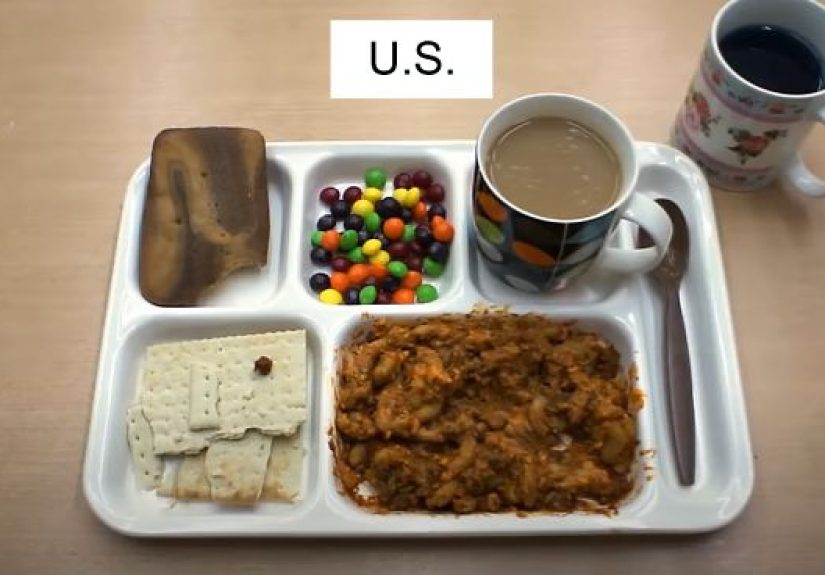
1. United States – The Classic MRE Bag
The U.S. Meal, Ready-to-Eat is probably the most famous military ration on the planet. Each brown plastic pouch holds one full meal: a main entrée (like chili mac, beef goulash, or Italian sausage with peppers), a side dish, crackers or tortillas, a spread (cheese or peanut butter), a dessert (cookies, pound cake, or candy), drink mixes, and an accessory pack with coffee, matches, gum, and toilet paper because priorities.
The star of the show is the flameless ration heater, which lets soldiers warm their meal with just a bit of water and some safe chemical wizardry. Taste reviews are mixed, but everyone agrees: a hot entrée tastes better than a cold one, especially if you’re eating out of your lap in a Humvee.
2. United Kingdom – Tea, Biscuits, and All-Day Fuel
The British 24-hour Operational Ration Pack looks like someone cross-bred a camping kit with a corner shop. A typical menu might include pork sausage and beans, a pasta main dish, instant porridge, oat biscuits, chocolate brownie, trail mix, multiple flavored drink powders, and of course tea and instant coffee.
There are also halal, kosher, and vegetarian menus, plus multi-climate versions designed for jungle, cold weather, or more temperate deployments. The overall vibe is “solid, practical, filling,” with enough snacks to get you through a long patrol and enough sugar to keep morale from dipping too low.
3. France – The Near-Gourmet RCIR Box
If there were a beauty contest for military rations, France’s RCIR would probably walk off with the crown and a sash. Each 24-hour box comes with two main course tins, an hors d’oeuvre (often pâté or terrine), hard crackers, instant soup, coffee, cocoa, chocolate, candies, and various spreads. Menus can include dishes like veal stew, lamb navarin, paella, chili con carne, or salmon with rice and vegetables.
French rations get rave reviews from ration collectors and YouTube reviewers for tasting surprisingly close to normal, enjoyable food. It’s still shelf-stable and packaged for war zones, but you can absolutely imagine a French quartermaster saying, “Yes, it’s a combat ration, but we’re not savages.”
4. Norway – Lightweight Arctic Field Rations
Norwegian Arctic Field Rations are built for cold, harsh environments. These are single-meal pouches that center around freeze-dried mains like reindeer stew, chicken curry, or pasta dishes, plus energy bars, drink powders, and sometimes coffee. A typical pack clocks in at around 1,300 calories but is very light, which matters when you’re carrying gear through snow and mountains.
Add hot water, wait several minutes, and you get a steaming, surprisingly hearty meal designed to keep you functioning when the weather is doing its best to shut you down.
5. Japan – Type I and Type II Combat Rations
The Japan Self-Defense Forces issue two main styles of rations. Type I is the old-school, heavier canned system with rice, a main dish (like beef with vegetables or fish and vegetables), and pickled vegetables. Type II is the sleeker, retort-pouch version with ready-to-eat rice and mains in a flexible green bag.
Menus reflect Japanese taste: rice is central, and dishes feel like simplified versions of home meals with less Instagram appeal and more “eat this quickly and keep moving.”
6. South Korea – Kimchi in the Field
South Korean Type I rations include pouches of rice with meat and vegetables, separate packets of kimchi, and black beans or sausages. Type II rations are lighter, freeze-dried meals designed for high mobility.
Flavor-wise, they lean toward spicy, salty, and familiar Korean comfort food. Because if you’re going to be exhausted and far from home, a pouch of kimchi absolutely counts as emotional support.
7. Russia – The “Frog” Box
Modern Russian individual rations often come in a green plastic “blister” box nicknamed “the frog.” Inside, soldiers find several canned mains (like stewed beef, porridges, or meat-and-vegetable mixes), crackers or hard bread, spreads like pâté, jams, and sweetened condensed milk, plus drink powders and accessories.
There’s usually a solid micro-kitchen in each box: fuel tablets, a folding stove, matches, and water purification tablets everything you need to turn canned stew and crackers into something warm and faintly comforting.
8. Canada – Similar to the U.S., With Its Own Twist
Canadian Individual Meal Packs (IMPs) look a lot like American MREs but come in a box-style outer package. Menus often feature mains like beef stew, chicken pesto pasta, or pancakes with syrup, plus sides, dessert, and drink mixes. Like their U.S. counterparts, they’re designed to be hearty, easy to heat, and reasonably familiar to the average soldier.
There’s also a noticeable emphasis on coffee and sweet treats because winter is long, and morale is fragile.
9. Italy – Pasta, Naturally
Italian armed forces rations tend to incorporate small pasta dishes, biscuits, jam, canned mains, and often a breakfast component like crackers with spread. While exact menus vary, reviewers often note that the flavor profile feels distinctly Italian: tomato-based sauces, pasta, and strong coffee.
It’s not exactly a trattoria on the front line, but you can see the national DNA peeking out of every pouch and tin.
10. Germany – Hearty and Functional
German 24-hour rations (EPA – Einmannpackung) include tinned mains (stews, sausage dishes), rye bread or crispbread, cheese or meat spreads, chocolate, instant drinks, and coffee.
The overall vibe is sturdy and efficient, with plenty of fats and carbs to survive long patrols and cold climates. Think “practical weekend camping food,” but more standardized and slightly more beige.
11. India – Vegetarian-Friendly and Spice-Forward
Indian military rations often feature vegetarian mains like lentil curries, chickpea dishes, and rice-based meals, aligned with local dietary habits and religious considerations. While detailed menus vary and aren’t always widely publicized, the emphasis is on familiar flavors, easy reheating, and long shelf life in hot climates.
Plenty of spices, plenty of carbs, and a strong focus on feeding soldiers in environments where refrigeration is not an option.
12. Israel – Field Rations Built for Sharing
Israeli ration kits lean heavily on canned vegetables, tuna, spreads, crackers, and sometimes kosher-friendly canned mains. They’re often designed around group sharing rather than strictly individual boxed meals, reflecting both culinary tradition and operational style.
The result is more “improvised picnic with your unit” and less “lonely single brown bag.”
13. Australia – “Rat-Pack” With Aussie Flavor
Australian 24-hour ration packs typically contain canned mains, instant noodles, biscuits, spreads, energy bars, and drink mixes. Some menus sneak in local treats like Vegemite, giving the ration a distinctly Australian character even when everything is dehydrated, canned, or vacuum-sealed.
The kits are designed for hot, rugged environments and extended field operations think long distances, high heat, and minimal resupply.
14. Poland – Tins, Bread, and Strong Flavors
Polish combat rations (SR – sucha racja żywnościowa) usually include multiple tins (meat, stews, pâtés), hard bread or crackers, instant drinks, tea, and sweets. The foods tend to be savory and filling, leaning heavily into traditional Central European flavors that feel homey even when eaten out of a can.
Accessories like fuel tablets, a small folding stove, and water purification items round out the pack, making it a self-contained survival and comfort kit.
What These Rations Reveal About Each Army
Line up all these rations on a table and a few things jump out immediately beyond the fact that pretty much everyone loves chocolate.
Culture on a Tray
France brings terrine and cassoulet; the U.K. brings tea and biscuits; the U.S. brings peanut butter, candy, and hot sauce. South Korea reaches for kimchi, Japan insists on rice, and Norway leans into freeze-dried mountain food. Even inside a sealed pouch, national culinary DNA is hard to hide.
Climate and Mission Shape the Menu
Cold-weather rations, like Norwegian Arctic packs or British cold-climate boxes, are high-calorie and often dehydrated to keep weight down and carbs up. Hot-climate or jungle rations emphasize lighter, more compact setups and lots of electrolytes.
If you’re slogging through snow, you want rich stews and high-fat foods. If you’re sweating through your uniform in the tropics, you want salt, fluids, and meals that won’t go bad before lunch.
Morale Is a Real Ingredient
It’s not an accident that nearly every ration has at least one small “treat” chocolate bars, candies, brownies, fruit-flavored drinks, or specialty spreads. These aren’t just empty calories; they’re tiny morale boosts packed into a long, exhausting day.
Reviewers who taste-test rations often talk about which packs feel “nicest” to open. French, British, and some Scandinavian rations often score high on enjoyment, while older or budget-limited packs can feel more utilitarian. But at the end of the day, soldiers care less about Instagram value and more about “Does this fill me up while I’m carrying 70 pounds of gear?”
Extra: Real-World Experiences With Military Food Rations
Beyond the neat layouts and flat-lay photos, what is it actually like to live on these rations for days at a time? A lot of what we know comes from veterans, active-duty personnel, and dedicated ration reviewers who willingly eat decades-old cans for YouTube content.
Living on MREs: The Love-Hate Relationship
American soldiers often describe MREs as “fine, at first.” On a short field exercise, they can feel like novelties: trading entrées, arguing over which menus are the best (chili mac has a cult following), and seeing who can get the flameless ration heater to produce the most steam. Over time, though, the high sodium content, dense calories, and repetitive flavors can get old.
Many service members also become amateur MRE chefs, hacking their meals with strange but ingenious combinations: mixing cocoa powder and instant coffee into a “ranger mocha,” turning cheese spread and crackers into mini sandwiches, or combining side dishes into one mega-stew. The accessory pack with hot sauce, salt, gum, and drink mix becomes a toolbox for making mediocre food more edible.
“Best in the World” and Unexpected Favorites
Among ration enthusiasts, French RCIRs often rank near the top. Reviewers praise their mains for actually tasting like something you might eat voluntarily, and the presence of chocolate, fruit, and sometimes alcohol-free beverage sachets feels like a nod to everyday civilian meals. Some even jokingly refer to them as “fine dining in a box,” especially when compared with older, more basic rations from other countries.
Norwegian and other Scandinavian cold-weather rations also get fan love for being lightweight and tasty when rehydrated, with main dishes that genuinely hit the spot after a long, cold day. On the flip side, some older Eastern European or budget rations are described as “brutally functional” they’ll keep you alive, but you might daydream about fresh vegetables for weeks afterward.
The Gut Reality: Not All Systems Approve
One recurring theme in personal accounts is that eating nothing but rations for extended periods can be tough on digestion. High fiber, low fiber, unfamiliar ingredients, and lots of preservatives can combine into a digestive adventure that no one asked for. It’s one reason why, whenever field kitchens or fresh food become available, they’re treated as small miracles.
Many soldiers remember their “first real meal” after an extended time on rations a fresh salad, a hot plate of food in a dining hall, even a burger in a makeshift base cafeteria with borderline religious gratitude.
Comfort, Routine, and a Little Bit of Home
Despite all the jokes and complaints, field rations also become part of a soldier’s personal history. People remember specific menus, favorite snacks, the taste of a certain hot drink on a freezing morning, or the exact chocolate bar they traded three times to get. Little rituals form: making coffee a specific way, always saving dessert for last, or swapping entire meals based on unit inside jokes.
For some veterans, seeing photos of rations online can trigger surprisingly strong nostalgia. The packaging, the labels, and even the color of the crackers are tied to memories of shared hardship, camaraderie, and absurd moments in otherwise serious environments.
Would You Eat These at Home?
Most people probably wouldn’t choose an MRE or a canned ration over a normal home-cooked meal. But in the right context freezing, exhausted, and far from any kitchen these meals can feel like a lifeline. They’re not trying to be restaurant food; they’re trying to be reliable, portable survival kits that just happen to come with chocolate and instant coffee.
So the next time you scroll through a Bored Panda–style gallery of military food rations from different armies, remember: behind every pouch of powdered drink and every dubious-looking stew, there’s an enormous amount of planning, science, and cultural history. And somewhere out there, a soldier is staring at that exact same pouch and thinking, “Well… at least there’s dessert.”
Conclusion: Field Food, Full Story
From American MREs packed with snacks to French RCIR boxes that flirt with gourmet, from Norwegian freeze-dried mountain meals to British tea-and-biscuits survival kits, military food rations are far more than random cans and pouches. They’re snapshots of national taste, climate realities, logistical constraints, and the universal truth that a little chocolate makes everything better.
These 14 “pics” might look like simple collections of tins and plastic bags, but each one represents a carefully engineered promise: no matter where you are, no matter how tough the conditions, you’ll have enough fuel to keep going. Whether it tastes like home cooking or “mildly edible mystery stew” is another story but that’s all part of the strange charm of soldier food.