Table of Contents >> Show >> Hide
- First, What Anxiety Is (and Why It Feels So Physical)
- What Cold Water Does to Your Body in the First 10 Seconds
- What the Research Actually Says (and What It Doesn’t)
- 1) A 2025 systematic review/meta-analysis: stress and sleep signals, but limited RCTs
- 2) A large 2016 randomized trial: cold showers and quality-of-life changes
- 3) Mood studies: promising, but not the same as treating anxiety disorders
- 4) Mechanism papers: “neurohormesis” and stress resilience (plausible, not proven)
- So… Does a Cold Shower Help Anxiety?
- How to Try Cold Showers for Anxiety (Safely and Sanely)
- Who Should Avoid Cold Showers (or Talk to a Clinician First)
- Cold Showers vs. Evidence-Based Anxiety Tools
- How to Know If It’s Helping
- Bottom Line
- Experiences: What Cold Showers for Anxiety Tend to Feel Like (Anecdotes, Not Medical Advice)
- 1) The first five seconds are dramatic… then it gets oddly manageable
- 2) It can feel like a reset button for spiraling thoughts
- 3) Some people feel calm afterward; others feel wired
- 4) The “I did something hard” effect is real
- 5) It works best when it’s a tool, not a rule
- 6) The most helpful “pairing” is a calming script
Anxiety has a special talent: it can convince your body that you’re being chased by a bear…
while you’re literally just answering an email. Your heart races, your palms sweat, your stomach
performs interpretive dance, and your brain starts narrating a disaster movie in real time.
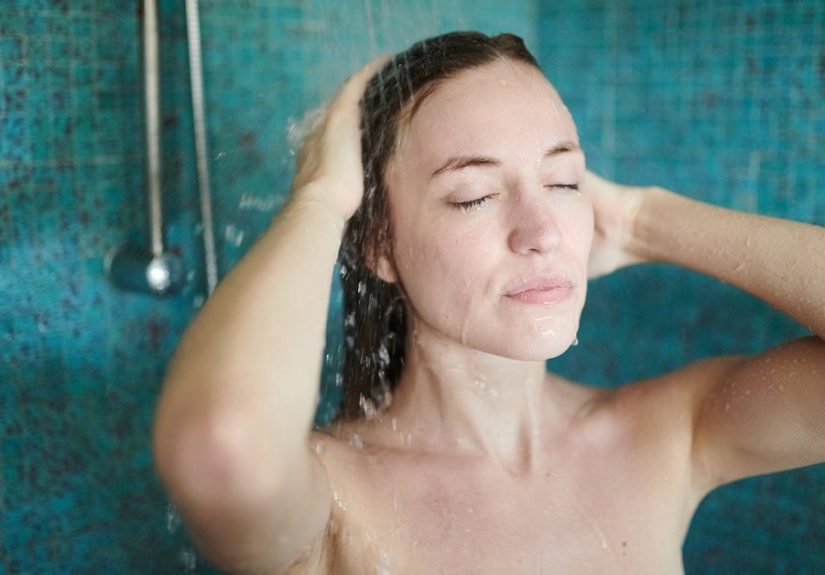
So when people say, “A cold shower calms my anxiety,” it makes a weird kind of sense.
Cold water is an instant sensation. It’s hard to ruminate about next Tuesday’s awkward conversation
when your skin is shouting, “HELLO, IT’S ANTARCTICA NOW.”
But does a cold shower actually help anxiety in a meaningful wayor is it just a spicy form of morning motivation?
Let’s break down what research suggests, what it doesn’t, who should be careful, and how to approach cold showers
as a possible tool (not a cure) in your anxiety toolkit.
First, What Anxiety Is (and Why It Feels So Physical)
Anxiety isn’t just “worry.” It’s a whole-body alarm system that can get stuck in the “on” position.
Your nervous system is designed to protect youby shifting into a fight-or-flight state when something feels threatening.
Sometimes that threat is real; sometimes it’s a thought, a memory, or a “what if?” that your brain treats like an incoming meteor.
Clinically, anxiety disorders can involve persistent worry, panic, fear, avoidance, and physical symptoms like muscle tension,
sleep issues, irritability, difficulty concentrating, and a racing heart. Treatments with the strongest evidence include
psychotherapy (especially CBT) and, for many people, medicationoften alongside lifestyle supports like exercise and sleep habits.
What Cold Water Does to Your Body in the First 10 Seconds
Cold exposure is a stressorjust a very short, controllable one (assuming you’re doing this safely).
When cold water hits your skin, your body responds quickly:
- Breathing changes (often faster or more forceful at first).
- Heart rate and blood pressure can rise as your body reacts to the cold.
- Alertness spikes because your nervous system is paying attention now.
Full-body cold immersion (like plunging into cold water) can create a stronger “cold shock” response than a shower,
and it comes with more riskespecially for people with certain health conditions. A shower is typically the gentler entry point.
Why this matters for anxiety
Anxiety often feels like your body is revving too high. Cold water briefly “hijacks” attention and sensation,
and it can also give you a chance to practice a different response: steady breathing, staying present,
and riding out discomfort without panic. That’s one reason clinicians sometimes describe cold sensation
as a grounding or emotion-regulation strategybasically a sensory reset.
What the Research Actually Says (and What It Doesn’t)
If you’re hoping for a giant, definitive study titled “Cold Showers Cure Anxiety Forever,” we’re not there.
The evidence is growing, but it’s still limitedespecially when it comes to diagnosed anxiety disorders
and cold showers specifically. What we do have is a mix of:
- Research on cold-water immersion (not always showers)
- Studies on stress, sleep, mood, and quality of life
- Small trials, observational research, and case reports
1) A 2025 systematic review/meta-analysis: stress and sleep signals, but limited RCTs
A 2025 systematic review and meta-analysis in PLOS ONE looked at cold-water immersion and wellbeing outcomes.
The authors found time-dependent effects across measures like perceived stress, sleep quality, and quality of life.
The big catch: the evidence base is constrained by relatively few randomized controlled trials, small sample sizes,
and limited diversity in participantsso conclusions are cautious rather than hype-y.
Translation: cold exposure may help some “wellbeing” measures for some people, but it’s not a slam dunk,
and we still need better studies (especially for mental health outcomes like anxiety).
2) A large 2016 randomized trial: cold showers and quality-of-life changes
One of the most-cited cold shower studies is a 2016 randomized controlled trial that asked adults to end their usual
warm shower with 30, 60, or 90 seconds of cold water daily for 30 days. The main outcome wasn’t anxietyit was
work-related sickness absence and related measures. The cold-shower groups reported fewer sick-leave days,
but the number of illness days didn’t differ meaningfully. There were also small differences reported in quality-of-life scoring.
Important nuance: fewer “sick days” doesn’t automatically mean better immunity or better mental health.
It could reflect resilience, perception, or behavior (for example, feeling more energized and choosing to go to work anyway).
3) Mood studies: promising, but not the same as treating anxiety disorders
Several studies and reports suggest mood can improve after cold-water exposure. For instance, research has reported
improved mood after a single cold-water immersion session, and cold-water swimming has been described in a case report
as helping depressive symptoms over time.
These findings are interestingespecially because anxiety and depression often overlap. But “mood improved after cold exposure”
is not the same thing as “cold showers are an evidence-based primary treatment for anxiety.”
4) Mechanism papers: “neurohormesis” and stress resilience (plausible, not proven)
A concept you’ll see in the literature is that short, controlled stressors can help the body adaptsometimes called
hormesis. A psychiatry-focused review described cold-water immersion as a brief stress that may “prime” coping mechanisms
and potentially support resilience.
That’s biologically plausible. Cold exposure can influence nervous system activity and stress hormones.
But plausible mechanisms aren’t the same as clinical proof. Think of it as: “The theory makes sense; now we need more data.”
So… Does a Cold Shower Help Anxiety?
For some people, it can help in specific, practical waysespecially as a short-term strategy to interrupt spiraling thoughts,
ground the body, and create a sense of control. But it’s best viewed as an adjunct, not a replacement for evidence-based care.
Ways cold showers may help (for some people)
-
A sensory reset: Cold water is immediate, physical, and hard to ignore. That can pull attention out of rumination
and back into the present moment (similar to other grounding techniques like holding something cold). -
“I can handle this” training: You practice staying calm during discomfort. That can build confidence and reduce fear of bodily sensations
a big deal for panic-prone anxiety. -
Post-shower calm: After the initial jolt, many people report feeling clear-headed or even relaxed, possibly due to a shift in arousal
and a sense of accomplishment. -
Routine + ritual benefits: Anxiety often improves when you have stable routines (sleep, movement, meals). A brief cold rinse can become
a structured ritual that signals “I’m taking care of myself today.”
Ways cold showers may not help (or could backfire)
-
If the sensation triggers panic: The cold shock feeling can mimic anxiety symptoms (racing heart, rapid breathing).
If you already fear those sensations, cold exposure may amplify anxiety instead of relieving itespecially if you jump in too aggressively. -
If it becomes a “safety behavior”: If you feel you must take a cold shower to be okay, it can unintentionally reinforce anxiety.
Tools should expand your options, not shrink them. - If you skip proven treatments: Cold showers aren’t a substitute for therapy, medical guidance, or appropriate medication.
How to Try Cold Showers for Anxiety (Safely and Sanely)
If you want to experiment, the safest and most sustainable approach is: gentle, gradual, consistent.
This is not an audition for an arctic survival show.
A beginner-friendly protocol
- Start warm. Do your normal shower first.
- Switch to cool (not ice-cold) for 10–15 seconds. Focus on slow, steady breathing.
- Repeat daily for a week. Keep it short enough that you don’t dread it all day.
- Increase slowly. Add 5–10 seconds at a time as your tolerance improves.
- Use it intentionally. Pair it with a grounding cue like “I’m safe; this is uncomfortable, not dangerous.”
Breathing: the make-or-break detail
The most common mistake is fighting the cold with frantic breathing. Instead:
inhale through your nose (if you can), exhale slowly, and relax your shoulders.
If your breathing becomes uncontrolled, turn the water warmer and try again another day.
Also: skip risky breath-holding games in the shower. Dizziness and slips are not the wellness goals we’re going for.
Who Should Avoid Cold Showers (or Talk to a Clinician First)
Cold exposure can strain the cardiovascular system, especially when it’s sudden or intense.
Safety guidance about cold shock and heart stress is one reason full-body plunges get extra caution.
Even showerswhile generally saferaren’t ideal for everyone.
- Heart conditions (including rhythm issues) or a history of fainting
- Uncontrolled high blood pressure
- Circulation disorders (including Raynaud’s)
- Cold urticaria (hives triggered by cold exposure)
- Pregnancy (especially if you’re prone to dizziness or blood pressure changes)
- Any condition where sudden cold is known to worsen symptoms
If any of these apply, a healthcare professional can help you weigh risks and safer alternatives.
Cold Showers vs. Evidence-Based Anxiety Tools
If anxiety is taking up a lot of space in your life, cold showers may be a helpful add-on,
but they shouldn’t be the whole plan. Stronger, research-backed supports include:
Cognitive Behavioral Therapy (CBT)
CBT is a structured, skills-based therapy that helps you spot unhelpful thought patterns, reduce avoidance,
and build coping behaviors. For many anxiety disorders, it’s considered one of the most effective treatments.
Medication (when appropriate)
Some people benefit from medicationoften alongside therapydepending on the type and severity of anxiety.
Decisions about medication should be made with a qualified clinician.
Mind-body practices and lifestyle supports
Regular movement, sleep routines, relaxation techniques, mindfulness, and social support can all play meaningful roles.
These approaches are often used alongside clinical care, not instead of it.
How to Know If It’s Helping
If you try cold showers for anxiety, track outcomes like you’re doing a tiny personal study (with fewer clipboards).
Ask yourself:
- Do I feel calmer afterwardor just more awake?
- Does my anxiety recover faster after a stress spike?
- Am I sleeping better?
- Is it sustainable, or do I dread it?
- Does it ever trigger panic?
If it helps, greatkeep it gentle and consistent. If it makes anxiety worse, that’s useful data too.
Your nervous system gets a vote.
Bottom Line
Cold showers may help anxiety indirectlyas a grounding strategy, a resilience practice,
and a brief reset for the nervous system. Research suggests potential benefits for stress-related measures
and quality of life, but the evidence is still developing, and cold showers are not a proven primary treatment
for anxiety disorders.
If you’re curious, start small, breathe steadily, and treat it as one tool among many.
The goal isn’t to “freeze the anxiety out.” It’s to build skills, support your body, and make your days more manageable.
Experiences: What Cold Showers for Anxiety Tend to Feel Like (Anecdotes, Not Medical Advice)
Let’s talk about the “human side” of this trendbecause the research is still catching up, but people have been experimenting
with cold showers for years. These experiences are anecdotal (meaning: real-life reports, not guaranteed results),
but they can help you know what to expect.
1) The first five seconds are dramatic… then it gets oddly manageable
A common experience is the initial jolt: sharp sensation, instant alertness, and a reflex to tense up.
People often describe it as “my brain went quiet because it had bigger problems.”
Then, if they keep breathing slowly and relax their shoulders, the discomfort becomes more tolerable than expected.
That moment“I didn’t panic, and it passed”is a big reason some people keep doing it.
2) It can feel like a reset button for spiraling thoughts
When anxiety is loud, it tends to pull you into the future (“what if this happens?”) or the past (“why did I do that?”).
Cold water forces attention into the present. People often say they step out of the shower feeling less mentally “sticky.”
Not euphoric. Not magically cured. Just… unstuck.
3) Some people feel calm afterward; others feel wired
Post-shower effects vary. Many report a calm, clear-headed feelinglike their nervous system “completed a stress cycle.”
Others feel energized, almost caffeinated. For anxiety-prone people, that energized feeling can be either helpful
(“I can function now”) or uncomfortable (“this feels like the start of a panic attack”).
If you tend to misinterpret bodily sensations as danger, cold showers can be tricky at first.
In that case, some people do better with a cooler rinse on arms and legs rather than full-body cold right away.
Others prefer using cold water as a quick grounding movelike running cool water over handsbefore scaling up.
4) The “I did something hard” effect is real
Anxiety can make you feel powerless. A short cold rinse is a tiny, controlled challenge.
Many people report that the confidence boost matters as much as the cold itself: “I didn’t want to do it, but I did.”
That’s behavioral activation in disguisetaking action first, letting your brain update the story afterward.
5) It works best when it’s a tool, not a rule
People who stick with cold showers long-term often treat it like brushing teeth: useful, not a personality.
On stressful days, it can be an extra support. On low-energy days, a warm shower might be the kinder choice.
The healthiest relationship tends to be flexiblebecause anxiety loves rigid rules, and we’re not trying to help it move in.
6) The most helpful “pairing” is a calming script
A surprisingly common tip from people who benefit: pair the cold with a simple phrase.
Examples: “Uncomfortable doesn’t mean unsafe,” or “I can breathe through this.”
Over time, the body starts linking the cold sensation with a practiced calm responselike training wheels for your nervous system.
If you try cold showers for anxiety, think of it as an experiment in self-regulation:
keep it short, keep it safe, and let your resultsyour sleep, your mood, your recovery time after stressguide you.