Table of Contents >> Show >> Hide
- What We Mean by “Arrhythmia” and “Sleep Apnea”
- Why This Comorbidity Is So Common
- The “How” Behind the Link: What Sleep Apnea Does to the Heart
- Which Arrhythmias Are Most Tied to Sleep Apnea?
- Clues You Might Be Dealing With Both
- Diagnosis: How Clinicians Connect the Dots
- Treatment: Why Addressing Sleep Apnea Can Help Rhythm Control
- Specific Examples: How This Plays Out in Real Life
- What to Ask Your Clinician (So You Don’t Leave With “Try to Relax”)
- Common Myths That Deserve a Gentle Retirement
- Key Takeaways
- Real-World Experiences: What Living With Both Can Feel Like (and What Helps)
Your heart has one job: keep a steady beat. Your lungs have one job: keep the oxygen coming. When sleep apnea
shows up and starts “pausing” your breathing like it’s hitting the snooze button on airflow, the heart often
responds by getting… dramatic. Sometimes that drama looks like an arrhythmiaan abnormal rhythm that can feel
like fluttering, pounding, racing, or (just to keep things interesting) an uncomfortable quiet pause.
The twist? Sleep apnea and arrhythmias don’t just happen to hang out in the same neighborhood. They can feed
into each other through shared risk factors, stress the same body systems, and complicate diagnosis and
treatment. That’s why clinicians increasingly treat them as a package deal: if one is on the guest list, the
other might already be in the kitchen eating your chips.
What We Mean by “Arrhythmia” and “Sleep Apnea”
Arrhythmia: When the Heart’s Electrical System Gets Off-Beat
“Arrhythmia” is a broad term for rhythm problemstoo fast, too slow, or irregular. Some are harmless and
annoying (like occasional skipped beats). Others are more serious, especially when they increase the risk of
stroke, heart failure symptoms, fainting, or rarely, sudden cardiac arrest.
The most famous arrhythmia in the sleep apnea conversation is atrial fibrillation (AFib), where the upper
chambers of the heart beat irregularly. But sleep-related breathing problems can also be associated with
bradyarrhythmias (slow rhythms), pauses, and extra beats from the atria or ventricles.
Sleep Apnea: Repeated Breathing Disruptions During Sleep
Sleep apnea is a disorder where breathing repeatedly stops or becomes very shallow during sleep. The most
common form is obstructive sleep apnea (OSA), caused by upper airway collapse. Another type,
central sleep apnea (CSA), involves reduced breathing drive from the brain and is more common
in certain cardiac and neurologic conditions.
Either way, the result is similar: oxygen levels can drop, carbon dioxide can rise, sleep gets fragmented, and
the body responds with stress signalsmany of which directly affect the heart’s rhythm.
Why This Comorbidity Is So Common
Arrhythmias and sleep apnea often coexist for two big reasons:
-
Shared risk factors: Higher body weight, older age, male sex (for OSA), high blood pressure,
diabetes, and cardiovascular disease raise the odds of both conditions. -
Physiologic cross-talk: Sleep apnea can trigger rhythm problems night after night; rhythm
problems and heart disease can worsen sleep-disordered breathing, especially central sleep apnea in the
setting of heart failure.
In other words: it’s not just coincidence. It’s a two-way street with potholes.
The “How” Behind the Link: What Sleep Apnea Does to the Heart
Sleep apnea isn’t just snoring with extra flair. Each breathing interruption can set off a chain reaction that
nudges the heart toward electrical instability.
1) Intermittent Hypoxia and Reoxygenation
During an apnea, oxygen levels can fall. When breathing resumes, oxygen rises again. That repeated cycle can
promote oxidative stress and inflammation. Over time, these processes may contribute to structural and
electrical remodelingespecially in the atriacreating a more “arrhythmia-friendly” environment.
2) Autonomic Nervous System Swings (Sympathetic Surges)
Apneas can provoke spikes in sympathetic activitythe body’s “fight-or-flight” system. That can raise heart
rate and blood pressure and increase the likelihood of extra beats or AFib triggers. Meanwhile, certain phases
of sleep and apnea-related reflexes can also increase vagal tone, which may contribute to bradycardia or pauses
in some people. It’s a tug-of-war, and your heart is the rope.
3) Big Intrathoracic Pressure Changes
In obstructive sleep apnea, the chest may generate strong negative pressure as the person tries to breathe
against a closed airway. Those pressure swings can increase cardiac wall stress and change filling pressures.
That mechanical strainrepeated hundreds of timesmay contribute to atrial stretch and irritability.
4) Sleep Fragmentation and “Micro-Arousals”
Many apneas end with a brief arousal (often not remembered). Fragmented sleep is associated with metabolic and
cardiovascular strain, worse blood pressure control, and higher inflammation markers. Poor sleep can also
increase sensitivity to palpitations and worsen fatigue, making symptoms more noticeable and harder to ignore.
5) Blood Pressure Effects and Risk-Factor Amplification
OSA is strongly associated with high blood pressure, including harder-to-control (“resistant”) hypertension in
some individuals. High blood pressure itself is a major driver of atrial enlargement and AFib risk. So sleep
apnea can contribute indirectly by intensifying the very risk factors that help arrhythmias thrive.
Which Arrhythmias Are Most Tied to Sleep Apnea?
Atrial Fibrillation (AFib)
AFib is the headline act. Multiple lines of research connect OSA with higher AFib risk and with AFib that’s
tougher to keep in normal rhythm. Clinically, the relationship matters because untreated sleep apnea can be a
hidden reason why AFib comes back after cardioversion or catheter ablation.
Bradyarrhythmias and Pauses
Some people with sleep apnea experience slow heart rates or brief pauses during sleep. These can be related to
apnea-driven reflexes and autonomic swings. Importantly, addressing the breathing disorder sometimes reduces
these rhythm disturbancespotentially preventing unnecessary escalation to rhythm procedures in carefully
selected cases.
Ventricular Ectopy and Other Rhythm Irritability
Extra beats from the ventricles (PVCs) and other rhythm “noise” can be more frequent in sleep apnea, especially
when oxygen drops are significant. Not every skipped beat is dangerous, but patterns matterparticularly in
people with existing heart disease.
Why Nights Can Be a Hot Zone
Many arrhythmias aren’t perfectly “timed” to bedtime, but sleep apnea creates a repetitive nightly stress test:
oxygen dips, arousals, and blood pressure surges. That’s why some people notice palpitations that cluster at
night or wake them abruptly.
Clues You Might Be Dealing With Both
Because sleep apnea happens while you’re asleep (rude), it can be missed for years. Here are clues that should
raise suspicionespecially if a rhythm problem is already on the table:
Sleep Apnea Red Flags
- Loud, habitual snoring (often reported by a partner or family member)
- Witnessed pauses in breathing, gasping, or choking during sleep
- Morning headaches, dry mouth, or sore throat
- Excessive daytime sleepiness, brain fog, or irritability
- Nocturia (waking to urinate), restless sleep, or sweating at night
Arrhythmia Clues That Suggest Sleep Apnea May Be a Contributor
- AFib that recurs after treatment (cardioversion or ablation)
- Symptoms that happen mostly at night or on waking (palpitations, chest discomfort, shortness of breath)
- High blood pressure that’s difficult to control despite medication
- Coexisting obesity, type 2 diabetes, or heart failure
If you’re thinking, “Wow, that describes a lot of people,” you’re not wrong. That’s why screening mattersmore
on that next.
Diagnosis: How Clinicians Connect the Dots
Confirming Sleep Apnea
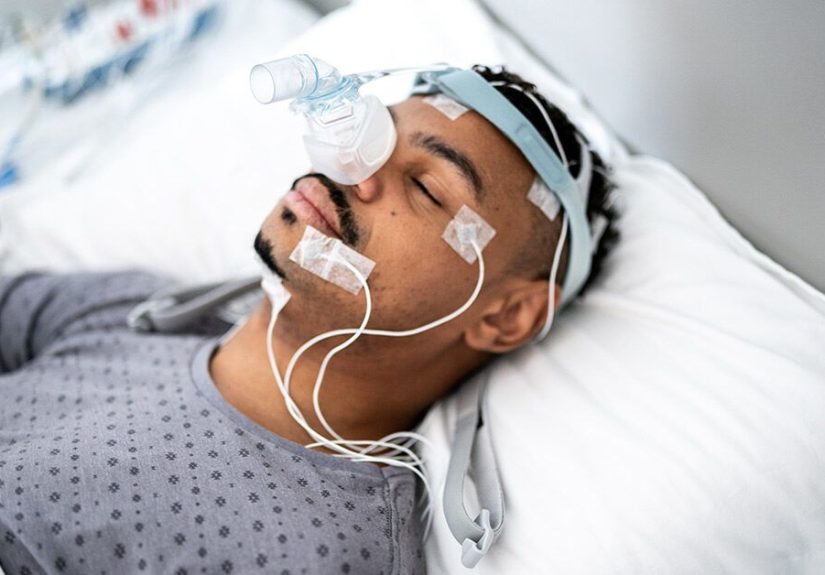
Sleep apnea is diagnosed with a sleep studyeither an in-lab polysomnogram (the full “sleep orchestra” of
sensors) or, for appropriate patients, a home sleep apnea test. Results typically include an apnea-hypopnea
index (AHI), oxygen levels, and other markers that help determine severity and guide treatment.
Evaluating Arrhythmia
Arrhythmia evaluation may include an ECG, ambulatory monitoring (Holter, patch monitor, or event monitor),
blood tests (for contributing factors like thyroid dysfunction), and imaging such as echocardiography. The goal
is to identify the rhythm type, its triggers, and whether there’s underlying structural heart disease.
Screening Is Becoming Part of Modern AFib Care
In contemporary AFib management frameworks, screening for obstructive sleep apnea is increasingly considered
reasonable because of how commonly OSA is seen in people with AFib and how it can affect rhythm outcomes. In
real-world practice, this often means brief questionnaires, symptom review, and a low threshold for a sleep
study when risk is high.
If you’re reading this and thinking, “So the next step is… talk to a clinician,” yes. This is one of those
areas where a proper diagnosis changes the entire strategy.
Treatment: Why Addressing Sleep Apnea Can Help Rhythm Control
Treating arrhythmia and treating sleep apnea are not the same thingbut they’re often connected. Think of sleep
apnea treatment as removing a recurring nightly trigger that keeps poking the heart’s electrical system with a
stick.
OSA Treatment Options
-
CPAP (continuous positive airway pressure): The best-studied therapy for OSA. It splints the
airway open to prevent apneas. -
Oral appliance therapy: For some people, a dental device that advances the jaw can reduce
airway collapse. -
Weight management and lifestyle changes: Even modest weight reduction can improve OSA in many
patients and also improves cardiovascular risk factors that affect arrhythmias. -
Positional therapy: Some people have worse OSA on their back; altering sleep position can
help in selected cases. -
Upper airway procedures or implantable therapies: In carefully selected individuals, surgical
or device-based approaches may be options.
What the Evidence Suggests (Without Overpromising)
Many observational studies associate CPAP use with better AFib rhythm outcomes (including lower recurrence
after ablation in some populations). However, research is complex: benefit can depend on adherence, patient
selection, and the type of arrhythmia outcome measured. The practical takeaway is still strong: if you have
OSAespecially moderate to severetreating it is a smart move for sleep quality and may support cardiovascular
stability.
Arrhythmia Treatment Still MattersA Lot
Managing arrhythmia may involve rate control, rhythm-control medications, catheter ablation, andwhen
indicatedstroke prevention strategies (such as anticoagulation for AFib). Treating sleep apnea is best viewed
as a complementary strategy that targets a root contributor, not a replacement for evidence-based cardiac care.
A Practical “Combo Plan” Often Works Best
The most successful approach usually looks like this:
- Confirm both diagnoses (don’t guess; measure).
- Treat OSA consistently (especially if CPAP is prescribed).
- Optimize blood pressure, weight, diabetes control, and exercise capacity.
- Use rhythm strategies tailored to the specific arrhythmia and patient goals.
- Reassess symptoms and rhythm burden over time.
Specific Examples: How This Plays Out in Real Life
Example 1: The “It Keeps Coming Back” AFib Story
A 58-year-old with high blood pressure undergoes cardioversion for AFib and feels greatuntil the irregular
rhythm returns weeks later. A deeper history reveals loud snoring, witnessed apneas, and daytime fatigue that
he chalked up to “getting older.” A sleep study confirms moderate OSA. With consistent CPAP use and
risk-factor management, rhythm-control efforts become more durable. Not magicjust fewer nightly triggers and a
healthier physiologic baseline.
Example 2: The “Nighttime Palpitations” Mystery
Someone wakes up abruptly with a racing heartbeat and a sense of air hunger. They assume it’s anxiety. A heart
monitor captures bursts of supraventricular tachycardia, but the timing is suspicious: clustered around 2–4 a.m.
A home sleep apnea test reveals frequent apneas and oxygen drops. Treating sleep apnea reduces the nighttime
surges and improves sleep continuitymaking palpitations less frequent and less terrifying.
Example 3: Slow Rhythms and Pauses During Sleep
Another person is told they have nocturnal pauses on monitoring. Before jumping to conclusions, the care team
considers sleep apnea as a contributor. After OSA treatment begins, the nighttime pauses diminish. That doesn’t
mean every pause is “from sleep apnea,” but it highlights why the sleep-heart connection can change management.
What to Ask Your Clinician (So You Don’t Leave With “Try to Relax”)
- If I have AFib or another arrhythmia, should I be screened for sleep apnea?
- Would a home sleep apnea test be appropriate for me, or do I need an in-lab study?
- If I start CPAP, how will we measure whether it’s helping (symptoms, blood pressure, rhythm burden)?
- What other risk factors can I address that influence both sleep apnea and arrhythmia?
- Do any of my medications affect sleep quality or breathing during sleep?
The best visits are collaborative. Bring symptom notes, device data if you have it, and a willingness to talk
about sleep. Yes, sleep. The thing you do every night. The thing we all pretend we’ll “catch up on” later.
Common Myths That Deserve a Gentle Retirement
Myth: “If I’m not sleepy, I can’t have sleep apnea.”
Many people with clinically significant OSA don’t feel dramatically sleepyespecially if they’ve been running
on fragmented sleep for years and consider it normal. Snoring, witnessed apneas, and cardiovascular clues can
matter just as much.
Myth: “CPAP is only about snoring.”
CPAP often reduces snoring, surebut its medical purpose is preventing airway collapse, stabilizing oxygen, and
reducing arousals and physiologic stress. The snoring benefit is just the bonus prize.
Myth: “Treating sleep apnea will automatically cure AFib.”
It usually won’t “cure” AFib by itself. But it can reduce triggers and improve the odds that rhythm strategies
work better and stick longerespecially when combined with risk-factor management.
Key Takeaways
-
Sleep apnea and arrhythmias commonly coexist because they share risk factors and influence each other through
oxygen changes, autonomic swings, and cardiovascular strain. -
AFib is the most prominent rhythm disorder linked to OSA, but bradyarrhythmias and ventricular ectopy can
also be part of the picture. -
Screening for sleep apnea is increasingly considered reasonable in people with AFib, especially when rhythm
control is difficult. -
Treating OSA (often with CPAP) improves sleep quality and may support better rhythm outcomes, though results
vary by individual and adherence. -
The strongest strategy is combined care: treat the rhythm, treat the sleep disorder, and optimize underlying
cardiovascular risk factors.
Real-World Experiences: What Living With Both Can Feel Like (and What Helps)
People who live with both sleep apnea and arrhythmias often describe a particular kind of frustration: symptoms
that feel dramatic in the moment but slippery to explain later. A nighttime episode might look like this:
you’re asleep, then suddenly you’re awakeheart thumping, a little sweaty, breathing fast, trying to figure out
whether you just had a nightmare or your body is staging a one-person percussion concert. By morning, you might
feel “mostly fine,” which makes it easier to shrug it off… until it happens again.
A common experience is mislabeling. Some people assume they have anxiety because the symptoms show up at night
and feel panicky. Others blame caffeine, stress, or “just getting older.” Meanwhile, a bed partner may notice
the more obvious clues: loud snoring, gasping, or long silent pauses. That partner becomes an accidental medical
devicean unpaid sleep monitor with strong opinions. (Pro tip: if someone tells you you stopped breathing last
night, that’s not a personality quirk. That’s data.)
When treatment begins, the emotional journey matters as much as the medical one. CPAP, for example, is famous
for having a learning curve. Early users might report dry mouth, mask discomfort, or the uncanny feeling of
trying to fall asleep with “a gentle wind tunnel” on their face. But many also describe a turning pointoften a
few weeks inwhen mornings feel less foggy, nighttime awakenings become less frequent, and the sense of “my body
is betraying me in my sleep” quiets down. Not everyone has a dramatic before-and-after, but even incremental
improvement can feel huge.
Another real-world theme is motivation. If someone starts CPAP only to “reduce snoring,”
adherence can be shaky. But when the goal is biggerfewer arrhythmia episodes, better blood pressure control,
improved stamina, and a lower-risk cardiovascular profilepeople often become more consistent. Clinicians see
this too: when patients understand the heart-sleep link, they’re more likely to treat CPAP like a therapy, not a
bedtime accessory.
People also learn to spot patterns. Arrhythmia flares may cluster when sleep is short, when weight creeps up,
when nasal congestion is bad, or when alcohol is used close to bedtime (for adults). Some notice that sleeping
on their back worsens snoring and awakenings. Others find that treating reflux, managing allergies, or using
humidification makes CPAP easiersmall tweaks that protect consistency.
Finally, there’s the relief of having a name for what’s happening. Getting diagnosed doesn’t instantly fix the
problem, but it replaces uncertainty with a plan. And for many, that’s the difference between lying awake at
3 a.m. thinking, “Is my heart okay?” and lying awake at 3 a.m. thinking, “Okay, my mask seal is leaking again.”
One of those problems is a lot more solvable at home.