Table of Contents >> Show >> Hide
- Before You Pick a Tile: The 60-Second Reality Check
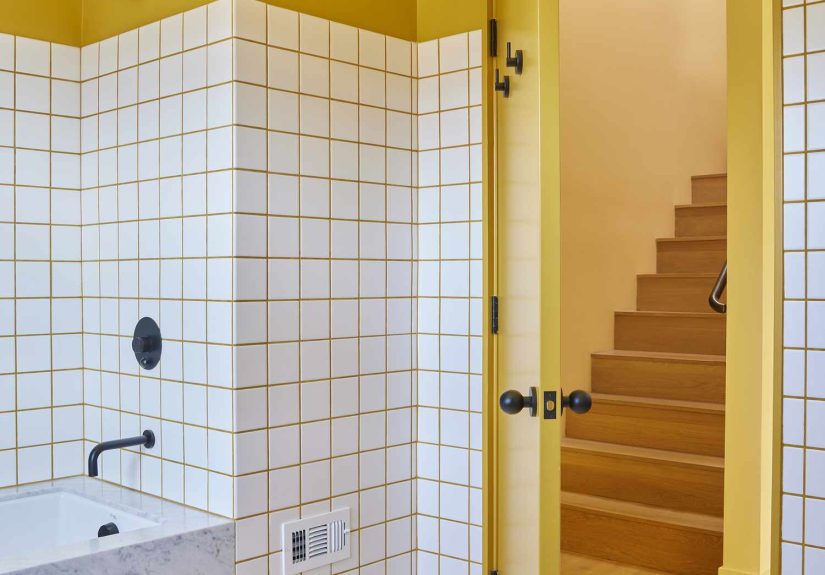
- 1) Large-Format Porcelain for a Clean, Modern “Less Grout, More Wow” Look
- 2) Vertical Stacked Subway Tile to Make Ceilings Look Taller
- 3) Herringbone on a Feature Wall for Instant “Designer” Energy
- 4) Two-Tone or Color-Blocked Tile for a Custom, Built-In Look
- 5) Zellige or Handmade-Look Tile for Shimmer, Texture, and Charm
- 6) Terrazzo-Look Porcelain for a Playful, Modern Statement
- 7) Moody Monochrome Tile for a Bold, Boutique-Hotel Shower
- 8) Mosaic Accents: Niches, Stripes, and “Just Enough Pattern” Moments
- 9) Tile Drenching: One Tile on Walls (and Sometimes the Ceiling) for a Seamless Look
- 10) Mix Matte and Glossy Finishes for Layered, High-End Contrast
- 11) Small-Format Floors (Hex or Penny Rounds) for Grip and Vintage-Modern Style
- Pulling It All Together: A Simple Way to Choose Your Shower Tile Combo
- Real-World Experiences: What Renovating a Shower with Tile Is Actually Like (and How to Enjoy It)
- Conclusion
Your shower is basically the one room in the house that sees you at your most honest: half-awake, hair doing
interpretive dance, negotiating with the universe for “just five more minutes.” So if you’re going to renovate a
bathroom, the shower deserves more than “whatever was on sale.”
The right shower tile can make a tiny bath feel taller, a dark bath feel brighter, and a plain shower feel
designerwithout you needing a celebrity budget (or a celebrity life). Below are 11 shower tile ideas that work in
real bathrooms, plus practical tips for choosing tiles that won’t betray you the first time shampoo hits the floor.
Before You Pick a Tile: The 60-Second Reality Check
Beautiful tile is great. Beautiful tile that’s hard to clean, too slippery, or installed on the wrong substrate is
a plot twist nobody asked for. Keep these quick points in mind while you browse:
-
Wall vs. floor is not the same job. Many glossy tiles look amazing on walls but can be risky on
a wet floor. For shower floors, prioritize texture and traction and confirm the tile is rated for floor use. -
Grout is part of the design. Grout color can make tile patterns pop (high-contrast) or disappear
(tone-on-tone). More grout lines can also improve traction on shower floors. -
Maintenance depends on material and finish. Porcelain is low-fuss. Natural stone can be
higher-maintenance. “Handmade-look” tiles can have charming variation that also needs thoughtful grout work. -
Waterproofing is not optional. Tile and grout aren’t the waterproofing systemyour waterproof
membrane and proper prep are. If your plan includes a steam shower or a fully tiled ceiling, your contractor
should follow the right method and materials for that level of moisture exposure. -
Lighting changes everything. A tile that looks soft and creamy in a showroom can turn icy under
cool LEDs. Get samples and view them morning and night.
1) Large-Format Porcelain for a Clean, Modern “Less Grout, More Wow” Look
If you love a sleek shower that reads calm, contemporary, and expensive (without actually being expensive),
large-format porcelain is your friend. Think 12×24, 24×48, or even biggerinstalled vertically to emphasize height
or horizontally to stretch a narrow shower.
Why it works
- Fewer grout lines means a cleaner look and less scrubbing.
- Porcelain durability holds up well in daily-use showers.
- It can mimic stone (marble, travertine, limestone) without the same upkeep.
Example: A warm white “limestone-look” porcelain in a 24×48 size with a light greige grout can
deliver spa vibes fastpair it with brushed nickel or matte black fixtures depending on your mood (and whether your
life is more “calm retreat” or “dramatic movie trailer”).
2) Vertical Stacked Subway Tile to Make Ceilings Look Taller
Subway tile is classic, but the layout is where you can quietly flex. A vertical stacked pattern (straight up and
down, edges aligned) instantly feels fresher than the traditional offset “brick” layout and naturally draws the eye
upward.
Best for
- Small bathrooms that need visual height
- Transitional, modern farmhouse, and modern minimalist styles
- Anyone who wants classic tile with a newer silhouette
Pro tip: Choose an elongated subway (like 2×8 or 3×12) to make the vertical lines even more
dramatic, and consider a grout that’s either close in color (seamless) or a few shades darker (graphic).
3) Herringbone on a Feature Wall for Instant “Designer” Energy
Herringbone is the tile pattern equivalent of a great blazer: it upgrades almost everything. Use it on one shower
walloften the back wallso the pattern feels intentional and not visually chaotic.
How to make it look polished
- Keep the color palette tight. One tile color + one grout color is usually enough.
- Let the pattern be the star. Pair with simple floors and streamlined fixtures.
- Scale matters. Smaller herringbone reads detailed; larger pieces feel bold and modern.
Example: A white ceramic 2×8 herringbone with soft gray grout behind a frameless glass door looks
crisp, especially with warm wood vanity tones nearby.
4) Two-Tone or Color-Blocked Tile for a Custom, Built-In Look
Color blocking is a smart way to add personality without turning your shower into a neon sign. Split the shower
walls horizontallylighter on top, deeper color on the bottomor choose one “hero” wall in a bolder shade.
Why homeowners love it
- It gives the shower architectural structure (even if the room itself is basic).
- It helps you tie in the vanity, floors, or paint color without matching everything.
- It feels custom but can be done with budget-friendly tile.
Pro tip: Align grout joints where the colors meet so the transition looks intentional. A tiled
accent ledge or trim can also “frame” the shift.
5) Zellige or Handmade-Look Tile for Shimmer, Texture, and Charm
If you’ve ever stared at a slightly imperfect tile and thought, “This feels alive,” you’re probably a zellige fan.
Handmade and handmade-look tiles have variation in glaze and edges that catch light in a way machine-perfect tile
can’t replicate.
Where it shines
- Shower walls where light can bounce and highlight the glaze variation
- Small bathrooms that need brightness and depth without busy patterns
- Design styles like Mediterranean, modern organic, or eclectic
Watch-out: Because these tiles can vary, installation is more of an art project than a math
problem. A skilled installer and thoughtful grout choice matter a lot.
6) Terrazzo-Look Porcelain for a Playful, Modern Statement
Terrazzo is basically confetti that grew up and got a design degree. The good news: terrazzo-look porcelain can
give you that upbeat speckled style with easier maintenance than some traditional mixes.
Design ideas
- Use terrazzo-look tile on the shower floor and keep walls simple.
- Go terrazzo on a single feature wall and repeat one fleck color elsewhere (towels, vanity paint, art).
- Choose a small-scale terrazzo pattern for a subtle look that won’t overwhelm.
Pro tip: Terrazzo patterns read differently from a distanceview a larger sample if possible to
make sure the “speckle density” feels right for your space.
7) Moody Monochrome Tile for a Bold, Boutique-Hotel Shower
Dark showers can feel stunning and cozylike a luxury hotel where the towels are mysteriously softer than
everything you own. Deep green, charcoal, navy, and black tile can look dramatic without being loud.
Make it work in everyday life
- Use the right lighting. Warm, layered light keeps dark tile from feeling cave-like.
- Pick finishes carefully. Matte or satin can hide water spots better than high gloss.
- Consider tone-on-tone grout. It keeps the look sleek and modern.
Example: A deep forest green 4×4 square tile with matching grout, paired with brass fixtures,
creates a rich, timeless vibe that’s bold but not trendy in a disposable way.
8) Mosaic Accents: Niches, Stripes, and “Just Enough Pattern” Moments
You don’t have to tile every inch in a statement pattern to get a statement. A mosaic in the niche, a vertical
stripe, or a band around the shower can add detail without overwhelming the room.
Places mosaic works beautifully
- Shower niche (the easiest “feature” to commit to)
- Back wall panel framed by field tile
- Bench face or the front of a curb
Pro tip: If your main tile is large-format, mosaic is also practical on shelves and niches where
cutting big tile gets tricky.
9) Tile Drenching: One Tile on Walls (and Sometimes the Ceiling) for a Seamless Look
“Tile drenching” is the design move where you commit to one tile across multiple surfaces so the shower feels
wrapped, cohesive, and intentionally spa-like. It can be especially effective in walk-in showers and wet-room style
bathrooms.
How to keep it from feeling too intense
- Use a calm color and let texture do the talking.
- Choose a tile with gentle variation (subtle veining or handmade-look glaze).
- Break it up with a contrasting floor or a niche in a complementary tile.
Watch-out: Tiling the ceiling or creating a wet-room look increases the importance of proper
waterproofing and ventilation. Plan that part before you plan the aesthetic.
10) Mix Matte and Glossy Finishes for Layered, High-End Contrast
You can keep your palette neutral and still make it interesting by mixing finishes. For example: a glossy wall tile
to reflect light and a matte floor tile for a grounded, slip-conscious surface.
Easy combinations that look intentional
- Glossy white walls + matte stone-look floor
- Matte “concrete-look” walls + glossy accent strip
- Satin walls + textured mosaic floor
Pro tip: Keep the undertones consistent. If your wall tile is a warm white, don’t pair it with a
super cool gray floor tile unless you truly want that contrast.
11) Small-Format Floors (Hex or Penny Rounds) for Grip and Vintage-Modern Style
Shower floors have one main job: keep you upright. Small-format tileslike hex mosaics or penny roundscreate lots
of grout lines, which can help traction and water management on a sloped floor (because yes, your shower floor
should slope to the drain).
Why this idea keeps coming back
- It’s practical for shower pans where slope and curves require flexibility.
- It adds pattern and texture without requiring bold color.
- It pairs well with nearly any wall tile style.
Example: White penny rounds with a medium-gray grout can look classic and also hide everyday
shower-life better than bright white grout (because shampoo is sneaky).
Safety note: No tile is “slip-proof.” Look for tiles rated for wet floor use and choose finishes
that prioritize tractionespecially if kids or older adults use the shower.
Pulling It All Together: A Simple Way to Choose Your Shower Tile Combo
If your brain is now a Pinterest board with legs, here’s a calming framework:
- Pick the “quiet” tile first: usually the main wall tile.
- Choose the “workhorse” tile next: the shower floor (traction + cleanability first).
- Add one “personality” moment: a niche mosaic, a feature wall pattern, or a color-block.
- Decide grout like it’s paint: sample it, view it in your lighting, and remember it’s forever-ish.
Your goal isn’t to chase every trend. It’s to build a shower that fits your home, your habits, and your tolerance
for maintenancewhile making you a tiny bit happier every time you turn on the water.
Real-World Experiences: What Renovating a Shower with Tile Is Actually Like (and How to Enjoy It)
On paper, choosing shower tile sounds simple: pick something pretty, install it, and cue the spa music. In real
life, the experience tends to be a mix of excitement, decision fatigue, and the sudden realization that grout is a
bigger character in your story than you expected.
One of the most common “aha” moments people have is discovering that tile doesn’t live alone. It
lives next to a vanity finish, a paint color, a light bulb temperature, and a shower door frameeach one influencing
how that tile reads. That’s why a small stack of samples is so powerful. Many homeowners find it helpful to prop
samples vertically (the way they’ll sit on the wall) and look at them in the morning, at night, and with the shower
light on. A warm white can look creamy and cozy at 9 a.m., then slightly yellow at 9 p.m. under warm bulbs. A cool
gray can look crisp in daylight and a bit blue in shadow. This isn’t the tile being “wrong.” It’s the room finally
showing you the truth.
Another shared experience: falling in love with a patternherringbone, stacked vertical, stripes
and then realizing patterns require planning. Layout affects where cuts land, whether corners align, and how the eye
moves. People are often happiest when the pattern is treated like a design feature, not an afterthought. That can
mean centering a feature wall so the pattern looks balanced, deciding where the pattern stops (like at the shower
opening), and thinking ahead about niches and plumbing locations so they don’t interrupt the “pretty part” in an
awkward way.
Then there’s grout, the unsung hero (and occasional villain). Many renovation experiences include a moment of panic
when grout goes in and everything looks darker or more dramatic than expected. Grout typically lightens as it cures,
but the bigger lesson is that grout color should be chosen with intention. People who want a calm, spa-like shower
often prefer grout close to the tile color. People who want a crisp, graphic look lean into contrast. For shower
floors, many find that slightly deeper grout is more forgiving day-to-daybecause a shower is for living, not for
museum-level preservation.
Practicality shows up fast with shower floors, too. Small-format mosaics often feel reassuring because they adapt to
slope and provide texture underfoot. People who choose super-smooth or super-glossy floors sometimes end up wishing
they’d prioritized traction more. This is where “beautiful” and “smart” can be the same choice: textured porcelain,
matte finishes, and mosaic layouts can look intentional and also help you feel steady.
Finally, the best renovation experiences tend to include a mindset shift: instead of chasing a “perfect” tile, aim
for a cohesive system. A great shower is the combination of thoughtful materials, solid prep,
appropriate waterproofing, and a design that matches your routine. When everything works together, you get the real
luxury: a shower that looks amazing, feels great, and doesn’t demand constant babysitting. That’s the kind of
upgrade you’ll appreciate long after the “new renovation smell” fades.
Conclusion
The best shower tile ideas aren’t just about what looks good in a photothey’re about what looks good at 7 a.m. when
the mirror is foggy and life is moving fast. Whether you’re drawn to large-format porcelain, vertical stacked subway
tile, a herringbone feature wall, or a shimmer of zellige, aim for a shower that balances style with real-world
function. Pick a main tile you won’t get tired of, choose a safe and durable floor, and add one personality moment
that makes the space feel like yours.