Table of Contents >> Show >> Hide
- What Are Heat Cramps?
- Why Do Heat Cramps Happen?
- Heat Cramps Symptoms
- Heat Cramps Treatment: What to Do Right Now
- Heat Cramps Prevention
- Heat Cramps, Heat Exhaustion, and Heat Stroke: The Heat Illness Spectrum
- FAQs About Heat Cramps
- Real-World Experiences With Heat Cramps (What People Commonly Report)
- 1) “It hit on the last hill, and my leg turned into a board.”
- 2) “I was working outside all morningthen the cramps started after lunch.”
- 3) “My kid cramped up at practice and got scared.”
- 4) “I thought I was hydrated… because I drank a ton of water.”
- 5) “Now I have a heat planand I feel in control.”
One minute you’re mowing the lawn, running “just one more mile,” or working a summer shift like a champ.
The next minute your calf grabs your leg like it’s trying to win a wrestling match. Welcome to heat cramps
the body’s not-so-subtle way of saying, “Hey. Cool it. Literally.”
Heat cramps are common, usually treatable at home, and often mildbut they matter because they can be an early warning sign
that your body is struggling with heat stress. Let’s break down what heat cramps are, how to treat them fast, when to worry,
and how to prevent them from crashing your summer plans.
What Are Heat Cramps?
Heat cramps are painful muscle spasms or tightening that can happen during or after physical activity in hot (or hot and humid)
conditions. They’re considered a mild heat-related illness, but they often show up in the same neighborhood as
heat exhaustionand sometimes they’re the first “knock on the door.”
Where do heat cramps happen?
They can hit almost any muscle you’re using hard, but they commonly show up in:
- Calves
- Thighs
- Arms and shoulders
- Abdomen (yes, your stomach muscles can cramprude)
- Back
Heat cramps vs. “regular” cramps
Not all cramps are heat cramps. You can cramp from muscle fatigue, dehydration, electrolyte shifts, poor conditioning,
pregnancy, medications, or sometimes for no obvious reason at all (thanks, biology).
Heat cramps are more likely when cramping happens alongside heavy sweating, heat exposure, and exertion.
Why Do Heat Cramps Happen?
Heat cramps are linked to heavy sweating and the body’s attempt to keep your internal temperature stable.
Sweating cools you downbut it also means you’re losing fluid and electrolytes.
The electrolyte story (spoiler: sodium is a big deal)
People often blame cramps on low potassium (hello, banana marketing). Potassium matters for muscle function, sure.
But in heat-related cramping, sodium loss from sweat can be a major driverespecially for athletes and workers
who sweat heavily for long periods.
That’s why treatment and prevention often emphasize fluids plus electrolytes (or fluids plus food),
not just chugging plain water like it’s a contest.
Common risk factors
- High heat or humidity (humidity makes sweating less effective)
- Intense exercise or heavy labor, especially in direct sun
- Not being acclimatized (your body needs time to adjust to working out/working in heat)
- Heavy clothing or protective gear that traps heat
- Dehydration or not replacing fluids during long sessions
- High sweat rate or being a “salty sweater” (white salt marks on clothes/skin)
- Certain medications (for example, some diuretics can affect fluid/electrolyte balance)
- Health conditions that make heat harder to handle (talk with a clinician for personal guidance)
Heat Cramps Symptoms
Heat cramps are mostly about the muscles, but your body often sends a few extra hints that heat stress is building.
Typical symptoms
- Painful muscle spasms or tightening (may come in waves)
- Heavy sweating
- Thirst
- Fatigue or feeling “spent”
Red flags: when it may be more than heat cramps
Heat cramps can overlap with heat exhaustion. And heat exhaustion can progress to heat stroke, which is an emergency.
Get urgent medical help if you notice:
- Confusion, fainting, or severe dizziness
- Severe headache
- Vomiting that won’t stop
- Hot, altered skin (especially if sweating changes dramatically)
- Rapid worsening symptoms or inability to cool down
Heat Cramps Treatment: What to Do Right Now
The goal is simple: stop the heat load, replace fluids, and help the muscle relax.
Most heat cramps improve with prompt self-care.
A quick, practical step-by-step plan
- Stop activity. Don’t “push through” crampsyour body is already negotiating with gravity.
- Move to a cooler place (shade, air conditioning, fan, cool room).
- Cool down: loosen clothing, apply cool cloths, and let your breathing settle.
-
Rehydrate धीरे… slowly (yes, your stomach has an opinion):
sip water and consider a sports drink or salty snack if you’ve been sweating heavily. - Gently stretch the affected muscle and try light massage.
- Rest. Avoid strenuous activity for a few hours after cramps resolve.
What should you drink for heat cramps?
Many people do well with water plus food (a snack that contains some salt and carbohydrates) or an
electrolyte drinkespecially if heavy sweating continues.
- Water: great baseline choice.
- Sports drinks: can help replace electrolytes and carbs during prolonged sweating.
- Oral rehydration solutions: useful if you’re dehydrated, especially with lots of sweating.
- Salty snacks: pretzels, soup, crackerssimple options that pair well with water.
Avoid taking random “salt shots” or salt tablets unless a clinician has specifically advised you.
Too much sodium too fast can cause stomach upset, and the right approach depends on your health history.
When to get medical help
Seek medical advice promptly if:
- You have heart problems, kidney disease, or are on a low-sodium diet
- Cramps persist after rest and rehydration (especially beyond 1–2 hours)
- You get heat cramps repeatedly (it may signal a hydration/electrolyte strategy issue or another condition)
- Symptoms escalate toward heat exhaustion (significant weakness, dizziness, nausea, fainting)
Heat Cramps Prevention
Heat cramps are often preventable. The best strategy is a mix of hydration, smart pacing, and heat management.
Think of it as “summer safety” with fewer surprises from your hamstrings.
1) Build heat tolerance gradually (acclimatization)
If you’re returning to outdoor work or training after time away, your body needs time to adapt.
Ease in over 1–2 weeks: shorter sessions, lighter intensity, more breaks. New workers and returning workers are especially at risk
during the first days back in the heat.
2) Hydrate with a plan (but don’t overdo it)
A reasonable approach for many active people is to drink regularly and pay attention to thirst, sweat rate,
and duration. For long, sweaty sessions, combine fluids with electrolytes (or fluids plus food).
- Before: start well-hydrated (pale yellow urine is a common practical cue).
- During: sip consistently; consider electrolytes if sweating is heavy/prolonged.
- After: replace fluids and eat a balanced meal to restore electrolytes.
Note: drinking excessive water without replacing electrolytes during prolonged heavy sweating can contribute to low sodium
(hyponatremia). If you’re doing endurance events, ask a sports medicine professional about a personalized plan.
3) Time it right and reduce heat load
- Exercise or do heavy work in the early morning or later evening when possible.
- Use shade, fans, and cooling towels.
- Wear lightweight, loose-fitting clothing when appropriate for the activity and safety requirements.
- Schedule rest breaks more often as heat rises.
4) Fuel matters
Skipping meals and relying on caffeine alone is a classic recipe for feeling awful in the heat.
Regular meals help replace electrolytes. If you’re training hard or working long shifts, include snacks with
carbohydrates and some sodiumespecially if you’re sweating heavily.
5) Know your personal risk
Kids, older adults, and people with certain health conditions can be more vulnerable to heat stress.
Some medications can also affect hydration and heat tolerance. If you’re unsure, talk with a clinicianespecially before
intense heat exposure or endurance exercise.
Heat Cramps, Heat Exhaustion, and Heat Stroke: The Heat Illness Spectrum
Heat-related illness is often described as a spectrum:
- Heat cramps: painful spasms, often with heavy sweating.
- Heat exhaustion: more systemic symptoms like weakness, dizziness, headache, nausea, and heavy sweating.
- Heat stroke: a life-threatening emergency with severe overheating and mental status changes.
If someone looks confused, collapses, or can’t cool down, treat it as urgent and get emergency help.
When in doubt, it’s better to overreact than underreactheat stroke can escalate quickly.
FAQs About Heat Cramps
Are heat cramps dangerous?
Heat cramps are usually mild and improve with rest, cooling, and fluids. But they can be a warning sign that heat stress is building.
If you ignore them and keep pushing, you may increase your risk of heat exhaustion or worse.
Should I eat a banana for heat cramps?
Bananas can be part of a healthy recovery snack, but heat cramps aren’t always about potassium.
For many people sweating heavily in the heat, sodium and fluid replacement is the more urgent fix.
Do I need electrolyte drinks every time?
Not always. For shorter or lower-sweat activities, water is often enough. If you’re sweating heavily for a long time,
electrolytes (or water plus food) can be more helpful.
Can I go back to exercise or work right after cramps stop?
It’s smarter to take a longer break. Even when the cramp releases, your body may still be heat-stressed.
Rest and avoid strenuous activity for a few hours when possibleespecially if the day is still hot.
Real-World Experiences With Heat Cramps (What People Commonly Report)
The tricky part about heat cramps is that they rarely announce themselves with a polite calendar invite. They show up mid-task,
mid-game, mid-everything. Below are realistic, common experience patterns people describeshared here to help you recognize the moment
sooner and respond smarter. (No, you’re not “being dramatic.” A calf cramp can make a grown adult negotiate with a lawn chair.)
1) “It hit on the last hill, and my leg turned into a board.”
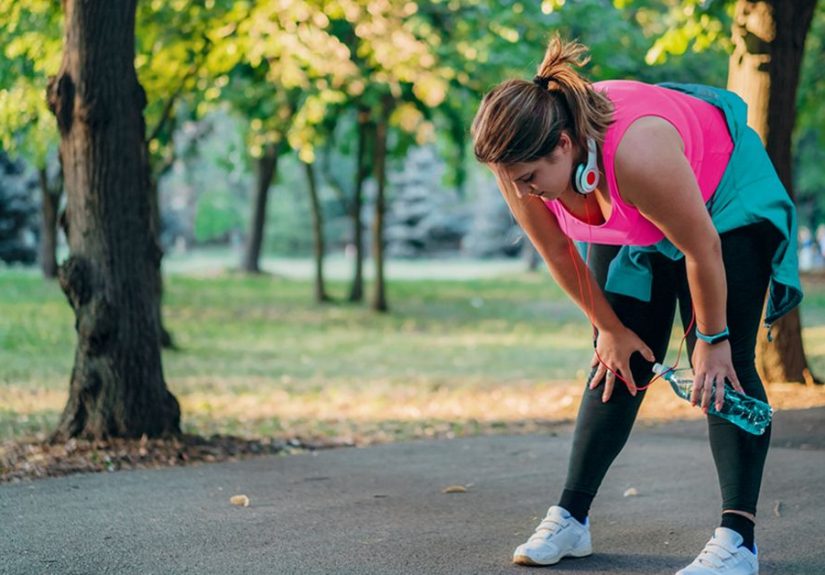
Runners often report heat cramps near the end of a workoutwhen sweat loss has been quietly piling up and effort peaks.
A common story: the pace felt fine early on, but the humidity was brutal. By mile four, the runner is sweating heavily,
taking only a few sips of water, and pushing a little harder to “finish strong.” Then the calf locks up.
What helps in these situations is stopping immediately, moving to shade, sipping fluids steadily, and using gentle stretching.
Many people learn the hard way that “one more mile” in high heat is less motivational quote and more audition for a cramp.
2) “I was working outside all morningthen the cramps started after lunch.”
Outdoor workers commonly describe cramps after hours of steady labor, especially when breaks are short and gear is heavy.
Even if you’re drinking water, you may still be losing enough sodium through sweat that muscles start misbehaving.
People often say the cramps feel like a deep knot that won’t relax, sometimes hitting the arms, hands, or abdomen.
The lesson many workers share: water is necessary, but for long, sweaty shifts, pairing fluids with food (including some salt)
can make a noticeable difference. Another frequent takeaway is the value of scheduled breaksbecause waiting until you “feel bad”
is like waiting until your phone hits 1% battery to find a charger.
3) “My kid cramped up at practice and got scared.”
Coaches and parents often report that kids don’t always notice early heat stress signs until a cramp suddenly takes over.
The child may be sweating a lot, moving slower, or looking flushedthen complains of intense leg pain.
What tends to work well is quick cooling (shade, fan, cool cloth), calm reassurance, and slow sips of water or an electrolyte drink.
Families often decide to change routines after this: more water breaks, lighter clothing, earlier practice times, and a rule that no one
is “toughing it out” through cramps. Kids learn fast when they see that adults take their symptoms seriously.
4) “I thought I was hydrated… because I drank a ton of water.”
This is a surprisingly common experience, especially among people training for endurance events.
Some describe drinking lots of plain water and still crampingor feeling oddly weak and headachy.
The key insight is that hydration isn’t just about volume; it’s also about balance. If sweating is heavy and prolonged,
electrolytes and carbs can matter. Many athletes experiment (carefully) with strategies like sports drinks during longer sessions,
salty snacks, and paying attention to sweat rate. The win is not “drink the most water,” it’s “replace what you’re losing, in a way
your stomach tolerates.”
5) “Now I have a heat planand I feel in control.”
The best “after” stories are the ones where people stop getting blindsided. They keep a bottle nearby, plan breaks,
check the heat index, and treat acclimatization like trainingnot an inconvenience. A simple heat plan might be:
(1) start hydrated, (2) sip consistently, (3) add electrolytes or salty food during long sweat-heavy sessions,
(4) schedule shade breaks, and (5) stop immediately at the first cramp. People often report that once they follow a routine,
cramps become rareand summer feels fun again instead of like a competitive sport called “Survive the Sidewalk.”