Table of Contents >> Show >> Hide
- Quick Answer: NoBaking Soda Isn’t a Bed Bug Killer
- Why the Baking Soda Myth Won’t Die (Unlike the Bed Bugs)
- First, Make Sure It’s Actually Bed Bugs
- The Pro Approach: Integrated Pest Management (IPM)
- Step-by-Step: How to Get Rid of Bed Bugs (What Actually Works)
- Step 1: Stop the spread
- Step 2: Use heat the easy waylaundry and the dryer
- Step 3: Vacuum like you mean it (then dispose safely)
- Step 4: Encase the mattress and box spring
- Step 5: Add monitoringinterceptors and traps
- Step 6: Use steam for seams and cracks
- Step 7: Consider cold treatment for small items
- Step 8: Seal hiding places
- What About Pesticides and “Bed Bug Powders”?
- When to Call a Professional (And What to Ask)
- Prevention: How to Avoid Round Two
- So… What Should You Do With Baking Soda?
- Real-World Experiences: What People Learn the Hard Way (and Then Win)
If you’ve ever found yourself staring at your mattress at 2 a.m. thinking, “What if I just sprinkle baking soda on everything and call it a day?”
you’re not alone. Bed bugs have a special talent for turning calm, reasonable people into midnight scientists with a shaker jar and a dream.
Unfortunately, bed bugs don’t care about your kitchen pantry.
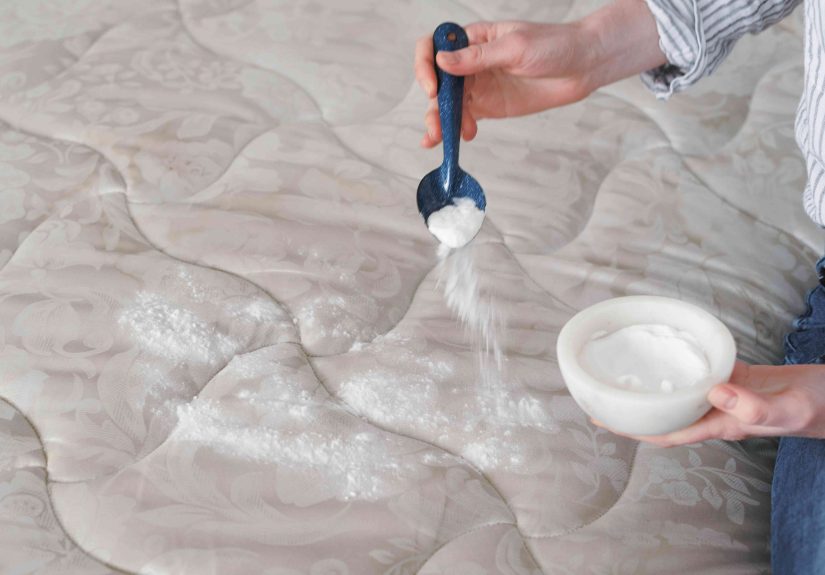
So, does baking soda kill bed bugs? In real-world terms: no, not reliably. It’s one of those DIY ideas that sounds believable
(“It dries things out!”) but falls apart when it meets a pest that hides deep in cracks, feeds on blood (not crumbs), and laughs at half-measures.
The good news: there are proven ways to beat themwithout turning your home into a baking aisle crime scene.
Quick Answer: NoBaking Soda Isn’t a Bed Bug Killer
Baking soda (sodium bicarbonate) is great for deodorizing sneakers and rescuing science fair volcanoes. But as a bed bug treatment, it’s more
“confidence booster” than “infestation ender.”
The common theory is that baking soda “dehydrates” bed bugs. The problem is that bed bugs don’t wander around long enough in open areas for
powder experiments to matter. They spend most of their time tucked into seams, joints, screw holes, baseboards, and tiny crevicesplaces where
baking soda won’t reach unless you personally interview every crack in the room.
Even if a few bugs crawl through it, baking soda does not have a strong track record of killing them, and it won’t solve the biggest issue:
eggs and hidden bugs. That means the infestation can quietly keep going while you’re busy vacuuming white powder off your headboard.
Why the Baking Soda Myth Won’t Die (Unlike the Bed Bugs)
1) Bed bugs don’t eat it
Baking soda works in some household “hacks” because it interacts with moisture, odors, or surfaces. Bed bugs aren’t nibbling your baking soda
like it’s a snack mix. They feed on blood. If the treatment relies on them ingesting something, it’s already in the wrong lane.
2) “Drying them out” is harder than it sounds
Some insect control products work by drying pests out, but they’re formulated and applied in ways that create consistent contact. Baking soda is
not designed as a pesticide, and casual sprinkling doesn’t create the kind of targeted, sustained exposure you need against an insect that hides
like it’s playing professional-level hide-and-seek.
3) Bed bugs hide where powders don’t travel
Bed bugs squeeze into spaces about the thickness of a credit card. If your “plan” is a light dusting on the mattress top, you’re basically
treating the one place they’re least likely to hold meetings.
4) It can waste timeand time helps bed bugs
Bed bugs reproduce quickly, and a delay can turn a manageable problem into a bigger one. The longer you rely on low-impact DIY myths,
the more likely you’ll be dealing with multiple rooms, more hiding spots, and more follow-up treatments.
First, Make Sure It’s Actually Bed Bugs
Before you declare war, confirm the enemy. Misidentifying pests is common and can lead to wasted effort (and unnecessary stress).
Bed bugs are small, flat, and reddish-brown. They hide near where people sleep or rest.
Signs that point to bed bugs
- Dark specks on sheets or mattress seams (often described as ink-like stains)
- Shed skins (tiny, pale “shells” as they grow)
- Eggs (small, whitish, often tucked into seams and cracks)
- Live bugs in mattress seams, bed frames, headboards, baseboards, or nearby furniture
- Bites can happen, but skin reactions varysome people don’t react much at all
If you’re unsure, local cooperative extension resources, public health info, or a licensed pest management professional can help confirm
what you’re dealing with.
The Pro Approach: Integrated Pest Management (IPM)
Professionals and public health agencies often recommend an Integrated Pest Management (IPM) strategymeaning you combine
multiple methods (physical removal, heat/cold, monitoring, targeted products when appropriate) instead of relying on one “magic” solution.
IPM works for one simple reason: bed bugs are stubborn. You win by stacking the odds in your favor, step by step.
Step-by-Step: How to Get Rid of Bed Bugs (What Actually Works)
Step 1: Stop the spread
- Reduce clutter so there are fewer hiding spots.
- Bag up infested or suspicious items in sealed plastic bags or bins before moving them.
- Avoid dragging bedding or clothes through the homebed bugs love a free ride.
Step 2: Use heat the easy waylaundry and the dryer
Heat is one of the most reliable bed bug killers you can use at homeespecially for fabrics. Wash what you can, but remember:
the dryer on high heat is often the real hero because it delivers sustained heat.
- Dry bedding, clothes, and washable fabrics on the hottest appropriate setting.
- After travel or exposure, drying items can reduce the risk of bringing bed bugs into your home.
- For items you can’t wash, a dryer-only cycle (if safe for the material) may still help.
Step 3: Vacuum like you mean it (then dispose safely)
Vacuuming won’t solve an infestation alone, but it’s excellent for reducing bug numbers and removing some hiding-stage insects. Focus on:
- Mattress seams and piping
- Bed frame joints and screw holes
- Baseboards, carpet edges, cracks and crevices
- Upholstered furniture seams (especially if you nap thereno judgment)
Immediately seal and discard the vacuum contents (or empty the canister carefully into a sealed bag) so you don’t create a “bed bug sequel”
inside your vacuum.
Step 4: Encase the mattress and box spring
A quality mattress and box spring encasement makes inspections easier and traps any bugs inside so they eventually die.
It also removes many of their favorite hiding spots (those cozy seams).
Step 5: Add monitoringinterceptors and traps
Bed bug interceptors (placed under bed and furniture legs) help you learn whether bugs are still active and can reduce bites while you treat.
Monitoring matters because bed bug control often takes weeks to months, not “one dramatic weekend.”
Step 6: Use steam for seams and cracks
Steam can kill bed bugs in fabric and cracks when applied correctly. The key is slow, deliberate application along seams and crevicesfast passes
are basically giving bed bugs a warm breeze and a warning.
- Use steam on mattress seams, bed frames, headboards, baseboards, and upholstered furniture seams.
- Move slowly so the heat penetrates hiding spots.
- Be careful: steam can damage finishes and some fabrics.
Step 7: Consider cold treatment for small items
Freezing can work for items you can’t wash, but it depends on achieving and maintaining sufficiently cold temperatures for long enough.
Use sealed bags to prevent moisture issues and cross-contamination.
Step 8: Seal hiding places
Caulking cracks and crevices (especially along baseboards and where trim meets walls) reduces hiding spots and forces bugs into the open where your
other methods can reach them.
What About Pesticides and “Bed Bug Powders”?
Chemical control can be part of an IPM plan, but bed bugs are notorious for resistance issues, and pesticide misuse can be dangerous. If you use
any product, choose one specifically labeled for bed bugs and follow directions exactly.
Desiccant dusts: the “dry them out” method that actually exists
Some products work by drying bed bugs out (desiccants). These can be effective in certain situations, but they may take time. Also, not every dusty
powder in your house belongs in your bedroom.
- Use only products registered and labeled for bed bug control.
- Avoid using “food grade” or pool-grade powders that are not labeled as pesticides for bed bugs.
- Apply exactly as directedmore is not better.
Skip the foggers (“bug bombs”) as a main strategy
Foggers generally don’t reach the cracks and crevices where bed bugs hide, and they can create health and safety risks if misused. They can also
complicate control if bugs scatter deeper into hiding.
Never use dangerous, flammable DIY chemicals
It’s worth saying plainly: do not use flammable liquids or unsafe home chemical “recipes.” Aside from being risky, many of these approaches are
ineffective and can cause harm.
When to Call a Professional (And What to Ask)
If you’re seeing bugs in multiple rooms, if you live in an apartment building, or if you’ve tried the basics and the problem keeps returning,
it may be time for a licensed pest management professional.
Questions that separate the pros from the “spray-and-pray” crowd
- How will you confirm bed bug activity and map the infestation?
- Do you use IPM (multiple methods), not just one product?
- How many visits are typical for a full treatment plan?
- What prep steps do you need me to do (laundry, decluttering, moving furniture)?
- What monitoring will we use to confirm success (interceptors, follow-up inspections)?
Professional heat treatments can be effective, but they still require prevention afterwardbecause bed bugs can be reintroduced the same way they
arrived: travel, visitors, shared walls, or used items.
Prevention: How to Avoid Round Two
Travel smart
- Inspect hotel beds quickly: pull back sheets near corners and seams.
- Keep luggage elevated and away from beds.
- When you get home, dry travel clothes on high heat when appropriate.
Be cautious with secondhand furniture
- A “free couch” can become the most expensive free thing you’ve ever owned.
- If you buy used, inspect seams, joints, and hidden areas carefully before bringing items inside.
Make monitoring a habit after treatment
Even after you think they’re gone, continue periodic checks. Early detection turns a big problem into a small one.
So… What Should You Do With Baking Soda?
Keep it where it shines: the kitchen, the fridge deodorizer box, and the occasional science project. If you’re battling bed bugs, focus your time
and energy on methods that target how bed bugs actually behave: hiding in cracks, riding on belongings, and surviving sloppy, single-step treatments.
In other words: bed bugs don’t fear baking soda. But they do fear heat, steam, encasements, vacuuming, monitoring, and a consistent plan.
Real-World Experiences: What People Learn the Hard Way (and Then Win)
People’s experiences with bed bugs tend to follow a predictable storyline: denial, frantic Googling, questionable DIY experiments, and then
finally the moment they discover that consistency beats chaos.
The “I sprinkled baking soda and nothing happened” phase
Many folks start with baking soda because it feels safe, cheap, and oddly satisfyinglike you’re seasoning the problem away. Some people even
report seeing fewer bites for a day or two and assume it’s working. What’s usually happening is less exciting: bed bugs shift where they feed,
people react differently to bites over time, or the bugs are still present but harder to spot. The infestation keeps rolling because baking soda
doesn’t reach the true hiding places and doesn’t address eggs.
The “Wait… they’re not just on the mattress?” realization
A common turning point is when someone finds evidence in the bed frame joints, behind the headboard, along baseboards, or in a nearby chair.
That’s when the plan changes from “treat the bed” to “treat the room.” People often describe this as the moment they stopped doing random tactics
and started doing a system: bag items, reduce clutter, isolate the bed, vacuum seams, and track activity with interceptors.
The laundry-and-dryer marathon
If bed bugs had a nemesis with a household power cord, it would be the dryer. People who get traction usually say the same thing:
“I didn’t realize how much of this is laundry and logistics.” The winning routine looks boringbut it works: hot drying bedding and clothes,
sealing cleaned items in bins or bags so they don’t get re-infested, and repeating on a schedule. It’s not glamorous, but it’s effective,
especially when combined with vacuuming and encasements.
Encasements and interceptors: the “finally I can sleep” combo
A lot of people describe encasing the mattress and box spring as the first time they felt in control again. It doesn’t instantly erase an
infestation, but it removes favorite hiding spots and makes inspections less like archaeology. Interceptors under bed legs are another
sanity-saver: you can actually see whether bugs are still trying to climb up, and you’re not relying on bites as your “data.”
The steam learning curve
Steam is one of those tools people either love or misuse at first. A common mistake is going too fast. People who succeed usually mention slowing
down and focusing on seams and crevicestreating the bed frame like it’s a detailed craft project rather than a quick cleanup. They also learn to
be careful with delicate finishes and fabrics. Steam becomes part of the rotation: treat, monitor, repeat.
The professional help decision
For many householdsespecially multi-unit buildingsthe “win” comes when they stop feeling like they need to do everything alone.
People often say they called a professional after realizing the infestation had spread rooms, or after repeat sightings despite good effort.
The biggest takeaway from successful pro jobs is that bed bug control is usually a process, not a single visit. The best outcomes
happen when the resident prep (laundry, decluttering, isolating) matches the technician’s treatment plan, and follow-ups are scheduled rather than
“we’ll see what happens.”
The lasting lesson
The most helpful real-life insight is also the least exciting: bed bugs are beatable when you stay consistent, stack methods, and track progress.
Baking soda feels like a shortcut. But the people who actually get rid of bed bugs learn the same truth:
no shortcutsjust smart steps done repeatedly.