Table of Contents >> Show >> Hide
- What a “GERD Diet” Actually Means (Spoiler: It’s Not One Official Menu)
- The 3 Levers That Matter Most: What, How, and When You Eat
- Foods That Usually Play Nice with Acid Reflux
- Common Trigger Foods (and Why They Mess with Heartburn)
- How to Find Your Triggers Without Living on Plain Rice Forever
- Smart Swaps: Keep the Flavor, Lose the Fire
- A Simple 1-Day GERD-Friendly Meal Plan (Adjust as Needed)
- Reflux-Friendly Grocery List (Easy Mode)
- When Food Isn’t Enough (and When to Get Help)
- Conclusion: Build a GERD Diet That You Can Actually Live With
- Experiences: What Managing GERD Often Feels Like in Real Life (About )
Heartburn has a special talent: it shows up right when you’re trying to relax, then sits in your chest like a tiny dragon
practicing its fire-breathing routine. If you deal with GERD (gastroesophageal reflux disease), you already know the drill:
the wrong meal at the wrong time can turn “dinner” into “regret.”
The good news: a GERD diet isn’t a punishment diet. It’s more like a “choose-your-own-adventure” plan where your goal is
simpleeat in a way that keeps stomach acid where it belongs. The best approach is practical, flexible, and tailored to your
triggers (because yes, your friend can drink iced coffee at midnight and be fine, and yes, that’s unfair).
Quick note: This article is for general education, not a medical diagnosis. If your symptoms are frequent, worsening,
or you have red-flag symptoms (trouble swallowing, vomiting blood, black stools, unexplained weight loss, persistent chest pain),
get medical care promptly.
What a “GERD Diet” Actually Means (Spoiler: It’s Not One Official Menu)
“GERD diet” is a helpful phrase, but it can be misleading. There isn’t one universal list of “good” and “bad” foods that works for
everyone. Reflux is influenced by:
- Lower esophageal sphincter (LES) behavior (the “valve” between stomach and esophagus)
- Stomach pressure (big meals, tight clothing, bending after eating)
- Stomach emptying speed (fatty meals tend to hang around longer)
- Acid irritation (some foods are more acidic or more irritating to an already-inflamed esophagus)
A reflux-friendly diet focuses on foods and habits that are less likely to relax the LES, less likely to increase
stomach pressure, and less likely to irritate sensitive tissue.
The 3 Levers That Matter Most: What, How, and When You Eat
1) What you eat: prioritize lower-fat, higher-fiber, less acidic choices
Many people do better when meals are moderate in fat, rich in fiber, and built from mostly whole foods.
Fiber can help you feel full without overeating, and lower-fat meals often reduce the “slow digestion” problem that gives reflux
extra time to bubble upward.
2) How you eat: portion size and cooking method are sneaky-powerful
- Smaller meals reduce stomach pressure.
- Slower eating means less swallowed air and fewer “stuffed” moments.
- Cooking methods like baking, grilling, steaming, poaching, and sautéing (lightly) usually beat deep-frying.
3) When you eat: timing is often the difference between “fine” and “flaming chest”
A classic reflux trap is a heavy dinner followed by gravity clocking out for the night when you lie down. Many people notice fewer
nighttime symptoms when they finish eating at least 2–3 hours before bed and avoid late-night snacking.
Foods That Usually Play Nice with Acid Reflux
These foods are commonly recommended because they’re typically lower in fat, gentler on digestion, and/or less irritating.
Your personal results may varyso think of this as a “best bets” list, not a courtroom verdict.
High-fiber whole grains
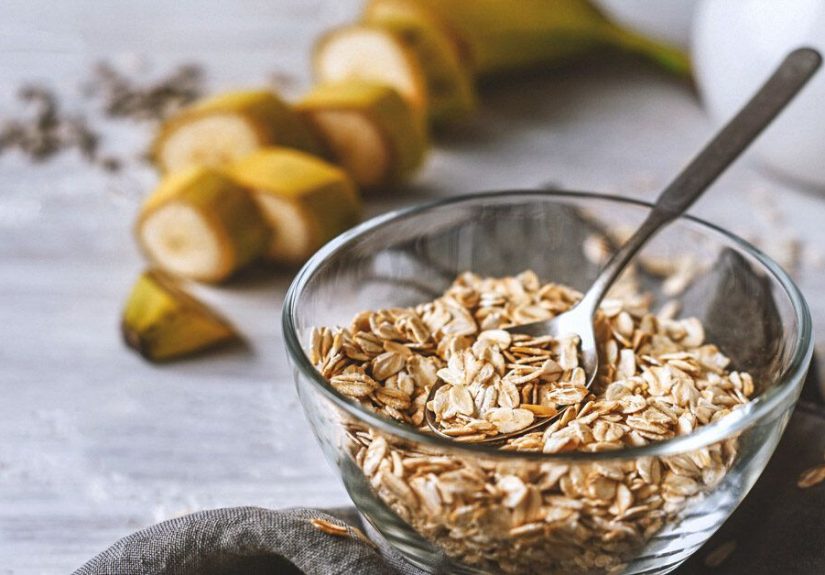
- Oatmeal (a breakfast MVP for many people with heartburn)
- Brown rice, whole wheat bread, whole grain pasta
- Couscous, quinoa, barley
Tip: If very large portions of fiber trigger bloating for you, scale up slowly. “More fiber” is great“all the fiber in one sitting”
is a different sport.
Green and root vegetables
- Green veggies: broccoli, asparagus, green beans, spinach, leafy greens
- Root veggies: sweet potatoes, carrots, beets
- Other gentle picks: cucumbers, zucchini, cauliflower
Veggies are typically low in fat and high in nutrients. If raw vegetables feel rough, try them cookedroasted carrots often behave
better than a raw salad the size of your head.
Non-citrus fruits (usually lower-acid options)
- Bananas
- Melons (cantaloupe, honeydew, watermelon)
- Pears, apples (many people tolerate cooked apples or applesauce well)
Citrus fruits can be triggers for some people, but tolerance is individual. If oranges hit the panic button in your chest, choose
lower-acid fruits first.
Lean proteins that don’t linger forever
- Skinless poultry (baked or grilled chicken/turkey)
- Fish and seafood (baked, broiled, or steamed)
- Egg whites (yolks are higher-fat and can be a trigger for some)
- Tofu and other soy-based proteins
- Beans and lentils (great for many; introduce slowly if they cause gas)
Protein itself isn’t usually the villain. The “plot twist” is often the fat content and the cooking method (fried chicken is delicious
and also, for many people with GERD, a regret-generator).
Low-fat dairy (or dairy alternatives if you’re sensitive)
- Low-fat yogurt (plain is often easier than sugary, high-fat versions)
- Skim or low-fat milk (if tolerated)
- Calcium-fortified non-dairy milks (oat, almond, soy) as alternatives
Dairy is mixed: some people find it soothing, others find it triggers symptomsespecially high-fat versions. Your body gets the final vote.
Healthy fatssmall portions, smart timing
- Olive oil (a drizzle, not a swimming pool)
- Nuts and seeds (almonds work well for some; portion size matters)
- Avocado (often fine in modest servings; can trigger if you go big)
Fat slows stomach emptying, so the key is portion control. You don’t need to fear healthy fatsyou just don’t want
them showing up in a crowd.
Flavor helpers that often behave
- Ginger (fresh in food or as ginger tea; many people find it settling)
- Herbs like basil, parsley, oregano, thyme (often easier than hot spices)
- Non-caffeinated teas (like chamomile) if tolerated
If you miss “spice,” try building flavor with herbs, aromatics you tolerate, and cooking techniques (roasting, caramelizing, gentle
acidity alternatives like a little cucumber or melon in salads).
Common Trigger Foods (and Why They Mess with Heartburn)
Trigger foods tend to fall into a few categories: foods that are high-fat, very acidic, spicy/irritating,
or that may relax the LES. The most commonly reported troublemakers include:
High-fat and fried foods
- French fries, fried chicken, doughnuts, heavy cream sauces
- Very fatty cuts of meat, bacon, sausage
Acidic foods and drinks
- Tomatoes and tomato-based sauces
- Citrus fruits and juices
- Vinegar-forward foods (some dressings, pickled items)
Spicy foods
- Hot peppers, spicy sauces, “extra spicy” anything
Classic LES-relaxers (for many people)
- Chocolate
- Peppermint
- Alcohol
- Caffeinated coffee/tea and caffeinated sodas
Carbonated beverages
Bubbles increase stomach pressure. Unfortunately, your stomach doesn’t care that it’s “just sparkling water.” (Sometimes it does.
Sometimes it doesn’t. GERD loves suspense.)
Onions and garlic
These are triggers for some people, especially raw. If they bother you, try smaller amounts, cooked versions, or using infused oils
(like garlic-infused olive oil) for flavor without the same punch.
Important: A long “avoid list” can backfire if it makes eating stressful or too restrictive. The best GERD diet is the one you can
actually followand that reliably reduces symptoms.
How to Find Your Triggers Without Living on Plain Rice Forever
The most effective approach is usually personalized. Here’s a simple method that doesn’t require you to ban every joyful food
on the internet:
-
Start with “safe-ish” basics for 7–14 days:
lean protein + whole grains + cooked veggies + non-citrus fruit + low-fat dairy (if tolerated). - Track symptoms (food + time + portion + position afterward). A quick note in your phone works.
-
Reintroduce one suspect at a time (for example: tomato sauce at lunch, small portion).
If symptoms flare, you’ve got data. - Test portion size. Many “trigger foods” are dose-dependent. Coffee might be fine at 8 oz, but not 20 oz.
- Watch timing. Foods that are fine at noon may be disastrous at 9:30 p.m.
Think like a scientist, not a judge. You’re collecting evidence, not handing down life sentences to pizza.
Smart Swaps: Keep the Flavor, Lose the Fire
Try these common substitutions if you’re building a reflux-friendly routine:
- Instead of fried foods → try baked, grilled, air-fried (light oil) versions
- Instead of heavy cream sauce → try a light olive-oil herb sauce or low-fat yogurt-based sauce (if tolerated)
- Instead of tomato sauce → try pesto, roasted red pepper sauce (if tolerated), or a light olive oil + herbs blend
- Instead of citrus dressings → try a mild vinaigrette with less vinegar, or a creamy tahini dressing (small portion)
- Instead of spicy heat → try flavor from basil, oregano, thyme, smoked paprika (if tolerated), or ginger
- Instead of coffee on an empty stomach → try coffee after breakfast, smaller size, or low-acid options (test your tolerance)
- Instead of late-night dessert → try banana, melon, or a small bowl of oatmeal
A Simple 1-Day GERD-Friendly Meal Plan (Adjust as Needed)
Breakfast
Oatmeal cooked with water or low-fat milk (or fortified non-dairy milk), topped with sliced banana and a small sprinkle of
almonds (if tolerated).
Why it works: fiber-forward, not greasy, and filling without being huge.
Lunch
Grilled chicken (or tofu) with brown rice and steamed green beans + a drizzle of olive oil and herbs.
Bonus: take a 10-minute walk after eating if you can.
Snack
Melon or pear, plus low-fat yogurt (if tolerated).
Dinner (finish at least 2–3 hours before bed)
Baked salmon with roasted sweet potatoes and asparagus (or spinach).
Tip: keep seasoning herb-forward rather than spicy.
If you need something later
If nighttime reflux is an issue, the most helpful “snack” may be… no snack. If you truly need something, keep it small and bland:
a few bites of oatmeal or a banana, then stay upright.
Reflux-Friendly Grocery List (Easy Mode)
Grains
- Oats, brown rice, quinoa, whole grain bread
Proteins
- Chicken/turkey breast, fish, eggs/egg whites, tofu, lentils (if tolerated)
Vegetables
- Broccoli, green beans, asparagus, spinach, carrots, sweet potatoes, cucumbers, zucchini
Fruits
- Bananas, melons, pears, apples/applesauce
Extras
- Olive oil, mild herbs and spices, ginger, chamomile tea (if tolerated)
When Food Isn’t Enough (and When to Get Help)
Diet can be a game-changer, but it’s not the only tool. If symptoms are frequent or disruptive, clinicians often combine lifestyle changes
with medication strategies. Also consider that reflux can overlap with other issues (like certain food sensitivities, swallowing disorders,
or complications such as esophagitis).
See a healthcare professional if you have symptoms more than twice a week, need frequent OTC meds, wake up with reflux regularly,
or have any red-flag symptoms. Getting the right plan early can protect your esophagus and improve quality of life.
Conclusion: Build a GERD Diet That You Can Actually Live With
A helpful GERD diet is less about “perfect” foods and more about repeatable habits: moderate portions, earlier dinners, lower-fat meals,
and a steady rotation of reflux-friendly staples like oatmeal, lean proteins, and cooked vegetables. Start with the “foods that usually help,”
identify your personal triggers, and use smart swaps to keep meals satisfying.
Most importantly: aim for progress, not misery. GERD doesn’t get to cancel your entire personalityjust maybe your third slice of pepperoni pizza at 10 p.m.
Experiences: What Managing GERD Often Feels Like in Real Life (About )
People usually expect a GERD diet to be one dramatic “before and after” moment: you stop eating one evil food and instantly become a heartburn-free unicorn.
In reality, the experience is more like adjusting a soundboardsmall changes to timing, portion size, and a handful of triggers often add up to the biggest
relief.
One of the most common “aha” moments is the dinner clock revelation. Many people report that they can eat foods that are normally fine for
them at lunch, but the same meal becomes a problem when it’s eaten late. A typical pattern goes like this: someone eats a normal dinner at 8:30 p.m., then
lounges on the couch, then lies downand the night turns into a rerun of “Why Is My Chest on Fire?” When they shift dinner earlier and keep the last few
hours before bed snack-light (or snack-free), nighttime reflux often calms down surprisingly fast.
Another common experience is learning that portion size is a trigger all by itself. A person might swear that “chicken doesn’t bother me,”
which is trueuntil it’s a giant plate of chicken plus fries plus dessert plus “just a few more bites.” Many people notice that reflux isn’t always about
the ingredient list; sometimes it’s about stomach pressure. This is why smaller meals can feel like a cheat code: you’re not banning food, you’re changing
the physics.
Then there’s the coffee negotiation. Some people cut coffee entirely and feel better. Others find they can keep coffee if they change the
rules: smaller size, drink it after breakfast (not on an empty stomach), or reduce caffeine. The experience here is often emotional as well as physical
coffee can be comfort, routine, and personality. A flexible approach helps: instead of “never,” try “test and learn.” Keep a simple log for a week and see
what your body says.
Social events tend to be the trickiest. People commonly describe a phase where they feel like the “high-maintenance friend” when everyone orders wings,
pizza, and cocktails. What helps is having a few go-to strategies: eating a small reflux-friendly snack beforehand so you’re not starving; choosing grilled
options; skipping the biggest trigger (often alcohol or fried foods) rather than trying to be perfect; and remembering that a single meal doesn’t ruin you
it’s the pattern that matters.
Finally, many people learn that GERD management is not only food. Elevating the head of the bed, staying upright after meals, taking short
post-meal walks, and wearing looser clothing can all make the diet work better. It’s common to hear someone say, “I changed what I eat and it helped a bit,
but when I also stopped eating close to bedtime, that’s when I really noticed the difference.”
The overall lived experience is usually this: you start by removing obvious triggers, build a reliable “safe” rotation, and then gradually reintroduce foods
you love in smarter portions and at better times. The win isn’t perfectionit’s being able to enjoy your life without constantly budgeting for heartburn.