Table of Contents >> Show >> Hide
- Before You Start: Is Ignoring Him the Right Move?
- Part 1: Get Clear on What You’re Doing and Why
- Part 2: How to Ignore Him Without Playing Emotional Games
- Part 3: What to Do While You’re Ignoring Him
- Healthy Ignoring vs. Toxic Silent Treatment
- Real-Life Experiences: What Ignoring Your Boyfriend Can Teach You
- Final Thoughts
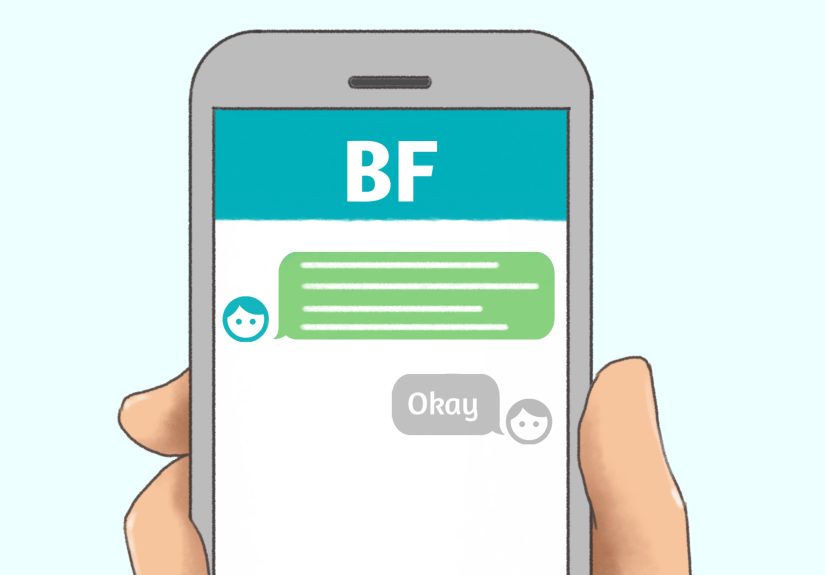
Let’s be honest: sometimes your boyfriend is a lot. Maybe he keeps
texting during your workday, maybe he’s taking you for granted, or maybe you
simply need some breathing room before you say something you can’t take back.
That’s when the idea of “ignoring your boyfriend” pops into your head.
But here’s the twist: there’s a huge difference between giving yourself
healthy space and using the silent treatment as a weapon. One protects your
mental health and your relationship. The other slowly burns the whole thing
to the ground. This guide walks you through 12 practical steps to ignore your
boyfriend in a way that centers self-respect, boundaries, and claritynot
cruelty or mind games.
Think of it less as “how to punish him” and more as “how to protect your
energy while deciding what you want.” Ready? Let’s walk through it step by
step.
Before You Start: Is Ignoring Him the Right Move?
Before you ghost him mid-emoji, pause and ask yourself why you want to pull
back. Are you overwhelmed and in need of a cooldown? Are you hoping to “teach
him a lesson”? Are you scared to say what you really feel?
If your goal is to manipulate him into chasing you, that usually backfires.
It can damage trust and turn small issues into chronic resentment. If your
goal is to calm down, regain your balance, and give both of you a bit of
space to think, then temporary, intentional distance can make sense.
Also, if there’s emotional, verbal, or physical abuse involved, the
conversation changes completely. In that case, ignoring him may mean
no contact while you get support from friends, family, or a
professionaland potentially end the relationship altogether. Your safety
comes first, always.
Part 1: Get Clear on What You’re Doing and Why
Step 1: Name the Real Problem
You can’t fix what you refuse to name. Before you start ignoring his calls,
write down what’s actually bothering you:
- He doesn’t respond when you share your feelings.
- He only reaches out when it’s convenient for him.
- He crossed a boundary and brushed it off.
- You’re emotionally burned out and need time to reset.
Being specific helps you decide whether you’re using space as a short break
to cool off or whether it’s a step toward reevaluating the entire
relationship. “He’s annoying” isn’t a reason; “he ignores my boundaries” is.
Step 2: Decide Between a Time-Out, a Break, or a Breakup
Not all “ignoring” is the same. Ask yourself which situation you’re in:
-
Time-out: You’re upset, you need a few hours or a day to
calm down before talking. -
Short break: The relationship feels off and you need days
or weeks for reflection, with clear boundaries and limited contact. -
Breakup/no contact: The relationship is unhealthy or
over, and you’re cutting communication so you can move on.
Being honest with yourself prevents you from “fake ignoring” him while
secretly hoping he’ll magically read your mind and change without you
communicating anything.
Step 3: Set Clear Internal Rules for Yourself
Before involving him, set rules with yourself. For example:
- I won’t reply to texts instantly; I’ll respond once or twice a day.
- I’ll mute his notifications during work hours.
- I won’t stalk his social media or reread our old chats.
-
I’ll use this space to focus on my needs, not to obsess over whether he’s
“learning his lesson.”
The point isn’t to create a dramatic performance; it’s to protect your
emotional space and break unhealthy patterns (like always dropping
everything for his messages).
Step 4: Decide Whether to Tell Him You Need Space
In many cases, the healthiest form of “ignoring” is actually:
“I’m not ignoring you; I’m taking space and telling you why.”
You might say something like:
“I’m feeling really overwhelmed right now. I care about you, but I need a
little space to reset and think. I’m going to be less responsive for a bit
so I can get clear on how I’m feeling.”
This isn’t about asking for permission. It’s about being respectful and
avoiding the confusion that comes with vanishing out of nowhere. In very
toxic or unsafe situations, you might skip this step for your own safety and
go straight to no contactbut in a normal, imperfect relationship,
communication is usually kinder.
Part 2: How to Ignore Him Without Playing Emotional Games
Step 5: Stop Being Constantly Available
If you usually reply in 0.2 seconds, ignoring him can simply mean: stop
acting like his 24/7 customer support line. Let texts sit for a while. Wait
until you’re calm, free, and actually want to answer.
Some practical ideas:
- Turn off read receipts if they make you anxious.
- Mute the conversation so you’re not pulled in by every ping.
-
Respond once or twice a day instead of engaging in endless, draining
back-and-forth.
You’re not being cruel; you’re teaching yourself that your schedule, your
priorities, and your peace matter too.
Step 6: Keep Your Responses Short and Neutral
When you do respond, you don’t have to write a novel. Short, polite replies
are enough:
- “I’m busy today, talk later.”
- “Got your message.”
- “I’m taking some time for myself.”
You’re not obligated to explain every detail of your mood. The goal is to
drop the emotional intensity, not to start another argument via paragraph
essay.
Step 7: Log Off the Surveillance Mode
Ignoring him on your phone while monitoring his every Instagram like is
just anxiety with extra steps. If you’re going to take space, commit to it:
- Stop refreshing his profile to see who he’s interacting with.
- Avoid subtweeting or posting cryptic stories to get his attention.
- Refrain from asking mutual friends for constant updates.
This isn’t about pretending you don’t care. It’s about refusing to make your
nervous system live in “what is he doing now?” mode 24/7.
Step 8: Set Communication Windows (and Stick to Them)
For some couples, it helps to set “communication windows,” even if you don’t
spell it out to him. For example:
- You check your phone for relationship stuff only after work.
- You don’t answer emotional topics late at night.
- You give yourself 30–60 minutes between reading and replying.
When you stick to these windows, you reduce impulsive reactions and give
yourself time to cool down and think. That’s not silence-as-punishment;
that’s emotional regulation.
Part 3: What to Do While You’re Ignoring Him
Step 9: Reinvest in Your Own Life
If you’re ignoring him but still sitting on your bed staring at your phone,
that’s not spacethat’s torture. Use this time to refill your own cup.
- Catch up with friends you’ve been too busy to see.
- Pick up hobbies you dropped when the relationship got intense.
- Work out, cook something new, clean your space, or start a project.
The more you remember that you are a whole human with a full life, the less
you’ll feel like his every text has the power to make or break your day.
Step 10: Reflect on What This Space Is Teaching You
Pay attention to how you feel during this “ignoring” phase:
- Do you feel relieved and calmer without constant contact?
- Do you miss him in a healthy way, or feel mostly anxious and drained?
- Do you feel more like yourself when you’re not glued to your phone?
Sometimes space reveals that you were over-functioning in the relationship,
doing most of the emotional work. Sometimes it reveals that you still love
him and want to fix thingsbut with better boundaries.
Step 11: Be Prepared for His Reaction
When you change your behavior, he will notice. He may:
- Text more or ask what’s wrong.
- Get defensive (“Why are you acting weird?”).
- Back off and give you space (best case).
You can’t control his reactionbut you can control yours. Decide ahead of
time how you’ll respond if he gets upset or clingy. For example:
“I’m not trying to hurt you. I’m giving myself some space to think. I’ll
reach out when I’m ready to talk seriously.”
If he responds with name-calling, guilt-tripping, or pressure, that’s
information about the health of the relationship, not a sign that you
should abandon your boundaries.
Step 12: Decide What Happens Next
Ignoring your boyfriend is not a permanent strategy; it’s a temporary tool.
After a while, you’ll reach a fork in the road:
- You feel calmer, see his effort, and are ready for an honest talk.
- You realize you feel lighter without him and want to move on.
- You see that nothing changes no matter what you do, and it’s time to
rethink the relationship entirely.
When you do talk, focus on what you learned during this break:
“I realized I need more respect around my boundaries,” “I noticed I was
constantly anxious waiting for your replies,” or “I see that we want
different things long term.”
Whatever you decide, aim for clarity over drama. You deserve a relationship
where you can speak instead of disappearing and where your needs don’t have
to scream to be heard.
Healthy Ignoring vs. Toxic Silent Treatment
To make sure you’re staying on the healthy side of things, keep this
contrast in mind:
-
Healthy space: “I need some time to cool down. I’ll talk
when I’m calmer.” You use the break to reflect and regulate your emotions. -
Toxic silent treatment: “I’m going to punish you by
freezing you out until you beg.” The goal is control, not clarity.
If your ignoring is driven by self-care, boundaries, and reflection, you’re
likely in the first category. If it’s driven by revenge, power, or
punishment, it’s time to rethink your approachand maybe the whole
relationship.
Real-Life Experiences: What Ignoring Your Boyfriend Can Teach You
Theory is nice, but what does this look like in real life? Here are some
common patterns people experience when they pull back from their boyfriend,
and what each scenario can teach you.
Experience 1: The Constant Texter Who Finally Took a Breath
Imagine someone who replies to every text within seconds, panics when her
boyfriend doesn’t answer right away, and rereads old messages like they’re
sacred documents. When she decided to “ignore” her boyfriend, what she
actually did was delay responses, mute notifications, and put her phone in
another room for a few hours at a time.
At first, she felt guilty and anxiouswhat if he thought she didn’t care?
But over time, she noticed something unexpected: she felt less
anxious, not more. Instead of waiting by her phone, she went for walks,
worked on her goals, and reconnected with her friends. Her boyfriend did
notice the shift, but it opened up a healthy conversation about how
much emotional labor she had been doing in the relationship. Ignoring him a
bit helped her see that she had the right to exist as her own person, not a
full-time emotional support chatbot.
Experience 2: The “Teach Him a Lesson” Plan That Backfired
In another scenario, someone decided to ignore her boyfriend with only one
goal in mind: making him chase her. She stopped responding to messages for
days, posted pointed quotes on social media, and waited for a dramatic,
tearful apology that never came.
Instead of chasing, he pulled back. He felt confused, hurt, and eventually
resentful. When they finally talked, he said he didn’t feel safe in a
relationship where problems turned into games. She realized that using
silence as a weapon didn’t heal anythingit just built a bigger wall between
them.
The lesson: if ignoring your boyfriend is about revenge or control, it
usually damages both people. You might win the power struggle for a moment,
but you lose long-term trust.
Experience 3: Taking Space After a Big Argument
After a heated argument, another person decided she needed to step away.
Instead of engaging in an hours-long text fight and rehashing the same
points, she told her boyfriend:
“I’m really upset and don’t want to say something I’ll regret. I’m going
to take some time to cool down and we’ll talk about this tomorrow.”
Then she did exactly thatshe ignored his follow-up texts that tried to pull
her back into the argument. She focused on journaling, watching something
light, and getting a good night’s sleep. The next day, she was calmer and
able to express how she felt without shouting or crying.
Her boyfriend initially didn’t love being put on pause, but he eventually
saw that the conversation they had later was much more productive. The
“ignoring” in this case wasn’t punishment; it was a time-out that protected
the relationship from more damage.
Experience 4: Realizing the Relationship Was Already Over
Sometimes ignoring your boyfriendpulling back, taking space, and focusing
on yourselfreveals a hard truth: you miss the idea of him more than the
reality of the relationship.
One person realized that when she wasn’t constantly texting or managing his
moods, she didn’t feel that connected to him. She noticed how peaceful her
days felt. Instead of feeling excited when he reached out, she felt a sense
of obligation and dread.
That space helped her see that she’d been staying out of habit and fear of
being alonenot because the relationship was truly fulfilling. Ignoring him
wasn’t the end goal, but it became the clarity she needed to choose herself
and move on.
Experience 5: Rebuilding With Clearer Boundaries
In some relationships, a short period of reduced contact actually becomes a
turning point. After being less available, a woman realized how often she
said “yes” when she wanted to say “no.” When she and her boyfriend finally
talked, she explained that she needed:
- More advance notice for plans.
- Less texting late at night when she had work early.
- More respect when she said she was tired or busy.
He hadn’t realized how much pressure she was under because, from his
perspective, she’d always agreed to everything. The “ignoring” phase was the
pause she needed to recognize her limits and then communicate them. Did it
fix everything overnight? Of course not. But it created a new baseline where
her needs were part of the relationshipnot an afterthought.
Final Thoughts
Learning how to ignore your boyfriend the right way is really about
learning how to respect yourself. Done thoughtfully, taking space can help
you calm down, see your relationship more clearly, and stop overinvesting in
someone who isn’t meeting you halfway. Done harshly, it becomes silent
treatmentsomething that chips away at emotional safety and trust.
Use these 12 steps to protect your energy, not to play games. Your goal isn’t
to make him suffer; it’s to make sure you don’t abandon yourself. Whether you
eventually reconnect with stronger boundaries or decide to walk away, you
deserve a relationship where talking is safer than disappearing.





