Table of Contents >> Show >> Hide
- Kidney Diet 101: What Your Labs Are Trying to Tell You
- The 20 Best Kidney-Friendly Foods
- Egg whites
- Cauliflower
- Cabbage
- Red bell peppers
- Onions
- Garlic
- Apples
- Blueberries
- Strawberries
- Grapes
- Pineapple
- Cranberries (fresh or unsweetened options)
- Green beans
- Cucumber
- Lettuce (and other lighter leafy greens)
- White rice
- Pasta
- White bread or tortillas (in the right portions)
- Olive oil
- Fresh fish (like cod) or other fresh, unprocessed lean protein
- Simple Meal Ideas That Use These Foods
- Shopping and Cooking Tips That Make a Big Difference
- of Real-World Experience: What People Learn After the Diagnosis
- Conclusion
A kidney-friendly diet is a little like packing for a trip: what you “should” bring depends on where you’re going, how long you’ll be there, and whether
the weather (a.k.a. your lab results) is acting up. If you have chronic kidney disease (CKD) or kidney failure, food choices can help manage symptoms,
protect your heart, and keep key minerals (like sodium, potassium, and phosphorus) from getting out of whack. But the “best foods” list is never one-size-fits-all.
Here’s the good news: you don’t have to eat like a monk who swore off flavor. You can build meals that are satisfying, colorful, and realistic for real life
with a few smart swaps and a little label-reading superpower. This guide highlights 20 kidney-friendly foods that show up again and again in renal nutrition plans,
plus simple ways to use them without turning dinner into a chemistry exam.
Important: Always follow your clinician’s and renal dietitian’s adviceespecially if you’re on dialysis, have diabetes, or take medicines that affect potassium.
Some people with CKD need to limit potassium or phosphorus; others don’t. Your labs decide the rules, not internet lists.
Kidney Diet 101: What Your Labs Are Trying to Tell You
Sodium: the “silent flood” factor
When kidneys aren’t filtering well, sodium can pull extra fluid into your bloodstream. That can raise blood pressure and cause swelling. A kidney-friendly pattern
usually emphasizes low-sodium choices, fewer processed foods, and more cooking at home (where you control the shaker).
Potassium: friend, sometimes too friendly
Potassium helps your muscles and heart work properly, but if your kidneys can’t remove enough, levels can climb. That’s why many kidney meal plans focus on
lower-potassium fruits and vegetables, portion size, and sometimes special cooking tricks. If your potassium is normal, you may not need to restrict itso don’t
self-prescribe a super restrictive diet.
Phosphorus: the sneaky additive problem
Phosphorus is naturally found in lots of foods, but the real troublemaker is often added phosphorus in processed foods and drinks. Those additives are absorbed
very efficiently, which can push blood phosphorus higher and strain bones and blood vessels. A simple rule: the fewer ingredients, the fewer surprises.
Protein: the “right amount” depends on your stage
Many people with earlier-stage CKD are advised to keep protein moderate, while dialysis often increases protein needs because treatment can remove amino acids.
Translation: your best plate is the one matched to your treatment plan.
The 20 Best Kidney-Friendly Foods
These foods are popular in renal nutrition plans because they’re generally easier to fit into common kidney restrictions (lower sodium, manageable potassium,
and/or lower phosphorusespecially when chosen fresh and prepared simply). Think of them as reliable building blocks.
-
Egg whites
Egg whites are a classic renal protein: high-quality protein without the extra phosphorus found in egg yolks. They’re also versatilescrambles, omelets,
or mixed into oatmeal-style breakfasts (yes, savory oatmeal is a thing and it’s surprisingly good).Try it: Egg-white scramble with onions and red bell pepper, finished with black pepper and a squeeze of lemon.
-
Cauliflower
Cauliflower is often used as a lower-potassium veggie option, and it’s a chameleon in the kitchen. Mash it, roast it, rice itno one has to know your “rice”
is secretly a vegetable doing community service.Try it: Roasted cauliflower with garlic powder and olive oil; add a sprinkle of salt-free herb blend.
-
Cabbage
Crunchy, affordable, and easy to cook, cabbage shows up on many kidney-friendly lists. It works raw in slaws or cooked in stir-fries and soups,
bringing volume to meals without relying on salty packaged sides.Try it: Quick sautéed cabbage with onions, a splash of vinegar, and cracked pepper.
-
Red bell peppers
Bright, sweet, and generally easier to fit into kidney diets than some other vegetables, red bell peppers add color and vitamin C without the heavy mineral load
that comes with certain high-potassium choices.Try it: Slice raw peppers for crunch, or roast them and blend into a sauce as a tomato alternative.
-
Onions
If kidney-friendly cooking had a mascot, it might be an onion. Onions add big flavor with almost no sodium. They also help you rely less on salty sauces.
Bonus: caramelized onions make almost everything taste like you tried harder than you did.Try it: Caramelize onions in olive oil and use them on sandwiches, eggs, or pasta.
-
Garlic
Garlic is a flavor powerhouse and a go-to salt substitute. When you’re reducing sodium, strong aromatics (garlic, onion, citrus, herbs) are the shortcut
to meals that don’t taste like “diet food.”Try it: Mix minced garlic into olive oil with parsley and lemon zest for an instant drizzle sauce.
-
Apples
Apples are commonly recommended as a lower-potassium fruit choice and are easy to snack on. They also work in desserts where you want sweetness without
relying on dairy-heavy ingredients.Try it: Apple slices with cinnamon; or bake apples until soft for a cozy, kidney-friendlier dessert.
-
Blueberries
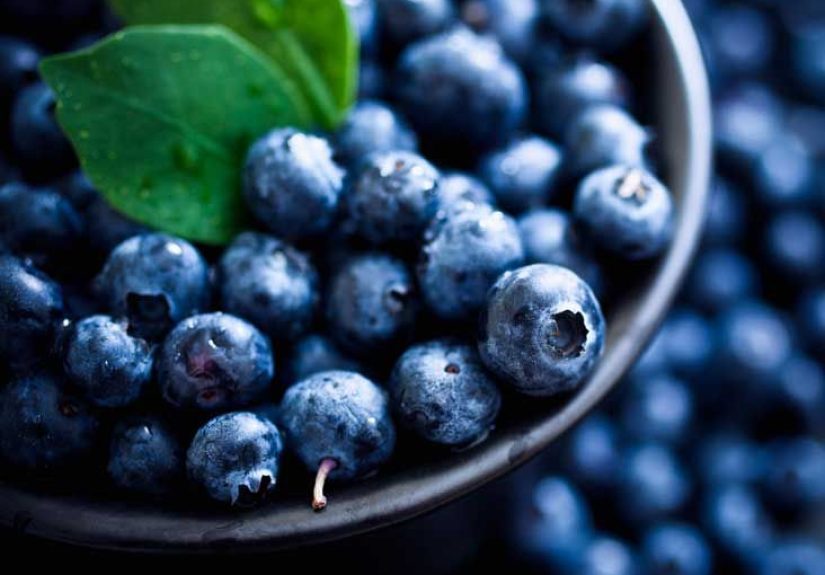
Blueberries are often highlighted for their antioxidants and are typically easier to fit into kidney diets than higher-potassium fruits. They’re also an effortless
way to make breakfast feel less like a medical appointment.Try it: Add blueberries to unsweetened cereal or a small bowl of oatmeal made with water.
-
Strawberries
Strawberries bring sweetness, fiber, and a “treat” feeling. For many people with CKD, they’re a fruit that fits more comfortably than bananas or oranges
especially when portions are reasonable.Try it: Fresh strawberries with a squeeze of lemon; or blend into a smoothie with ice and water (ask your care team about fluids if needed).
-
Grapes
Grapes are snack-friendly, naturally portionable (a handful feels like a real serving), and commonly listed as a lower-potassium fruit option. They’re also great
frozen for a summer “dessert” that doesn’t require baking.Try it: Freeze grapes for a sweet bite that lasts longer than two seconds.
-
Pineapple
Pineapple is often considered a kidney-friendlier fruit choice compared with some higher-potassium options. It’s also strong-flavored, which means you can use
a little to make meals feel bright and interesting.Try it: Pineapple salsa (pineapple + diced red bell pepper + onion + lime) over grilled fish.
-
Cranberries (fresh or unsweetened options)
Cranberries are famous for urinary tract health, but for kidney-friendly eating the key is choosing versions without loads of added sugar. Unsweetened cranberry
sauce (homemade) or fresh cranberries can add tartness that wakes up meals.Try it: Simmer cranberries with a little sugar and orange zest substitute (like lemon zest) for a tart topping.
-
Green beans
Green beans are a common “easy win” vegetable in many kidney meal plans. They’re simple to prepare and play nicely with garlic, lemon, and herbsaka the renal
flavor dream team.Try it: Sauté green beans with garlic and a squeeze of lemon; finish with black pepper.
-
Cucumber
Cucumbers add crunch and hydration (which may or may not be a plus depending on your fluid limits). They’re great in salads and snacks when you want volume
without sodium-heavy dips.Try it: Cucumber slices with vinegar and dill for a quick “pickle vibe” without the sodium bomb.
-
Lettuce (and other lighter leafy greens)
Not all greens are created equal for kidney diets, but lighter salad greens like lettuce are often easier to fit than very mineral-dense choices. They’re useful for
building meals that feel big and fresh.Try it: Make a crunchy salad with lettuce, cucumber, and bell pepper; dress with olive oil and lemon.
-
White rice
Whole grains are healthy for many people, but some with kidney disease need to watch phosphorus and potassiummaking refined grains like white rice easier to fit.
It’s a neutral base that helps you build satisfying meals without extra additives.Try it: Rice bowl with egg whites, sautéed cabbage, and a splash of low-sodium sauce (if approved).
-
Pasta
Pasta is another kidney-friendly carbohydrate option that’s comforting and customizable. The trick is what goes on top: homemade sauces, olive oil, garlic,
and roasted veggies usually beat jarred sauces for sodium and additives.Try it: Garlic-olive oil pasta with onions and roasted bell peppers.
-
White bread or tortillas (in the right portions)
Many renal eating plans use refined breads/tortillas because they’re often lower in phosphorus than whole-grain versions. Look for lower-sodium varieties,
and keep portions aligned with your overall plan.Try it: Turkey or chicken wrap with lettuce, cucumber, and a homemade herb-yogurt substitute (if dairy is limited, use a non-dairy option without phosphate additives).
-
Olive oil
Olive oil is a kidney-diet hero: it’s naturally free of sodium, potassium, and phosphorus, and it helps add calories if you’re struggling with appetite.
It also makes vegetables taste like you meant to cook them.Try it: Use olive oil with garlic and herbs as a dressing or finishing drizzle.
-
Fresh fish (like cod) or other fresh, unprocessed lean protein
Fresh, unprocessed proteins are often preferred over processed meats because they avoid extra sodium and phosphate additives. Fish can also support heart health,
which matters a lot in CKD. The best choice and portion size depend on your protein needs and labsespecially if you’re on dialysis.Try it: Baked cod with lemon, garlic, and pepper; serve with rice and green beans.
Simple Meal Ideas That Use These Foods
-
Breakfast: Egg-white scramble with onions and red bell pepper + a side of blueberries.
-
Lunch: Lettuce-based salad with cucumber, grapes on the side, and an olive oil + lemon dressing.
-
Dinner: Baked fish with garlic-lemon olive oil, white rice, and sautéed green beans.
-
Snack: Apple slices with cinnamon, or frozen grapes when you want something sweet.
-
Comfort meal: Pasta tossed with olive oil, caramelized onions, roasted bell peppers, and black pepper.
Shopping and Cooking Tips That Make a Big Difference
1) Watch for “PHOS” in the ingredient list
Added phosphorus often hides in processed foods and drinks. If you see ingredients with “phos” (like phosphate or phosphoric acid), that’s a clue the product may
be a tougher fit for a kidney-friendly plan.
2) Pick fresh foods more often than packaged foods
“Fresh” doesn’t have to mean fancy. Frozen fruits and vegetables without sauces can be great. The goal is fewer additives and less sodium.
3) Use flavor builders instead of salt
Garlic, onions, lemon, vinegar, pepper, and salt-free spice blends are your best friends. If your food tastes good, you’re more likely to stick with your plan
and that’s the whole point.
4) Portion size is part of the prescription
Many kidney nutrition recommendations come down to amounts. Even a lower-potassium food can become a high-potassium intake if the portion doubles and doubles again.
If you’re not sure what a serving looks like, ask your dietitian for simple visual cues (like “half a cup” or “a deck-of-cards portion of protein”).
5) Dialysis changes the rules
People on hemodialysis may need more protein, and fluid limits may matter more. If you’re on dialysis, ask specifically about protein targets, phosphorus binders,
and how to manage thirst without high-sodium snacks.
of Real-World Experience: What People Learn After the Diagnosis
If you ask people living with kidney disease what surprised them most, it’s rarely “I miss kale.” It’s usually the emotional whiplash of learning that the same food
can be “great” for one person and “not today” for anotherdepending on lab numbers. Many people describe the early weeks as a game of dietary telephone:
one friend says “avoid all fruit,” another says “avoid all protein,” and suddenly you’re standing in the grocery aisle Googling whether a grape is a mineral.
(Spoiler: it’s a grape. You’re doing fine.)
A common experience is that taste has to be rebuilt. When sodium goes down, food can feel bland at first, and that’s when people get tempted by
convenience foods. The turning point often comes when they discover “flavor anchors”: garlic and onion sautéed in olive oil, lemon juice, vinegar, pepper,
smoked paprika, fresh herbs. Once those become habits, meals stop feeling like punishment and start feeling like normal cooking againjust with smarter ingredients.
Another theme is the label-reading learning curve. Many people can spot sodium on the Nutrition Facts panel, but phosphorus additives are trickier.
Folks often share that the biggest “aha” moment was realizing the ingredient list matters just as much as the numbers. They start choosing simpler foods and
keeping a mental list of brands that don’t sneak in phosphate additives. It’s not glamorous, but it’s empoweringlike becoming the Sherlock Holmes of the snack aisle.
People also talk about social situations. Parties, restaurants, and family dinners can feel stressful, especially when you don’t want to be “that person”
asking 17 questions about the sauce. Many find success with a few repeat strategies: eating a small kidney-friendly snack before going out (so hunger doesn’t hijack
decisions), ordering simply prepared items (grilled fish, rice, steamed vegetables), and requesting sauces on the side. Over time, the awkwardness fades,
and “I’m watching sodium” becomes as normal as “I don’t like mushrooms.”
Finally, there’s the experience of matching food to your labs. Many people say they felt calmer once they understood that kidney nutrition is dynamic:
if potassium is high, you adjust; if it’s stable, you may have more flexibility. That mindset shifts the goal from “perfect eating” to “responsive eating.”
It’s less about fear and more about feedbacklike using lab results as a map rather than a report card. And that’s where kidney-friendly eating becomes sustainable:
not rigid, not chaotic, just practical. With the right plan (and a little humor), your plate can support your kidneys without taking over your life.
Conclusion
The best foods for kidney disease are the ones that fit your lab results, treatment plan, and lifestylewhile keeping sodium in check and limiting
problem nutrients when needed. Start with dependable choices like egg whites, cauliflower, cabbage, berries, apples, rice, pasta, olive oil, and fresh proteins.
Build flavor with garlic, onions, citrus, and herbs. Then refine your plan with your care team so you’re not guessing.