Table of Contents >> Show >> Hide
- How to Pick the Right Activities (Without Overdoing It)
- Activity #1: Water-Based Movement (Pool Walking, Aqua Aerobics, Gentle Swimming)
- Activity #2: “Smart Strength” Training (Bands, Light Weights, or Machines)
- Activity #3: Balance & Gait “Micro-Practice” (Tiny Sessions, Big Payoff)
- Activity #4: Stretching & Mobility for Spasticity (Daily “Maintenance”)
- Activity #5: Chair Yoga or Tai Chi (Mind-Body Movement Without the Drama)
- Activity #6: Recumbent Cycling or Seated Cardio (Energy-Friendly Aerobic Work)
- Activity #7: Purposeful Hobbies (Creative, Cognitive, and Social “Triple Wins”)
- Putting It All Together: A Sample Weekly Plan (Adjustable)
- Conclusion
- of Experiences: What People with PPMS Often Notice (and What Helps)
Primary Progressive Multiple Sclerosis (PPMS) can feel like your body is constantly “updating,” except the update notes are vague and the loading bar is stuck at 37%. PPMS is a form of MS marked by a steady, gradual progression of symptoms (often mobility changes, balance issues, fatigue, and stiffness) rather than clear relapses and remissions. That doesn’t mean life goes on pauseit means you get to build a life that works with your current reality, not against it.
This guide shares seven PPMS-friendly activities you can tailor to your energy level, mobility, and symptoms. Think of them as “choose-your-own-adventure” optionssome are movement-based, some are mind-based, and some are connection-based. The best plan is the one you can do safely and consistently (even if “consistently” means “twice a week when the stars align and your legs agree”).
Quick safety note: Always check with your neurologist, physical therapist (PT), or occupational therapist (OT) before starting something newespecially if you have frequent falls, significant weakness, dizziness, or other medical concerns. Stop and get help if you experience chest pain, fainting, severe shortness of breath, or a sudden, unusual worsening of symptoms.
How to Pick the Right Activities (Without Overdoing It)
PPMS is often a “two-variable equation” where symptoms + energy change day to day. Before you choose an activity, consider these four factors:
- Fatigue pattern: Do you have a “best time” of day? Plan your most demanding activity then.
- Heat sensitivity: Many people with MS find heat can worsen symptoms, so cooling strategies matter.
- Balance and fall risk: Prioritize stable setupsrails, chairs, walls, pool edges, or supervision.
- Spasticity/tightness: Gentle mobility work can make other activities easier and safer.
Pro tip: Aim for a “Goldilocks” intensityenough to help, not so much that you’re wiped out for two days. If you finish and think, “I could do a little more,” you probably nailed it.
Activity #1: Water-Based Movement (Pool Walking, Aqua Aerobics, Gentle Swimming)
If PPMS had a universally popular “cheat code,” water would be near the top. Water supports your body weight, reduces joint stress, and provides gentle resistanceso you can work muscles without feeling like gravity is personally offended by your existence.
Why it works for PPMS
- Helps you move with less fear of falling (especially with pool rails or shallow-water walking).
- Can be friendlier for people who experience heat sensitivity if the pool is comfortably cool.
- Builds strength and endurance with low impact.
Try this beginner routine
- Warm up (3 minutes): Easy water walking in the shallow end.
- Main set (8–12 minutes): Alternate 1 minute steady water walking + 1 minute slower recovery pace.
- Strength (5 minutes): Holding the wall/rail, do gentle leg lifts or heel raises (as tolerated).
- Cool down (2 minutes): Slow walk + deep breathing.
Make it safer: Choose a pool with a ramp or lift, wear water shoes for traction, and ask if a lifeguard or staff can keep an eye out during your first few visits.
Activity #2: “Smart Strength” Training (Bands, Light Weights, or Machines)
Strength training isn’t about becoming a superhero. It’s about building the muscle support that makes everyday tasks easierstanding up, transferring, climbing a step, or carrying groceries without your body filing an official complaint.
Why it works for PPMS
- Supports mobility and stability (stronger hips, legs, and core = better balance support).
- Helps counter deconditioning from reduced activity.
- Can be adapted for seated or supported positions.
Start with a “2 + 2” plan
Two days a week. Two exercises for lower body, two for upper body. Keep it simple.
- Seated band row (upper back): 2 sets of 8–12 reps
- Wall push-ups (chest/arms): 2 sets of 6–10 reps
- Seated leg extension (quads): 2 sets of 8–12 reps each side
- Sit-to-stand practice (legs/core): 1–2 sets of 3–8 reps, using armrests if needed
Form over force: If your movement gets shaky, shorten the range of motion or reduce resistance. Your nervous system appreciates quality reps more than dramatic ones.
Activity #3: Balance & Gait “Micro-Practice” (Tiny Sessions, Big Payoff)
Balance training doesn’t have to mean wobbling on one foot like a flamingo in a windstorm. In PPMS, the most effective balance work is often short, frequent, and supported.
Why it works for PPMS
- Builds confidence and stability for walking and transfers.
- Helps reduce fall risk when done with the right safeguards.
- Reinforces movement patterns your body uses all day.
Try a 5-minute “supported balance snack”
- Weight shifts: Holding a counter, shift weight left/right for 30–60 seconds.
- Mini-marches: Holding support, lift one knee slightly, then the other for 30–60 seconds.
- Heel-to-toe rocking: Holding support, rock forward/back for 30–60 seconds.
- Turn practice: Slow, deliberate turns in place while holding a stable surface (30 seconds).
Safety rule: Balance training should feel challenging, not terrifying. If you’re alone, stay within arm’s reach of a sturdy surface. If falls are common, ask your PT for a customized plan.
Activity #4: Stretching & Mobility for Spasticity (Daily “Maintenance”)
Stretching can be the unsung hero of PPMS routinesespecially if you deal with spasticity, tightness, or muscle spasms. It’s not glamorous, but neither is walking around feeling like your calves are made of braided steel cable.
Why it works for PPMS
- May help reduce stiffness and improve range of motion.
- Can support posture and comfort for sitting, standing, and walking.
- Sets your body up for other activities (strength, walking, cycling).
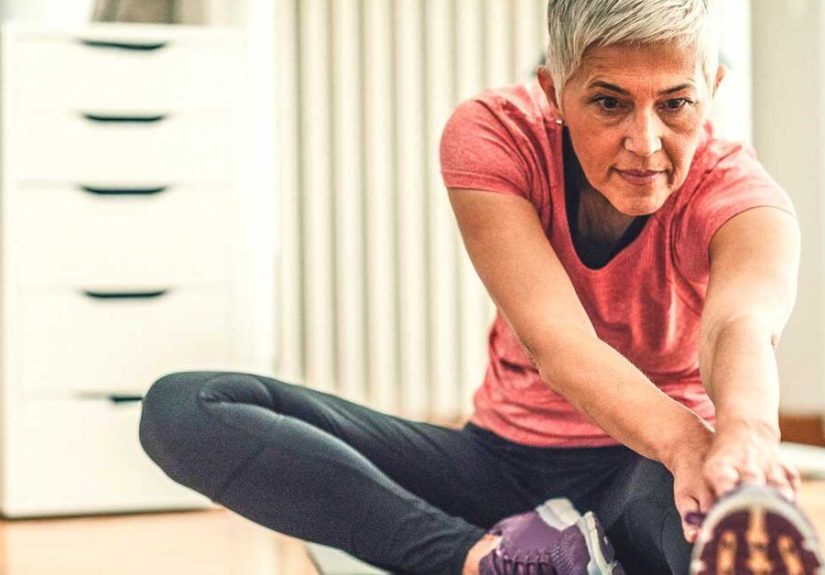
A simple daily mobility circuit (8–10 minutes)
- Ankle circles: 10 each direction per foot
- Seated hamstring stretch: 20–30 seconds each side
- Calf stretch at wall: 20–30 seconds each side
- Gentle trunk twists (seated): 5–8 per side
- Shoulder rolls + chest opener: 30–60 seconds
Make it stick: Attach stretching to an existing habitafter brushing teeth, before bed, or during your “one episode of a show” time. Stretching pairs beautifully with streaming.
Activity #5: Chair Yoga or Tai Chi (Mind-Body Movement Without the Drama)
Yoga and tai chi can be excellent options for PPMS because they blend gentle strength, mobility, and balance with breathing and body awareness. And the best part? You can do them seated, supported, or standingyour choice.
Why it works for PPMS
- Encourages controlled movement and posture awareness.
- Can be adapted for limited mobility.
- Supports stress management (which matters, because stress and symptoms love to team up).
Try this “chair flow” starter
- Seated mountain posture: Sit tall, feet grounded, 5 slow breaths.
- Seated side bend: Gentle reach, 3 breaths each side.
- Seated cat-cow: Slow spine movement, 6–8 cycles.
- Neck release: Gentle tilt, 20 seconds each side.
- Finish: Hands on belly, 5 slow breaths.
Tip: Look for instructors who explicitly teach “chair,” “adaptive,” or “gentle” classes. That’s not a downgradeit’s a smarter match.
Activity #6: Recumbent Cycling or Seated Cardio (Energy-Friendly Aerobic Work)
Aerobic exercise can support endurance and mood, but PPMS may require smarter formats. A recumbent bike (or any seated cardio option) can reduce fall risk and make pacing easier.
Why it works for PPMS
- Lets you get a cardio benefit without relying heavily on balance.
- Easier to control intensity (especially helpful with fatigue).
- Can be done indoors with a fan and water to manage heat sensitivity.
Use the “talk test” interval plan (10–15 minutes)
- Warm up: 3 minutes easy pace.
- Intervals: 30 seconds “moderate” (you can talk, but you’d rather not give a TED Talk) + 60 seconds easy.
- Repeat: 6–8 rounds.
- Cool down: 2 minutes easy pace.
Win condition: You finish feeling a little more awakenot flattened. If you’re wiped out, shorten the session next time.
Activity #7: Purposeful Hobbies (Creative, Cognitive, and Social “Triple Wins”)
Not every PPMS-friendly activity has to look like exercise. Purposeful hobbiesespecially those that combine mental engagement and connectioncan support quality of life, stress resilience, and a sense of identity beyond symptoms.
Why it works for PPMS
- Supports cognitive engagement (attention, planning, memory) in a low-pressure way.
- Boosts mood and reduces isolation through community or shared interests.
- Helps you keep doing the things that make you feel like you.
PPMS-friendly hobby ideas (pick one and make it easy)
- Music: Learn simple guitar/keyboard patterns, or join a casual singing group (even virtual).
- Creative arts: Drawing, photography, or crafts using adaptive grips if needed.
- Gardening: Container gardening at seated height; light tasks with scheduled breaks.
- Cooking with modifications: Pre-chopped ingredients, seated prep, and “one-pan” meals to save energy.
- Volunteering: Phone-based check-ins, mentoring, or remote work for a cause you care about.
OT magic: An occupational therapist can recommend adaptive tools (grips, seating supports, energy conservation routines) that make hobbies easier and less fatiguing.
Putting It All Together: A Sample Weekly Plan (Adjustable)
If you like structure, here’s a flexible template you can scale up or down:
- 2 days: Smart strength (15–25 minutes)
- 2 days: Seated cardio (10–15 minutes)
- Most days: Stretch/mobility (8–10 minutes)
- 2–3 “snacks” per week: Balance micro-practice (5 minutes)
- Weekly: Pool session or chair yoga/tai chi class
- Any day: Purposeful hobby time (even 15 minutes counts)
Remember: Consistency beats intensity. A small plan you repeat is stronger than a heroic plan you abandon.
Conclusion
PPMS may change how you move through the world, but it doesn’t erase your optionsit just asks for smarter ones. Water-based movement can reduce impact and fear of falling. Strength training can support daily function. Balance micro-practice helps build stability safely. Stretching can ease tightness. Chair yoga or tai chi adds mind-body benefits without requiring perfect mobility. Seated cardio supports endurance in a controlled way. And purposeful hobbies keep your identity, joy, and community alivebecause health is not just muscles and metrics.
Start with one activity you can do this week. Make it easy. Make it safe. Then build from thereone small win at a time.
of Experiences: What People with PPMS Often Notice (and What Helps)
People living with PPMS often describe a very specific kind of math: “If I do too much today, tomorrow will invoice me.” That “payback” feeling can make activities intimidatingespecially if you’ve tried a workout plan in the past and spent the next two days feeling like you wrestled a bear (and the bear won). Many find the sweet spot is shorter sessions with a clear stop point. Ten minutes can feel almost “too small” to matteruntil you realize you can do ten minutes again next week, and the week after that. The compounding effect is real.
Another common experience is that mobility can vary not just by day, but by hour. Mornings might feel more stable, while late afternoon brings heavier legs, slower thinking, and “please don’t make me stand up again” energy. Folks who lean into energy conservation often report better quality days: they plan the most meaningful activity during their best time, build in rest before they need it, and use tools (like a cooling vest, fan, rollator, or shower chair) without treating them like a personal failure. The mindset shift is huge: adaptive equipment isn’t “giving up”it’s upgrading your access to life.
Many people also notice that heat can be sneaky. It’s not always “I’m sweating,” it’s “Why do my legs suddenly feel like they’re wearing jeans made of cement?” That’s one reason water exercise gets such loyal fans. Even people who don’t love swimming sometimes love pool walking because it feels stable and gentle, and the environment can be cooling. The first few sessions can be awkward (everybody’s figuring out the ramp, the locker, the schedule), but once it becomes familiar, it turns into a place where movement feels possible again.
On the emotional side, people with PPMS often say the hardest part isn’t a single symptomit’s the unpredictability and the way it can shrink your world. That’s where “purposeful hobbies” matter more than they look on paper. A weekly book club (even virtual), a simple photography project, or a small volunteer role can give structure and connection. People frequently report that these activities help them feel less “medical” and more humanlike their life is still theirs, not just a list of appointments.
And finally: progress in PPMS-friendly activity plans often looks different than fitness culture expects. It might be fewer stumbles in the hallway. Less stiffness when you get up. A little more confidence transferring from chair to bed. Or simply finishing an activity without feeling wrecked. Those wins are legitimate. They deserve celebration. If PPMS is a long game, the best strategy is building routines that support younot punish youfor showing up.