Table of Contents >> Show >> Hide
- Why early detection matters (and why “just wait and see” isn’t a plan)
- How Alzheimer's is detected today (and why saliva is trying to join the team)
- What a saliva test would actually look for
- Leading saliva biomarker candidates (the current “suspects list”)
- 1) Lactoferrin (a mouth-based immunity protein with a surprising Alzheimer’s connection)
- 2) Amyloid-beta (especially Aβ42) in saliva
- 3) Tau (total tau and phosphorylated tau)
- 4) Extracellular vesicles (EVs) and RNA “messages” in saliva
- 5) Enzymes, inflammation markers, and “supporting cast” biomarkers
- Why saliva is both promising and annoying (scientifically speaking)
- So… could saliva ever be accurate enough?
- What people should do right now (while saliva tests are still in the lab)
- The bottom line: spit may be part of the future, but it’s not the present
- Real-world experiences around saliva testing and Alzheimer’s
- 1) The caregiver who wants “anything easier than this”
- 2) The person with mild symptoms who doesn’t want a labeljust clarity
- 3) The research volunteer who enjoys being part of the “early days”
- 4) The “false alarm” fear and the need for careful messaging
- 5) The quiet “bonus” experience: oral health suddenly feels more important
- SEO tags (JSON)
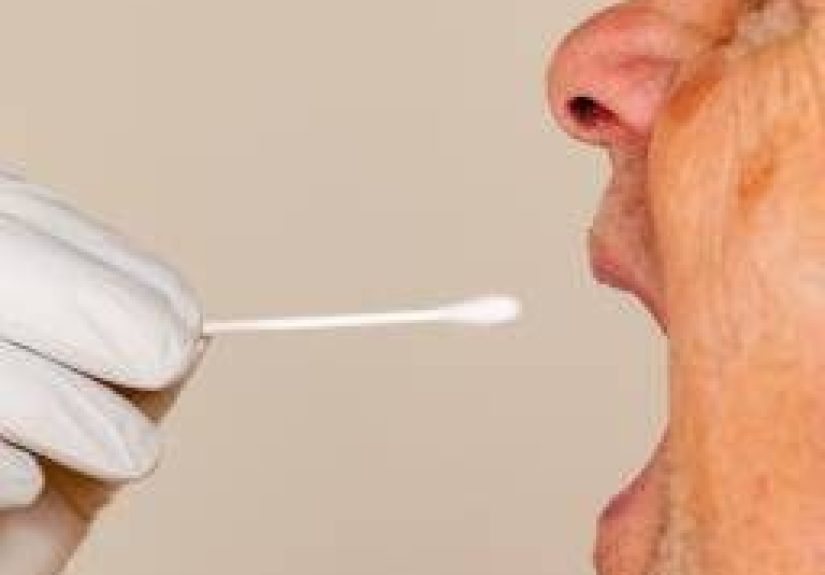
Imagine learning something life-changing from a sample you can provide without needles, scanners, or the world’s most awkward hospital gown.
Just… spit. (Science is glamorous like that.)
The big question researchers are chasing is whether a saliva test for Alzheimer's could reliably detect the disease earlypossibly even
before noticeable symptoms show up. The short answer is: saliva-based Alzheimer’s testing is promising, but it’s not ready for prime time yet.
The longer answer is where things get interesting (and surprisingly complicated for something that fits in your mouth).
Why early detection matters (and why “just wait and see” isn’t a plan)
Alzheimer’s disease can begin changing the brain many years before daily life starts to look different. By the time someone is struggling with memory,
language, or planning, the underlying biology may have been quietly building up for a long time.
Earlier detection can help people and families:
- Get a clearer explanation for symptoms and rule out look-alikes.
- Plan for care, finances, and safety while decisions are easier to make.
- Access clinical trials and, when appropriate, treatments that may require proof of Alzheimer’s-related brain changes.
- Address modifiable risks (sleep, hearing, vascular health, medication side effects) that can worsen cognition.
How Alzheimer's is detected today (and why saliva is trying to join the team)
Right now, Alzheimer’s diagnosis usually combines:
- Clinical evaluation (symptoms, medical history, medications, mood, sleep, and function)
- Cognitive testing (memory, attention, language, executive function)
- Brain imaging (MRI; sometimes PET scans for amyloid or tau)
- Biomarkers from cerebrospinal fluid (CSF) or blood, depending on availability
CSF testing can be highly informative, but it requires a lumbar puncture. PET scans can be powerful, but they’re expensive and not always easy to access.
Blood-based biomarkers have advanced fast recently, including FDA-cleared blood tests to help detect Alzheimer’s-related pathology in certain clinical settings.
That progress raises a natural follow-up: if blood can do it, could saliva do it toocheaper, faster, and more comfortably?
What a saliva test would actually look for
Alzheimer’s is strongly associated with specific proteins and processes, including the buildup of beta-amyloid plaques and abnormal tau tangles.
Saliva research focuses on whether Alzheimer’s-related signals show up in the mouth in measurable, repeatable ways.
A realistic future saliva test probably wouldn’t rely on a single “magic molecule.” It would more likely be a panela combination of biomarkers
plus clinical info (age, symptoms, medical history), similar to how many modern diagnostic tools work.
Leading saliva biomarker candidates (the current “suspects list”)
1) Lactoferrin (a mouth-based immunity protein with a surprising Alzheimer’s connection)
Lactoferrin is an antimicrobial, immune-related protein found in bodily fluids, including saliva. Several studies have reported that salivary lactoferrin
levels may differ in people with Alzheimer’s or mild cognitive impairment (MCI), potentially reflecting changes linked to brain amyloid pathology.
But here’s the catch: results have been mixed. Some research supports lactoferrin as a useful signal; other studies found it wasn’t reliable enough in broader,
real-world clinic populations. That doesn’t mean lactoferrin is “dead.” It means researchers may need better standardization (how saliva is collected, time of day,
oral health status, medications, and lab methods) or combine it with other markers to get dependable performance.
2) Amyloid-beta (especially Aβ42) in saliva
Amyloid-betaparticularly forms like Aβ42has been investigated in saliva as a possible differentiator between Alzheimer’s and typical aging.
Some studies have reported measurable differences between groups, which is exciting because amyloid is central to Alzheimer’s biology.
The challenge is consistency. Saliva is influenced by flow rate, hydration, oral inflammation, gum disease, and even how long it’s been since you brushed your teeth.
Amyloid signals may be detectable, but small variations in collection and processing can change results enough to blur the line between “signal” and “noise.”
3) Tau (total tau and phosphorylated tau)
Tau is another cornerstone Alzheimer’s biomarker, especially phosphorylated tau forms that correlate with disease processes.
Researchers have tested whether saliva contains tau signals that mirror what’s happening in the brain.
This area is activebut also messy. Some studies suggest saliva tau markers could be helpful, while other work has found weak or inconsistent links.
One major hurdle: saliva tau concentrations can be extremely low, and ultra-sensitive measurement techniques may be needed to detect meaningful differences.
4) Extracellular vesicles (EVs) and RNA “messages” in saliva
This is where saliva science gets genuinely futuristic.
Extracellular vesicles (EVs) are tiny membrane-bound particles released by cells that can carry proteins and genetic material (like mRNA and miRNA).
Some research teams are exploring whether EVs in saliva contain Alzheimer’s-related molecular patterns that align with brain imaging findings.
If that works, saliva could become a practical window into complex biologywithout needing a spinal tap.
It’s still research-stage, but it’s one of the most intriguing directions because EV-based panels could potentially outperform single-protein measurements.
5) Enzymes, inflammation markers, and “supporting cast” biomarkers
Other salivary candidates include:
- Acetylcholinesterase (AChE) activity (related to the cholinergic system targeted by some Alzheimer’s medications)
- Inflammatory proteins and immune markers
- Oxidative stress markers (reflecting cell damage pathways)
- Metabolites (small molecules that can shift with disease and systemic changes)
These often work better as part of a multi-marker panel because each one alone can be affected by many non-Alzheimer’s factors.
Why saliva is both promising and annoying (scientifically speaking)
Saliva sounds simple until you try to use it as a diagnostic tool. Then it becomes the “friend” who says, “I’ll be there in five minutes,” and shows up an hour later
holding iced coffee and emotional chaos.
Saliva is wildly variable
Saliva composition changes with:
- Time of day
- Hydration
- Medications (many common drugs cause dry mouth)
- Smoking/vaping and alcohol use
- Oral health (gum disease, cavities, infections)
- Recent food, drink, or toothbrushing
- Stress and hormone fluctuations
“Mouth health” can mimic “brain health” signals
Oral inflammation can shift immune proteins and enzyme activity. That matters because Alzheimer’s research often measures inflammatory and immune markers.
Without carefully controlling for oral conditions, you can mistake gum disease signals for neurodegeneration signalsand nobody wants a false alarm because of a bad flossing week.
Standardization is non-negotiable
To become clinically useful, saliva tests need strict protocols: how samples are collected, stored, transported, processed, and analyzed.
Researchers are actively working on standardization guidelines, because “spit in a cup” is not a laboratory method. It’s a vibe.
So… could saliva ever be accurate enough?
Potentially, yesespecially if saliva testing is used for the right job.
A realistic near-future role: screening and triage
The most plausible first use of a saliva test would be:
- Screening people with symptoms to decide who should get more definitive testing (blood biomarkers, CSF, imaging)
- Monitoring risk changes over time in research settings
- Expanding access in communities where advanced imaging and specialty clinics are limited
In other words, saliva might help answer: “Should we investigate further?” rather than “Here is the final diagnosis.”
What it would take to become mainstream
For saliva testing to be widely adopted, studies would need to show:
- High accuracy in large, diverse populations (not just small pilot groups)
- Strong performance across different labs and collection sites
- Clear rules for handling confounders like oral disease and dry mouth
- Meaningful comparison to established biomarkers (blood, CSF, PET)
- Evidence it improves outcomes (faster diagnosis, better care decisions, improved trial access)
What people should do right now (while saliva tests are still in the lab)
If you’re worried about memory changeswhether for yourself or someone you lovehere’s the practical path:
- Start with a clinician: Many conditions can cause memory symptoms (sleep issues, depression, thyroid problems, vitamin deficiencies, medication side effects).
- Ask about biomarker options: Depending on symptoms and setting, clinicians may discuss blood biomarkers, imaging, or CSF tests.
- Don’t self-diagnose from internet tests: Consumer-facing “Alzheimer’s saliva tests” are not a standard part of clinical care, and accuracy claims can be misleading.
- Protect brain health basics: Sleep, hearing care, blood pressure control, diabetes management, exercise, and social connection matter for cognitionregardless of biomarkers.
The bottom line: spit may be part of the future, but it’s not the present
A simple saliva test to detect Alzheimer’s is not science fictionbut it’s also not something your primary care doctor can reliably order as a diagnostic tool today.
Research suggests saliva can carry Alzheimer’s-related signals (including immune markers like lactoferrin, core proteins like amyloid-beta and tau, and advanced EV/RNA signatures),
but results vary across studies and populations.
The most likely path forward is a multi-marker saliva panel paired with standardized collection methods, used for screening or triagehelping more people reach
accurate diagnosis faster and more comfortably.
Real-world experiences around saliva testing and Alzheimer’s
Because saliva testing isn’t routine clinical care yet, most “experiences” people have today fall into a few real-world categories: early concern, specialist evaluation,
research participation, and the emotional rollercoaster of waiting for better tools. Below are common, realistic experiences shared by patients, caregivers, and research teams
(presented as composite scenariosmeaning they reflect patterns many people report, not one identifiable person’s story).
1) The caregiver who wants “anything easier than this”
A daughter notices her dad repeating the same question three times during dinnerthen laughing it off like it’s a comedy bit. It’s not funny to her, but she doesn’t want to panic.
She starts reading about Alzheimer’s biomarkers and quickly hits a wall: PET scans sound intimidating and expensive, CSF testing sounds scary, and appointments are booked out.
When she hears about saliva-based research, her reaction is immediate: “Why isn’t that available now?”
Caregivers often describe saliva testing as the dream tool: something you could do at home or at a local clinic without adding stress to an already stressful season of life.
Even if it were “only” a screening test, the idea of a noninvasive starting point feels like relief.
2) The person with mild symptoms who doesn’t want a labeljust clarity
A retired teacher starts misplacing words and missing bill due dates, which is new and unsettling. Friends say, “That happens to everyone,” but she can feel the difference.
She wants an explanation she can trust. In clinic, she learns that memory symptoms can come from many causes, and that biomarker testingwhen appropriatecan help clarify whether
Alzheimer’s biology is involved.
For people like her, saliva testing sounds appealing because it feels less like a “big medical event.” A blood draw is manageable; a spinal tap can feel like a leap.
A saliva test feels like a stepsomething that could reduce uncertainty without turning the whole process into a scary ordeal.
3) The research volunteer who enjoys being part of the “early days”
Research participants often describe saliva collection as surprisingly easy compared with other parts of studies. They might do memory tasks, questionnaires,
and then provide saliva samples under controlled conditions (no food beforehand, specific collection times, standardized containers).
One common sentiment: “If my spit helps someone else avoid a painful test in the future, I’m in.” People like the idea that they’re contributing to science that could make
Alzheimer’s detection more accessibleespecially for communities where specialty clinics and imaging aren’t easy to access.
4) The “false alarm” fear and the need for careful messaging
Another very real experience is anxiety around testingany testing. People worry about false positives, misunderstood results, and what a “high-risk” label could do to their
mental health, insurance questions, or family dynamics. This is one reason researchers and clinicians emphasize that a future saliva test would need clear rules:
what it can and cannot say, and what the next step should be.
Many families say they would welcome a saliva test only if it comes with strong counseling and clear follow-up pathwaysbecause uncertainty without support is its own kind of burden.
5) The quiet “bonus” experience: oral health suddenly feels more important
Saliva biomarker research has also nudged some people toward better oral care. When they learn that gum disease and inflammation can affect saliva readings,
it becomes one more reason to take brushing, flossing, and dental visits seriously. For caregivers, this can be a practical win: oral health routines become part of the broader
“brain health” toolbox, alongside sleep, activity, and managing blood pressure.
Across these experiences, the shared theme is hopepaired with realism. People want easier, earlier answers. Saliva testing might eventually deliver that.
But for now, the most empowering move is still the unsexy one: talk to a clinician, document changes over time, and consider validated biomarker pathways when appropriate.
The future may involve a simple spit test. The present still requires a careful, evidence-based workup.