Table of Contents >> Show >> Hide
Stock prices are not arbitrary. They are driven by a variety of factors that can sometimes feel like a whirlwind of unpredictability. However, despite the seemingly random nature of the market, there are actually two primary variables that determine the prices of stocks: business fundamentals and market sentiment. These two forces, when combined, create the fascinating dance of supply and demand in the stock market. In this article, we’ll break down these two variables, how they interact, and why they are the heart and soul of stock price movement.
Understanding Business Fundamentals
The first variable that drives stock prices is the core financial health of the companyits business fundamentals. When investors look to buy or sell a stock, one of the first things they evaluate is how well the company is performing. This includes various metrics like earnings per share (EPS), revenue growth, profit margins, debt levels, and overall market share. Fundamentally strong companies tend to see stock prices rise because they are perceived as more likely to generate future profits and long-term growth.
Key Business Metrics
- Earnings Reports: One of the most important signals of a company’s health is its quarterly earnings report. These reports provide a snapshot of the company’s profitability, growth potential, and how well it is managing expenses. Positive earnings reports typically lead to stock price increases, as investors anticipate higher future profits.
- Revenue Growth: The rate at which a company’s revenue is growing is another critical indicator of its strength. Companies that consistently grow their revenue demonstrate a capacity to expand and scale, which in turn makes their stock more attractive.
- Debt Levels: A company’s debt load is crucial in determining its risk profile. High debt levels can hinder growth, especially in uncertain economic times. On the other hand, companies that manage debt effectively are often valued higher by investors.
Fundamentals essentially tell us the intrinsic value of a stockhow much it’s worth based on its financial health and growth potential. Stocks of companies with strong fundamentals tend to be more resilient during market downturns because their underlying business models are robust.
Market Sentiment: The Emotional Side of Stock Prices
The second variable that drives stock prices is market sentiment. While business fundamentals are based on hard data, market sentiment refers to the collective emotional mood of investors. It’s a much more intangible factor, but it has just as much power to move stock prices, especially in the short term. Investor emotions, whether driven by fear, optimism, or external news events, can influence stock prices more than anything happening within the company itself.
The Psychology of Investors
Investor sentiment can be described as a mass psychological phenomenon where human emotions play a role in decision-making. When market sentiment is positive, investors are more likely to buy, pushing stock prices up. Conversely, when sentiment is negative, selling tends to dominate, leading to stock price declines. The challenge lies in the unpredictability of human behaviorinvestors may react more to news headlines or social media trends than to the underlying financials of a company.
- News and Media: Major news storieswhether related to economic policy, industry disruptions, or political eventscan swing market sentiment drastically. For example, a global pandemic can cause widespread panic selling, while news of an economic recovery might lead to a bullish market.
- Fear vs. Greed: The fear of losing money often causes investors to panic sell during downturns. Conversely, the greed for profits can drive overvalued stocks to higher prices. This emotional tug-of-war between fear and greed is often referred to as the market cycle, and it plays a major role in shaping stock prices.
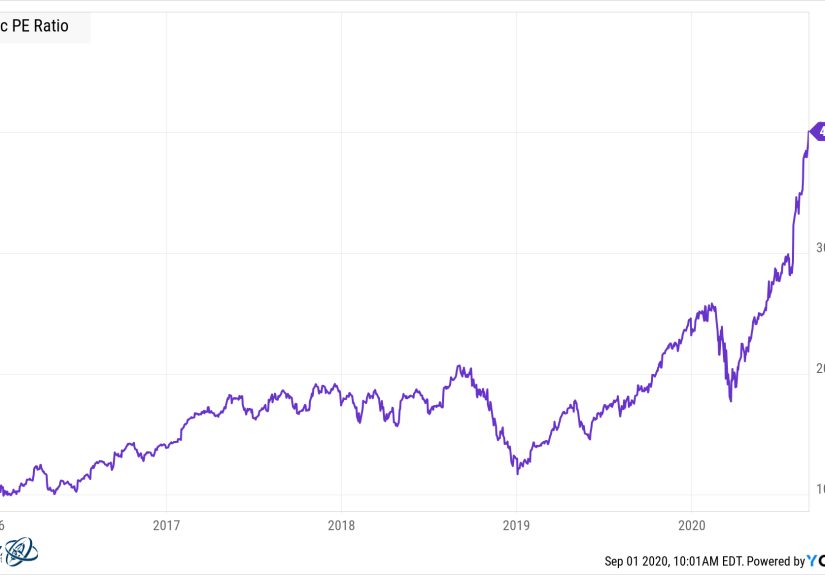
Market sentiment can sometimes decouple from business fundamentals. For example, during a speculative bubble, stocks may rise to unsustainable levels based on investor enthusiasm rather than solid financial performance. The dot-com bubble in the late 1990s is a prime example, where stocks of tech companies were valued far above their actual earnings potential. When sentiment shifted, many of these stocks collapsed.
The Dance Between Fundamentals and Sentiment
While both business fundamentals and market sentiment are crucial drivers of stock prices, it is the interaction between the two that truly dictates the market’s movement. When fundamentals are strong and sentiment is positive, stock prices generally rise. However, when sentiment is negative, even the best fundamentals may not be enough to prevent a decline in stock prices. On the flip side, if sentiment is overly optimistic, stocks may become overvalued, creating a bubble that eventually bursts when reality sets in.
For example, during the 2008 financial crisis, many solid companies saw their stock prices plummet due to panic selling, even though their business fundamentals remained strong. Conversely, during periods of economic expansion, stocks can become overpriced because investors are overly optimistic about the future, ignoring warning signs in the underlying fundamentals.
Short-Term vs. Long-Term Stock Price Movements
In the short term, market sentiment tends to have a greater impact on stock prices. This is why stock prices can fluctuate wildly based on news, rumors, or market psychology. Long-term stock price movements, however, are more likely to reflect the true health of a company, as business fundamentals ultimately determine whether a company can sustain growth over time.
What Does This Mean for Investors?
Understanding the two variablesbusiness fundamentals and market sentimentis crucial for investors. A well-informed investor will look at a combination of both factors when making investment decisions. It’s important to keep an eye on the underlying health of a company while also being aware of market sentiment and its potential influence on stock prices. Additionally, investors should be cautious of overreacting to short-term sentiment shifts, as these can often be fleeting.
Investing in Strong Fundamentals
For long-term investors, focusing on companies with strong fundamentals provides a solid foundation for growth. These stocks are less likely to suffer from the emotional swings that can hurt short-term investors. By sticking to companies with consistent earnings growth, strong revenue, and manageable debt, investors can weather market storms and come out ahead over time.
Reacting to Sentiment Shifts
On the other hand, investors who are more focused on short-term gains may need to pay closer attention to market sentiment. Being able to spot shifts in sentimentwhether fear or greedcan help them make quick decisions on when to enter or exit a stock. However, short-term trading requires a great deal of skill and understanding of market psychology, so it’s not for everyone.
Conclusion
The stock market is a complex system driven by a blend of measurable data and unpredictable human emotions. Business fundamentals and market sentiment are the two primary variables that drive stock prices. While fundamentals offer insight into a company’s long-term growth prospects, sentiment can provide a more immediate influence on stock prices. By understanding these variables and how they interact, investors can better navigate the market and make informed decisions that align with their financial goals.
Additional Insights from Real-Life Experience
In my own experience as an investor, I’ve seen firsthand how both business fundamentals and market sentiment play significant roles in stock price movements. I remember buying shares in a well-established company during a period of market pessimism, only to see the stock plummet for no reason related to its actual performance. The panic in the market led to a sharp decline in prices, even though the company’s fundamentals were strong. It wasn’t until a few months later when the market sentiment turned positive again that the stock price recovered, demonstrating the impact of emotional decision-making in the market.
Another instance that stands out is when I was watching a speculative bubble in a hot tech sector. Investors, fueled by optimism and media hype, drove stock prices to irrationally high levels. I refrained from jumping into the excitement, knowing that the underlying fundamentals didn’t justify the inflated prices. Sure enough, the bubble burst, and many of those stocks crashed back down to earth.
These experiences highlight how sentiment can drive market prices, sometimes away from the underlying value of the companies involved. As investors, it’s crucial to remain grounded in reality, understanding both the fundamentals and the psychological forces at play. A balanced approach, focusing on long-term value while staying aware of short-term sentiment, is key to successful investing.