Table of Contents >> Show >> Hide
- Why Braces and Retainers Matter for Your Smile and Health
- Types of Dental Braces
- What to Expect with Braces: From Consultation to Debonding
- Retainers: Types, Wear Schedules, and What to Expect
- How to Care for Braces and Retainers
- Real-Life Braces and Retainer Experiences: What People Wish They’d Known
- The first week is the hardest then it gets surprisingly normal
- Wax, saltwater, and soft foods are your best friends
- Photos and progress check-ins keep you motivated
- Retainer honesty check: the “just this once” trap
- Communication with your orthodontic team matters more than you think
- Most people say: “It was totally worth it.”
- The Bottom Line
If you’ve ever looked in the mirror and wished your teeth were a little straighter, your bite felt more comfortable, or your smile looked more balanced, you’re in good company. Orthodontic treatment with dental braces and retainers is one of the most common (and effective) ways to improve both the look and function of your teeth.
But let’s be honest: the idea of metal glued to your teeth, or wearing a retainer “forever,” can sound a little intimidating. The good news? Modern braces and retainers are more comfortable, more discreet, and more customizable than ever. Once you understand the types, how they work, and what daily life actually looks like, the whole process becomes much less scary and even kind of exciting.
Why Braces and Retainers Matter for Your Smile and Health
It’s not just about a pretty smile
Braces do much more than make teeth look straight. They’re designed to correct problems with the way your teeth and jaws fit together things like crowding, gaps, overbites, underbites, and crossbites. When your teeth are properly aligned, it’s easier to brush and floss, so you’re less likely to develop cavities and gum disease. Straighter teeth can also improve chewing, speech, and jaw comfort over time.
Where retainers come in
Braces are the “movers”; retainers are the “babysitters.” After your teeth are moved into their new positions, they naturally want to drift back to where they started. A retainer is a custom-made device you wear after braces to keep everything in place while the bone and ligaments around your teeth stabilize. Skipping your retainer is one of the fastest ways to undo all the time and money you just invested.
Types of Dental Braces
Orthodontics is no longer one-size-fits-all. Depending on your needs, lifestyle, and budget, your orthodontist may recommend one of several types of braces.
1. Traditional metal braces
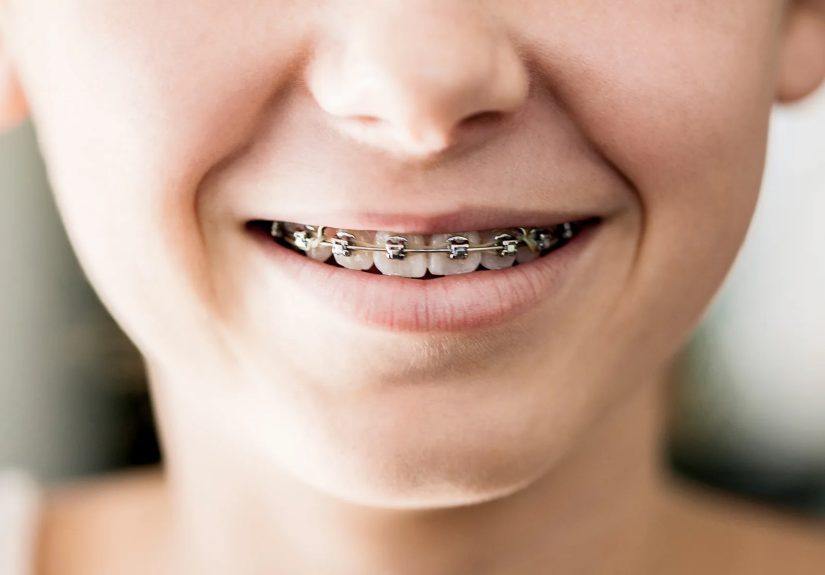
These are the classic silver braces most people picture: small metal brackets bonded to the front of each tooth, connected by a metal archwire and tiny elastic ligatures (“rubber bands”). The archwire is periodically adjusted, putting gentle, controlled pressure on your teeth to move them into place.
Pros: Highly effective for simple to complex cases, usually the most affordable option, and very durable.
Cons: Most visible option and can initially cause soreness or irritation to cheeks and lips until you get used to them.
2. Ceramic (clear) braces
Ceramic braces work just like metal braces, but the brackets are made from tooth-colored or clear materials. They blend with your natural tooth shade, making them less noticeable in photos and face-to-face conversations.
Pros: More discreet than metal braces, good option for teens and adults who want something less obvious but still fixed in place.
Cons: Usually slightly more expensive, brackets can be a bit more fragile, and certain foods or drinks may stain the clear ligatures between visits.
3. Lingual braces
Lingual braces are the ninjas of the orthodontic world. The brackets and wires are attached to the back (tongue side) of your teeth instead of the front, making them almost invisible when you smile.
Pros: Completely hidden from view, powerful option for people who want fixed braces but don’t want them to show.
Cons: Can be more difficult to clean, may affect speech initially, often more expensive, and not every orthodontist offers them.
4. Self-ligating braces
Self-ligating braces look similar to traditional metal or ceramic braces but use built-in clips or doors instead of elastic ties to hold the wire. This can reduce friction and sometimes shorten appointments.
Pros: Easier to keep clean (no elastic ties to catch food), potentially fewer or quicker adjustments.
Cons: Still visible and may cost more than standard metal braces.
5. Clear aligners (like Invisalign®)
Clear aligners are removable trays made of smooth, transparent plastic that fit snugly over your teeth. You’ll typically wear each set for about one to two weeks before switching to the next set in the series, gradually moving the teeth.
Pros: Very discreet, removable for eating and brushing, no wires or brackets to break.
Cons: Not ideal for every complex case, requires strong patient discipline (you need to wear them 20–22 hours per day), and you can’t “lose” them without delaying treatment.
What to Expect with Braces: From Consultation to Debonding
Your first orthodontic visit
Your orthodontic journey usually starts with a consultation. The orthodontist will examine your teeth and jaw, ask about your goals, take X-rays, photos, and digital scans or impressions, and then map out a customized treatment plan. Expect to hear about your different options, estimated treatment time, and overall cost, including whether insurance may help.
Getting your braces on
Bonding braces to your teeth is surprisingly painless. The orthodontist will clean and dry your teeth, place special adhesive, attach brackets, and then thread the archwire through. You’ll leave the office with a brand-new hardware upgrade and a small starter kit for cleaning and comfort (wax, anyone?).
Do braces hurt?
You won’t feel pain while the braces are placed, but you can expect soreness or pressure for a few days afterward and following adjustment appointments. Many people describe it as “tender” or “achy,” especially when biting down. Soft foods and over-the-counter pain relievers (as directed by your dentist or healthcare provider) can help. Most patients adapt within a few weeks and often forget the braces are there most of the time.
How long will treatment take?
There’s no universal timeline, but many people wear braces for about 18–36 months, depending on age, the severity of the bite problem, type of braces, and how consistently they follow instructions (like wearing elastics). Some mild cases may finish in closer to 12 months; more complex cases can take longer.
Daily life with braces
Food changes: You’ll want to avoid hard, sticky, or chewy foods that can break brackets or bend wires think nuts, popcorn, hard candies, and chewing ice. Cut crunchy foods like apples and carrots into small pieces instead of biting into them whole.
Oral hygiene: Braces create extra nooks and crannies for plaque, so you’ll need to step up your brushing and flossing routine. Orthodontic floss threaders, water flossers, and interdental brushes can make cleaning around brackets and wires much easier.
Sports and instruments: If you play contact sports, a mouthguard is a must. If you play a wind instrument, expect a short adjustment period while your lips and cheeks adapt to the brackets.
Risks and side effects
When supervised by a trained orthodontist and combined with good home care, braces are considered safe and effective. That said, potential risks can include decalcification (white spots on teeth from poor brushing), cavities, gum inflammation, mild root resorption (shortening of tooth roots), and relapse if retainers aren’t worn as directed after treatment.
Retainers: Types, Wear Schedules, and What to Expect
Once the big day arrives and your braces come off, your orthodontist will likely celebrate with you… and then immediately talk about retainers. This isn’t them being a buzzkill; it’s how you lock in the results you just worked so hard to achieve.
Common types of retainers
Hawley retainers
These are the “classic” retainers made of a thin metal wire across the front of the teeth attached to an acrylic base that sits on the palate (upper) or behind the lower front teeth. They’re removable and adjustable.
Clear plastic (Essix-type) retainers
These look like a clear aligner tray and fit snugly over your teeth. They’re popular because they’re very discreet, but they can crack if handled roughly or warped by hot temperatures.
Fixed (bonded) retainers
Bonded retainers are thin wires that are glued to the back of your teeth, usually the lower or upper front teeth. You can’t remove them yourself, which is great for people who know they’d “forget” to wear a removable retainer.
How long do you have to wear a retainer?
Every mouth is different, but many people are asked to wear their retainer full-time (except eating and brushing) for the first several months after braces come off, then transition to nighttime wear. Some orthodontists now recommend nighttime wear indefinitely to minimize the natural tendency for teeth to shift over a lifetime.
What to expect when you first wear a retainer
Like braces, your retainer may feel tight at first and slightly affect your speech for a few days. Mild pressure or soreness is common but usually fades as your mouth adjusts. If your retainer hurts or feels dramatically different all at once, it may be warped or your teeth may be shifting call your orthodontist to have it checked.
How to Care for Braces and Retainers
Cleaning with braces
- Brush at least twice a day, ideally after every meal, using a soft-bristled toothbrush and fluoride toothpaste.
- Angle the brush above and below the brackets so you’re cleaning along the gumline and around each bracket.
- Use floss threaders or a water flosser to clean between teeth and under wires.
- Consider fluoride mouth rinse if your dentist recommends it, especially if you’re at higher risk for cavities.
Cleaning your retainers
Retainers need regular cleaning just like teeth. Otherwise, they collect plaque, bacteria, and odors and no one wants a funky-smelling retainer. General tips include:
- Rinse removable retainers with lukewarm (not hot) water whenever you take them out.
- Gently brush them with a soft brush and mild soap or a retainer-safe cleaner once a day. Avoid very abrasive toothpaste and boiling water.
- Soak them occasionally in a retainer-cleaning solution if recommended by your orthodontist.
- Always store them in a ventilated case when not in your mouth not in a napkin that will “mysteriously” get thrown away at lunch.
For fixed retainers, extra attention to flossing and using small interdental brushes is essential because plaque can build up around the wire.
When to call your orthodontist or dentist
- A bracket or wire breaks or becomes loose.
- Your retainer cracks, warps, or no longer fits snugly.
- You notice persistent sores, swelling, or signs of infection.
- Your bite suddenly feels very different or uncomfortable.
Don’t try DIY repairs bending wires or gluing things back yourself can make the situation worse. Let the pros handle it.
Real-Life Braces and Retainer Experiences: What People Wish They’d Known
Beyond the clinical facts, there’s the real day-to-day experience of living with braces and retainers. Here are some common lessons and insights people share once they’re on the other side of treatment.
The first week is the hardest then it gets surprisingly normal
Many patients say the first few days after getting braces were the most dramatic. Your cheeks and lips are figuring out where all this new hardware lives, your teeth feel sore, and you may question your life choices while slurping mashed potatoes for dinner. Then, something almost magical happens: your mouth adapts. Within a week or two, most people report that braces feel more like a background inconvenience than a constant crisis.
The same goes for the first time wearing a retainer. At first, you might feel like you’re talking around a mouthful of plastic. After a few days of reading out loud or chatting with friends, your tongue relearns where to go, and your speech smooths out.
Wax, saltwater, and soft foods are your best friends
Ask anyone who’s had braces and they’ll tell you: orthodontic wax is tiny, clear magic. A pea-sized ball of wax pressed over a poking bracket or wire can save your cheek from getting shredded. Warm saltwater rinses are another unsung hero they can soothe irritated gums and soft tissues after adjustments or when a new sore spot appears.
Soft foods are the “comfort blanket” of the braces journey: yogurt, smoothies, scrambled eggs, pasta, soups, and ripe bananas show up a lot that first week. Many people plan their grocery shopping around adjustment appointments so they’ve got a stash of easy-to-chew options ready to go.
Photos and progress check-ins keep you motivated
Because teeth move slowly, it can be hard to notice day-to-day changes. A smart trick is to snap a quick smile selfie before treatment starts and then every month or so. When you compare month three to month nine, you’ll often see dramatic progress even if the mirror has been less impressive on a daily basis. Those photos can be a huge motivator when you’re tired of brushing around brackets or dealing with elastics.
Retainer honesty check: the “just this once” trap
A lot of people admit that after braces come off, they’re religious about their retainer at first… then life happens. One late night you forget it. Then a weekend trip. Then suddenly it’s been a week, the retainer feels tighter, and panic sets in.
The pattern is common, but it’s fixable. Building a routine helps keep your retainer case in the same spot on your nightstand, set reminders on your phone, or pair retainer time with another habit you always do, like your nighttime skincare routine. When wearing your retainer becomes automatic, you’re much less likely to slide into “oops, I haven’t worn it in days” territory.
Communication with your orthodontic team matters more than you think
People who feel most satisfied with their results often say their orthodontic team made a big difference. Asking questions, texting or calling when something felt off, and being honest about how often they were actually wearing elastics or their retainer helped their providers adjust the plan as needed.
If you’re struggling, say so. If your schedule makes appointments tough, ask about early morning or late afternoon slots. If a certain type of retainer doesn’t work for your lifestyle, talk about alternatives. Orthodontic treatment is a partnership, not a one-way street.
Most people say: “It was totally worth it.”
Very few people enjoy the feeling of brackets or the hassle of floss threaders. But when you ask adults who completed treatment especially those who felt self-conscious about their teeth for years the most common response is that they’re glad they did it. Eating comfortably, smiling in photos without worrying, and knowing their bite is healthier long-term makes the temporary inconvenience feel like a smart investment in themselves.
In other words, braces and retainers are a season of life, not a life sentence. With realistic expectations, good care, and a sense of humor, you can come out on the other side with a smile that looks and functions better for years to come.
The Bottom Line
Dental braces and retainers work together to straighten your teeth, balance your bite, and protect your oral health long term. Braces whether metal, ceramic, lingual, self-ligating, or clear aligners move your teeth into better positions. Retainers keep them there once the active phase is over.
Yes, there’s an adjustment period. You’ll need to tweak your diet, level up your brushing and flossing, and commit to wearing your retainer as directed. But with today’s options and modern techniques, orthodontic treatment is more comfortable, customized, and discreet than ever.
If you’re considering braces or wondering whether it’s “too late,” a consultation with an orthodontist is the best next step. They can walk you through your options, answer questions about cost and timing, and help you decide on a plan that fits your smile and your lifestyle.
SEO JSON