Table of Contents >> Show >> Hide
- What Are “Brainrot Words,” Exactly?
- Why These Words Spread Like Wildfire
- How This Tier List Works
- Brainrot Words Tier List (Quick Scan)
- The Full Tier List (Meanings + Examples)
- How to Rank Your Favorites (Without Starting a Group Chat War)
- Brainrot Etiquette: When to Use These Words (and When Not To)
- Are Brainrot Words “Ruining English”?
- Final Take
- Extra: of Brainrot “Experiences” You’ll Recognize
Confession: the internet has invented a second English language, and it’s spoken entirely in comments, group chats, and the kind of TikTok that makes time feel like a social construct.
If you’ve ever closed an app after “just five minutes” and reopened it three hours later whispering, “Why am I like this,” congratulationsyou’ve tasted brain rot. And along the way, you probably collected a pocketful of words that sound like a keyboard fell down the stairs: skibidi, rizz, delulu, Fanum tax, gyatt. These aren’t just slang terms. They’re tiny social signals. Passwords. Inside jokes. Sometimes… verbal jump scares.
This post is your Brainrot Words Tier Lista playful ranking of the most iconic internet slang from Gen Z and Gen Alpha culture, with meanings, vibes, and real examples. The goal isn’t to be the language police. It’s to help you understand the chaos, rank your favorites, and deploy them with maximum comedic impact and minimum secondhand embarrassment.
What Are “Brainrot Words,” Exactly?
“Brain rot” is a popular modern term for the supposed mental fog that comes from overconsuming low-effort, high-volume online contentespecially the kind that’s endlessly scrollable and weirdly addictive. In everyday slang, it also describes the content itself (“this is brain rot”) and the language that grows around it (“why did I just say that out loud?”).
Brainrot words are the slang terms and meme-phrases that spread fast, mutate faster, and often make perfect sense only if you’ve spent time in the same online neighborhoods. They tend to be:
- Highly contextual: tone and timing matter more than dictionary definitions.
- Algorithm-friendly: short, repeatable, remixable.
- Group-coded: a quick way to signal “I’m online” (or “I’m trying to be”).
- Absurd on purpose: sometimes the point is that it’s nonsense.
Why These Words Spread Like Wildfire
Brainrot slang is basically language doing parkour. Here’s why it travels so far, so fast:
1) The algorithm rewards repetition
Platforms love catchphrases. A word that’s easy to comment, caption, and remix gets extra oxygen. Once a term becomes a meme format, it stops being a “word” and becomes a tool: a template for jokes.
2) Slang is social glue
Slang builds community. If you understand “no cap,” you’re in the club. If you understand “skibidi Ohio rizz,” you’re in the club’s back room, wearing a lanyard that says “chronically online.”
3) Absurdity is a coping mechanism
When the world is stressful, humor gets weirder. Surreal words work like a pressure valveespecially when they’re silly enough to break the tension instantly.
4) Meaning gets stretched on purpose
Many brainrot terms start with a definition, then evolve into vibes. “Sigma” becomes a persona. “Rizz” becomes a whole romantic skill tree. “Delulu” becomes a lifestyle brand.
How This Tier List Works
This isn’t a scientific ranking. It’s a vibes-based tier list designed for maximum fun and SEO-friendly clarity. Here’s the grading rubric:
- S-Tier: Iconic. Instantly recognizable. Funny even when overused.
- A-Tier: Strong utility. Still fresh-ish. Works in multiple contexts.
- B-Tier: Solid, but you risk sounding like someone’s cool aunt trying too hard (respectfully).
- C-Tier: Niche or timing-dependent. Can slap or flop.
- D-Tier: Overcooked, cringe-prone, or easily misused.
- F-Tier: Social hazard. Use only with protective gear.
Brainrot Words Tier List (Quick Scan)
| Tier | Words | Vibe Summary |
|---|---|---|
| S | skibidi, rizz, delulu, Fanum tax | Peak internet DNA: chaotic, memetic, instantly clockable. |
| A | no cap, sus, based, mid, touch grass | High-use, high-clarity, surprisingly durable. |
| B | stan, simp, bussin’, NPC | Still goodjust watch your audience. |
| C | Ohio, aura points, mewing, yapping | Trend-dependent. Funny in the right ecosystem. |
| D | sigma, gyatt | Powerful but risky. Easily becomes unintentional cringe. |
| F | “skibidi Ohio rizz sigma” (as a lifestyle) | Respectfully: log off. Hydrate. Touch grass. |
The Full Tier List (Meanings + Examples)
S-Tier: The Hall of Fame (and the comment section)
Skibidi A nonsense word tied to the viral “Skibidi Toilet” universe. It’s often used as a chaotic filler, a punchline, or shorthand for “this is absurd internet energy.”
Example: “That meeting was skibidi. Nothing happened, but somehow I lost my will to live.”
Rizz Charm or flirting skill, especially the verbal kind. “Rizz up” means to flirt successfully. It’s basically “game,” but with extra Wi-Fi.
Example: “He has zero rizz in person but God-tier rizz in the group chat.”
Delulu Short for “delusional,” but often used playfully: being boldly optimistic, manifesting, or choosing the fantasy because it’s fun (and sometimes motivating).
Example: “I’m not unemployed, I’m on a strategic sabbatical. Let me be delulu.”
Fanum tax A joke term meaning you’re “entitled” to take a bite of someone else’s food (or steal a snack) in a playful way.
Example: “I’m taking two fries. Fanum tax. Don’t make it weird.”
A-Tier: The Workhorses (still funny, still usable)
No cap “For real,” “truthfully,” “I’m not exaggerating.” Great for emphasis without writing a whole paragraph of sincerity.
Example: “That new pizza spot is unreal, no cap.”
Sus Suspicious or sketchy. Older than many people think, but popularized again in mainstream internet culture.
Example: “Why is the Wi-Fi named ‘FBI Van’? That’s sus.”
Based An approving term for someone who’s confidently themselves, says what they mean, and doesn’t care if it’s unpopular (sometimes political, often just vibe).
Example: “She ordered dessert first. Based behavior.”
Mid Mediocre, disappointing, or not as good as the hype promised. The ultimate anti-review in three letters.
Example: “Everyone said it was life-changing. It was mid.”
Touch grass An insult-adjacent suggestion meaning “log off and experience real life.” Iconic because it’s funny and… occasionally correct.
Example: “If you have 47 tabs open about celebrity drama, please touch grass.”
B-Tier: Solid Classics (but audience matters)
Stan To be an extremely devoted fan; can be affectionate or slightly critical depending on tone. It’s mainstream enough that your boss might accidentally say it.
Example: “I don’t just like that artist. I stan. I have spreadsheets.”
Simp Someone showing excessive devotion or flattery (usually romantic). It can be playful, but it can also sound meanuse with care.
Example: “He watched her livestream for six hours and donated rent money. That’s simping.”
Bussin’ Extremely good, especially for food, but also for experiences, outfits, songs, you name it.
Example: “These wings are bussin’. I’m about to write them a thank-you note.”
NPC Literally a “non-player character” in games; slang use implies someone is moving through life on autopilot, saying generic lines, or following trends without thinking.
Example: “He replied ‘lol’ to my 12-message emotional speech. NPC behavior.”
C-Tier: Niche, Trendy, and Timing-Dependent
Ohio Internet shorthand for weird, awkward, cringeworthy, or absurd. Often tied to the “Only in Ohio” meme energy.
Example: “Why did the elevator play banjo music? That’s so Ohio.”
Aura points A Gen Alpha-flavored way to quantify someone’s cool factor. You gain or lose points based on how iconic (or embarrassing) a moment is.
Example: “He waved at someone who wasn’t waving at him. Minus 20 aura points.”
Mewing A viral self-improvement/looksmaxxing trend term that, in slangy conversation, is often used half-seriously and half-ironically.
Example: “I’m not ignoring you; I’m mewing. Respect the grind.”
Yapping Talking a lot, rambling, or oversharing. Sometimes affectionate (“she’s a yapper”), sometimes a gentle roast.
Example: “I said ‘hi’ and she started yapping for 22 minutes. Icon.”
D-Tier: High Risk, High Cringe Potential
Sigma Originally tied to “sigma male” internet lore (independent, self-assured, lone-wolf vibes). These days it’s often ironic, overused, or deployed as nonsense. If you say it with a straight face, the floor may open beneath you.
Example: “He called himself sigma in a dating bio. That’s a jump scare.”
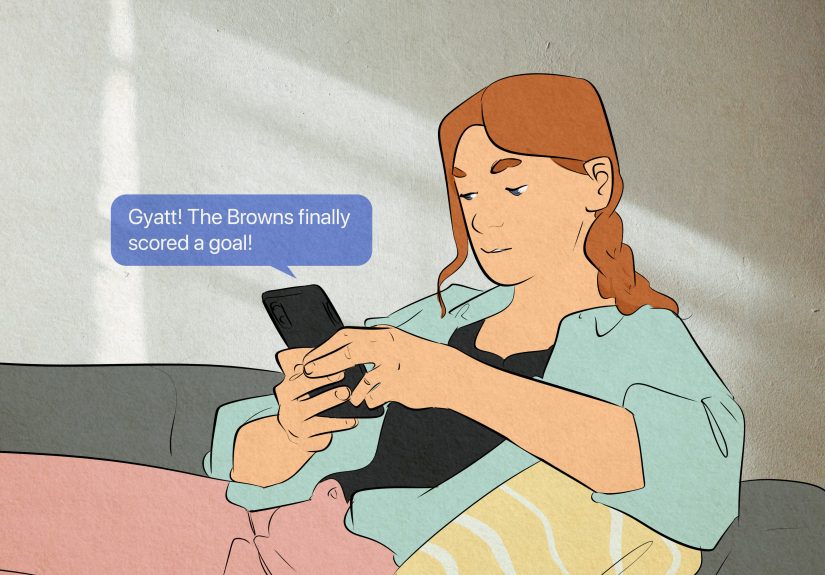
Gyatt An exclamation of admiration, often about someone’s backside. It’s widely recognized in Gen Alpha slang, but it’s also the easiest way to sound like you’re auditioning for the role of “Person Who Shouldn’t Be Allowed a Phone.”
Example: “Keep ‘gyatt’ out of the office Slack. Please. I’m begging.”
F-Tier: The Phrase That Turns You Into a Cautionary Tale
“Skibidi Ohio rizz sigma” (or any mega-combo sentence) These mashups are funny precisely because they’re absurd, like building a sandwich out of only condiments. If you use them constantly, people will assume you drink energy drinks for breakfast and have opinions about which AI voice is the “funniest.”
Example: “If your entire personality is this phrase, the kindest thing I can say is: touch grass.”
How to Rank Your Favorites (Without Starting a Group Chat War)
Want to make your own brainrot words tier list? Here’s a quick, low-drama method:
- Pick your list size: 10–20 words is the sweet spot.
- Score each word (1–5): Meme power, usefulness, and cringe risk.
- Assign tiers: Highest average = S; lowest = F.
- Add “context rules”: Some words are A-tier online but D-tier at a family dinner.
Brainrot Etiquette: When to Use These Words (and When Not To)
Slang is like hot sauce: the right amount is elite; the wrong amount is a medical event.
Use brainrot words when:
- You’re joking with friends who already speak the dialect.
- You’re reacting quickly (comments, short captions, playful texts).
- You’re leaning into irony on purpose.
Avoid brainrot words when:
- You’re in a professional setting with mixed ages and unclear tone.
- You’re trying to sound sincere (unless “no cap” is doing the job cleanly).
- You’re borrowing terms rooted in specific communities without understanding themespecially slang with deep cultural origins.
Also: if your audience has to ask what you mean, you’ve already lost the comedic timing. (This is not a moral judgment. It’s physics.)
Are Brainrot Words “Ruining English”?
English has always been a scavenger. It steals, adapts, shortens, remixes, and evolves. That’s not new. What is new is the speed: online culture can take a niche phrase and launch it into millions of mouths in a weekend.
Dictionaries and major publishers have increasingly documented modern slang and internet phrases, which is a good clue that these words aren’t just random noisethey’re cultural signals. Some will vanish. Some will stick. And some will get “parentified” into cringe once adults start using them incorrectly.
The healthiest mindset is to treat brainrot slang like fashion trends: enjoy them, learn what they mean, and don’t force them if they don’t fit.
Final Take
A good brainrot words tier list isn’t about judging peopleit’s about understanding how internet slang works: quick, emotional, community-driven, and occasionally ridiculous. Use these words like seasoning, not like a personality. And if you catch yourself whispering “skibidi” alone in the kitchen at 2 a.m., congratulations. You’re fluent.
Extra: of Brainrot “Experiences” You’ll Recognize
There’s a specific kind of modern moment where you realize the internet has leaked into real life. It starts smallsomeone says “no cap” out loud and you don’t even blink. Then, one day, you catch yourself thinking “mid” in a fully grown adult voice while looking at a restaurant menu. That’s the first symptom: the slang stops being a joke and becomes your internal narrator.
Another classic experience is the group chat translation spiral. One person drops “rizz” casually. Someone else (usually the brave one) asks, “What is rizz?” The chat splits into two factions: the “explains politely” crowd and the “touch grass” crowd. The explainer tries to be helpful“It’s like charisma, flirting skill”and immediately gets corrected by someone who insists it’s deeper than that. Meanwhile, a third friend posts a completely unrelated meme of a raccoon holding a tiny spoon. No one acknowledges it. Everyone understands it. That’s brainrot culture in a nutshell: incoherence with perfect confidence.
Then there’s the Gen Alpha encounter, which feels like being a tourist in your own language. You’ll hear “skibidi” used as a noun, adjective, and emotional support animal in the same sentence. You’ll watch a kid describe something as “Ohio” and realize it has nothing to do with geography and everything to do with vibes. You’ll try to keep up, fail, and decide the most honest response is just a long, respectful “…huh.”
Workplaces have their own version of this: someone tries to be relatable on a Zoom call and says “That’s so based,” and the room goes quiet in the exact way a room goes quiet when a smoke alarm chirps. Not because the word is offensive, but because everyone is doing the mental math of: “Are we allowed to speak like this here?” That’s when you learn the secret rule of brainrot slang: it’s not about the words, it’s about the audience. The same phrase that gets a thousand likes online can get a thousand-yard stare in a meeting.
And finally, there’s the mirror moment: you open your phone for “one quick thing,” get pulled into a scroll tunnel, and surface later with a head full of catchphrases you never agreed to download. You close the app, stare into the middle distance, and think: “I should touch grass.” You probably won’t. But you’ll think it. And honestly? That’s growth. No cap.