Table of Contents >> Show >> Hide
- Manitoba’s Growing Reality: Short Season, Big Payoff
- How to Use This Guide
- Manitoba Fruit Guide: What Grows Well (and Tastes Like Summer)
- Manitoba Vegetable Guide: The Province’s True Superpower
- A Simple Seasonal Calendar for Manitoba Produce
- How to Pick the Best Produce (Without Overthinking It)
- Storage and Safety: Keep It Fresh (and Don’t Feed the Fridge Gremlins)
- Manitoba Cooking Ideas That Match What’s in Season
- If You Want to Grow Your Own: Manitoba-Friendly Strategy
- Experiences: What “Manitoba Produce Season” Feels Like (500+ Words)
- Conclusion
- SEO Tags
Manitoba has a reputation for big skies, bigger winters, and summers that show up like a friend who’s late to the partybut brings snacks.
The good news: those snacks can be incredible. Despite a shorter growing season, Manitoba produces (and celebrates) a surprisingly wide range
of fruits and vegetablesespecially roots, brassicas, hardy berries, prairie potatoes, and greenhouse-grown favorites like tomatoes and cucumbers.
This guide is designed to help you shop smarter, cook tastier, waste less, and feel wildly confident at the farmers’ market.
You’ll learn what’s typically in season, what to expect from local storage crops in winter, how Manitoba’s climate shapes flavor,
and how to keep produce fresh long enough to actually eat it (instead of letting it become a science fair project in your crisper drawer).
Manitoba’s Growing Reality: Short Season, Big Payoff
Manitoba sits in a cold-winter, warm-summer pattern that creates two key truths:
(1) frost is a real plot twist, and (2) when local produce hits its stride, it’s often peak-flavor because plants grow fast in long summer daylight.
In much of southern Manitoba, the dependable “field harvest” window is roughly late spring through early fall,
while the rest of the year leans on storage crops (think potatoes, carrots, beets, cabbage), preserved foods, and greenhouse production.
Why frost dates matter (even if you’re “just shopping”)
You don’t need to garden to benefit from understanding frost timing. Frost dates help explain why Manitoba strawberries feel like a summer holiday,
why sweet corn is a “grab it while you can” situation, and why local tomatoes often arrive later (or show up as greenhouse royalty).
They also explain the province’s deep love affair with vegetables that store wellbecause winter is not a rumor here.
Season extenders: the Manitoba “cheat codes”
Hoop houses, row covers, cold frames, and greenhouses stretch the season on both ends. That’s why you might see local cucumbers earlier than you’d expect,
or find surprising late-season greens when the air feels like it’s auditioning for winter.
Translation: “in season” is real, but it has helpful asterisks.
How to Use This Guide
Think of Manitoba produce in three buckets:
- Field-fresh (true seasonal harvest): the classic late spring to early fall wave.
- Greenhouse-grown: tomatoes, cucumbers, peppers, herbs, and greens that can appear earlier and last longer.
- Storage superstars: roots and hardy vegetables that keep you eating “local-ish” well into winter.
You’ll see typical timing throughout this article, but weather can shift everything. A warm spring can speed things up; a cool, wet summer can slow it down.
Use the calendar as a compassnot a strict contract.
Manitoba Fruit Guide: What Grows Well (and Tastes Like Summer)
Fruit in Manitoba tends to be either hardy (able to handle cold) or fast (ready within the short summer window).
Here are the best-known local fruit categories you’ll often find fresh, frozen, or preserved.
Rhubarb (late spring through summer)
Rhubarb is basically Manitoba’s opening act for the produce seasontart, bright, and ready when everyone else is still deciding whether it’s safe to take off their winter tires.
Look for firm stalks with a glossy snap. Use it in pies, crisps, compotes, and jams. Pro tip: pair it with strawberries to soften the tartness.
Strawberries (early summer)
Manitoba strawberries are a seasonal event. They’re often sweetest when eaten the same day (which is a convenient excuse to “taste test” on the drive home).
Choose berries that are fragrant and evenly colored. Don’t wash until you’re ready to eatwater speeds up spoilage.
Haskaps / Honeyberries (early to mid-summer)
Haskaps are a cold-climate favorite: deep blue, oblong berries with a flavor that’s often described as blueberry-meets-something-edgy-and-tangy.
They’re excellent for jam, syrup, baking, and freezing. If you see them fresh, snag themthis season can feel short.
Saskatoon berries (early to mid-summer)
Saskatoons are prairie-famous and deserve it: sweet, almondy, and perfect for pies, muffins, and preserves.
They’re also an easy gateway into “local fruit” if you’re used to supermarket berries year-round.
Raspberries and currants (mid to late summer)
Raspberries show up in summer like confetti you can eat. Currants and gooseberries can also appear at markets and U-picks, especially with home growers.
Because these berries are delicate, store them dry and use them quicklyor freeze them on a tray first, then bag them to avoid one giant berry iceberg.
Apples (late summer through fall)
Manitoba apples tend to be hardy varieties suited to colder regions. Fresh apples peak in fall, but many varieties store well,
which means you may see local apples beyond harvest season. Look for firm fruit with no bruising and a fresh apple aroma (yes, sniffing is allowed; it’s science).
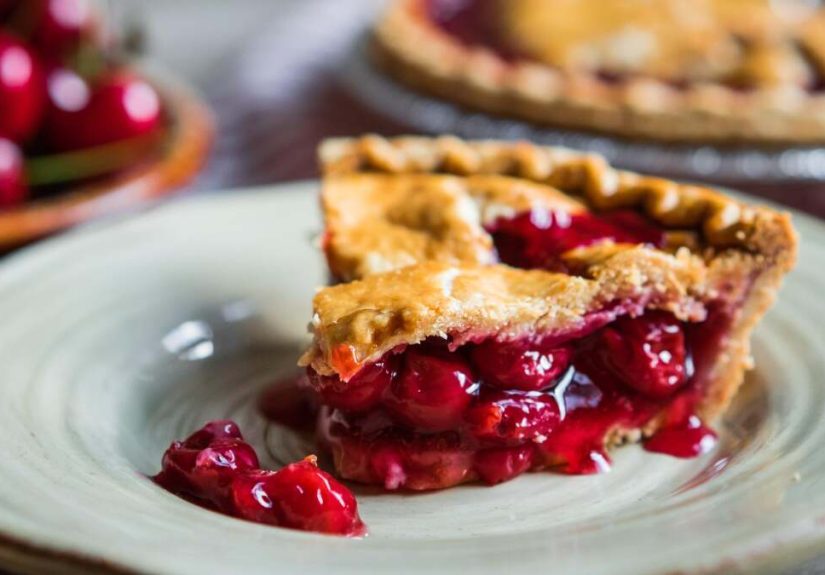
Plums, cherries, and pears (varies)
These can show up depending on local growers, hardy varieties, and the year’s weather.
If you spot Manitoba-grown stone fruit, treat it like a limited-edition release.
Manitoba Vegetable Guide: The Province’s True Superpower
Vegetables are where Manitoba really flexes. The climate favors crops that mature quickly, tolerate cool nights, or store well.
Here’s what to look for, plus how to tell what’s truly fresh.
Spring and early-summer vegetables
- Asparagus: A brief, glorious season. Look for tight tips and firm stalks.
- Leafy greens (lettuce, spinach, arugula): Often early and again in fall when temperatures cool.
- Radishes and green onions: Crisp, peppery, and great in salads or tacos.
- Peas: Sweet snap peas and shelling peas typically thrive in cooler early-season conditions.
Mid-summer favorites
- Beans: Green, yellow, and sometimes shelling beans later in summer.
- Cucumbers: Field cucumbers arrive in summer; greenhouse cucumbers may appear earlier.
- Zucchini and summer squash: Abundant, sometimes comically so. Consider it your cue to bake muffins and befriend your neighbors.
- Sweet corn: Peak summer joy. Choose ears that feel heavy with fresh-looking husks and plump kernels.
- Tomatoes and peppers: Often later in the season outdoors; greenhouse-grown can extend availability.
Late-summer and fall “fill-the-pantry” crops
- Potatoes: A Manitoba signature. Look for firm potatoes with smooth skin and no green patches.
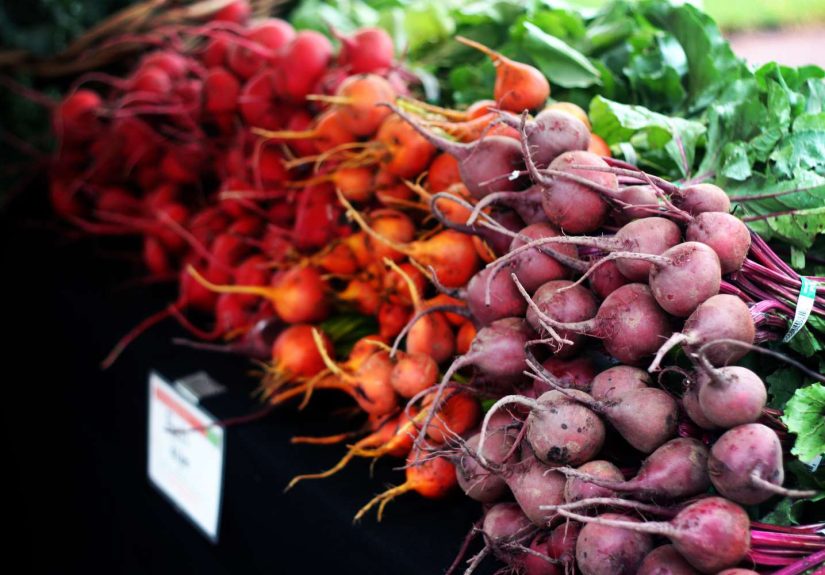
- Carrots and beets: Sweeten nicely as nights cool. Bonus: some beets come with greens you can sauté.
- Onions and garlic: Storage-friendly and deeply practical (which is a very Manitoba compliment).
- Cabbage and other brassicas: Cabbage, broccoli, cauliflower, Brussels sproutsexcellent in cool weather and often sweeter after light frost.
- Winter squash and pumpkins: Think butternut, acorn, spaghetti squash, and pie pumpkins for fall cooking.
- Turnips, rutabagas, parsnips: Old-school, hearty, and underratedespecially roasted.
A Simple Seasonal Calendar for Manitoba Produce
Instead of a complicated month-by-month chart (that weather will laugh at anyway),
here’s a practical seasonal rhythm you can use for shopping, menu planning, and “should I freeze this?” decision-making.
Late Spring to June: The Fresh Start
- Asparagus, rhubarb
- Early greens (lettuce, spinach), radishes, green onions
- Peas begin toward early summer
July to August: Peak Variety
- Strawberries, haskaps, saskatoons, raspberries (and other berries depending on grower)
- Beans, cucumbers, zucchini, herbs
- Sweet corn, tomatoes, peppers (especially later in this window)
- Early potatoes, carrots, beets
September to October: The Harvest Wave
- Apples and late berries
- Potatoes, onions, carrots, beets (serious quantities)
- Cabbage, cauliflower, broccoli, Brussels sprouts
- Winter squash, pumpkins
November to March: Storage Season (a.k.a. “We Planned Ahead”)
- Potatoes, carrots, beets, cabbage, onions, squash (quality depends on storage conditions)
- Greenhouse greens and herbs (varies by producer)
- Frozen berries and vegetables from summer and fall
How to Pick the Best Produce (Without Overthinking It)
You don’t need to be a produce whisperer. Use these simple cues:
Freshness cues that almost never fail
- Heavier than it looks: Often means juicier (cucumbers, peppers) or denser and fresher (cabbage).
- Bright color + firm texture: Dull and soft usually means “eat today” (or “nope”).
- Leaves matter: If carrots or beets have greens, look for perky leavesnot limp sadness.
- Smell test: Berries and peaches (when available) should smell like themselves. If they smell like nothing, they’ll taste like nothing.
Storage and Safety: Keep It Fresh (and Don’t Feed the Fridge Gremlins)
Manitoba’s seasons make storage a lifestyle skill. You might buy a flat of berries in July and a sack of potatoes in September,
and both decisions can be excellentif you store them correctly.
Smart storage basics
- Keep berries dry: Store unwashed; rinse right before eating.
- Separate greens from roots: Carrot/beet greens pull moisture from the root. Remove and store separately.
- Potatoes: Cool, dark, and dry. Avoid storing next to onions (they can speed each other’s spoilage).
- Herbs: Treat like flowerstrim ends and store in a jar with water (loosely covered) or wrap in a slightly damp paper towel.
- Cut produce: Refrigerate promptly and use quickly.
Food safety in plain English
Wash produce under running water (even if you plan to peel it), keep your fridge cold, and don’t let cut fruits/veg hang out at room temperature for ages.
If it’s perishable and you wouldn’t trust it at a summer picnic for hours, don’t trust it on your counter either.
Manitoba Cooking Ideas That Match What’s in Season
Seasonal cooking doesn’t have to be fancy. It just has to be strategic: cook what’s abundant, freeze what you can’t finish,
and give storage vegetables the respect they deserve.
Spring
- Asparagus sheet-pan dinner: Roast asparagus with lemon and a little grated cheese.
- Rhubarb compote: Simmer rhubarb with sugar and a splash of orange; spoon over yogurt or pancakes.
Summer
- Berry everything: Shortcakes, freezer jam, smoothies, or berries folded into whipped cream like it’s a life choice.
- Cucumber crunch: Quick pickles, salads, or tzatziki for grilled meals.
- Tomato burst: Fresh salsa, bruschetta, or slow-roasted tomatoes to concentrate flavor.
Fall
- Roasted root veg: Carrots, beets, parsnipsolive oil, salt, hot oven, minimal effort, maximum reward.
- Cabbage comfort: Slaws, stir-fries, soups, or classic cabbage rolls.
- Squash weeknight magic: Roast halves, scoop, mash with butter and herbs.
Winter
- “Storage soup”: Potatoes + carrots + onions + cabbage + broth = winter logic in a bowl.
- Frozen berries: Stir into oatmeal, bake into crisps, or blend into smoothies to fight February.
If You Want to Grow Your Own: Manitoba-Friendly Strategy
Even a small garden can produce a lot in Manitoba if you work with the season instead of arguing with it.
The winning approach is usually: start early indoors, plant smart outside, and use cool-season crops before and after peak summer.
High-success crops for short seasons
- Cool-season: peas, lettuce, spinach, radishes, carrots, beets, cabbage, kale
- Warm-season (choose shorter varieties): beans, cucumbers, zucchini, tomatoes (often best as transplants)
- Storage champs: potatoes, onions, winter squash
Simple season hacks
- Succession plant: plant small batches of greens every couple of weeks instead of one giant wave.
- Use row covers: protect from chilly nights and extend harvest.
- Don’t waste late summer: after peas or early greens finish, plant fast fall crops like radishes or spinach.
Experiences: What “Manitoba Produce Season” Feels Like (500+ Words)
If you’ve never paid attention to Manitoba’s produce calendar, the first “aha” moment usually happens in late springoften right around the time you catch yourself
thinking, “Wait, is it actually warm now?” That’s when asparagus starts appearing like a green announcement: summer is loading.
People buy it with the urgency of limited-time merchandise, because it kind of is. You can almost feel the collective agreement:
yes, we’re eating fresh things again, and yes, we’re going to talk about it.
Then rhubarb shows uptart, bright, and somehow optimistic. For a lot of households, rhubarb isn’t just an ingredient; it’s a tradition.
It gets turned into pies, crisps, jams, and “that pink sauce” someone always brings to a family gathering.
Even if you’re not baking, there’s something satisfying about seeing it: proof that the season is moving forward.
Early summer has its own kind of excitement, especially when local strawberries arrive. The experience isn’t just tasteit’s timing.
You’ll see people buying berries like they’re stocking up for a winter they can already hear approaching (and they’re not wrong).
There’s the classic strawberry ritual: someone promises they’ll “only eat a few” on the way home and then discovers the container is mysteriously half empty.
No one investigates further. Manitoba summer is short; joy is allowed.
By mid-summer, farmers’ markets feel like the colorful center of the universe. Tables fill with cucumbers, beans, zucchini,
and herbs that smell like they were picked ten minutes ago. Sweet corn becomes a weekly plan: you don’t just buy corn; you schedule corn.
And if you grow anything yourselfor know someone who doesthis is when the “please take some zucchini” conversations begin.
It’s not a complaint. It’s a seasonal social contract.
Late summer into early fall is the part of the year that makes Manitoba’s long winters feel slightly less intimidating.
Tomatoes finally hit their stride (often alongside greenhouse beauties), peppers become plentiful, and the “big harvest” vegetables start rolling in.
Potatoes show up in bags that feel like they could double as gym equipment. Carrots and beets look extra vivid,
and cabbage suddenly makes sense: it’s crisp, affordable, and practically built for cool weather cooking.
Fall harvest season has a particular vibe: equal parts cozy and efficient. People talk about storage like it’s a hobby.
Someone mentions they have squash “for weeks,” and you believe them because you’ve seen the size of those squash.
There’s also the quiet satisfaction of planning aheadroasting roots, making soup, freezing berries,
and packing the freezer with chopped peppers and sliced carrots so future-you can eat something decent in January.
And then winter arrives, as it does, with confidence. But here’s the surprising part:
Manitoba produce experiences don’t vanishthey shift. Winter becomes a season of cleverness.
You pull frozen berries out for smoothies that taste like July memories. You roast squash and realize it’s basically comfort food disguised as a vegetable.
You make soups from potatoes, onions, carrots, and cabbage, and they taste like the logical conclusion of a prairie growing season:
simple ingredients, big payoff, and enough warmth to make February feel slightly less dramatic.
Ultimately, the “experience” of Manitoba fruits and vegetables is the experience of the province itself: resilient, seasonal, practical, and genuinely joyful
when the conditions are right. If you lean into that rhythmfresh when it’s fresh, stored when it’s storedyou don’t just eat better.
You start noticing the year in a new way, one strawberry, potato, and frosty cabbage at a time.
Conclusion
Manitoba’s produce story is a masterclass in making the most of the season you have: quick-growing summer abundance, cool-weather vegetables that shine in fall,
storage crops that carry you through winter, and greenhouse ingenuity that stretches the definition of “local.”
Whether you’re shopping, cooking, freezing, or growing, the key is the samefollow the seasonal rhythm and you’ll get better flavor, better value, and fewer sad leftovers.
And if you accidentally buy too much corn or an emotionally significant quantity of potatoes, congratulations: you’re doing it the Manitoba way.