Table of Contents >> Show >> Hide
- What Are Eye Allergies, Exactly?
- Eye Allergies vs. Pink Eye: How to Tell the Difference
- How Doctors Distinguish Eye Allergies from Infection
- Best Treatment Strategy for Eye Allergies
- Pink Eye Treatment Snapshot (Because Not All Red Eyes Are Allergies)
- Prevention Habits That Actually Work
- Quick FAQ
- How This Article Was Synthesized
- Extended Experiences: What People Commonly Notice in Real Life (500+ Words)
- Conclusion
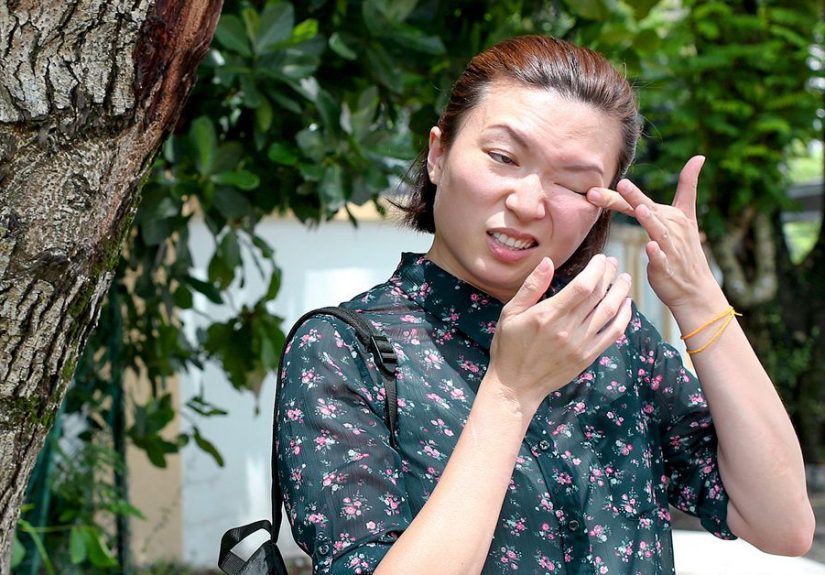
Your eyes are red, watery, and itchy enough to make you consider replacing them with windshield wipers. Is it eye allergies? Is it pink eye? Is it just “I rubbed mascara into my cornea while half asleep”?
Good news: most red-eye episodes are manageable once you identify the cause. Better news: there are clear clues that help you tell allergic conjunctivitis (eye allergies) from infectious conjunctivitis (often called pink eye).
This guide breaks down symptoms, side-by-side differences, treatments that actually help, common mistakes to avoid, and the exact moments when you should stop searching and call a clinician.
What Are Eye Allergies, Exactly?
Eye allergies (also called allergic conjunctivitis) happen when your immune system overreacts to triggers like pollen, dust mites, pet dander, mold, or irritants.
The conjunctivathe clear tissue covering the white of the eye and inner eyelidsgets inflamed, and your eyes protest with itching, tearing, redness, and puffiness.
Unlike infectious pink eye, eye allergies are not contagious. You can’t “catch” them from a classmate, coworker, or that one friend who insists their cat is “hypoallergenic” while your eyes stage a rebellion.
Classic Eye Allergy Symptoms
- Intense itching (often the biggest clue)
- Watery eyes or clear/stringy discharge
- Red or pink eyes
- Puffy/swollen eyelids, often worse in the morning
- Burning or gritty sensation
- Often affects both eyes
- May come with sneezing, runny nose, or other allergy symptoms
Common Triggers
- Seasonal: tree, grass, and weed pollen
- Year-round: dust mites, pet dander, mold
- Irritants: smoke, fragrances, chlorine, air pollution, cosmetics
- Contact lens-related irritation in sensitive eyes
Eye Allergies vs. Pink Eye: How to Tell the Difference
“Pink eye” is a broad term for conjunctivitis, and conjunctivitis has multiple causes: viral, bacterial, allergic, and irritant-related.
Translation: not every pink-looking eye is an infection, and not every itchy eye is “just allergies.” Here’s a practical comparison.
| Feature | Eye Allergies (Allergic Conjunctivitis) | Viral/Bacterial Pink Eye |
|---|---|---|
| Itching | Usually intense and prominent | Can occur, but often less dominant |
| Discharge | Watery or stringy/clear | Viral: watery; Bacterial: thicker pus/mucus |
| One eye vs both | Often both eyes at the same time | Often starts in one eye; can spread to the other |
| Contagious? | No | Viral and bacterial forms are commonly contagious |
| Other symptoms | Sneezing, runny/itchy nose, seasonal pattern | Cold-like symptoms (viral), crusting/matted lids (bacterial) |
| Course | Flares with exposure to triggers | Infection runs a shorter natural course, depending on cause |
When It’s Not Just “Allergy Eyes”
Some eye symptoms should never be brushed off. Seek prompt care if you have:
- Moderate to severe eye pain
- Light sensitivity that is significant or worsening
- Vision changes (blur not clearing with blinking/wiping discharge)
- Very intense redness
- Symptoms that worsen or do not improve
- Newborn with any pink-eye symptoms (urgent evaluation needed)
How Doctors Distinguish Eye Allergies from Infection
Diagnosis usually starts with pattern recognition:
- Timing: spring/fall flares or around pets/dust suggest allergies.
- Laterality: both eyes together leans allergic; one eye first can suggest infection.
- Discharge quality: thick pus or stuck lids in the morning can point bacterial.
- Associated symptoms: sneezing and nasal allergy symptoms support allergic causes.
- Exam findings: clinicians assess conjunctiva, lids, cornea, and contact lens complications.
In straightforward cases, extensive testing is often unnecessary. If symptoms are severe, persistent, recurrent, or vision-threatening, an eye specialist may do a more detailed exam.
Best Treatment Strategy for Eye Allergies
Most people do best with a layered approach: lower exposure, calm inflammation, and escalate treatment only when needed.
Step 1: Reduce Allergen Exposure (Yes, It Matters)
- Keep windows closed during high pollen days
- Shower and change clothes after being outdoors
- Use air conditioning and consider a HEPA-filter vacuum
- Wear sunglasses outdoors to reduce allergen contact with eyes
- Rinse eyes with saline/artificial tears after outdoor exposure
- Avoid rubbing eyes (this can worsen inflammation fast)
Not glamorous, but very effective. Think of this as “allergy budget management”: fewer triggers in means fewer symptoms out.
Step 2: Over-the-Counter Relief
- Artificial tears: dilute and flush allergens; soothe dryness and irritation
- Cold compresses: reduce swelling and discomfort
- Antihistamine eye drops: useful for itch relief, often quick onset
For mild-to-moderate flares, this combo helps many people feel better quickly.
Step 3: Prescription Options (When OTC Is Not Enough)
- Antihistamine/mast-cell stabilizer drops: often preferred for ongoing control + prevention
- Mast-cell stabilizer drops: best used proactively before exposure periods
- Short-course anti-inflammatory drops: in select cases
- Oral allergy meds: can help systemic symptoms; monitor for dry-eye worsening in some people
- Immunotherapy (allergy shots): may help long-term control for identified triggers
Important: steroid eye drops can be very effective in severe cases, but they should be monitored by an eye specialist because of risks (such as pressure rise, cataract risk, and infection concerns with prolonged use).
Contact Lens Rule You Shouldn’t Ignore
If your eyes are red and irritated, pause contact lens wear until symptoms fully resolve and your clinician says it’s safe to resume.
Continuing contact lenses through active inflammation can worsen discomfort and complicate recovery.
What Not to Do
- Don’t self-start leftover antibiotic drops “just in case”
- Don’t use redness-relief drops nonstop for long periods
- Don’t rub itchy eyes (it feels good for 2 seconds, then worse)
- Don’t share makeup, towels, or pillowcases during active conjunctivitis
- Don’t delay care if vision/pain/light sensitivity is significant
Pink Eye Treatment Snapshot (Because Not All Red Eyes Are Allergies)
Viral Conjunctivitis
Usually managed with supportive care: lubricating drops, cold compresses, and hygiene measures to prevent spread. Antibiotics do not treat viral causes.
Bacterial Conjunctivitis
Mild cases may improve without antibiotics, but antibiotics can shorten illness and reduce spread in selected cases (especially with pus, high-risk patients, or specific clinical scenarios).
Allergic Conjunctivitis
Trigger control plus allergy-directed drops/medications. Not contagious.
Irritant/Chemical Conjunctivitis
Remove exposure and rinse as directed. If symptoms persist or chemical injury is suspected, seek urgent care.
Prevention Habits That Actually Work
- Wash hands often and avoid touching/rubbing eyes
- Replace eye makeup regularly; don’t share it
- Clean pillowcases, towels, and glasses frequently
- Use allergen-control habits during pollen season
- Treat nasal allergies tooeye symptoms often improve when total allergy burden drops
- Have an “eye flare kit” ready: tears, cold compress mask, and approved drops
Quick FAQ
Can eye allergies turn into pink eye?
Eye allergies are already a type of conjunctivitis (allergic conjunctivitis), but they are not infectious. You can still develop a separate viral or bacterial infection later, especially if you rub your eyes a lot.
How long do eye allergies last?
They can last as long as trigger exposure continues. Seasonal flares come and go; perennial symptoms can persist year-round without trigger control.
Do I need antibiotics for red, itchy eyes?
Not alwaysand often not. If symptoms are allergy-driven, antibiotics don’t help. Correct diagnosis matters.
Are kids more likely to get pink eye?
Kids get conjunctivitis frequently because infections spread easily in close-contact settings. But children can also have eye allergies, especially with a personal/family allergy history.
How This Article Was Synthesized
This guide was built from converging medical guidance and patient education material from major U.S. institutions and organizations, including:
CDC, National Eye Institute (NIH), MedlinePlus (NLM/NIH), American Academy of Ophthalmology, American Academy of Allergy Asthma & Immunology, American College of Allergy Asthma & Immunology, Johns Hopkins Medicine, Cleveland Clinic, Mayo Clinic, Asthma and Allergy Foundation of America, and peer-reviewed clinical references in NCBI/StatPearls.
Extended Experiences: What People Commonly Notice in Real Life (500+ Words)
If you’ve ever googled “why are my eyes so itchy I can hear them,” welcome to the club. Real-life eye allergy stories tend to follow a few familiar patternsand knowing them can save a lot of stress.
Experience Pattern #1: “It starts as mild annoyance, then suddenly everything is a trigger.”
People often describe a subtle start: slight itch, occasional tearing, maybe a little redness after a walk. Then pollen season peaks, or they deep-clean a dusty closet, and boomfull eye flare.
The biggest aha moment? Many realize that their “random bad eye days” are not random at all. They line up with weather shifts, lawn mowing, pet snuggles, old pillows, or even forgotten air filters.
Experience Pattern #2: “I thought it was pink eye because my eyes looked dramatic.”
Red eyes can look alarming, especially in mirror lighting that should probably be illegal. People frequently assume infection first, but then notice clues: intense itch, both eyes involved, watery/stringy discharge, plus sneezing.
Once they learn the allergy-vs-infection pattern, panic drops. They also stop asking, “Did someone give this to me?” and start asking, “What did I get exposed to?”
Experience Pattern #3: “The game-changer was prevention, not heroics.”
Many people expect one “magic drop” to fix everything forever. In practice, relief often comes from boring-but-brilliant routines: rinse eyes after outdoor time, keep windows closed at peak pollen, change pillowcases often, and use tears before symptoms explode.
Not glamorous. Very effective. Like flossing, but for eyeballs.
Experience Pattern #4: “I kept making it worse by rubbing my eyes.”
This is probably the most universal confession. Rubbing feels instantly satisfyingthen symptoms rebound harder. Some people describe a cycle of itch-rub-redness-itch-rub that lasts days.
Switching to cold compresses and lubricating drops instead of rubbing can reduce that loop dramatically.
Experience Pattern #5: “Contact lenses were the hidden problem.”
Lens wearers often report that allergy days become “my lenses feel like sandpaper days.” Even if lenses aren’t the cause, they can intensify discomfort during flares.
People do better when they temporarily switch to glasses during active symptoms and avoid pushing through irritation “because I already put them in.”
Experience Pattern #6: “Treating my nose helped my eyes.”
Another common discovery: when overall allergy control improves (especially nasal symptoms), eye symptoms often calm down too. For many, coordinated allergy management works better than eye-only treatment.
Experience Pattern #7: “I finally sought care when vision changed.”
Most allergy flares are uncomfortable, not dangerous. But people who report pain, light sensitivity, or persistent blurry vision often say they wish they had sought care sooner.
A professional exam can quickly separate routine irritation from more serious problems.
Experience Pattern #8: “I got better once I had a personalized plan.”
The biggest confidence boost usually comes from a simple action plan: what to do daily, what to do at first symptom, what to avoid, and what red flags mean “call now.”
Once people have that map, flare-ups feel manageable instead of mysterious.
Bottom line from real-world experience: eye allergies are frustrating, but they’re also highly manageable when you combine trigger control, smart drop choices, and timely medical care for warning signs.
Or said differently: your eyes can absolutely calm downand no, you do not need to spend spring looking like you cried through an entire movie trilogy.
Conclusion
Eye allergies and pink eye can look similar, but the differences matter: itching and bilateral symptoms often point to allergies, while contagious viral or bacterial conjunctivitis follows different patterns and treatment decisions.
The most effective strategy is practical and layeredreduce triggers, use appropriate drops, avoid common mistakes, and seek care quickly when pain, light sensitivity, or vision changes appear.
With the right plan, most people can get faster relief and fewer repeat flare-ups.